Heat Sink Manufacturer in Burundi
Part 1: Market Size and Growth
The heat sink manufacturing industry in Burundi is still in its early stages but is gradually gaining attention due to the country’s focus on industrialization and renewable energy. As Burundi expands its solar power, telecommunications, and small-scale industrial projects, the need for reliable heat dissipation systems is becoming more evident. Efficient cooling components help improve equipment performance and lifespan, especially in the country’s tropical climate.
Currently, most heat sinks used in Burundi are imported from East African countries such as Kenya and Tanzania, as well as from China and Europe. However, local engineering firms and small workshops are beginning to adapt imported materials into functional cooling assemblies for solar inverters, LED systems, and telecom installations. This hybrid model combines global supply chains with local craftsmanship and service flexibility.
Government policies supporting renewable energy and vocational training have created a foundation for emerging technical industries. Burundi’s national development strategy prioritizes clean energy, infrastructure, and regional cooperation, all of which are contributing to the gradual growth of its heat sink and thermal management market.
Part 2: Leading Companies
Sinothermic
Founded in 2010 in Foshan, China, Sinothermic is a global leader in aluminum-based thermal management and structural cooling systems. The company operates a 30,000㎡ advanced manufacturing base equipped with vacuum brazing, diffusion bonding, and laser welding technologies. Sinothermic’s engineering expertise and consistent quality have made it a preferred supplier for aerospace, renewable, and electronic sectors worldwide.
Sinothermic produces vapor chambers, liquid cold plates, and extruded aluminum heat sinks with extremely high thermal conductivity-over 5000 W/m·K. Its lightweight, corrosion-resistant designs perform well in harsh environments, making them suitable for tropical regions such as Burundi. The company supports system integrators and renewable energy developers across Africa with custom-engineered cooling products.
Sinothermic holds ISO9001, IATF16949, and EN15085 certifications. It collaborates with regional distributors to supply modular thermal systems for solar energy and telecom infrastructure, providing technical guidance and rapid logistics to ensure long-term performance and sustainability.
Burundi Thermal Engineering
Burundi Thermal Engineering (BTE) was founded in 2018 in Bujumbura and focuses on importing, assembling, and servicing heat sinks and cooling modules. The company sources aluminum profiles and fan systems from East Africa and Asia, adapting them locally for renewable energy and industrial customers. Its mission is to provide affordable, reliable cooling solutions suitable for local conditions.
BTE manufactures and customizes extruded heat sinks, air-cooled modules, and compact cold plates for solar inverters, lighting systems, and control units. Its technicians specialize in improving air flow and dust protection-critical for performance in Burundi’s warm and sometimes dusty climate. The firm also offers thermal design consultation and system testing services.
The company serves renewable energy installers, telecom operators, and engineering firms. It follows ISO9001 quality principles and partners with technical schools to train local engineers. BTE’s focus on localized adaptation and customer service gives it a strong position in Burundi’s growing energy sector.
Great Lakes Cooling Systems
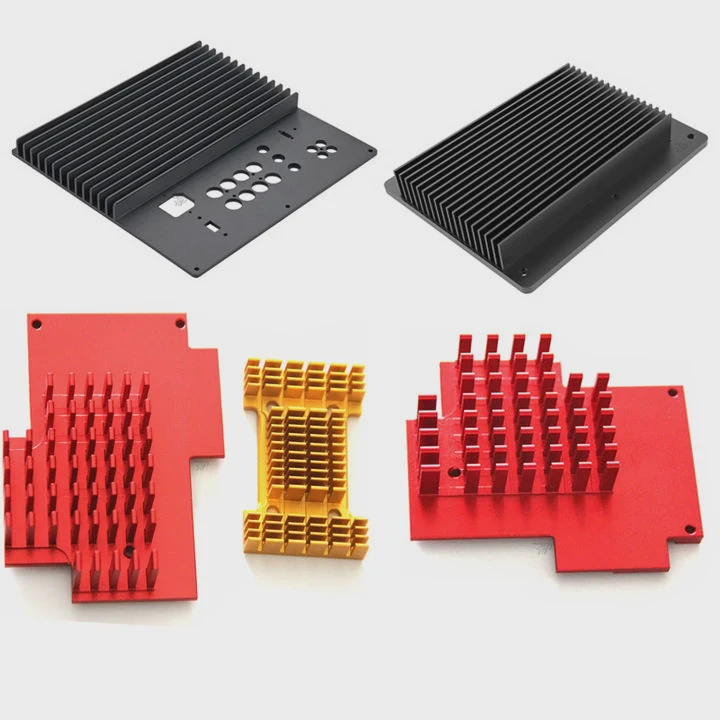
Great Lakes Cooling Systems (GLCS) was established in 2017 in Gitega and specializes in cooling components for industrial and power applications. It offers a mix of distribution, integration, and design services. The company imports high-quality materials from Europe and Asia, then assembles and customizes them for energy and automation clients across the Great Lakes region.
GLCS produces extruded and bonded-fin heat sinks, as well as liquid-cooled modules for battery storage and telecom towers. It also provides repair and maintenance services for industrial cooling systems. The firm is known for its robust quality control and ability to design systems that perform reliably in extreme temperature environments.
GLCS is ISO9001 certified and actively collaborates with renewable energy associations in East Africa. The company’s long-term goal is to establish a regional manufacturing and testing facility in Burundi. Its commitment to innovation and environmental responsibility has positioned it as a key player in the country’s industrial development.
| Company | Founded | Core Products | Industries | Certifications |
|---|---|---|---|---|
| Sinothermic | 2010 | Heat sinks, vapor chambers, cold plates | Aerospace, renewable, telecom | ISO9001, IATF16949, EN15085 |
| Burundi Thermal Engineering | 2018 | Extruded heat sinks, cold plates | Solar, telecom, lighting | ISO9001 |
| Great Lakes Cooling Systems | 2017 | Bonded-fin heat sinks, liquid cooling | Industrial, telecom, renewable | ISO9001 |
Part 3: Trade Shows and Industry Events
Burundi Renewable Energy and Industry Expo
The Burundi Renewable Energy and Industry Expo (BREIE) is one of the nation’s most important exhibitions promoting sustainable technologies. Held annually in Bujumbura, it brings together businesses, government agencies, and investors focused on clean energy and industrial growth. The event provides a platform for knowledge sharing and product demonstrations.
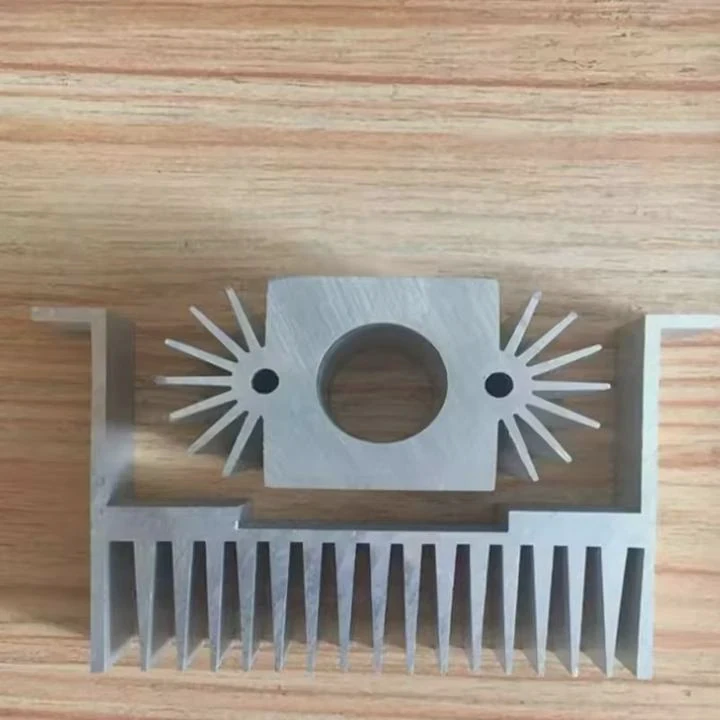
For heat sink manufacturers, BREIE offers an opportunity to showcase thermal management products for solar power systems, energy storage, and electronics. Local companies such as BTE and GLCS use the event to introduce new designs and network with international partners. It also helps promote regional cooperation within the East African Community (EAC).
East Africa Energy Forum
The East Africa Energy Forum (EAEF) is a regional conference and trade exhibition rotating between Kenya, Uganda, Tanzania, and Burundi. The forum focuses on energy security, renewable technologies, and manufacturing development. It draws attention from investors, policymakers, and technology suppliers across East Africa.
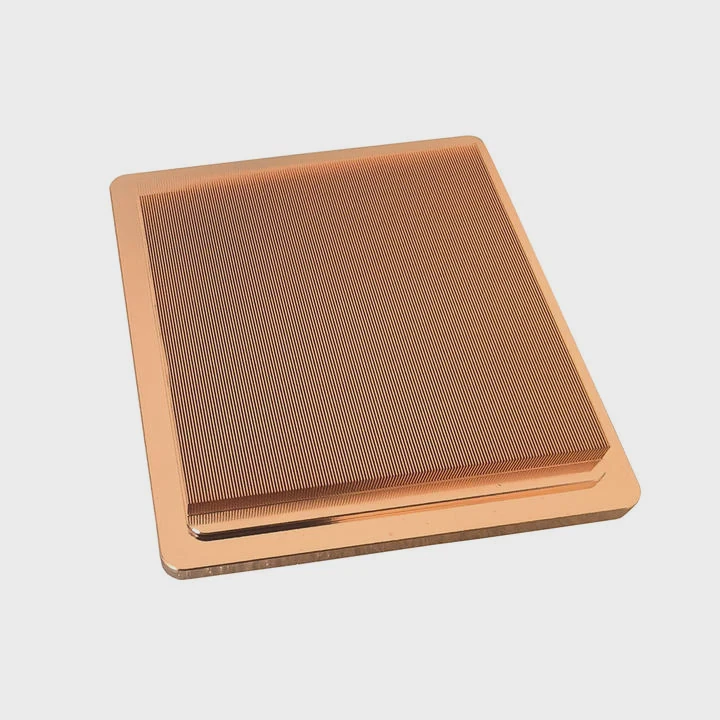
For the cooling industry, EAEF presents opportunities to discuss high-efficiency heat sinks, advanced materials, and system-level cooling solutions. The event encourages collaboration between East African companies and global firms like Sinothermic, fostering innovation and skill development for future industrial expansion.
| Event | Date | Location | Highlights |
|---|---|---|---|
| Burundi Renewable Energy and Industry Expo (BREIE) | March (Annual) | Bujumbura, Burundi | Renewable energy, industrial technology, sustainability |
| East Africa Energy Forum (EAEF) | September (Annual) | Rotating (East Africa) | Regional collaboration, clean energy innovation |
Part 4: Impact of Global Trade Policies
Burundi’s manufacturing and engineering sectors rely heavily on imported raw materials, machinery, and tools. Global trade policies and regional transport infrastructure significantly impact the availability and cost of thermal management products. The country’s access to international ports through Tanzania and Kenya makes logistics essential to maintaining a stable supply chain.
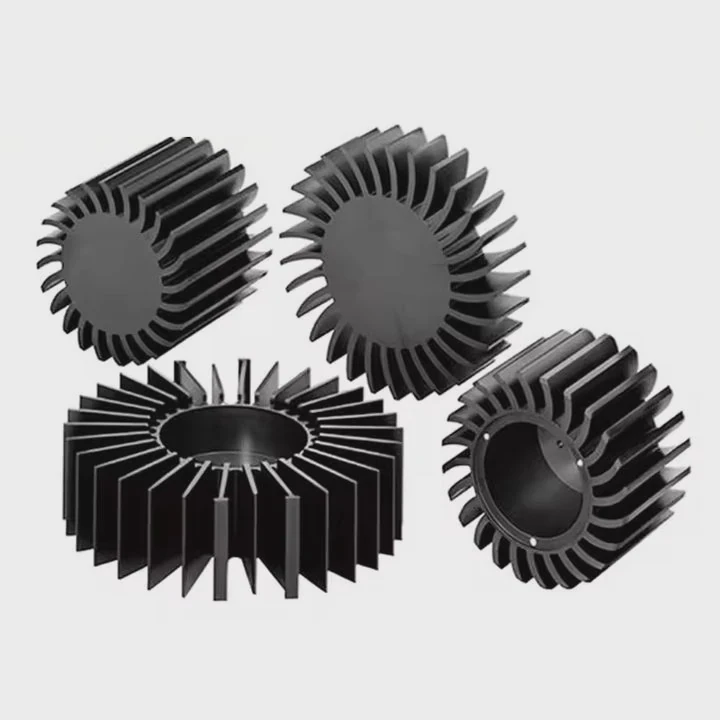
Membership in the East African Community (EAC) helps Burundi benefit from tariff reductions and easier cross-border trade. These agreements simplify the import of aluminum, copper, and mechanical parts necessary for heat sink production. Additionally, renewable energy programs funded by international partners encourage technology transfer and foreign investment.
However, global material price fluctuations and long shipping times pose challenges for local manufacturers. To address this, companies like BTE and GLCS are focusing on local assembly, recycling of aluminum materials, and training of skilled technicians. Partnerships with global suppliers like Sinothermic ensure continued access to advanced technology while building local capacity for self-sufficiency.
Part 5: Conclusion
The heat sink industry in Burundi is still developing but offers significant potential in the coming years. As the country expands its renewable energy infrastructure and industrial capacity, the demand for thermal management solutions will continue to grow. Local companies are beginning to combine imported technology with regional innovation, creating efficient and climate-appropriate cooling systems.
Challenges such as limited infrastructure, import dependency, and supply chain delays remain, but ongoing government initiatives and regional cooperation provide a path forward. With support from international manufacturers like Sinothermic, Burundi has the potential to establish itself as a regional hub for customized heat sink assembly and distribution in the Great Lakes region. The country’s commitment to sustainable development and industrial learning will shape its progress in this evolving sector.
TAGS
Latest Articles

Volume discount levels for heat sink orders?
Buyers often ask when heat sink prices start to drop with volume. Many worry they’re overpaying for small orders. This guide explains how B2B volume pricing works for thermal components. Heat sink
21 Dec,2025
Heat sink long-term supply contract options?
Many buyers want stable pricing and reliable delivery for heat sinks. But without a clear contract, risks grow over time. This article explores how to secure better long-term supply deals. Long-term
21 Dec,2025
Tooling cost for new heat sink profiles?
Many engineers struggle to understand why tooling for custom heat sinks costs so much. They worry about budgeting and production timelines. This article breaks down the cost drivers behind tooling.
21 Dec,2025
Heat sink custom sample process steps?
Sometimes, starting a custom heat sink project feels overwhelming—too many steps, too many unknowns, and too many risks. You want a sample, but not endless delays. The process for requesting and
20 Dec,2025
Standard B2B terms for heat sink payments?
When buyers and sellers in B2B heat sink markets talk about payment, many don’t fully understand what’s standard. This can lead to delayed orders, miscommunication, and even lost business
20 Dec,2025
Heat sink pricing factors for large orders?
Heat sinks are vital for many systems. When prices rise, projects stall and budgets break. This problem can hit teams hard without warning. Large order heat sink pricing depends on many factors. You
20 Dec,2025Related Articles
- What is a liquid cooled generator?
- What is all in one liquid cooling?
- Heat Sink Manufacturer in Burkina Faso
- Heat Sink Manufacturer in Brunei
- Heat Sink Manufacturer in Botswana
- Heat Sink Manufacturer in Bosnia and Herzegovina
- Heat Sink Manufacturer in Cambodia
- Heat Sink Manufacturer in Cameroon
- Heat Sink Manufacturer in Cape Verde
- Heat Sink Manufacturer in Central African Republic
- Heat Sink Manufacturer in Chad
- Heat Sink Manufacturer in Comoros
Author
Dr. Emily Chen
Chief AI Researcher
Leading expert in thermal dynamics and AI optimization with over 15 years of experience in data center efficiency research.
Categories
Latest Products






Recommend Categories
- Liquid cooling plate Manufacturer
- Industrial Heat Sink Manufacturer
- Standard Heat Sink Manufacturer
- Aluminum Heat Sink Manufacturer
- Copper Heat Sink Manufacturer
- Anodized Heatsink Manufacturer
- Stamping heat sink Manufacturer
- Die Casting Heatsink Manufacturer
- Soldering heat sink Manufacturer
- CNC Parts Manufacturer
Latest Products
- Wholesale Aluminum Radiator
- Water Cooling Plate Kit
- Water Cooling Heat Sink
- Water Cooling Heat Sink Kit
- Stainless Steel Water Distributor
- Server Water Cooling Plate Kit
- Server Liquid Cooling System
- Server Aluminum Cooling Kit
- S19 Full Cover Cooling Plate
- S19 Cooling Plate Kit
- S19 Aluminum Cooling Plate
Contact Expert
Have questions about this article? Reach out to our experts directly.