Heat sink custom sample process steps?

Sometimes, starting a custom heat sink project feels overwhelming—too many steps, too many unknowns, and too many risks. You want a sample, but not endless delays.
The process for requesting and producing a custom heat sink sample includes five clear steps: design submission, feasibility review, prototyping, testing, and feedback revision.
Understanding each phase makes the journey smoother and ensures fewer surprises. Here’s a clear breakdown to guide you through the sample process.
What are the steps to request a custom sample?
It’s easy to feel confused when starting a custom sample project. With so many suppliers and unclear communication, many buyers end up wasting time and budget.
To request a custom sample, you need to prepare a design file, define application requirements, align expectations, and confirm technical specifications before production.
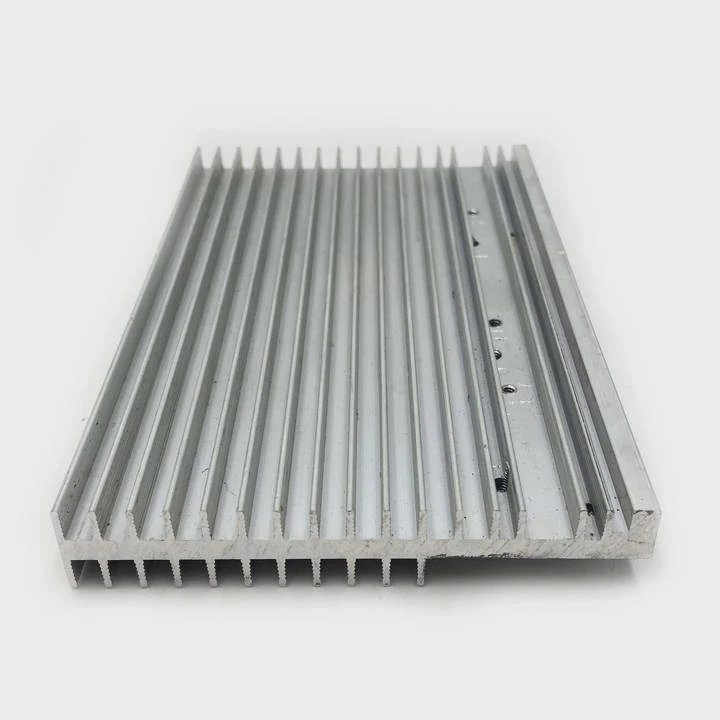
Step-by-step overview
Here’s a breakdown of the typical five-step sample process:
| Step | Description | Responsible Party |
|---|---|---|
| 1. Initial Request | Submit drawings, specs, usage scenarios | Buyer |
| 2. Technical Review | Feasibility check, thermal calculations | Engineering team |
| 3. Design Confirmation | Finalize specs, confirm materials and processes | Both |
| 4. Prototype Fabrication | CNC, welding, bonding, or casting | Supplier |
| 5. Sample Testing | Thermal and mechanical validation | Buyer or third-party lab |
Key considerations
- Design Format: 3D models in STEP or IGS are preferred.
- Specs Needed: Thermal targets, structural load, operating environment.
- Communication: Clear timeline expectations and flexibility in minor specs.
- Customization: Early-stage modular suggestions can reduce rework.
By preparing these items in advance, buyers streamline the process and reduce email back-and-forth. Some projects skip steps like a review meeting—this often leads to mismatches. Clear roles and fixed timelines are vital.
How long does each prototyping phase take?
Many buyers assume fast turnaround for samples. But misunderstandings around timelines often lead to frustration, especially when processes involve multiple iterations.
A full custom heat sink prototyping cycle takes 3 to 6 weeks, depending on design complexity, fabrication method, and testing scope.
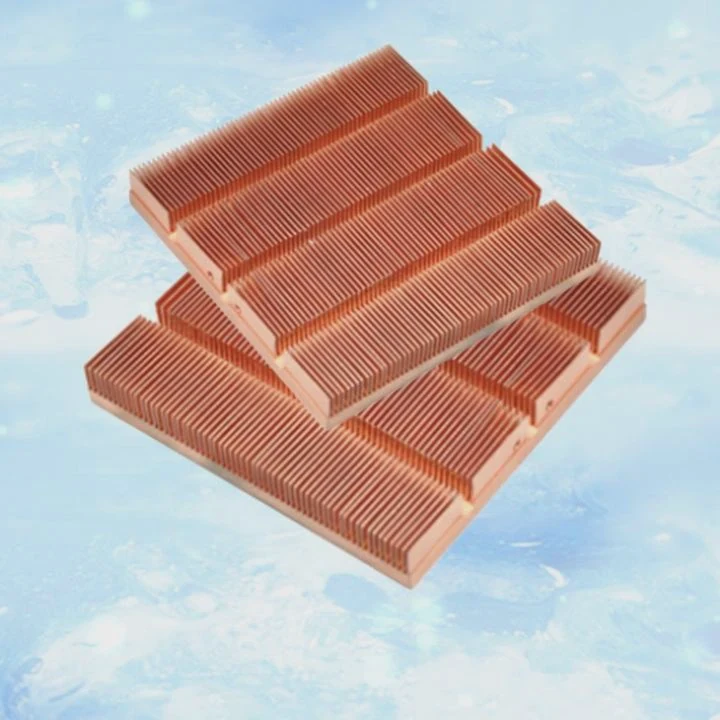
Typical prototyping timeline
| Phase | Timeline (Working Days) | Factors Affecting Speed |
|---|---|---|
| Design Review | 2–5 days | Number of revisions |
| Material Sourcing | 5–10 days | Exotic materials take longer |
| Machining & Fabrication | 7–15 days | Complexity, size, welding methods |
| Surface Treatment | 2–4 days | Anodizing, powder coating, etc. |
| Testing & Inspection | 3–5 days | Thermal performance tests |
| Shipping | 3–7 days | Destination and logistics partner |
Common causes of delays
- Missing technical drawings
- Incomplete thermal targets
- Unstable design inputs
- Holidays or factory downtimes
Delays can often be prevented by aligning all sample requirements upfront. Choosing suppliers with in-house machining and testing also reduces handover losses. When needed, samples can be prioritized for faster turnaround—but typically at a cost premium.
Can design changes be made mid-sample?
It’s tempting to tweak the design mid-way after seeing initial test results. But without a system, mid-sample changes can trigger cost overruns and delivery problems.
Yes, design changes are possible during prototyping, but only if frozen points are clearly defined early in the process.
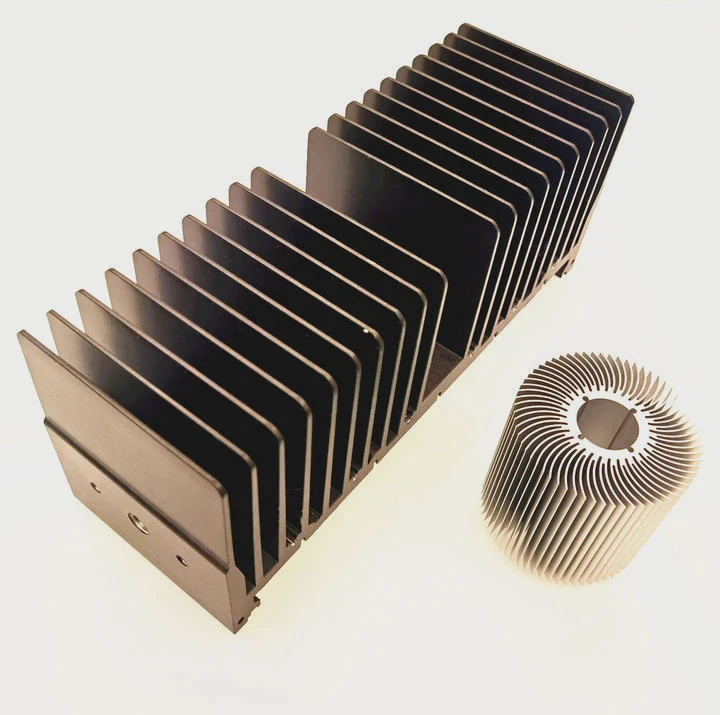
Frozen points and revision control
To manage changes without chaos, the process must have version tracking and communication protocols. Here’s how change handling is usually structured:
- Before Machining: All parameters can be revised.
- After Machining Begins: Only non-critical tweaks allowed.
- After Testing Begins: Only minor data tweaks or documentation edits.
Example control table
| Stage | Editable Elements | Not Editable |
|---|---|---|
| Design Draft | Geometry, materials | N/A |
| Post-Fabrication | Mounting holes, coating | Overall layout |
| Post-Testing | Documentation | Physical design |
Change management tips
- Use version control (e.g., V1.1, V1.2).
- Document all changes and reasons.
- Set a deadline for final changes.
By controlling when and how changes are made, both sides protect project timelines and cost expectations. Change requests without proper documentation often cause confusion later in volume production.
What feedback loop is used in sample approval?
Sometimes, after weeks of effort, a sample fails during testing or doesn’t fit the system. Without a structured feedback loop, these issues repeat.
The sample approval feedback loop includes test result sharing, design adjustment, technical validation, and final approval. Each step must be documented.
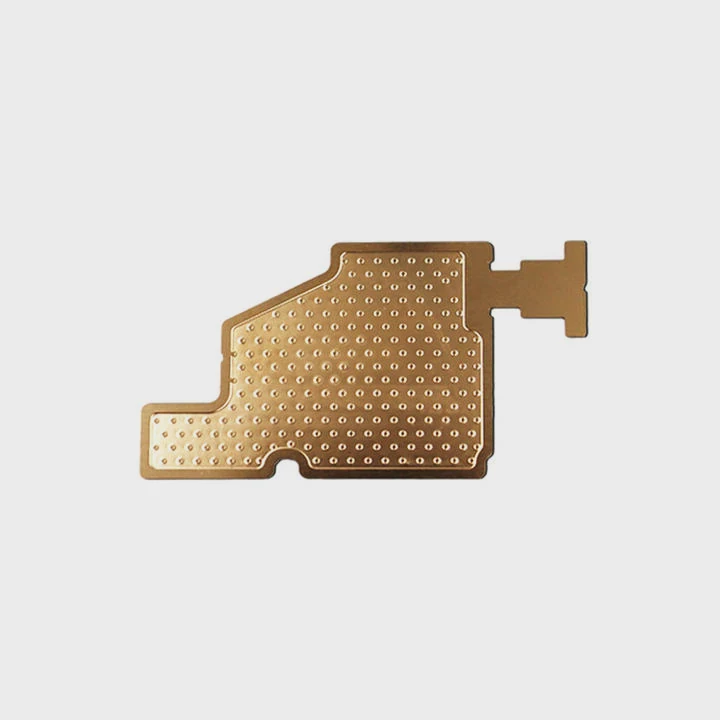
Structured feedback process
A good sample loop follows 4 key phases:
- Initial Testing
- Functionality and thermal performance validation
- Result Analysis
- Data sharing, failure diagnosis
- Design Review
- Joint review to modify or confirm parameters
- Final Approval
- Buyer signs off on functional and dimensional goals
Feedback tools and roles
| Tool | Purpose | Owner |
|---|---|---|
| Test Report | Documents all measured values | Supplier |
| Failure Map | Marks performance weak points | Engineering Team |
| Change Log | Tracks design evolution | Buyer/Supplier |
Sample-to-volume link
What’s approved in the sample stage must be documented to avoid later disputes. That’s why detailed logs and QC criteria are essential. A buyer should always validate not just fit, but repeatability across batches. If the prototype was CNC-machined but mass production will use casting, the gap must be bridged through pilot testing.
Conclusion
The custom heat sink sample process involves design clarity, timeline planning, controlled flexibility, and documented feedback. With the right structure, prototyping becomes smoother and more predictable.
TAGS
Latest Articles

Volume discount levels for heat sink orders?
Buyers often ask when heat sink prices start to drop with volume. Many worry they’re overpaying for small orders. This guide explains how B2B volume pricing works for thermal components. Heat sink
21 Dec,2025
Heat sink long-term supply contract options?
Many buyers want stable pricing and reliable delivery for heat sinks. But without a clear contract, risks grow over time. This article explores how to secure better long-term supply deals. Long-term
21 Dec,2025
Tooling cost for new heat sink profiles?
Many engineers struggle to understand why tooling for custom heat sinks costs so much. They worry about budgeting and production timelines. This article breaks down the cost drivers behind tooling.
21 Dec,2025
Heat sink custom sample process steps?
Sometimes, starting a custom heat sink project feels overwhelming—too many steps, too many unknowns, and too many risks. You want a sample, but not endless delays. The process for requesting and
20 Dec,2025
Standard B2B terms for heat sink payments?
When buyers and sellers in B2B heat sink markets talk about payment, many don’t fully understand what’s standard. This can lead to delayed orders, miscommunication, and even lost business
20 Dec,2025
Heat sink pricing factors for large orders?
Heat sinks are vital for many systems. When prices rise, projects stall and budgets break. This problem can hit teams hard without warning. Large order heat sink pricing depends on many factors. You
20 Dec,2025Related Articles
- Standard B2B terms for heat sink payments?
- Heat sink pricing factors for large orders?
- Prototype lead time for heat sink samples?
- Heat sink MOQ for custom extrusion orders?
- Conflict-mineral declarations for heat sink metals?
- International Safety Standards for Heat Sink?
- Heat Sink Environmental Compliance for EU Markets?
- UL Certification Options for Heat Sink Products?
- REACH document needs for heat sink?
- Tooling cost for new heat sink profiles?
- Heat sink long-term supply contract options?
- Volume discount levels for heat sink orders?
Author
Dr. Emily Chen
Chief AI Researcher
Leading expert in thermal dynamics and AI optimization with over 15 years of experience in data center efficiency research.
Categories
Latest Products






Recommend Categories
- Liquid cooling plate Manufacturer
- Industrial Heat Sink Manufacturer
- Standard Heat Sink Manufacturer
- Aluminum Heat Sink Manufacturer
- Copper Heat Sink Manufacturer
- Anodized Heatsink Manufacturer
- Stamping heat sink Manufacturer
- Die Casting Heatsink Manufacturer
- Soldering heat sink Manufacturer
- CNC Parts Manufacturer
Latest Products
- Wholesale Aluminum Radiator
- Water Cooling Plate Kit
- Water Cooling Heat Sink
- Water Cooling Heat Sink Kit
- Stainless Steel Water Distributor
- Server Water Cooling Plate Kit
- Server Liquid Cooling System
- Server Aluminum Cooling Kit
- S19 Full Cover Cooling Plate
- S19 Cooling Plate Kit
- S19 Aluminum Cooling Plate
Contact Expert
Have questions about this article? Reach out to our experts directly.