Tooling cost for new heat sink profiles?

Many engineers struggle to understand why tooling for custom heat sinks costs so much. They worry about budgeting and production timelines. This article breaks down the cost drivers behind tooling.
Tooling cost for custom heat sinks depends on profile complexity, die material, production volume, and precision needs. Complex shapes, tighter tolerances, and large sizes significantly raise the price.
Tooling costs can seem mysterious, especially for buyers unfamiliar with extrusion. Knowing the exact cost drivers helps teams make better sourcing decisions and avoid surprises in the prototyping phase.
What factors drive extrusion tooling cost?
Many believe that extrusion tooling is a simple upfront fee. But they quickly find that prices vary widely, even for similar-looking profiles.
Extrusion tooling cost is mainly influenced by die size, material quality, number of cavities, cooling channels, and required tolerances.
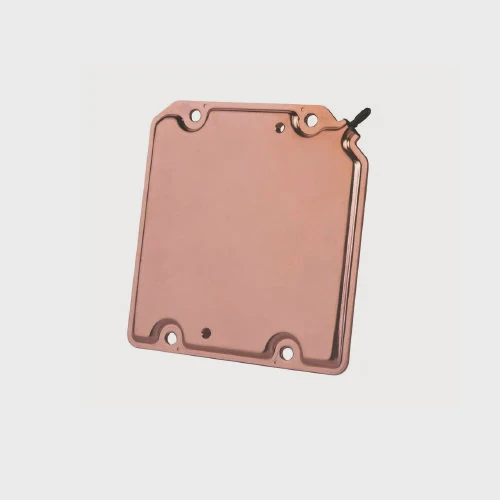
To understand why tooling costs vary, it’s useful to look at what goes into making a die. Dies are typically made from hardened steel and require CNC machining to meet specific thermal and dimensional standards.
Key Cost Drivers
| Factor | Description |
|---|---|
| Die Material | Hardened tool steel increases cost but ensures longer lifespan |
| Profile Size | Larger cross-sections need larger dies and higher-tonnage presses |
| Cavity Count | Multi-cavity dies require more complex design and precision machining |
| Tolerances | Tighter tolerances demand higher machining accuracy and post-processing |
| Surface Finish | Special finishes like anodizing or polishing require finer die preparation |
A simple flat fin heat sink die might cost \(500–\)800. But once you add complex fins or multiple layers, it easily reaches \(1,500–\)3,000. Dies that need multiple extrusion passes or integrate cooling fins for liquid loops can exceed $5,000.
Besides the die itself, manufacturers also charge for design time, test runs, and adjustments. This is especially true when custom features like interlocking tabs or mounting holes are added.
How volume affects price
The more parts you plan to extrude, the more likely it is that a manufacturer will amortize some of the tooling cost across your order. This is common in batch production over 10,000 units. For small runs, you’ll likely bear the full tooling cost upfront.
How do complex shapes increase tooling price?
Engineers often request custom extrusions with fine fins or interlocks. But these seemingly small design choices can drastically affect tooling prices.
Complex shapes increase tooling cost by requiring advanced die design, higher machining accuracy, longer test cycles, and sometimes multi-stage extrusion.
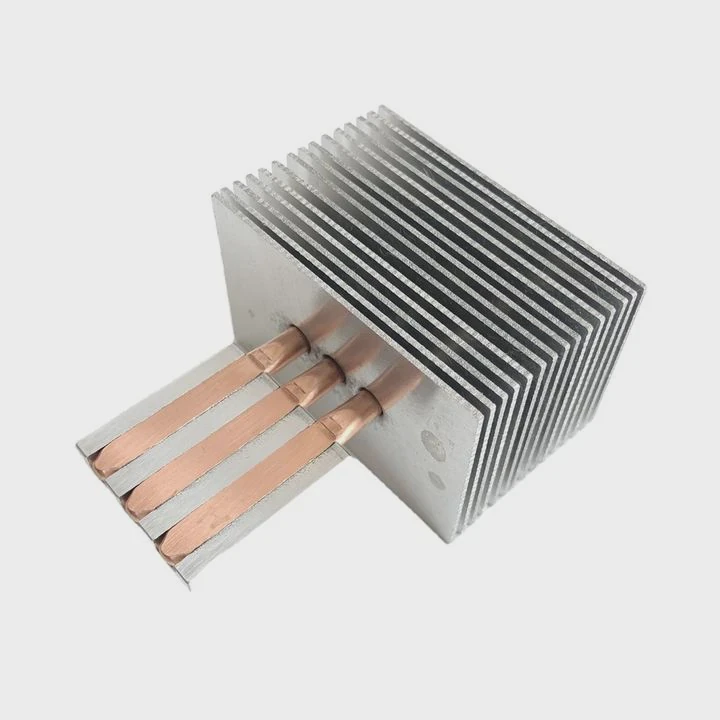
Why complexity drives up cost
- Machining Time: Intricate designs need more time to machine with higher precision tools.
- Die Strengthening: Thin or uneven walls require internal supports or special steel inserts in the die.
- Trial & Error: Complex profiles often need more trial extrusions to calibrate flow and reduce defects.
- Cooling Systems: Shapes with tight channels may need embedded cooling paths, adding another layer of complexity.
Here’s a simple comparison:
| Profile Type | Tooling Cost Estimate | Comments |
|---|---|---|
| Simple Rectangle | \(600–\)900 | Single cavity, low complexity |
| Finned Heat Sink | \(1,200–\)2,000 | Requires balanced metal flow and cooling |
| Interlocking Module | \(2,500–\)4,000 | High precision, often multi-stage extrusion |
| Micro Channel Profile | \(4,000–\)6,000 | Extreme tolerances, high machining demand |
Designing with cost in mind
To reduce tooling cost:
- Avoid unnecessary detail in cross-sections.
- Keep wall thickness consistent.
- Group similar profiles together if possible.
- Consider post-machining instead of complex extrusion for small features.
Complex profiles are sometimes unavoidable. But knowing how they affect tooling can help design teams make smarter tradeoffs between function and manufacturability.
Can tooling be reused across different profiles?
Some companies hope to reuse one die for several similar profiles to save money. While that seems logical, it often isn’t practical.
Most extrusion dies are custom-made for one specific profile. Minor changes often require a new die or expensive rework.
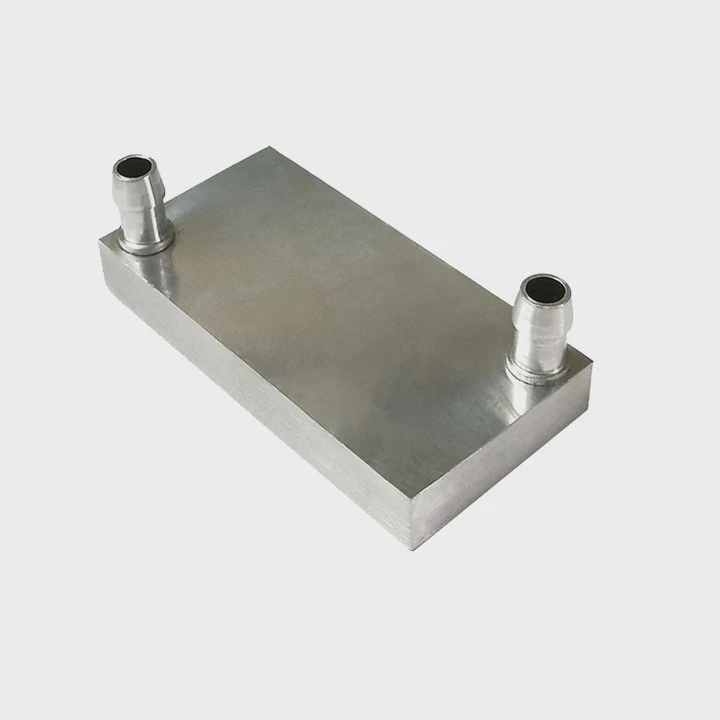
Why reuse is limited
Each extrusion die is made to a precise shape, flow rate, and metal temperature. Changing even a few millimeters in width or height shifts the pressure and flow dynamics inside the die.
Here’s when reuse might work:
- Profiles have identical cross-sections but differ only in length.
- Tolerance adjustments fall within acceptable ranges without die changes.
- Modular dies are pre-designed with removable inserts (rare and costly).
Common Misconceptions
“Can’t you just machine the die slightly?”
In theory yes, but this weakens the die and may cause flow issues.“The new profile is similar – won’t it fit?”
Even tiny differences can change the cooling or extrusion speed, affecting final quality.
When partial reuse works
Sometimes insert dies are used where interchangeable sections can be swapped. But these are expensive and only make sense for very high volumes or large product families.
In most cases, reuse is not a realistic way to cut costs. It’s better to simplify new designs and align them with existing proven geometries early in development.
Are tooling fees refundable under large orders?
Buyers often ask if tooling fees can be refunded or discounted with big orders. The answer is – it depends on the supplier and the order size.
Some suppliers refund tooling fees under large-volume contracts, while others amortize costs over multiple shipments or waive fees after a minimum order quantity.
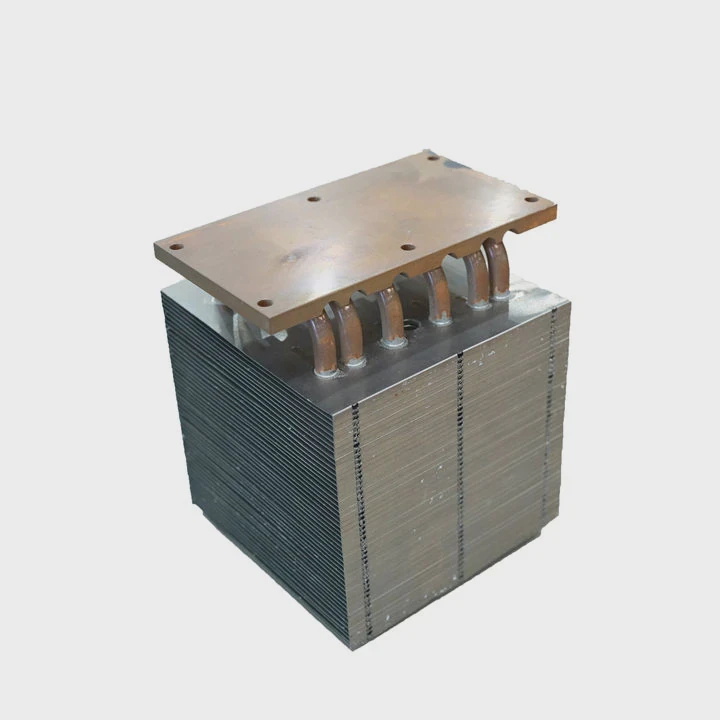
Common refund models
| Supplier Policy | Description |
|---|---|
| Full Refund Over MOQ | Tooling cost returned after reaching a minimum order quantity (e.g. 20,000 pcs) |
| Partial Credit Per Batch | Tooling cost spread across several shipments as a discount |
| No Refund, Discounted Unit | Tooling not refunded, but unit price includes part of the tooling |
| Waived with Contract | Tooling waived upfront with exclusive supply agreement |
These models vary based on:
- Expected yearly volume
- Product uniqueness
- Relationship with supplier
- Risk of future changes to the profile
What to confirm in advance
Before placing an order, always clarify:
- If tooling costs are refundable
- Under what conditions or volumes
- What happens if future revisions are needed
- If ownership of the die transfers to the buyer
Tooling can be a negotiation point. High-volume buyers often get more flexible terms, especially with long-term agreements. But small runs usually mean paying full cost upfront.
Conclusion
Tooling costs for heat sink profiles are shaped by design complexity, size, material, and volume. While options exist to reduce or recover some fees, most tooling is highly customized and non-transferable. Clear early communication with suppliers is the best way to manage expectations and avoid surprises.
TAGS
Latest Articles

Volume discount levels for heat sink orders?
Buyers often ask when heat sink prices start to drop with volume. Many worry they’re overpaying for small orders. This guide explains how B2B volume pricing works for thermal components. Heat sink
21 Dec,2025
Heat sink long-term supply contract options?
Many buyers want stable pricing and reliable delivery for heat sinks. But without a clear contract, risks grow over time. This article explores how to secure better long-term supply deals. Long-term
21 Dec,2025
Tooling cost for new heat sink profiles?
Many engineers struggle to understand why tooling for custom heat sinks costs so much. They worry about budgeting and production timelines. This article breaks down the cost drivers behind tooling.
21 Dec,2025
Heat sink custom sample process steps?
Sometimes, starting a custom heat sink project feels overwhelming—too many steps, too many unknowns, and too many risks. You want a sample, but not endless delays. The process for requesting and
20 Dec,2025
Standard B2B terms for heat sink payments?
When buyers and sellers in B2B heat sink markets talk about payment, many don’t fully understand what’s standard. This can lead to delayed orders, miscommunication, and even lost business
20 Dec,2025
Heat sink pricing factors for large orders?
Heat sinks are vital for many systems. When prices rise, projects stall and budgets break. This problem can hit teams hard without warning. Large order heat sink pricing depends on many factors. You
20 Dec,2025Related Articles
- Heat sink custom sample process steps?
- Standard B2B terms for heat sink payments?
- Heat sink pricing factors for large orders?
- Prototype lead time for heat sink samples?
- Heat sink MOQ for custom extrusion orders?
- Conflict-mineral declarations for heat sink metals?
- International Safety Standards for Heat Sink?
- Heat Sink Environmental Compliance for EU Markets?
- UL Certification Options for Heat Sink Products?
- REACH document needs for heat sink?
- Heat sink long-term supply contract options?
- Volume discount levels for heat sink orders?
Author
Dr. Emily Chen
Chief AI Researcher
Leading expert in thermal dynamics and AI optimization with over 15 years of experience in data center efficiency research.
Categories
Latest Products






Recommend Categories
- Liquid cooling plate Manufacturer
- Industrial Heat Sink Manufacturer
- Standard Heat Sink Manufacturer
- Aluminum Heat Sink Manufacturer
- Copper Heat Sink Manufacturer
- Anodized Heatsink Manufacturer
- Stamping heat sink Manufacturer
- Die Casting Heatsink Manufacturer
- Soldering heat sink Manufacturer
- CNC Parts Manufacturer
Latest Products
- Wholesale Aluminum Radiator
- Water Cooling Plate Kit
- Water Cooling Heat Sink
- Water Cooling Heat Sink Kit
- Stainless Steel Water Distributor
- Server Water Cooling Plate Kit
- Server Liquid Cooling System
- Server Aluminum Cooling Kit
- S19 Full Cover Cooling Plate
- S19 Cooling Plate Kit
- S19 Aluminum Cooling Plate
Contact Expert
Have questions about this article? Reach out to our experts directly.