Standard B2B terms for heat sink payments?

When buyers and sellers in B2B heat sink markets talk about payment, many don’t fully understand what’s standard. This can lead to delayed orders, miscommunication, and even lost business.
In the heat sink industry, standard B2B payment terms typically include net 30, 60, or 90 days, upfront deposits ranging from 30% to 50%, and credit limits based on buyer history.
Understanding how payment terms work helps both sides reduce risk and build trust. Let’s explore the most common terms, what varies by region, and how to handle financial risk the right way.
What are common net payment terms in B2B?
Many buyers want flexibility. Many sellers want security. This tug-of-war shapes most payment terms in global B2B heat sink sales.
Common B2B net terms include Net 30, Net 60, and Net 90. In high-risk markets or for new buyers, shorter terms like Net 15 or full upfront payment may apply.
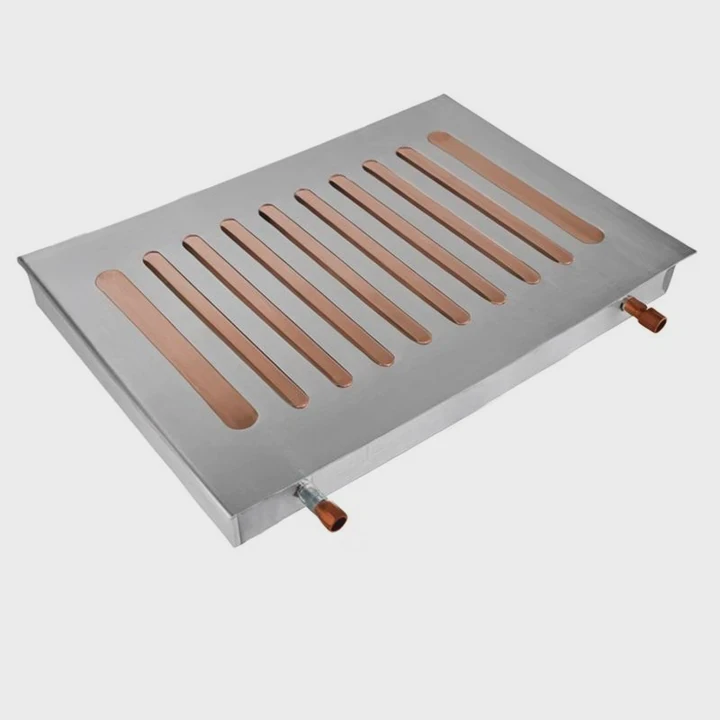
What “Net” Means
“Net” refers to the number of days a buyer has to pay after the invoice is issued. So, Net 30 means payment is due 30 days after billing. These terms help manage cash flow for both sides.
Standard Practices by Order Type
| Order Type | Common Net Terms | Notes |
|---|---|---|
| Small sample orders | Full upfront | Due to high cost-to-volume ratio |
| First-time bulk orders | 30%-50% deposit + Net 30 | Based on risk assessment |
| Repeat orders | Net 30 or Net 60 | Based on history and volume |
| Large OEM contracts | Net 60 or Net 90 | With formal agreement and PO |
In heat sink manufacturing, the more frequent and reliable the buyer, the longer the credit period can be. However, most new relationships start conservatively.
Why Net 60 and Net 90 Are Rare for Small Buyers
For small or new companies, long net terms are risky for suppliers. That’s because raw material prices fluctuate. Suppliers can’t wait too long to recover costs. So they shorten payment terms until trust is built.
How do upfront deposits vary by region?
Not all buyers pay deposits the same way. Geography, industry norms, and banking systems play a big role in what’s considered “standard.”
Upfront deposits usually range between 30% to 50% globally. In Asia, 50% is common. In Europe and the U.S., 30% is more standard unless tooling is involved.
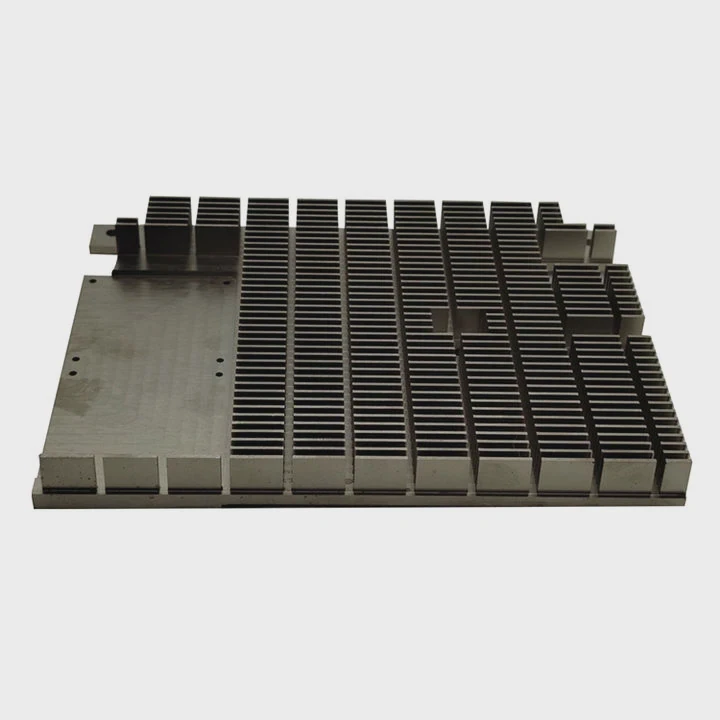
Regional Comparison of Deposit Norms
| Region | Typical Deposit | Notes |
|---|---|---|
| Asia (China, Japan, Korea) | 50% | High focus on protecting factory cash flow |
| North America | 30%-40% | Negotiable, based on trust and order value |
| Europe | 30% | Buyers expect structured contracts |
| Middle East | 50% | Often with full letter of credit for security |
Why These Differences Exist
In Asia, factories often pre-pay for aluminum billets or CNC tooling. So they request higher deposits. In contrast, U.S. and European buyers operate on credit-based systems and long-term partnerships, so smaller deposits are common.
For first-time buyers, especially in high-precision sectors like medical or aerospace, suppliers may ask for 100% tooling fee upfront, with the rest based on sample approval.
Can credit limits apply to new heat sink buyers?
When a new customer comes in with a large order, should they get the same terms as an old customer? Probably not. That’s where credit limits come in.
Yes, credit limits are used to cap financial exposure. New buyers typically start with smaller limits, increasing with payment history and order volume.
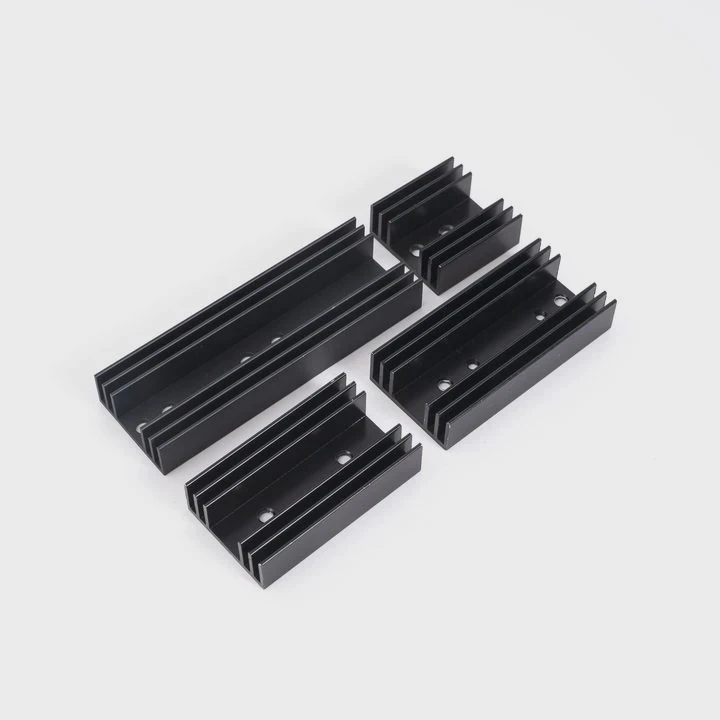
How Credit Limits Work
Credit limits are internal policies that define the maximum unpaid balance a buyer can have at any time. For example, a customer may have a credit limit of \(20,000. If they already have \)18,000 in unpaid invoices, a new $5,000 order might require a deposit or hold.
Factors That Define Credit Limits
- Buyer history – Have they paid on time before?
- Company size – Bigger firms often get bigger limits.
- Project risk – Is the product standard or highly customized?
- Market conditions – In downturns, limits get tighter.
A Real Example
A European rail system integrator placing its first heat sink order may get a credit cap of €15,000. After three on-time payments, this may increase to €50,000. Credit insurance companies also support this process by offering risk analysis reports.
What risks do sellers face with long payment terms?
Long payment terms sound good to buyers. But they come with hidden risks for suppliers. If not managed well, these risks can crush cash flow.
Sellers face risks like late payments, currency loss, order cancellation, and exposure to buyer bankruptcy when offering long payment terms.
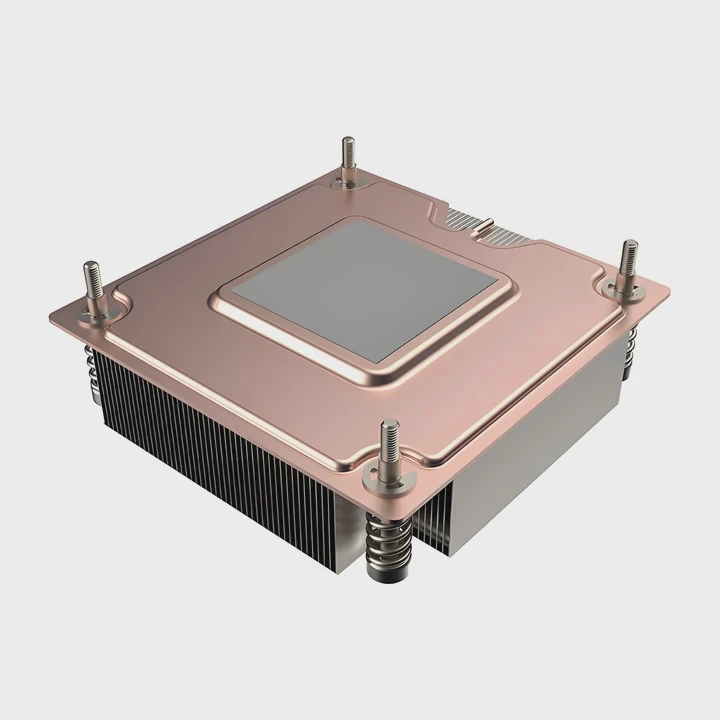
Key Risks Explained
1. Late Payments
Delays hurt supplier cash flow. If materials were bought on credit, late buyer payments can trigger penalties or damage credit ratings.
2. FX Risk
For export orders, currency values can change over 60 or 90 days. A weak dollar or euro during that time can shrink profit margins drastically.
3. Order Cancellation
If the buyer cancels after production starts but before payment, the seller bears full inventory risk. This is worse with customized heat sink modules that can’t be resold easily.
4. Buyer Insolvency
If the buyer goes bankrupt, even a signed PO or contract may not recover funds. This is why many suppliers run credit checks or buy credit insurance.
How Sellers Protect Themselves
- Use partial payment schedules (30%–40% at start, balance before shipment).
- Offer net terms only after 2–3 successful orders.
- Lock exchange rates using bank tools or include fluctuation clauses.
- Secure export insurance or use factoring in high-risk regions.
Conclusion
Understanding standard B2B payment terms for heat sinks is more than accounting. It’s risk control, trust building, and long-term planning. Every region and buyer is different, so terms must match the project and the people behind it.
TAGS
Latest Articles

Volume discount levels for heat sink orders?
Buyers often ask when heat sink prices start to drop with volume. Many worry they’re overpaying for small orders. This guide explains how B2B volume pricing works for thermal components. Heat sink
21 Dec,2025
Heat sink long-term supply contract options?
Many buyers want stable pricing and reliable delivery for heat sinks. But without a clear contract, risks grow over time. This article explores how to secure better long-term supply deals. Long-term
21 Dec,2025
Tooling cost for new heat sink profiles?
Many engineers struggle to understand why tooling for custom heat sinks costs so much. They worry about budgeting and production timelines. This article breaks down the cost drivers behind tooling.
21 Dec,2025
Heat sink custom sample process steps?
Sometimes, starting a custom heat sink project feels overwhelming—too many steps, too many unknowns, and too many risks. You want a sample, but not endless delays. The process for requesting and
20 Dec,2025
Standard B2B terms for heat sink payments?
When buyers and sellers in B2B heat sink markets talk about payment, many don’t fully understand what’s standard. This can lead to delayed orders, miscommunication, and even lost business
20 Dec,2025
Heat sink pricing factors for large orders?
Heat sinks are vital for many systems. When prices rise, projects stall and budgets break. This problem can hit teams hard without warning. Large order heat sink pricing depends on many factors. You
20 Dec,2025Related Articles
- Heat sink pricing factors for large orders?
- Prototype lead time for heat sink samples?
- Heat sink MOQ for custom extrusion orders?
- Conflict-mineral declarations for heat sink metals?
- International Safety Standards for Heat Sink?
- Heat Sink Environmental Compliance for EU Markets?
- UL Certification Options for Heat Sink Products?
- REACH document needs for heat sink?
- Heat sink custom sample process steps?
- Tooling cost for new heat sink profiles?
- Heat sink long-term supply contract options?
- Volume discount levels for heat sink orders?
Author
Dr. Emily Chen
Chief AI Researcher
Leading expert in thermal dynamics and AI optimization with over 15 years of experience in data center efficiency research.
Categories
Latest Products






Recommend Categories
- Liquid cooling plate Manufacturer
- Industrial Heat Sink Manufacturer
- Standard Heat Sink Manufacturer
- Aluminum Heat Sink Manufacturer
- Copper Heat Sink Manufacturer
- Anodized Heatsink Manufacturer
- Stamping heat sink Manufacturer
- Die Casting Heatsink Manufacturer
- Soldering heat sink Manufacturer
- CNC Parts Manufacturer
Latest Products
- Wholesale Aluminum Radiator
- Water Cooling Plate Kit
- Water Cooling Heat Sink
- Water Cooling Heat Sink Kit
- Stainless Steel Water Distributor
- Server Water Cooling Plate Kit
- Server Liquid Cooling System
- Server Aluminum Cooling Kit
- S19 Full Cover Cooling Plate
- S19 Cooling Plate Kit
- S19 Aluminum Cooling Plate
Contact Expert
Have questions about this article? Reach out to our experts directly.