Heat sink pricing factors for large orders?

Heat sinks are vital for many systems. When prices rise, projects stall and budgets break. This problem can hit teams hard without warning.
Large order heat sink pricing depends on many factors. You need to know the top drivers so you can plan and negotiate better.
Understanding pricing leads to better orders, better cost control, and clearer supplier talks.
What affects bulk heat sink pricing the most?
Heat sink pricing for large orders is not simple. Many parts of the process affect the final cost. If you do not know these, you may pay more than necessary. The goal here is to explain the key factors so you can make better decisions when planning large orders.
The biggest factors are material choice, machining complexity, volume breaks, and supplier location. These each shift price in significant ways.
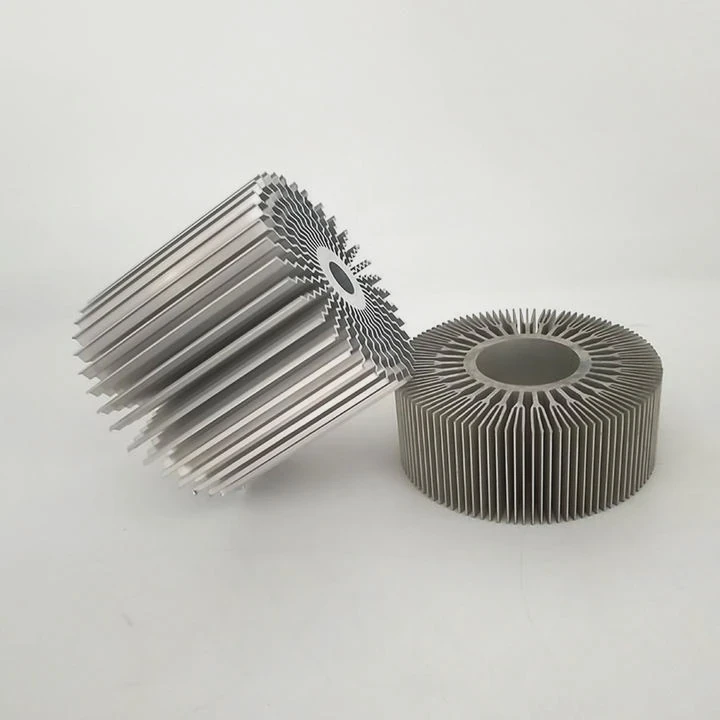
Heat sinks are not all the same. Some are simple plates. Others have complex fins, cut-outs, or internal channels. When you order 1 unit, pricing is different than when you order 10,000 units. In bulk, pricing depends on predictable and repeatable production. This changes the value of design, material, tooling, machines, labor, and lead time.
Material and shape
What the heat sink is made from defines the base cost. Aluminum is cheaper than copper. Higher grade alloys cost more. Complex shapes need longer cutting time which adds labor and machine costs. Designs with many fins or intricate patterns take more time and more skilled work.
Setup and tooling
Large orders often need custom tooling and fixtures. These tools cost upfront money. When volume goes up, the tooling cost spreads out over more parts. This lowers the per part cost. But high tooling cost still matters for orders that are not huge. If you have 10,000 units versus 100,000 units, the price per part changes a lot.
Labor and machining time
Even in large batch runs, some machining tasks are still labor-intensive. CNC milling, drilling, tapping, and surface finishing all take time. More time equals more cost. If design is simpler, machines finish jobs faster, and labor cost falls.
Quality and testing
Large orders often need quality checks at scale. Testing each part adds time and labor. Certified inspections, measurement reports, and performance testing all raise cost. Some orders require extra documentation like FAI (first article inspection). These are valuable, but also add price.
Supplier pricing strategy
Different suppliers have different cost structures. Some are low cost with fast turn, others specialize in precision. Your choice affects pricing a lot. It is not uncommon for two suppliers to quote quite different for the same parts.
Summary of main pricing drivers
| Factor | Description |
|---|---|
| Material | Cost of raw aluminum, copper, alloys |
| Machining complexity | Cutting time and precision requirements |
| Volume | Batch size and tooling amortization |
| Labor | Skilled work hours required |
| Testing & quality | Inspection, documentation, tracking |
| Supplier region | Labor rate differences, factory costs |
By knowing these drivers, you can talk with suppliers more clearly. You can also set realistic budgets.
How do material costs scale with volume?
Material cost is often the largest part of a heat sink price. With large orders, material cost behaves differently than labor or tooling cost. Material cost scales mostly with the weight and type of metal you choose.
In large volume orders, material cost per unit becomes predictable, but alloy choice and scrap play key roles in total cost.
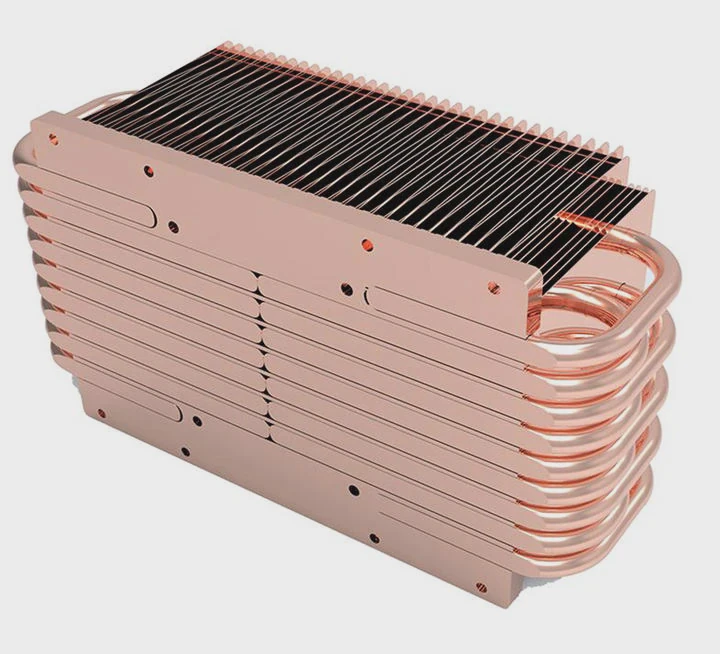
When you order heat sinks in large numbers, the raw material cost becomes a stable baseline. Still, the alloy type, market metal prices, and waste from cutting all change the final number. Below we break these parts down so you see how each contributes.
Base material pricing per kg
Heat sinks are heavy compared to many components. The base metal weight adds up in big orders. If you choose aluminum, cost per kilogram is lower than copper. But aluminum has lower thermal conductivity than copper. So designers must balance cost vs. performance.
Large orders often get discounted prices on raw materials because suppliers buy metal ingots in bulk. This reduces cost per kg compared to small orders. Still, metal market prices fluctuate. If the price of aluminum goes up suddenly, your order cost may jump even if volume stays the same.
Scrap and yield loss
When you cut parts from raw plates or billets, some material becomes scrap. In large runs, even a small percentage of scrap adds significant cost. Efficient nesting of parts and optimized cutting paths help reduce waste. But every design still has some yield loss.
Price stability at scale
At very high volumes, material cost per part becomes stable because large purchases of metal lock in prices. Some suppliers use forward contracts to fix metal price for months. This protects you from sudden price swings. But if you buy smaller lots, your material cost per part may vary more.
Material table example
| Material | Typical thermal conductivity | Relative cost (low to high) |
|---|---|---|
| Aluminum 6061 | ~170 W/m·K | Low |
| Aluminum 6063 | ~200 W/m·K | Low-Mid |
| Copper (C110) | ~385 W/m·K | High |
You can see copper costs more but conducts heat better. Choosing material depends on performance needs. In large orders, upgrading material can add up fast, so plan carefully.
Volume discounts
Material suppliers give bulk discounts. When your order size is very large, buying raw metal at discounted rates can make a big difference. If your supplier buys a full truckload of aluminum instead of small pallets, your cost per kg drops. These savings transfer to your heat sink pricing.
How design affects material cost
Design influences how much metal you use. A thick, dense heat sink uses more metal and costs more. A lighter design uses less, but may not meet thermal needs. Good design optimizes performance while controlling material use. For example, a fin structure with thin walls can improve performance while reducing weight.
In conclusion, material cost scales with volume mainly by reducing per unit cost at higher quantities, stabilizing bulk metal prices, and lowering scrap rates through efficient planning. Still, the choice of alloy, scrap percentage, and metal market changes all affect the final pricing.
Can production location change price structure?
Production location has major impact on pricing. Labor costs, energy costs, shipping, and local taxes vary by country. When you choose where parts are made, you choose a cost structure. It matters a lot for large orders because small differences multiply over thousands of units.
Yes, production location can change pricing a lot. Regions with low labor and efficient supply chains often cost less, but quality and lead time can vary.
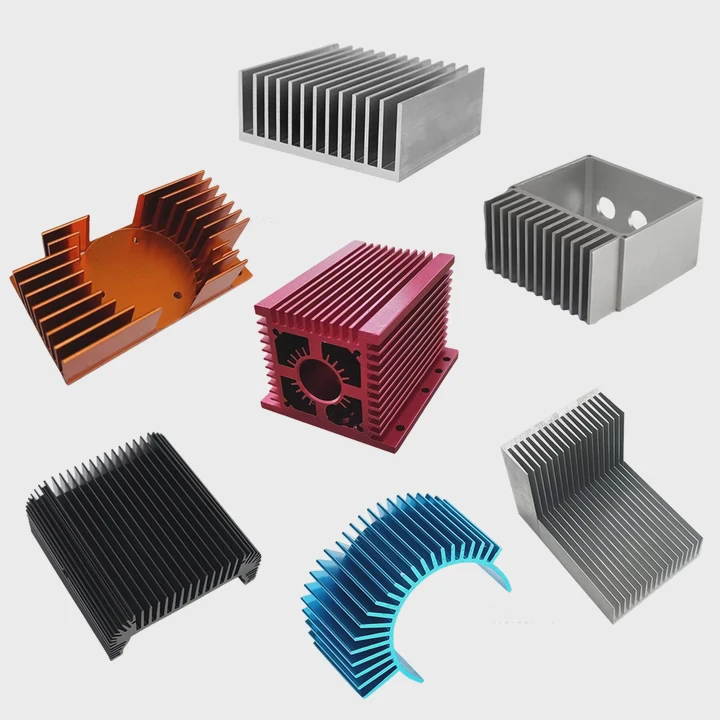
Production location affects cost through many channels. Moving production to a low labor cost area usually lowers price. But you must also consider quality control, communication overhead, and logistics.
Labor and overhead
In countries with low labor cost, basic machining and assembly cost less. For large orders, this means lower total labor cost. But not all labor cost savings are equal. Skilled labor for precision parts may still cost more in some locations.
Overhead includes factory utilities, taxes, regulatory compliance, and local logistics. Some regions offer tax breaks for manufacturing. These can reduce overall cost. Others have high energy prices or strict environmental rules, raising cost.
Shipping and logistics
Location affects shipping cost and lead time. If production is far from your final assembly plant, you pay more for sea or air freight. Large orders often ship by sea to save cost, but this adds weeks to lead time. If you need parts quickly, you may choose a closer factory with higher unit cost but lower transport cost.
Regional supply chain
Some areas have deep supply chains nearby. For example, a region with many metal suppliers and machining shops can source raw plate and machining services quickly. This lowers transport and lead times for raw material and subcomponents. If parts need finishing like anodizing or plating, local access to those services cuts cost and time.
Political and economic factors
Tariffs, trade agreements, and currency values all matter. If your country charges high tariffs on imported parts, your landed cost goes up. Trade agreements can reduce or remove tariffs. Currency strength affects price too. If the supplier’s currency weakens, your cost per unit effectively drops.
Quality standards and costs
Some regions have stricter enforcement of quality and environmental rules. This can raise the cost of compliance but often leads to more reliable products. Lower cost regions may lack advanced inspection or quality management systems. You may pay less upfront but spend more on rework or quality monitoring.
Production location comparison
| Region | Labor cost | Lead time | Quality control |
|---|---|---|---|
| East Asia | Medium-Low | Medium-High | High |
| Eastern Europe | Medium | Medium | Medium-High |
| North America | High | Low | High |
| Southeast Asia | Low | Medium | Medium |
This table shows general trends. It is simplified. Real costs depend on specific countries and factories. But you can see how location shifts cost structure.
In summary, production location changes pricing through labor cost, overhead, logistics, and quality enforcement. For large orders, these effects multiply with volume. Choosing production location wisely is essential to balancing cost and quality.
Are finishing options significant cost drivers?
Finishing options like anodizing, polishing, and coating add cost. For heat sinks, finishing is not just cosmetic. It can change thermal performance, corrosion resistance, and mechanical properties. When you order heat sinks in large batches, finishing options can be a big price driver.
Yes, finishing choices add meaningful cost. Some finishes need extra steps, chemical baths, and inspection which raise the unit price significantly.
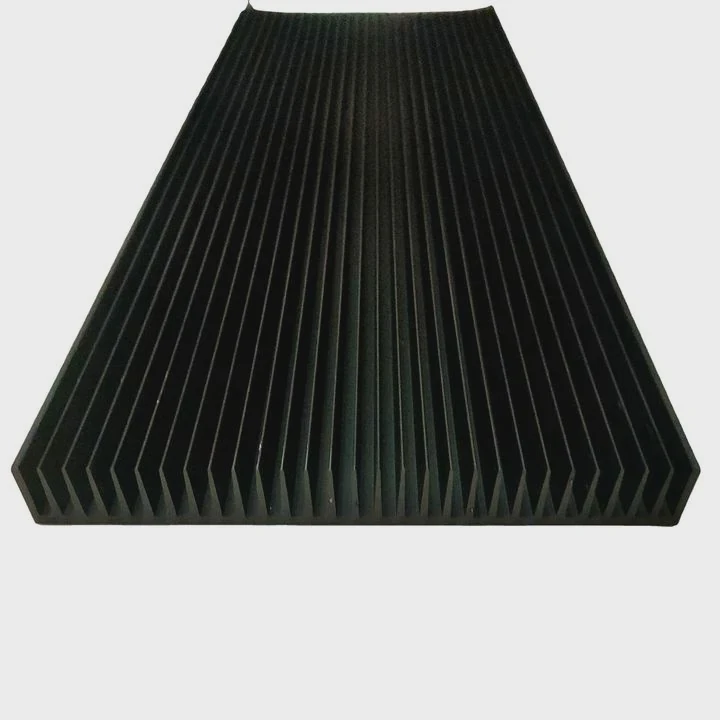
In large orders, finishing costs add up quickly. Each part must go through extra steps after machining. These steps require machines, chemicals, and labor. In bulk, finishing also adds handling time and quality checks. Below we go deeper into finishes and how they affect price.
Common finishing options
| Finish | Purpose | Cost impact |
|---|---|---|
| Anodizing | Improve corrosion resistance and color | Medium |
| Powder coating | Tough colored surface | Medium-High |
| Polishing | Smooth and shiny surface | High |
| Bead blasting | Matte texture | Low-Medium |
| Passivation | Prevent corrosion for some alloys | Low-Medium |
Each finish comes with a different price impact. Some finishes like simple bead blasting are fast and not expensive. Others like polishing or complex coatings require more time and skill. In large orders, this means more labor hours multiplied by quantity.
Why finishes cost more
Finishing is an extra step beyond machining. Here are common reasons cost goes up:
- Extra handling: Parts must move from CNC to finishing line.
- Chemical baths: Some finishes like anodizing use controlled chemicals. These must be handled safely, adding cost.
- Drying and curing: Powder coat finishes need time in ovens.
- Inspection: Finished surfaces must be checked for defects.
Each step adds labor and machine time. When you order 50,000 parts, these costs multiply.
Performance benefits vs cost
Some finishes add functional value. Anodizing creates a hard oxide layer which resists wear and corrosion. Powder coating adds durable color and corrosion protection. Polishing can improve thermal contact in some assemblies.
In some designs, finishes affect thermal performance. For example, dark anodized surfaces emit heat better in convection cooling. But the extra cost must be justified by the performance gain.
Bulk finishing cost behavior
In bulk orders, finishing costs per part usually drop because of batch processing. If a shop processes 10,000 parts at once, setup cost spreads over many units. Still, finishing can remain a large fraction of unit cost because it is labor and machine intensive.
Choosing finishes wisely
When planning large orders, consider these questions:
- Do you need the finish for function or for looks?
- Can a cheaper finish meet performance requirements?
- Does the finish add corrosion resistance needed for your environment?
By answering these, you can avoid paying for finishes that do not add value.
In summary, finishing options are significant cost drivers especially in large orders. The choice of finish affects labor, machines, and time. When you plan bulk production, include finishing costs early so they do not surprise you later.
Conclusion
Heat sink pricing for large orders depends on material, design complexity, tooling, production location, and finishing. Understanding these factors helps you plan budgets, negotiate with suppliers, and meet performance goals without hidden costs.
TAGS
Latest Articles

Volume discount levels for heat sink orders?
Buyers often ask when heat sink prices start to drop with volume. Many worry they’re overpaying for small orders. This guide explains how B2B volume pricing works for thermal components. Heat sink
21 Dec,2025
Heat sink long-term supply contract options?
Many buyers want stable pricing and reliable delivery for heat sinks. But without a clear contract, risks grow over time. This article explores how to secure better long-term supply deals. Long-term
21 Dec,2025
Tooling cost for new heat sink profiles?
Many engineers struggle to understand why tooling for custom heat sinks costs so much. They worry about budgeting and production timelines. This article breaks down the cost drivers behind tooling.
21 Dec,2025
Heat sink custom sample process steps?
Sometimes, starting a custom heat sink project feels overwhelming—too many steps, too many unknowns, and too many risks. You want a sample, but not endless delays. The process for requesting and
20 Dec,2025
Standard B2B terms for heat sink payments?
When buyers and sellers in B2B heat sink markets talk about payment, many don’t fully understand what’s standard. This can lead to delayed orders, miscommunication, and even lost business
20 Dec,2025
Heat sink pricing factors for large orders?
Heat sinks are vital for many systems. When prices rise, projects stall and budgets break. This problem can hit teams hard without warning. Large order heat sink pricing depends on many factors. You
20 Dec,2025Related Articles
- Prototype lead time for heat sink samples?
- Heat sink MOQ for custom extrusion orders?
- Conflict-mineral declarations for heat sink metals?
- International Safety Standards for Heat Sink?
- Heat Sink Environmental Compliance for EU Markets?
- UL Certification Options for Heat Sink Products?
- REACH document needs for heat sink?
- Standard B2B terms for heat sink payments?
- Heat sink custom sample process steps?
- Tooling cost for new heat sink profiles?
- Heat sink long-term supply contract options?
- Volume discount levels for heat sink orders?
Author
Dr. Emily Chen
Chief AI Researcher
Leading expert in thermal dynamics and AI optimization with over 15 years of experience in data center efficiency research.
Categories
Latest Products






Recommend Categories
- Liquid cooling plate Manufacturer
- Industrial Heat Sink Manufacturer
- Standard Heat Sink Manufacturer
- Aluminum Heat Sink Manufacturer
- Copper Heat Sink Manufacturer
- Anodized Heatsink Manufacturer
- Stamping heat sink Manufacturer
- Die Casting Heatsink Manufacturer
- Soldering heat sink Manufacturer
- CNC Parts Manufacturer
Latest Products
- Wholesale Aluminum Radiator
- Water Cooling Plate Kit
- Water Cooling Heat Sink
- Water Cooling Heat Sink Kit
- Stainless Steel Water Distributor
- Server Water Cooling Plate Kit
- Server Liquid Cooling System
- Server Aluminum Cooling Kit
- S19 Full Cover Cooling Plate
- S19 Cooling Plate Kit
- S19 Aluminum Cooling Plate
Contact Expert
Have questions about this article? Reach out to our experts directly.