What is a liquid-cooled generator?
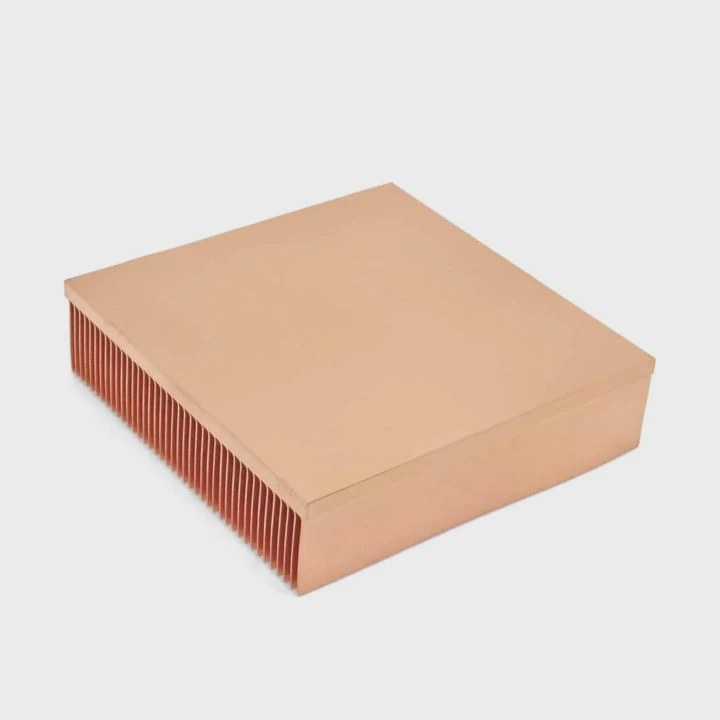
When power demand surges, keeping generators cool becomes the key to stable performance. Overheating shortens life and causes costly downtime, especially in continuous or heavy-duty applications.
A liquid-cooled generator uses a circulating coolant—usually a mixture of water and antifreeze—to absorb and remove heat from the engine, keeping it within an optimal temperature range.
Compared with air-cooled designs, liquid cooling offers superior thermal control, quieter operation, and higher efficiency. When I first switched to liquid-cooled models for industrial systems, I was amazed by how much smoother and quieter they ran—even under heavy load.
Liquid cooling transforms the way generators handle temperature stress, enabling longer operating cycles and improved reliability, especially in high-temperature or enclosed environments.
How does a liquid-cooled generator work?
At first glance, a generator seems simple—a motor spinning to produce power. But behind the noise and rotation lies a precise thermal control system ensuring nothing overheats.
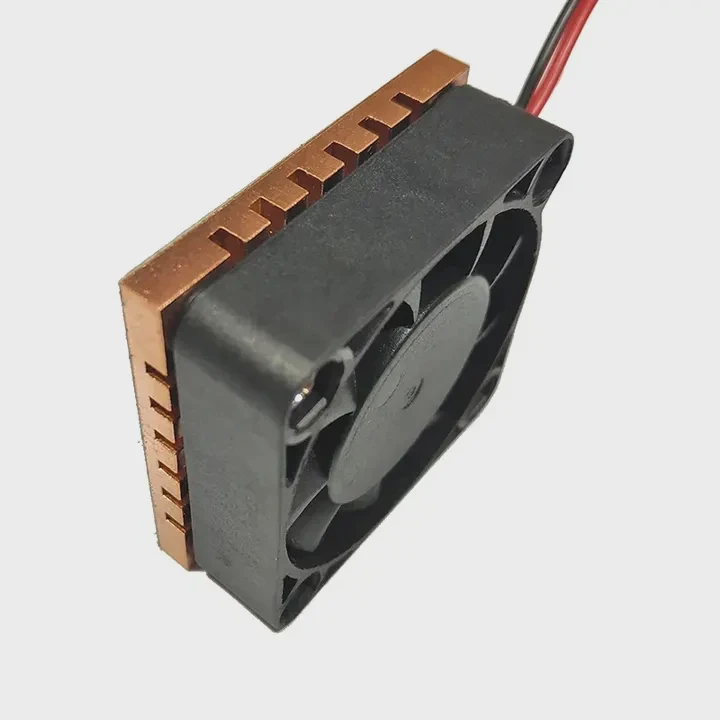
A liquid-cooled generator works by circulating coolant through a closed-loop system that absorbs engine heat and releases it through a radiator.
Step-by-step Process
| Step | Description | Key Component |
|---|---|---|
| 1. Coolant Circulation | A water pump pushes coolant through the engine block and cylinder head. | Water Pump |
| 2. Heat Absorption | The coolant absorbs heat from metal surfaces as the engine runs. | Engine Jacket |
| 3. Heat Transfer | The hot coolant moves toward the radiator. | Hoses and Pipes |
| 4. Heat Release | The radiator transfers heat from the coolant to the outside air using fins and fans. | Radiator |
| 5. Temperature Control | A thermostat regulates flow, maintaining consistent engine temperature. | Thermostat |
Inside the System
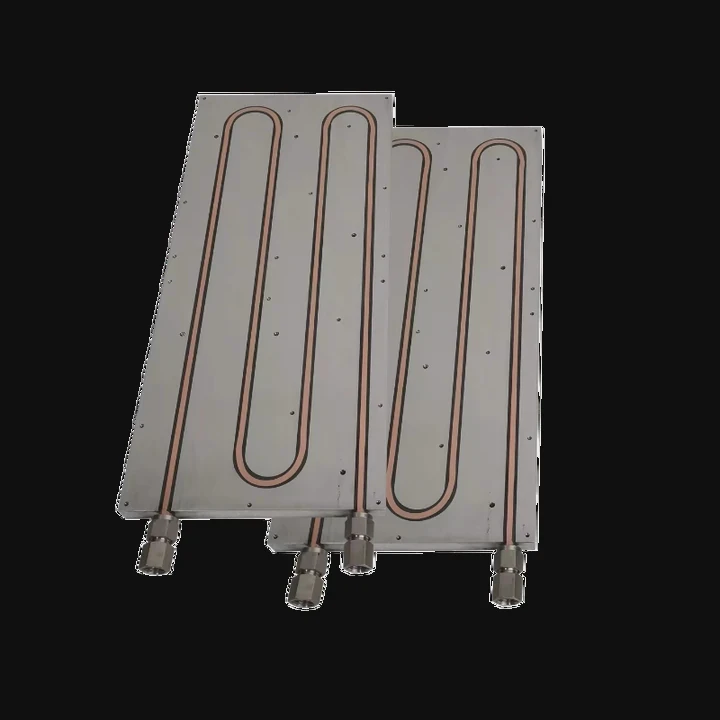
The coolant, often a 50⁄50 mix of water and ethylene glycol, travels through aluminum or copper channels inside the generator block. As it absorbs heat, its temperature rises, triggering the thermostat to open. The heated fluid then flows into a radiator, where airflow removes the absorbed heat before the liquid returns to the engine.
To improve efficiency, many modern generators also include:
- Electric cooling fans for consistent airflow.
- Expansion tanks to manage pressure and prevent coolant loss.
- Temperature sensors linked to automatic shutdown systems.
I once worked on a 100 kVA generator that ran in a tropical region where ambient temperatures reached 45 °C. Without liquid cooling, the engine would overheat within minutes. But the liquid-cooled setup ran 24 hours a day, with the temperature staying perfectly stable—proof of how powerful a closed cooling system can be.
What are its advantages over air-cooled ones?
Many buyers ask whether liquid cooling is worth the extra cost. After years of working with both systems, I can say the difference is more than noticeable—it’s transformative.
Liquid-cooled generators outperform air-cooled ones in efficiency, durability, noise, and temperature control, especially under continuous or heavy loads.
Key Advantages
| Feature | Air-Cooled | Liquid-Cooled | Difference |
|---|---|---|---|
| Cooling Efficiency | Moderate | Excellent | Handles heavy loads better |
| Noise Level | Loud | Quiet | Fan and fluid dampen noise |
| Durability | Limited | Long-lasting | Better protection from overheating |
| Maintenance | Low | Moderate | Requires coolant checks |
| Size & Cost | Compact, cheap | Larger, pricier | More robust performance |
Why Liquid Cooling Wins
Superior Heat Dissipation
Liquids have higher thermal conductivity than air. That means they can carry away heat faster and more evenly, avoiding hot spots inside the engine.Quiet Operation
Because cooling fans in liquid systems run slower and more smoothly, the overall sound level is much lower. This matters in hospitals, residential zones, and data centers where noise is a concern.Longer Lifespan
Stable operating temperatures reduce engine wear, preventing metal expansion and contraction cycles that fatigue components over time.Stable Power Output
A cooler engine produces more consistent voltage and frequency. For sensitive electronics or medical devices, this stability is essential.All-Weather Reliability
In cold climates, antifreeze coolant prevents freezing, while in hot conditions, it prevents overheating—something air systems struggle to balance.
When I installed a liquid-cooled generator for a client in northern Europe, the difference in winter startup reliability was dramatic. Even at –20 °C, the engine started smoothly because the coolant kept the system ready to run, unlike the air-cooled units that struggled in the cold.
Ideal Applications
Liquid-cooled generators are best for:
- Continuous power systems (factories, hospitals, data centers)
- High-output units (above 20 kW)
- Enclosed or soundproof installations
- Extreme climate zones
In short, when reliability and endurance matter more than initial cost, liquid cooling always pays off.
How to maintain liquid-cooled generators?
A liquid cooling system requires attention. It’s not difficult, but neglect can lead to major damage. Think of it like maintaining the cooling system in a car—simple steps prevent expensive repairs.
To maintain a liquid-cooled generator, regularly check coolant levels, inspect hoses and radiator, clean debris, and replace coolant at recommended intervals.
Basic Maintenance Schedule
| Task | Frequency | Purpose |
|---|---|---|
| Check coolant level | Weekly | Prevents overheating due to low fluid |
| Inspect hoses and clamps | Monthly | Avoids leaks and pressure loss |
| Clean radiator fins | Monthly | Improves airflow and efficiency |
| Replace coolant | Every 1–2 years | Maintains corrosion protection |
| Inspect pump and thermostat | Every 6 months | Ensures proper circulation |
| Check temperature sensors | Every 6 months | Verifies automatic controls |
Coolant Replacement Tips
- Drain and Flush – Remove old coolant completely and flush with distilled water to eliminate residue or scale.
- Use Recommended Coolant Mix – Typically, a 50⁄50 mixture of water and antifreeze offers optimal balance of thermal conductivity and freeze protection.
- Remove Air Bubbles – Air pockets reduce flow and can cause overheating. Bleed the system properly after refilling.
- Check pH Levels – Acidic coolant corrodes aluminum parts. Use test strips to ensure proper balance.
- Inspect for Corrosion – Look for rust inside the radiator cap or hoses. Corrosion indicates coolant degradation or oxygen entry.
When I managed a power backup project for a data center, one of our clients ignored coolant maintenance for nearly two years. The radiator clogged with mineral deposits, and the generator overheated after only 10 minutes of load testing. We had to replace the entire cooling loop. Since then, I always emphasize that preventive care is cheaper than repair.
Advanced Maintenance for Industrial Units
For large-scale or mission-critical systems, additional care may include:
- Coolant filtration systems to remove contaminants.
- Real-time temperature and pressure monitoring.
- Periodic thermal imaging inspections to detect uneven cooling patterns.
- Water quality control to prevent galvanic corrosion in mixed-metal systems.
With proper maintenance, a liquid-cooled generator can operate reliably for 20,000 to 30,000 hours, far exceeding the lifespan of most air-cooled models.
What are the trends in generator cooling?
Generator cooling technology continues to evolve, driven by demands for higher efficiency, lower emissions, and quieter performance. In recent years, innovation has moved toward smarter, more compact, and more sustainable systems.
Modern trends in generator cooling focus on smart controls, advanced materials, and hybrid cooling systems that combine liquid and air technologies for better performance.
Key Emerging Trends
Smart Thermal Management
AI and sensor-driven cooling systems automatically adjust fan speed, pump flow, and coolant temperature. These adaptive systems maintain optimal performance while saving energy.Advanced Coolant Materials
New synthetic and nano-enhanced coolants increase heat transfer rates by up to 30%. Some even include anti-corrosion additives that extend maintenance intervals.Compact Modular Radiators
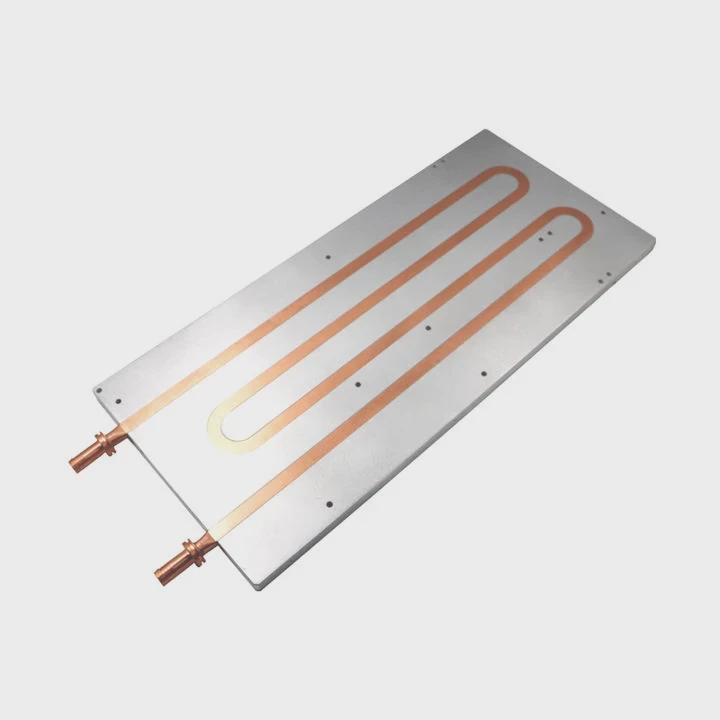
Lightweight aluminum heat exchangers with microchannels reduce size without sacrificing capacity. These are ideal for mobile or hybrid generators.Hybrid Cooling Systems
Combining air and liquid cooling offers flexibility. During light loads, the air system handles basic cooling; during heavy loads, the liquid loop activates automatically.Eco-friendly Designs
Manufacturers now prioritize recyclable materials, lower noise emissions, and environmentally safe coolant formulas.
The Role of Data and Connectivity
Modern liquid-cooled generators often include digital monitoring interfaces that connect to cloud platforms. These systems provide:
- Real-time temperature data
- Predictive maintenance alerts
- Remote diagnostics
I once integrated a remote cooling monitor for an offshore wind project. The system predicted pump wear 40 hours before failure, allowing preemptive replacement and zero downtime. This kind of predictive capability is changing how industries manage power reliability.
Future Outlook
The next generation of generators will likely feature:
- AI-optimized coolant flow
- Phase-change cooling modules
- Self-healing coatings to prevent corrosion
- Integration with renewable hybrid systems
As energy systems grow more complex, cooling will no longer be a secondary consideration—it will become a design cornerstone for performance and sustainability.
Conclusion
Liquid-cooled generators represent a powerful blend of efficiency, silence, and reliability. They work by circulating coolant through a closed system to stabilize engine temperature, outperforming air-cooled units in nearly every professional scenario. With smart monitoring, proper maintenance, and evolving technologies, these generators are setting new standards for durability and energy performance in the modern power industry.
TAGS
Latest Articles

Volume discount levels for heat sink orders?
Buyers often ask when heat sink prices start to drop with volume. Many worry they’re overpaying for small orders. This guide explains how B2B volume pricing works for thermal components. Heat sink
21 Dec,2025
Heat sink long-term supply contract options?
Many buyers want stable pricing and reliable delivery for heat sinks. But without a clear contract, risks grow over time. This article explores how to secure better long-term supply deals. Long-term
21 Dec,2025
Tooling cost for new heat sink profiles?
Many engineers struggle to understand why tooling for custom heat sinks costs so much. They worry about budgeting and production timelines. This article breaks down the cost drivers behind tooling.
21 Dec,2025
Heat sink custom sample process steps?
Sometimes, starting a custom heat sink project feels overwhelming—too many steps, too many unknowns, and too many risks. You want a sample, but not endless delays. The process for requesting and
20 Dec,2025
Standard B2B terms for heat sink payments?
When buyers and sellers in B2B heat sink markets talk about payment, many don’t fully understand what’s standard. This can lead to delayed orders, miscommunication, and even lost business
20 Dec,2025
Heat sink pricing factors for large orders?
Heat sinks are vital for many systems. When prices rise, projects stall and budgets break. This problem can hit teams hard without warning. Large order heat sink pricing depends on many factors. You
20 Dec,2025Related Articles
- How to install Corsair liquid CPU cooler?
- Is BMW i3 battery liquid cooled?
- How is coolant circulated in a liquid-cooled eTorque system?
- How to know if your liquid cooling is working?
- Does liquid cooling use water?
- Is liquid cooling expensive?
- How to know if your liquid cooler is working?
- How does AIO liquid cooling work?
- Does i7 need liquid cooling?
- How to install NZXT liquid cooler?
- Why is glass considered a super-cooled liquid?
- What liquid is used for CPU cooling?
Author
Dr. Emily Chen
Chief AI Researcher
Leading expert in thermal dynamics and AI optimization with over 15 years of experience in data center efficiency research.
Categories
Latest Products






Recommend Categories
- Liquid cooling plate Manufacturer
- Industrial Heat Sink Manufacturer
- Standard Heat Sink Manufacturer
- Aluminum Heat Sink Manufacturer
- Copper Heat Sink Manufacturer
- Anodized Heatsink Manufacturer
- Stamping heat sink Manufacturer
- Die Casting Heatsink Manufacturer
- Soldering heat sink Manufacturer
- CNC Parts Manufacturer
Latest Products
- Wholesale Aluminum Radiator
- Water Cooling Plate Kit
- Water Cooling Heat Sink
- Water Cooling Heat Sink Kit
- Stainless Steel Water Distributor
- Server Water Cooling Plate Kit
- Server Liquid Cooling System
- Server Aluminum Cooling Kit
- S19 Full Cover Cooling Plate
- S19 Cooling Plate Kit
- S19 Aluminum Cooling Plate
Contact Expert
Have questions about this article? Reach out to our experts directly.