Heat sink long-term supply contract options?

Many buyers want stable pricing and reliable delivery for heat sinks. But without a clear contract, risks grow over time. This article explores how to secure better long-term supply deals.
Long-term supply contracts for heat sinks should clearly define terms like pricing, volume, delivery, quality, and risk-sharing. Well-structured agreements reduce uncertainty and improve supplier reliability.
Long-term agreements help both sides plan production and manage costs. But without proper terms, they can create confusion or lead to disputes. Understanding the key contract elements makes negotiation easier.
What terms define a long-term supply agreement?
Many procurement teams assume that a simple purchase order is enough. But as heat sink demand grows, small mistakes in contract terms can lead to major problems.
A long-term heat sink supply agreement includes contract length, pricing method, minimum order volumes, delivery schedule, quality standards, and penalties.
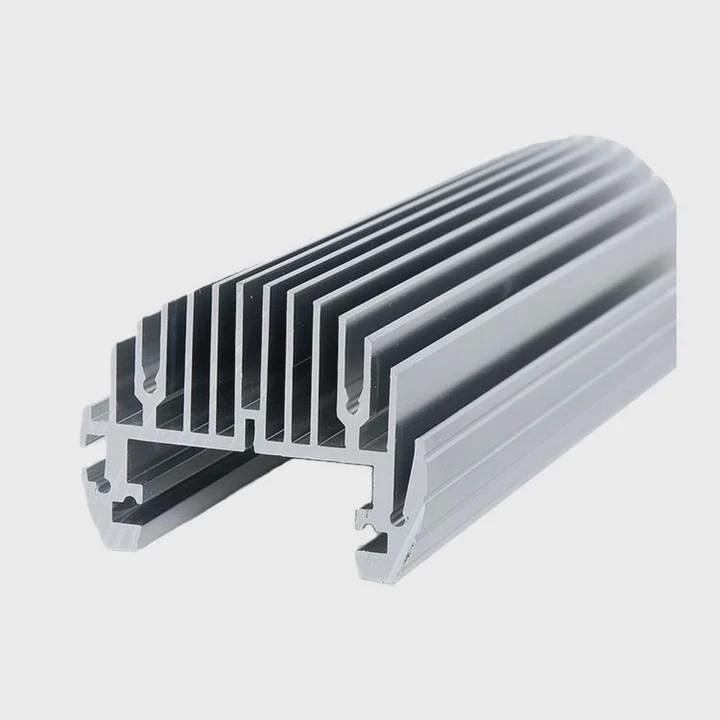
Key contract terms explained
| Term | Meaning |
|---|---|
| Contract Duration | Specifies the time period, often 12–36 months |
| Price Structure | Fixed, tiered, or index-linked pricing |
| MOQ (Minimum Order Qty) | Smallest batch the supplier agrees to deliver |
| Delivery Lead Time | Number of days between order and shipment |
| Quality Assurance | Standards such as ISO9001 or GJB-150A referenced in the contract |
| Penalties or Incentives | Conditions for late delivery or volume bonuses |
| Technical Ownership | Defines who owns the design and tooling |
These terms protect both buyer and supplier. For example, a supplier needs a guaranteed volume to invest in raw materials. A buyer needs price clarity to control project budgets.
Tailoring terms to your industry
Heat sinks are used across aerospace, energy, medical, and telecom. Each industry has different needs:
- Medical devices may need tight quality control.
- EV suppliers prioritize short lead times.
- Aerospace may include multi-year locked pricing.
Clear, customized contract terms reduce the risk of delays, cost hikes, and miscommunication.
How is pricing stability ensured in contracts?
Buyers often fear sudden price jumps after signing a deal. But pricing doesn’t have to be unpredictable if the right model is in place.
Heat sink contracts often include fixed pricing, volume discounts, or raw material price adjustment clauses to ensure long-term pricing stability.
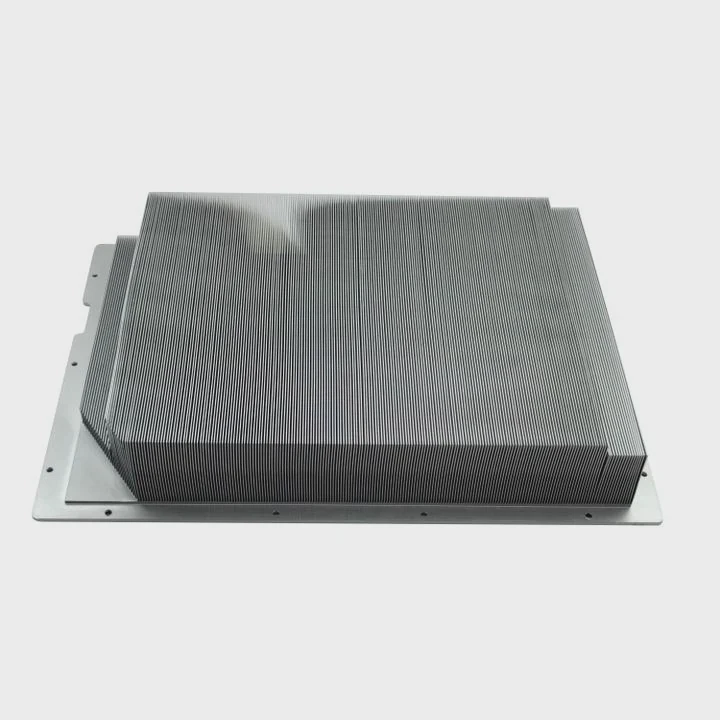
Common pricing models
| Model Type | Description |
|---|---|
| Fixed Price | Price locked for 12–24 months |
| Tiered Pricing | Price decreases at higher volume brackets |
| Cost-Plus | Final price = raw material cost + fixed margin |
| Indexed Pricing | Adjusts monthly or quarterly based on aluminum index or FX rates |
Managing aluminum price volatility
Since heat sinks rely on aluminum, global price shifts affect costs. Some contracts include clauses like:
- Aluminum LME Clause: Adjusts price based on changes in London Metal Exchange (LME) price.
- Buffer Range: Only triggers price changes when raw materials move more than ±5%.
Building in protection for both sides
Suppliers need some flexibility for large aluminum fluctuations. Buyers need protection against surprise increases. Including a review point every 6 or 12 months allows both sides to adjust if needed.
Can forecast orders reduce supply risk?
Supply delays often start when buyers place unexpected rush orders. One way to reduce this risk is by sharing order forecasts in advance.
Including rolling forecasts in long-term contracts helps suppliers prepare raw materials and schedule production, reducing delays and shortages.
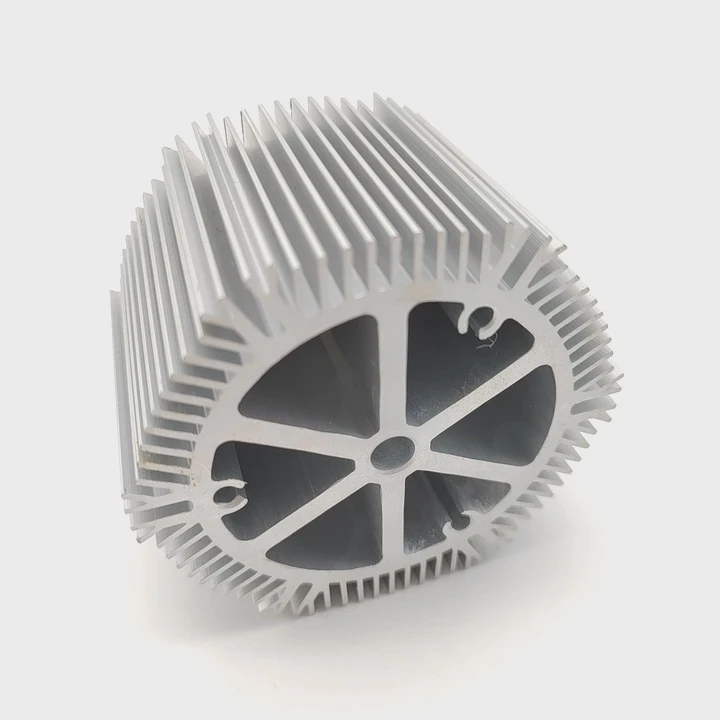
What is a rolling forecast?
A rolling forecast means sending regular demand estimates to the supplier, typically:
- 12-week window: Firm orders for the next 4 weeks, soft forecast for weeks 5–12.
- Monthly updates: Adjusting quantities as market needs change.
Benefits for both sides
For buyers:
- More stable deliveries
- Lower risk of allocation delays
- Easier to get production slots during high demand
For suppliers:
- Better raw material planning
- Improved workforce scheduling
- Less emergency overtime or premium freight cost
| Forecasting Practice | Impact on Supply Chain |
|---|---|
| No Forecast | High risk of delays, limited capacity planning |
| 4-Week Firm Order | Short-term delivery security |
| 12-Week Rolling Forecast | Balanced flexibility and planning |
| Annual Blanket Order | Long-term resource allocation but needs consistent updates |
Adding forecast clauses to the contract shows professionalism and helps build trust with suppliers, which is key for custom heat sink production.
What clauses address production delays?
Unexpected delays can ruin a product launch. If the contract doesn’t address production issues clearly, both sides may face lost time and finger-pointing.
Delay clauses in heat sink contracts define responsibility, mitigation steps, and penalties when production timelines are missed.
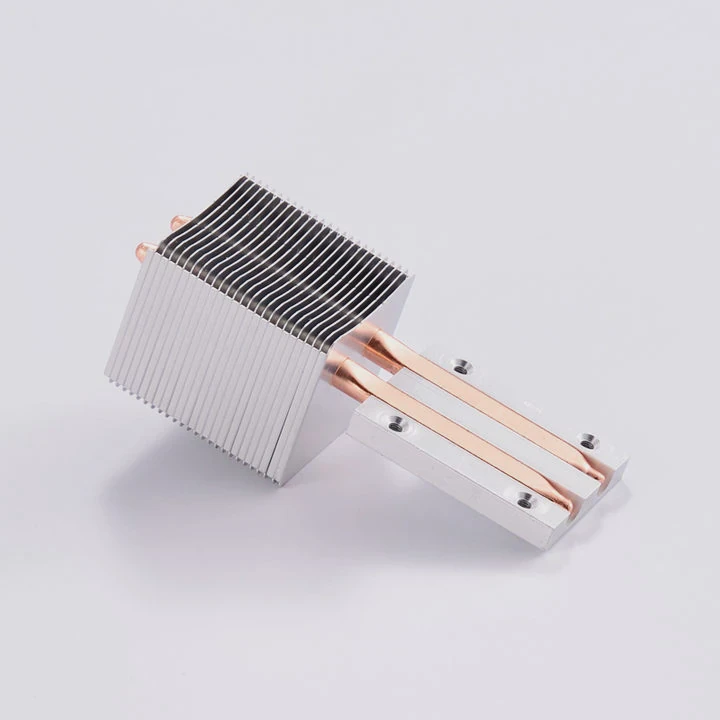
What to include in delay clauses
- Delivery Commitment: Number of days from PO to shipment
- Grace Period: Often 3–5 days buffer before penalties apply
- Force Majeure: Defines events like earthquakes or power outages that excuse delays
- Penalty Terms: For example, 1% per week of delay, capped at 10%
- Mitigation Plan: Requires supplier to notify buyer within 48 hours of any risk
Why these clauses matter
Without written commitments, verbal promises are hard to enforce. Contracts should include:
- Escalation Steps: Who is notified if timelines slip
- Backup Production Plan: Option to switch to second facility
- Tooling Ownership Rights: In case the buyer wants to move production
Pro tip: Link penalties to performance
Consider tying late delivery penalties to supplier scorecards. This creates a continuous improvement loop and keeps both parties accountable.
Conclusion
Long-term supply contracts for heat sinks reduce risk and improve planning—but only if structured well. Clear terms on pricing, delivery, forecasts, and delay penalties make your supply chain more resilient and reliable.
TAGS
Latest Articles

Volume discount levels for heat sink orders?
Buyers often ask when heat sink prices start to drop with volume. Many worry they’re overpaying for small orders. This guide explains how B2B volume pricing works for thermal components. Heat sink
21 Dec,2025
Heat sink long-term supply contract options?
Many buyers want stable pricing and reliable delivery for heat sinks. But without a clear contract, risks grow over time. This article explores how to secure better long-term supply deals. Long-term
21 Dec,2025
Tooling cost for new heat sink profiles?
Many engineers struggle to understand why tooling for custom heat sinks costs so much. They worry about budgeting and production timelines. This article breaks down the cost drivers behind tooling.
21 Dec,2025
Heat sink custom sample process steps?
Sometimes, starting a custom heat sink project feels overwhelming—too many steps, too many unknowns, and too many risks. You want a sample, but not endless delays. The process for requesting and
20 Dec,2025
Standard B2B terms for heat sink payments?
When buyers and sellers in B2B heat sink markets talk about payment, many don’t fully understand what’s standard. This can lead to delayed orders, miscommunication, and even lost business
20 Dec,2025
Heat sink pricing factors for large orders?
Heat sinks are vital for many systems. When prices rise, projects stall and budgets break. This problem can hit teams hard without warning. Large order heat sink pricing depends on many factors. You
20 Dec,2025Related Articles
- Tooling cost for new heat sink profiles?
- Heat sink custom sample process steps?
- Standard B2B terms for heat sink payments?
- Heat sink pricing factors for large orders?
- Prototype lead time for heat sink samples?
- Heat sink MOQ for custom extrusion orders?
- Conflict-mineral declarations for heat sink metals?
- International Safety Standards for Heat Sink?
- Heat Sink Environmental Compliance for EU Markets?
- UL Certification Options for Heat Sink Products?
- REACH document needs for heat sink?
- Volume discount levels for heat sink orders?
Author
Dr. Emily Chen
Chief AI Researcher
Leading expert in thermal dynamics and AI optimization with over 15 years of experience in data center efficiency research.
Categories
Latest Products






Recommend Categories
- Liquid cooling plate Manufacturer
- Industrial Heat Sink Manufacturer
- Standard Heat Sink Manufacturer
- Aluminum Heat Sink Manufacturer
- Copper Heat Sink Manufacturer
- Anodized Heatsink Manufacturer
- Stamping heat sink Manufacturer
- Die Casting Heatsink Manufacturer
- Soldering heat sink Manufacturer
- CNC Parts Manufacturer
Latest Products
- Wholesale Aluminum Radiator
- Water Cooling Plate Kit
- Water Cooling Heat Sink
- Water Cooling Heat Sink Kit
- Stainless Steel Water Distributor
- Server Water Cooling Plate Kit
- Server Liquid Cooling System
- Server Aluminum Cooling Kit
- S19 Full Cover Cooling Plate
- S19 Cooling Plate Kit
- S19 Aluminum Cooling Plate
Contact Expert
Have questions about this article? Reach out to our experts directly.