Does the 3080 Need Liquid Cooling?
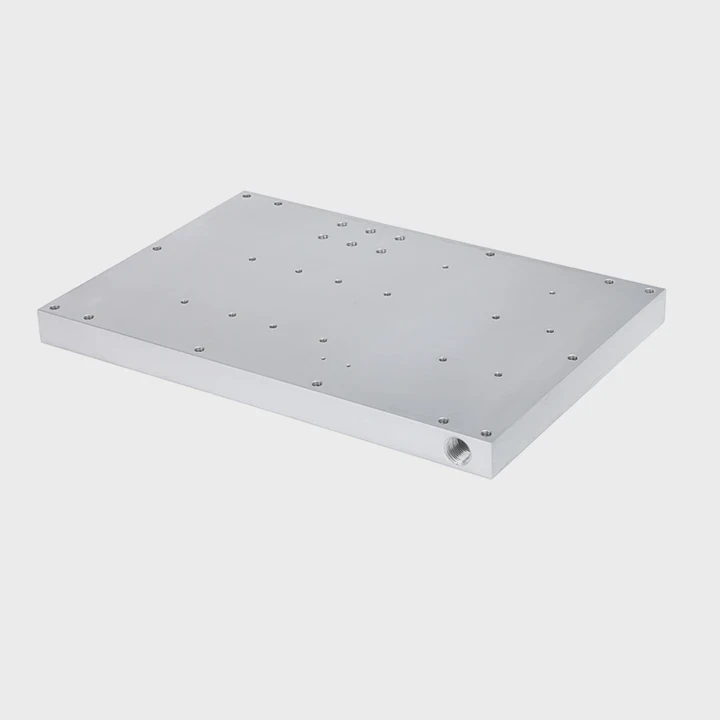
If you’re an enthusiast or gamer, you know how crucial cooling is for maintaining high performance. But is liquid cooling really necessary for the RTX 3080?
The NVIDIA RTX 3080 doesn’t require liquid cooling by default, but it can certainly benefit from it in certain scenarios, especially under heavy load or overclocking. Liquid cooling can keep temperatures down and allow for better performance.
Let’s dive into what cooling your RTX 3080 properly entails and when it might be a good idea to consider liquid cooling.
What Are the Cooling Requirements for a 3080 GPU?
Is your RTX 3080 running hot? Understanding its cooling requirements is key to ensuring smooth, stable performance without thermal throttling.
The cooling requirements for the RTX 3080 mainly depend on its power consumption. The GPU can consume up to 350W under load, and ensuring good airflow is crucial for maintaining optimal temperatures.
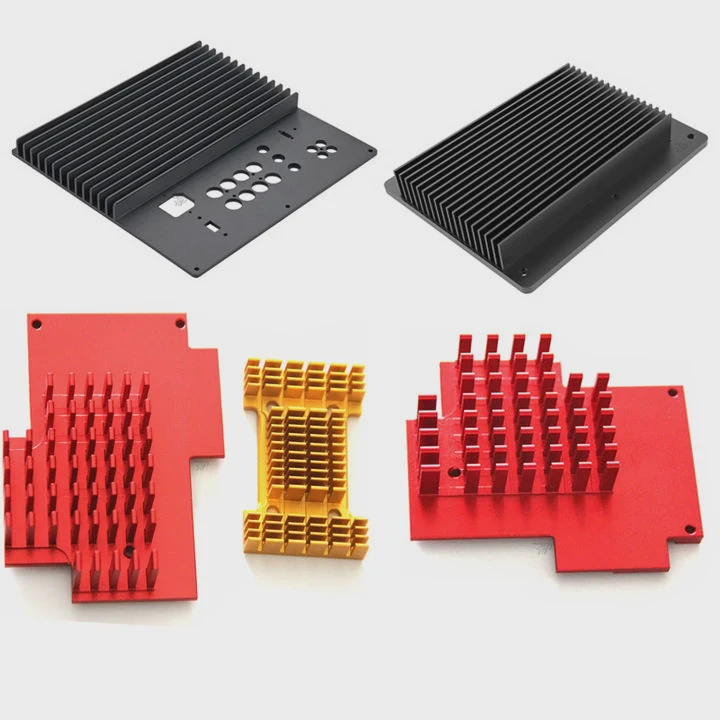
The RTX 3080 is a high-performance GPU that pushes the boundaries of gaming and computing power. It’s equipped with 8704 CUDA cores and boasts substantial power requirements. The graphics card’s power consumption typically ranges from 320W to 350W, depending on its load and the specific model.
Air Cooling vs. Liquid Cooling
Air cooling is the most common method of keeping GPUs cool. It uses a fan and heatsink to dissipate heat generated by the GPU. The RTX 3080 usually comes with a built-in air cooler with two or three fans. These fans circulate air around the GPU to prevent overheating. Under typical gaming conditions, air cooling can keep the GPU temperature between 70°C to 85°C. While air cooling works for many users, it’s not always ideal for heavy workloads like overclocking or extended gaming sessions.
On the other hand, liquid cooling is becoming more popular for high-end graphics cards. Liquid cooling uses a closed-loop system with a pump, liquid coolant, and radiator to pull heat away from the GPU. The heat is transferred through the liquid and then dissipated through the radiator. This allows for much lower temperatures, often in the mid-60°C range, even under heavy stress.
If you’re looking for optimal performance under extended workloads or plan to overclock, liquid cooling could offer the edge in terms of sustained performance. Liquid cooling also tends to produce less noise compared to traditional fan-based air coolers, which could be a key factor for users building quieter systems.
Importance of Adequate Airflow
Even if you don’t use liquid cooling, ensuring proper case airflow is crucial. The case should have enough intake and exhaust fans to create a balanced airflow. Poor airflow can lead to a buildup of heat, which can throttle your GPU’s performance. Even with an air-cooled RTX 3080, airflow is a critical component for maintaining safe operating temperatures.
How Does Liquid Cooling Benefit the 3080 GPU?
If you’re wondering whether liquid cooling will really help your 3080 perform better, here’s why it could be the right choice for you.
Liquid cooling provides better thermal management, reduces noise, and allows for better overclocking performance. It keeps the GPU cooler, which can result in sustained high performance without thermal throttling.
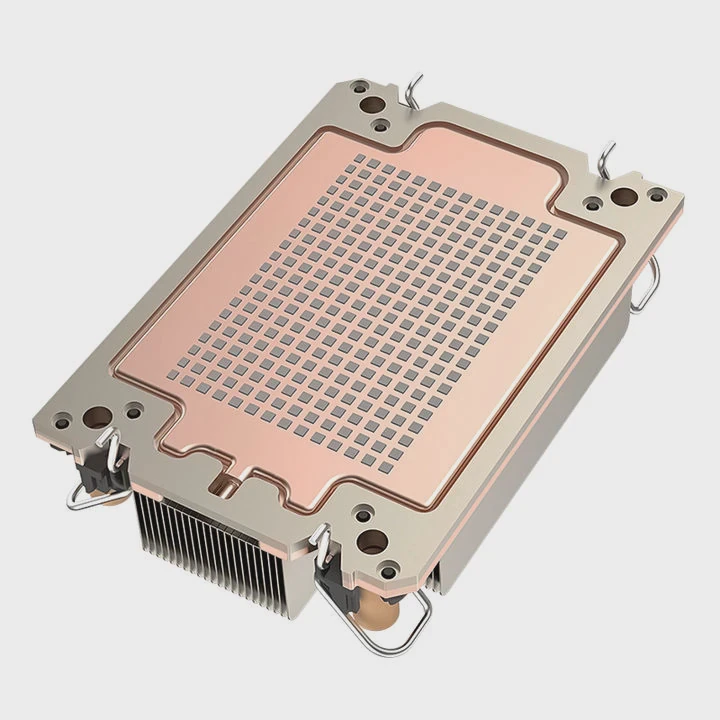
When you’re gaming or running high-performance workloads, the RTX 3080 can get quite hot, and the internal fans may not be enough to maintain lower temperatures, especially with intense use. Liquid cooling can offer many advantages over traditional air-based cooling solutions:
Lower Temperatures: Liquid cooling is typically more efficient at transferring heat away from the GPU. While air coolers might keep the GPU around 75°C to 85°C, liquid coolers can maintain temperatures around 60°C to 70°C, reducing the chance of thermal throttling and allowing the GPU to maintain higher clock speeds for longer periods. This is especially important during sustained gaming sessions or demanding rendering tasks.
Less Noise: The most obvious benefit of liquid cooling is that it’s much quieter than air cooling. Air coolers typically have multiple fans that generate noise as they spin at high RPMs. Liquid cooling systems use fewer moving parts, and the pump noise is often quieter than a loud fan. For users looking to build a quiet PC or a silent workstation, liquid cooling can be a perfect fit.
Better Overclocking: For enthusiasts looking to push their GPUs to the limit, liquid cooling provides additional headroom for overclocking. By lowering the GPU’s temperature, liquid cooling prevents thermal throttling, allowing the GPU to maintain its higher clock speeds and ultimately deliver better performance than when using traditional air cooling.
Improved Aesthetics: Many users opt for liquid cooling systems because they look sleek and modern. A custom water loop can be a focal point in your build, with RGB lighting and customized tubes to show off your setup. Liquid cooling also frees up space inside the case by reducing the number of large fans needed for air cooling.
When Should I Use Liquid Cooling for a 3080 GPU?
Is liquid cooling really necessary for your RTX 3080, or can you stick with air cooling? Let’s look at the scenarios when liquid cooling would make sense.
Liquid cooling should be considered when you’re overclocking, gaming extensively, or building a quiet, high-performance system. It provides superior cooling, which helps maintain optimal GPU performance over time.
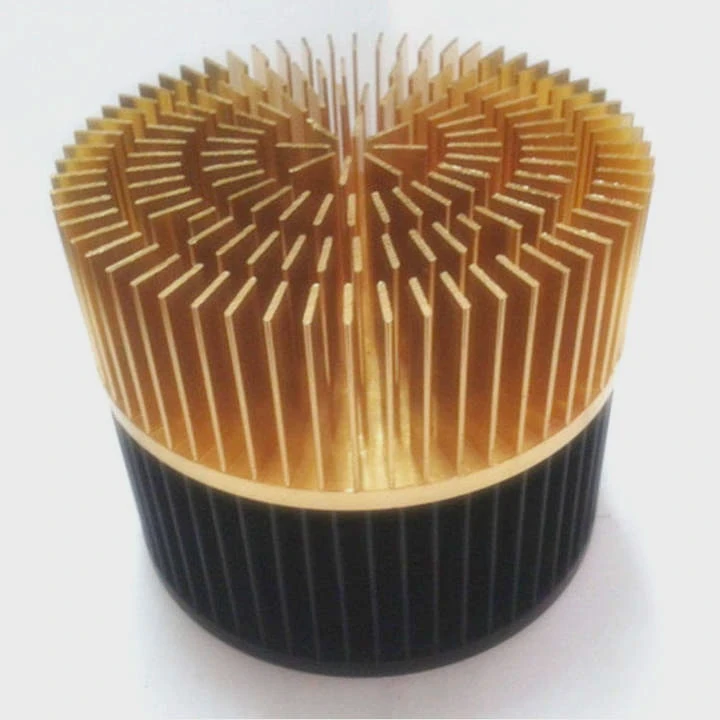
Here are some scenarios where liquid cooling might be a good investment for your RTX 3080:
High-Performance Tasks: If you’re running heavy workloads like 4K gaming, 3D rendering, or deep learning tasks, your GPU will be under stress for extended periods. Under these conditions, liquid cooling is an excellent option for preventing overheating and maintaining high performance. The RTX 3080 is powerful, and if you’re utilizing its full potential, it’s best to keep it as cool as possible.
Overclocking: Overclocking can cause the GPU to generate more heat, which may lead to thermal throttling and reduced performance. With liquid cooling, you can safely overclock the RTX 3080 without worrying about excessive heat buildup. Liquid cooling will allow your GPU to run at higher clock speeds for longer periods, resulting in better performance.
Quieter PC Builds: For those who are building a silent PC, liquid cooling is ideal. The reduced need for high-RPM fans means your system can run quietly while still offering superior thermal management. This is especially important if you’re working in an environment where noise reduction is essential.
Space-Constrained Builds: In small form factor cases, there may not be enough room for large air coolers. A compact AIO liquid cooler can fit more easily in these cases while still offering great cooling performance. Liquid cooling is often more efficient in smaller PC builds where airflow is restricted.
What Are the Future Trends in GPU Cooling?
What does the future of GPU cooling look like? Here’s a look at the emerging trends and innovations in cooling technology.
The future of GPU cooling will likely feature more efficient hybrid systems, custom loops, and smarter cooling mechanisms. AI-driven cooling and better materials will shape how GPUs are cooled in the coming years.
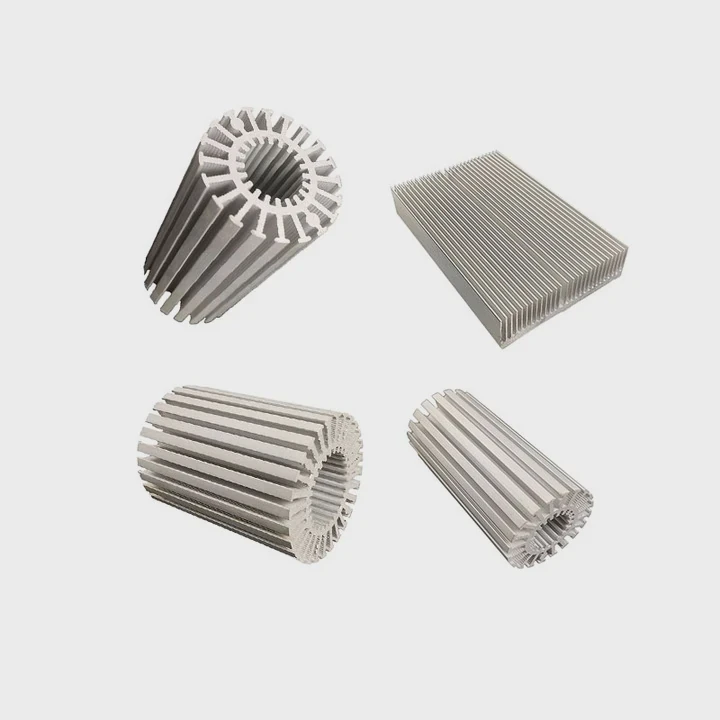
As GPUs continue to evolve and become even more powerful, the cooling solutions that accompany them will also need to advance. Here are a few trends we can expect to see in the future:
Hybrid Cooling Solutions
Hybrid cooling systems combine the benefits of both air and liquid cooling. These systems typically have a liquid cooler with an integrated fan system. By combining the heat dissipation capabilities of liquid cooling with the convenience and flexibility of air cooling, hybrid solutions aim to provide the best of both worlds. The future may see more GPUs with built-in hybrid systems to improve performance and efficiency.
Smart, AI-Powered Cooling Systems
With the growth of AI and machine learning, future GPUs may feature smart cooling systems. These systems will use AI to dynamically adjust cooling performance based on workload, temperature, and environmental factors. By fine-tuning fan speeds and coolant flow in real-time, AI-powered systems could reduce energy consumption while keeping temperatures optimal. This could result in even quieter and more efficient cooling solutions.
Improved Materials and Cooling Efficiency
The use of new materials could drastically improve the cooling efficiency of future GPUs. Graphene and liquid metal are among the materials being researched for next-gen cooling solutions. These materials are not only highly efficient at conducting heat but are also lightweight and durable. As these materials become more widely used, we can expect GPUs to operate at even lower temperatures with minimal energy loss.
Conclusion
In conclusion, while liquid cooling is not strictly necessary for the RTX 3080, it offers significant benefits for high-performance tasks, overclocking, and quieter, more efficient operation. As GPU technology evolves, cooling solutions will continue to improve, offering even better performance and efficiency.
TAGS
Latest Articles

Volume discount levels for heat sink orders?
Buyers often ask when heat sink prices start to drop with volume. Many worry they’re overpaying for small orders. This guide explains how B2B volume pricing works for thermal components. Heat sink
21 Dec,2025
Heat sink long-term supply contract options?
Many buyers want stable pricing and reliable delivery for heat sinks. But without a clear contract, risks grow over time. This article explores how to secure better long-term supply deals. Long-term
21 Dec,2025
Tooling cost for new heat sink profiles?
Many engineers struggle to understand why tooling for custom heat sinks costs so much. They worry about budgeting and production timelines. This article breaks down the cost drivers behind tooling.
21 Dec,2025
Heat sink custom sample process steps?
Sometimes, starting a custom heat sink project feels overwhelming—too many steps, too many unknowns, and too many risks. You want a sample, but not endless delays. The process for requesting and
20 Dec,2025
Standard B2B terms for heat sink payments?
When buyers and sellers in B2B heat sink markets talk about payment, many don’t fully understand what’s standard. This can lead to delayed orders, miscommunication, and even lost business
20 Dec,2025
Heat sink pricing factors for large orders?
Heat sinks are vital for many systems. When prices rise, projects stall and budgets break. This problem can hit teams hard without warning. Large order heat sink pricing depends on many factors. You
20 Dec,2025Related Articles
- Heat Sink Manufacturer in Maldives
- Heat Sink Manufacturer in Malawi
- Heat Sink Manufacturer in Luxembourg
- Heat Sink Manufacturer in Liechtenstein
- Heat Sink Manufacturer in Liberia
- Heat Sink Manufacturer in Laos
- Do Graphics Cards Have Options for Liquid Cooling?
- Are Liquid Cooled Computers Quieter?
- How to Fix a Heat Sink on a 3D Printer Nozzle?
- Heat Sink Manufacturer in Mali
- Heat Sink Manufacturer in Malta
- Heat Sink Manufacturer in Marshall Islands
Author
Dr. Emily Chen
Chief AI Researcher
Leading expert in thermal dynamics and AI optimization with over 15 years of experience in data center efficiency research.
Categories
Latest Products






Recommend Categories
- Liquid cooling plate Manufacturer
- Industrial Heat Sink Manufacturer
- Standard Heat Sink Manufacturer
- Aluminum Heat Sink Manufacturer
- Copper Heat Sink Manufacturer
- Anodized Heatsink Manufacturer
- Stamping heat sink Manufacturer
- Die Casting Heatsink Manufacturer
- Soldering heat sink Manufacturer
- CNC Parts Manufacturer
Latest Products
- Wholesale Aluminum Radiator
- Water Cooling Plate Kit
- Water Cooling Heat Sink
- Water Cooling Heat Sink Kit
- Stainless Steel Water Distributor
- Server Water Cooling Plate Kit
- Server Liquid Cooling System
- Server Aluminum Cooling Kit
- S19 Full Cover Cooling Plate
- S19 Cooling Plate Kit
- S19 Aluminum Cooling Plate
Contact Expert
Have questions about this article? Reach out to our experts directly.