How to Fix a Heat Sink on a 3D Printer Nozzle?
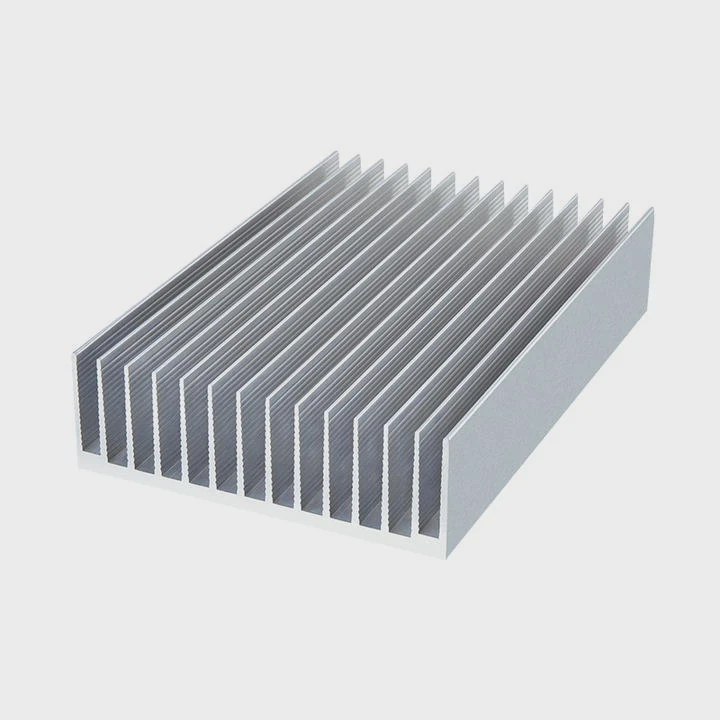
Do you want to avoid 3D printing issues like overheating or filament jams? Fixing the heat sink on your nozzle can make a big difference in your printer’s performance.
A heat sink keeps your 3D printer hotend at the right temperature. It prevents heat from creeping up to the cooler parts, improving performance and print quality.
But how exactly do you go about fixing a heat sink? Let’s explore the function of a heat sink, how to attach it correctly, and what to look out for.
What is the Function of a Heat Sink on a 3D Printer?
Why is a heat sink necessary on your 3D printer’s hotend? Without it, you may experience inconsistent extrusion, clogs, and overheating issues.
A heat sink helps to cool the hotend, ensuring the filament stays solid before reaching the nozzle, and prevents overheating in the upper hotend areas.
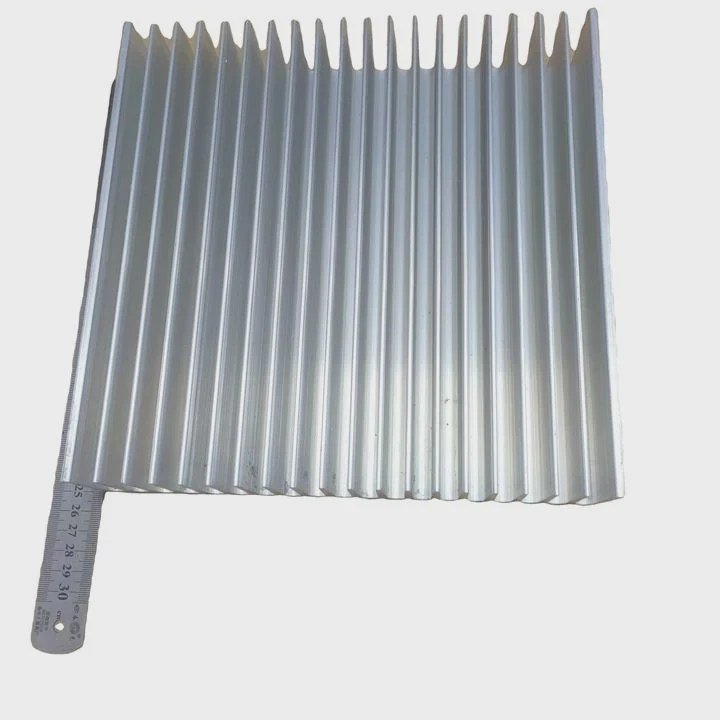
Heat sinks are essential components in a 3D printer’s hotend system. They help regulate the temperature of the hotend by transferring excess heat away from the hot block. The goal is to keep the filament from becoming too soft and clogging the extruder before it reaches the nozzle. Without proper cooling, the extruder may not work effectively, and the printer could experience heat creep. This refers to the heat rising from the heated block and melting the filament prematurely, resulting in poor print quality.
A properly installed heat sink absorbs heat from the hotend and prevents it from transferring to the cold zone, where the filament is still solid. This helps maintain a constant temperature at the nozzle, ensuring smooth and continuous extrusion.
Additionally, the heat sink works in tandem with the cooling fan. The fan blows air over the heat sink’s fins, increasing its heat-dissipation efficiency. This helps keep the hotend at a steady temperature for accurate extrusion and optimal print quality. Without this system, your 3D printer would be vulnerable to clogs, jams, and inconsistent layer bonding.
For optimal cooling, always ensure that the heat sink is aligned correctly and the fan is functioning properly. If either of these components is compromised, your printer may face thermal-related issues that could harm your print quality.
What Are the Benefits of Using a Heat Sink?
What advantages does a heat sink bring to your 3D printer? It’s more than just about cooling the system—it’s about enhancing your printer’s overall performance.
A heat sink helps maintain a consistent extrusion temperature, reducing overheating issues and improving print quality. It extends the life of your printer and keeps parts running smoothly.
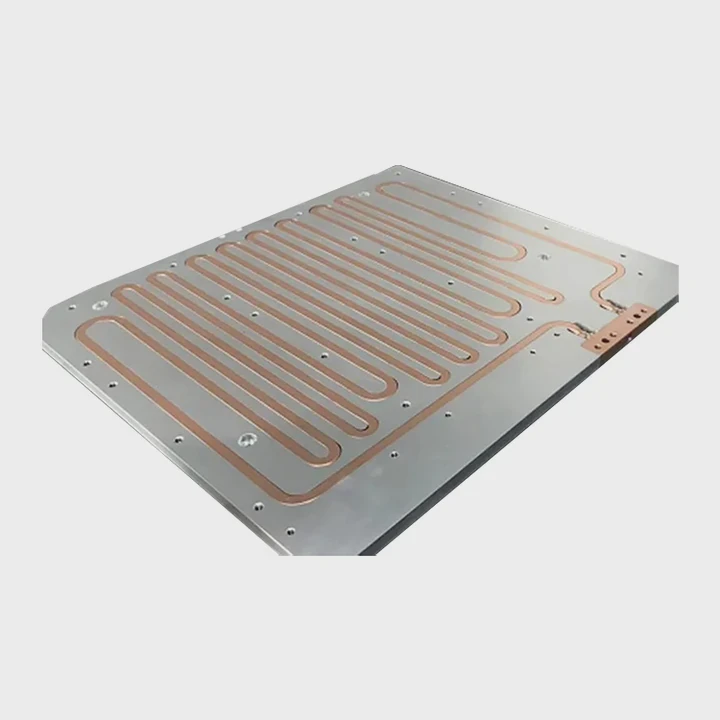
The benefits of using a heat sink are clear. Let’s break them down:
1. Prevents Heat Creep
Heat creep is when excess heat from the hotend transfers upwards, causing the filament to soften prematurely before it reaches the nozzle. This can result in clogs or jams. A heat sink prevents this by cooling the area above the heated block, ensuring the filament stays solid until it’s extruded.
2. Improves Print Quality
A consistent extrusion temperature leads to smoother, more even layers. Without heat creep, the filament doesn’t soften too early, ensuring the print process is stable. This improves the bonding between layers, resulting in better print strength and a cleaner finish.
3. Protects the Hotend
The hotend is one of the most critical components of a 3D printer. If the temperature isn’t properly controlled, the extruder can overheat, leading to damage and possibly affecting the longevity of the printer. A well-functioning heat sink helps maintain the hotend’s efficiency and ensures its lifespan is maximized.
4. Prevents Jams and Clogs
By maintaining proper cooling, heat sinks help prevent filament from melting too early, which can lead to jams or clogs in the extruder. These issues can disrupt prints, wasting time and materials.
5. Reduces Maintenance Costs
A well-cooled system means fewer problems with clogs, overheating, and other issues. This reduces the need for constant repairs and maintenance, saving you time and money in the long run.
How Do You Attach a Heat Sink to a 3D Printer Nozzle?
Do you know how to attach your heat sink properly to your 3D printer’s nozzle? Let’s break down the process and ensure you get the best cooling performance.
Attaching a heat sink correctly involves aligning it with the hotend, securing it with screws, and ensuring the cooling fan is in place to optimize heat dissipation.
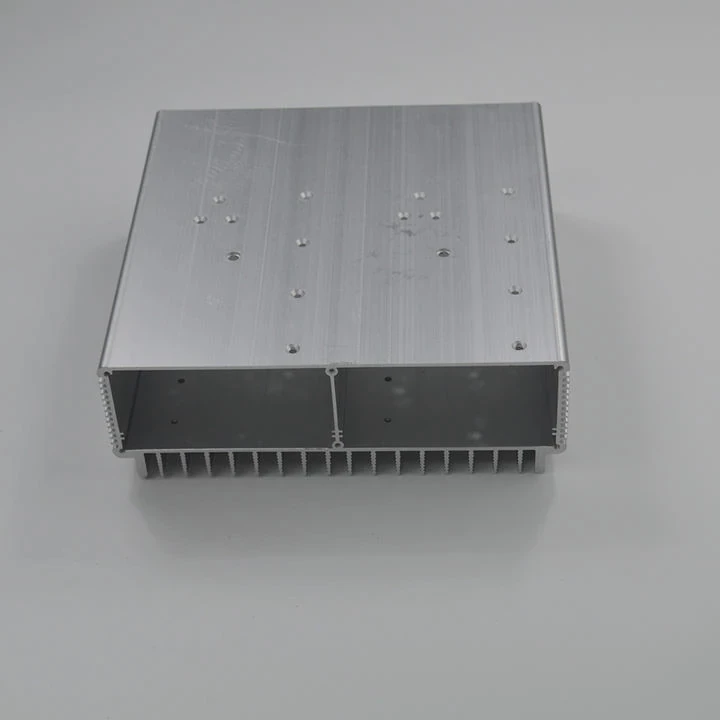
Attaching the heat sink to your 3D printer’s hotend is a simple but crucial process. Here’s how you can do it:
Step 1: Turn Off the Printer
Before starting, ensure the printer is turned off and completely cool to avoid any accidents or burns.
Step 2: Position the Heat Sink
The heat sink should fit snugly around the heat break, the part of the hotend that keeps the hot and cold zones separate. Ensure that the heat sink is aligned with the hotend assembly and positioned correctly.
Step 3: Secure with Screws
Use the screws provided with your heat sink or hotend to secure it into place. Be sure not to overtighten the screws, as this could damage the heat sink or other components. A snug fit is ideal, but avoid applying excessive force.
Step 4: Attach the Cooling Fan
Most heat sinks require a cooling fan to function properly. Attach the fan so it blows air over the fins of the heat sink. Make sure the fan is securely fastened and that it’s positioned to effectively cool the entire heat sink.
Step 5: Check for Proper Alignment
Ensure that everything is aligned properly. The heat sink should not touch the hot block or nozzle, and the cooling fan should be positioned to blow air directly onto the heat sink.
Step 6: Power On and Test
Once everything is secured, power on the printer and perform a test print. Check if the heat sink is working properly by observing the print quality and ensuring there are no overheating issues.
What Are Common Issues with Heat Sinks on 3D Printers?
Do you experience overheating or print issues despite having a heat sink? Let’s look at some common problems that might arise.
Common issues with heat sinks include poor alignment, loose connections, and malfunctioning fans, all of which can result in overheating and print failures.

Heat sinks play an essential role in your 3D printer’s cooling system, but sometimes they can cause issues. Let’s explore the most common problems and how to solve them:
1. Heat Sink Loosening
Over time, vibrations from the 3D printer or the expansion and contraction of components can cause the heat sink to loosen. If the heat sink becomes loose, it won’t be able to effectively dissipate heat, leading to overheating. Always check the heat sink for tightness and make sure it’s securely fastened to the hotend.
2. Clogged or Inefficient Fans
The cooling fan is a crucial part of the heat sink system. If the fan becomes clogged with dust or debris, it will not be able to cool the heat sink properly. Regularly clean the fan and ensure it’s working correctly. If the fan isn’t working, your printer’s cooling system won’t be effective, leading to potential print failures.
3. Poor Heat Dissipation
If the heat sink is poorly designed or made of low-quality materials, it might not dissipate heat effectively. Make sure the heat sink you use is made of high-conductivity materials like aluminum and that it fits properly with your hotend. A poorly attached or incompatible heat sink will not provide adequate cooling.
4. Incompatible Parts
Not all heat sinks fit all hotends. Ensure that your heat sink is compatible with your specific 3D printer’s hotend. An incompatible heat sink can cause overheating or poor performance. If you’re unsure about compatibility, consult your printer’s manufacturer or do some research to find the correct parts.
5. Overheating Despite a Functional Heat Sink
Sometimes, your heat sink might be working fine, but you’re still experiencing overheating. This could be due to an underlying issue, such as incorrect firmware settings, improper printer calibration, or poor-quality filament. If overheating persists, troubleshoot other areas of your printer’s system to ensure it is functioning correctly.
Conclusion
A properly installed and functioning heat sink is essential to preventing overheating and ensuring high-quality 3D prints. Regularly check for issues like loose connections or clogged fans to keep your printer running smoothly.
TAGS
Latest Articles

Volume discount levels for heat sink orders?
Buyers often ask when heat sink prices start to drop with volume. Many worry they’re overpaying for small orders. This guide explains how B2B volume pricing works for thermal components. Heat sink
21 Dec,2025
Heat sink long-term supply contract options?
Many buyers want stable pricing and reliable delivery for heat sinks. But without a clear contract, risks grow over time. This article explores how to secure better long-term supply deals. Long-term
21 Dec,2025
Tooling cost for new heat sink profiles?
Many engineers struggle to understand why tooling for custom heat sinks costs so much. They worry about budgeting and production timelines. This article breaks down the cost drivers behind tooling.
21 Dec,2025
Heat sink custom sample process steps?
Sometimes, starting a custom heat sink project feels overwhelming—too many steps, too many unknowns, and too many risks. You want a sample, but not endless delays. The process for requesting and
20 Dec,2025
Standard B2B terms for heat sink payments?
When buyers and sellers in B2B heat sink markets talk about payment, many don’t fully understand what’s standard. This can lead to delayed orders, miscommunication, and even lost business
20 Dec,2025
Heat sink pricing factors for large orders?
Heat sinks are vital for many systems. When prices rise, projects stall and budgets break. This problem can hit teams hard without warning. Large order heat sink pricing depends on many factors. You
20 Dec,2025Related Articles
- Are Liquid Cooled Computers Quieter?
- Do Graphics Cards Have Options for Liquid Cooling?
- Does the 3080 Need Liquid Cooling?
- Heat Sink Manufacturer in Maldives
- Heat Sink Manufacturer in Malawi
- Heat Sink Manufacturer in Luxembourg
- Heat Sink Manufacturer in Mali
- Heat Sink Manufacturer in Malta
- Heat Sink Manufacturer in Marshall Islands
- Heat Sink Manufacturer in Mauritania
- Heat Sink Manufacturer in Mauritius
- Heat Sink Manufacturer in Micronesia
Author
Dr. Emily Chen
Chief AI Researcher
Leading expert in thermal dynamics and AI optimization with over 15 years of experience in data center efficiency research.
Categories
Latest Products
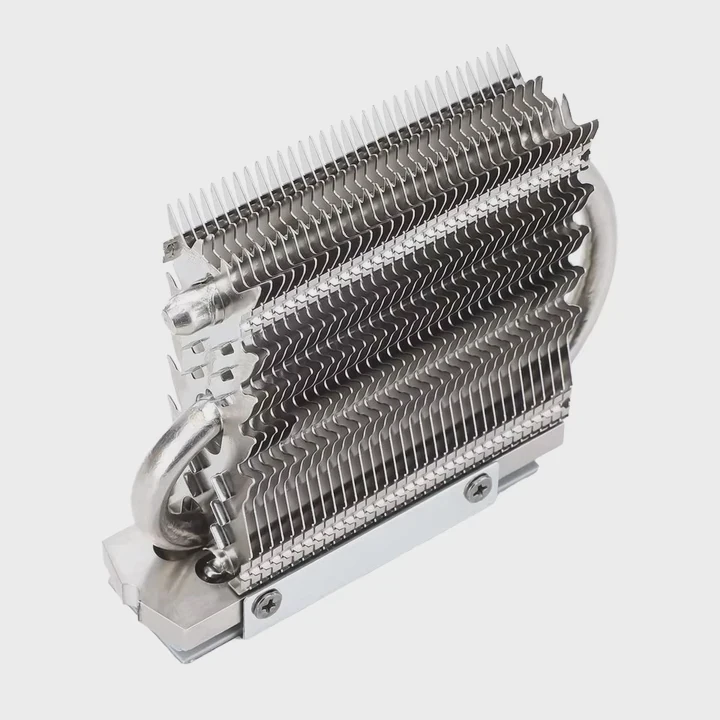
M.2 Heatpipe Heatsink With Dual Fans For Pc Case
19 Mar,2026
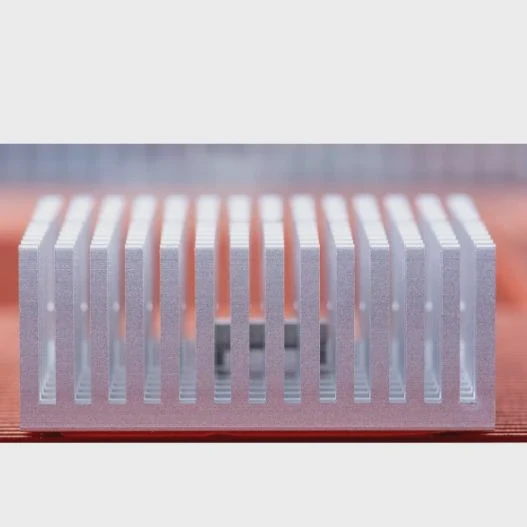
Heavy-Duty Aluminum Heat Sink Custom
19 Mar,2026
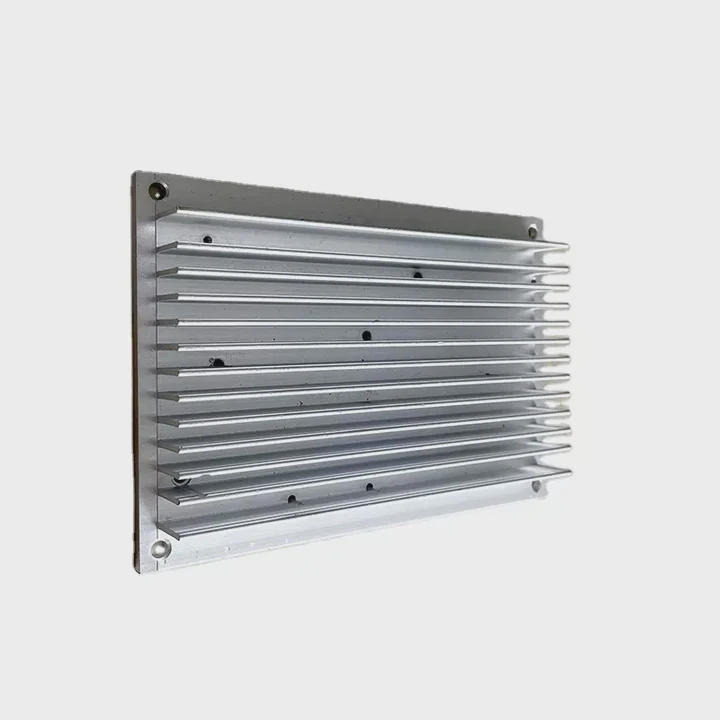
Oem Skived Fin Heatsink Aluminum Radiator For Plants
19 Mar,2026
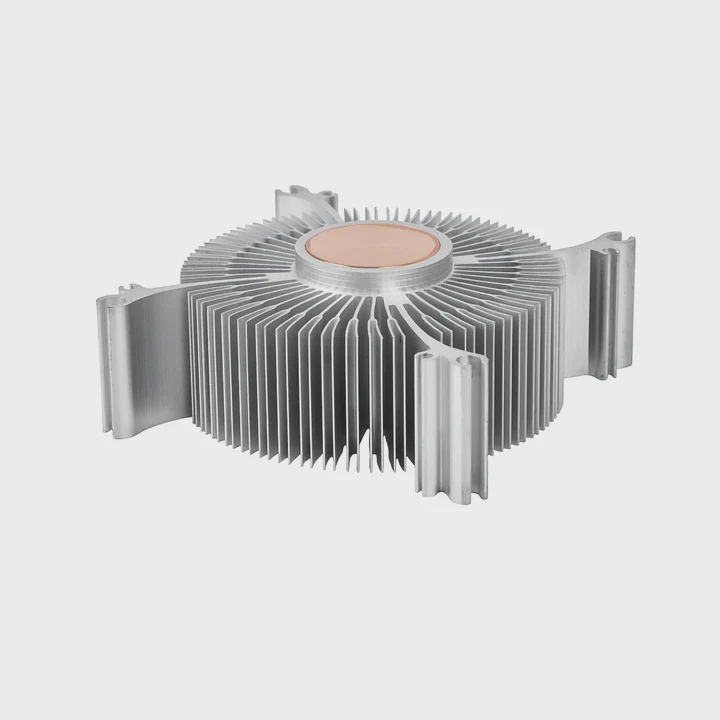
Water Cooled Cnc Aluminum Heat Sink For Medical
19 Mar,2026
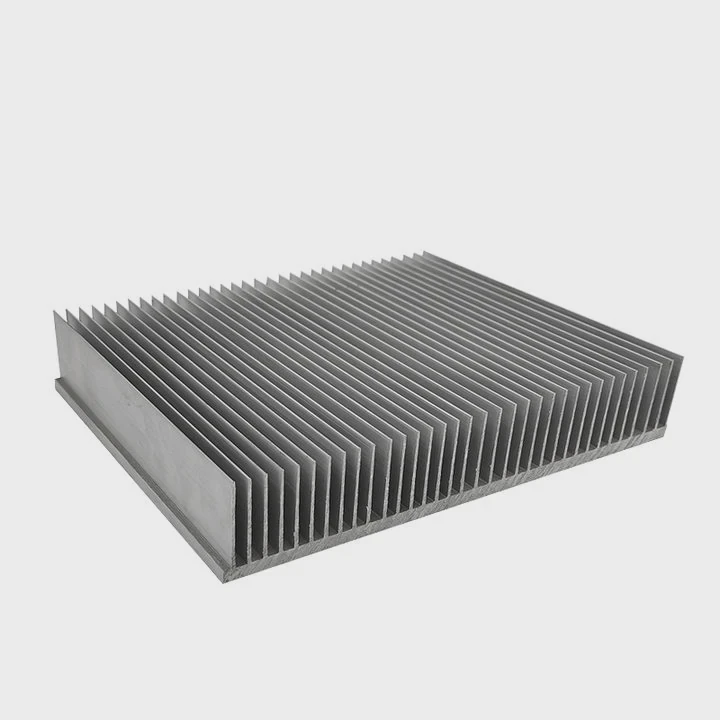
High Density 6000 Series Aluminum Heat Sink Profile
19 Mar,2026
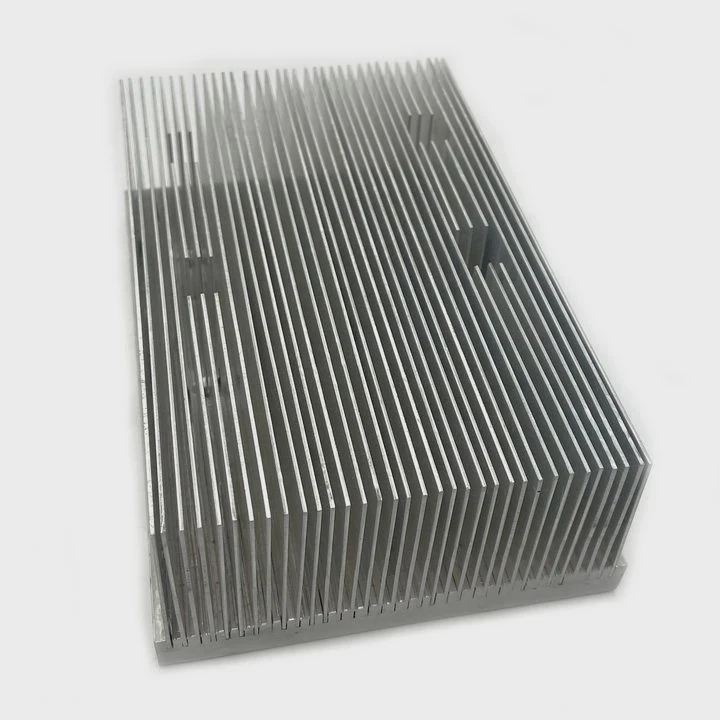
High-Density Extruded Aluminum & Bonded-Fin Heat Sink Profile
19 Mar,2026
Recommend Categories
- Liquid cooling plate Manufacturer
- Industrial Heat Sink Manufacturer
- Standard Heat Sink Manufacturer
- Aluminum Heat Sink Manufacturer
- Copper Heat Sink Manufacturer
- Anodized Heatsink Manufacturer
- Stamping heat sink Manufacturer
- Die Casting Heatsink Manufacturer
- Soldering heat sink Manufacturer
- CNC Parts Manufacturer
Latest Products
- M.2 Heatpipe Heatsink With Dual Fans For Pc Case
- Heavy-Duty Aluminum Heat Sink Custom
- Oem Skived Fin Heatsink Aluminum Radiator For Plants
- Water Cooled Cnc Aluminum Heat Sink For Medical
- High Density 6000 Series Aluminum Heat Sink Profile
- High-Density Extruded Aluminum & Bonded-Fin Heat Sink Profile
- Dongguan Cnc Aluminum Heat Sink For Led & Brass Parts
- Wholesale Cnc Aluminum Heat Sink - Custom Extruded
- Led Cnc Round Heat Sink With Screw Holes
- Copper Pin-Fin Heat-Sink Large-Area For Photoled Cooling
- Telecom Heatsink Zipper Fin Wcopper Tubes Oem
Contact Expert
Have questions about this article? Reach out to our experts directly.