Prototype lead time for heat sink samples?
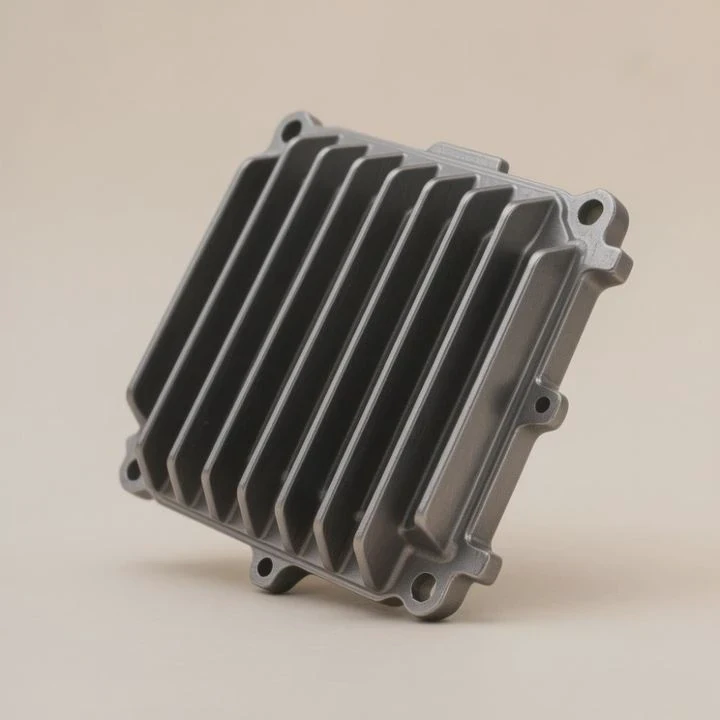
Prototype lead time is a huge concern for engineers and product managers who need heat sinks fast.
Prototype lead time for heat sink samples can range from 1 to 6 weeks depending on design, complexity, and manufacturing method.
Understanding realistic timelines helps teams plan tests, product validation, and delivery without surprise delays. In this article, we explore key factors that affect prototype delivery so you can set better expectations and reduce risk.
What timeline applies to standard prototypes?
Prototype lead time for standard heat sink samples is usually shorter than custom products.
Standard prototype lead time is often between 1 and 3 weeks when using existing tooling and simple designs.
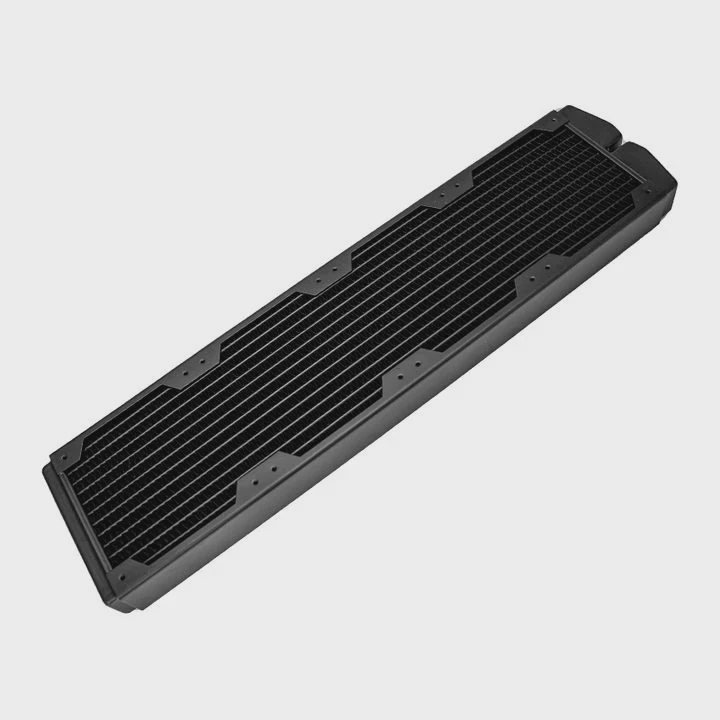
Standard prototypes include common shapes and sizes that the manufacturer already has tooling for. These are usually off-the-shelf profiles or minor variations that do not require new dies, special materials, or complex machining.
Typical steps in a prototype timeline
A standard prototype timeline usually follows these steps:
- Design review and final file check – 1–2 days
- Tool selection and material reservation – 1–3 days
- Cutting and machining – 3–7 days
- Surface finishing – 1–3 days
- Inspection and packing – 1–2 days
Most suppliers aim to finish these steps in 1–3 weeks, but real timing can vary based on workload, supplier capacity, and shipping method.
Why standard prototypes are faster
Standard designs are faster because:
- Tooling exists already
- No new die or mold is needed
- Material is common and on hand
- Production steps are already proven
All these factors save time when compared with fully custom jobs that require design changes, testing, or new tooling.
Risks that can slow standard samples
Even with standard profiles, delays can happen if:
- Design files are unclear
- Material is out of stock
- Quality issues appear in early parts
- Supplier has high order backlog
Good communication with your supplier helps prevent these kinds of delays.
How do customizations affect prototype delivery?
Customizations always add time. The more changes you make, the longer delivery takes.
Custom heat sink prototypes usually take 3 to 6 weeks because of design review, tooling preparation, and multiple revisions.
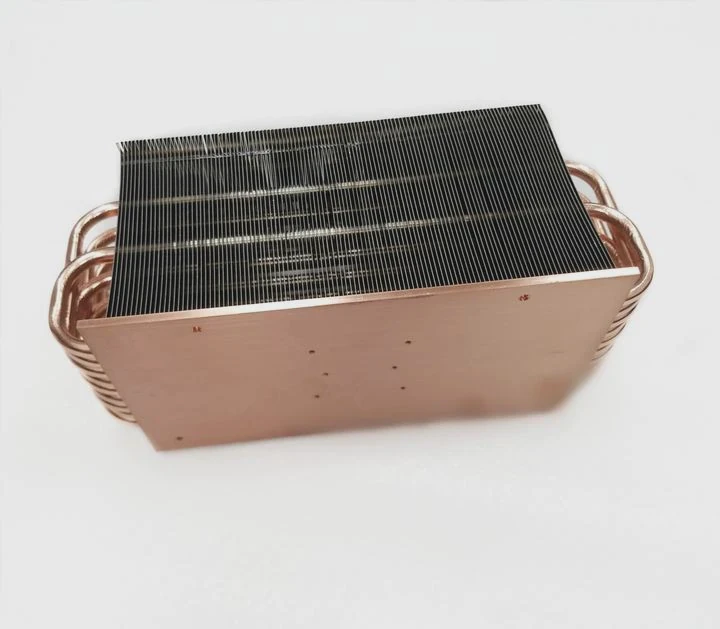
Customizations include new profiles, unusual features, internal channels, deep fins, or special assembly features. All of these require more work in design and production.
Key factors that add lead time
New die or tooling
When the profile is new, manufacturers must:
- Review your CAD file
- Check manufacturability
- Create a new die design
- Fabricate the die
- Test and adjust the die
Each of these steps adds days or weeks to the schedule.
Design iterations
Often the first prototype reveals small design improvements. Each revision takes extra time:
- Redesign and approval
- New programming for machining
- Rework or new production
- Reinspect and test
If you plan multiple rounds of review, add time accordingly.
Complex features and materials
Some features need precision machining, EDM, or special surface finishes. These steps take longer than simple cutting or pressing. Exotic materials or high-performance alloys also lengthen lead time because they are harder to source and process.
Example timeline for a customized prototype
| Step | Time Estimate |
|---|---|
| Design review | 2–5 days |
| Die design & approval | 5–10 days |
| Die fabrication | 7–14 days |
| First production run | 3–7 days |
| Iterations and adjustments | 3–10 days |
| Finishing & inspection | 2–4 days |
In total, a custom prototype job can easily stretch to 4–6 weeks when considering review cycles and testing.
Planning ahead to reduce delays
To reduce lead time for custom prototypes:
- Prepare clean CAD files
- Use standard materials and finishes when possible
- Limit unnecessary complexity early
- Freeze major design decisions before ordering
- Plan for one revision round only
Spending a little more time up front reduces risk of surprises later.
Can 3D printed prototypes reduce lead time?
3D printing is a common way to speed early prototype cycles.
Yes, 3D printed prototypes can reduce lead time to as little as 1–7 days, but they may not reflect true thermal performance.
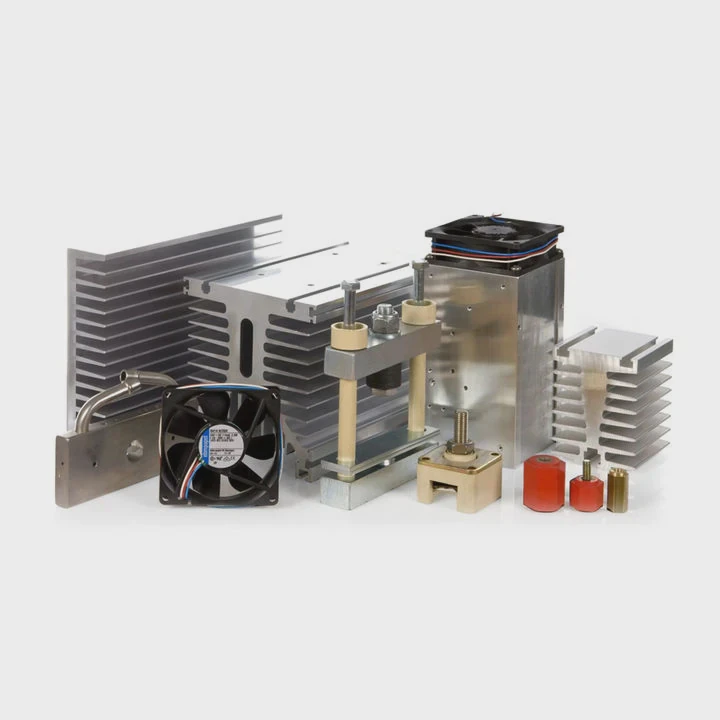
3D printing is best for form, fit, and early design validation. It helps you check size, mounting points, and physical features before investing in actual materials and tooling.
What 3D printing is good for
3D printing is useful when you need:
- A physical mockup
- Early validation before machining
- Quick design checks
- Prototype for assembly fit tests
Using 3D printed parts early means you can find obvious design flaws before you delay full production runs.
Limitations of 3D printed heat sinks
There are limits. 3D printed models usually:
- Do not have aluminum thermal properties
- May use plastic or resin materials
- Cannot reflect real heat transfer
- May not match final surface finish
Because thermal performance is critical in heat sink design, 3D printed parts are only a first step. They do not replace metal prototypes for performance testing.
Typical 3D printing timeline
| Printing Method | Lead Time |
|---|---|
| SLA / Resin | 1–3 days |
| FDM / Plastic | 1–3 days |
| SLS / Nylon | 2–5 days |
| Metal Binder Jet or Metal Printing | 5–10 days |
Metal 3D printing is slower, more expensive, and may still require post-processing like heat treatment or machining.
Cost vs lead time for 3D prototyping
3D printing reduces lead time at a cost:
- Resin and nylon prints are cheap but low performance
- Metal prints are expensive but closer to real behavior
- Metal prints also need machining or finishing for testing
Choosing the right method depends on what you need to validate before committing to full prototypes.
What info is needed to start prototyping?
To start any prototype work, manufacturers need clear and complete information. Missing details lead to misunderstandings and delays.
Essential info includes CAD files, material spec, surface finish needs, functional requirements, and expected testing criteria.
Required documents and files
1. CAD and drawings
Provide:
- STEP or IGES files
- 2D drawings with dimensions
- Tolerances clearly marked
- Notes on critical features
Clear CAD files help manufacturers estimate time, tooling needs, and machining steps accurately.
2. Material specification
Be specific about:
- Aluminum alloy grade
- Temper or heat treatment requirements
- Any special material properties
Common thermal alloys are 6063-T5, 6061-T6, and sometimes 7075 depending on strength needs. The choice affects lead time because some materials are easier to source and process.
3. Surface finish requirements
Tell your supplier if you need:
- Anodizing
- Powder coat
- Machined finish
- No coating
Surface finishes add days to lead time, and each finish has its own steps:
| Finish Type | Added Lead Time |
|---|---|
| Anodizing | 3–7 days |
| Powder coat | 5–10 days |
| Machined only | 1–3 days |
| Brushing | 2–5 days |
Explaining finishes ahead of time helps suppliers plan batching and shop floor routing clearly.
4. Functional requirements
Tell the manufacturer if the prototype must:
- Meet certain thermal specs
- Fit existing hardware
- Pass specific tests
Functional needs help them decide if they need extra steps, fixtures, or test setups. This directly affects timeline.
5. Quantity and future plans
Tell them:
- How many prototypes you need now
- Whether more will be needed later
- If you want production parts soon
This helps suppliers decide whether to reuse parts of the prototype process or plan for production batching.
Early communication reduces delays
The more specific you are upfront, the fewer questions the supplier must ask. That saves days or even weeks. Here is a simple checklist you can use:
Prototype Request checklist
- [ ] Final CAD files attached
- [ ] Material grade and temper specified
- [ ] Surface finish details included
- [ ] Tolerances defined
- [ ] Functional requirements explained
- [ ] Quantity and future order plans shared
- [ ] Required delivery date stated
Using this checklist when you submit a request saves time and prevents back-and-forth that delays production.
What happens after submission
Once the supplier has complete info:
- They review designs
- They confirm if tooling is ready or new tooling is needed
- They quote lead time and costs
- They schedule the job
- They produce and deliver prototypes
Incomplete info resets this sequence and adds time at every step.
Conclusion
Prototype lead time for heat sink samples depends on design type, tooling status, and manufacturing choices. Standard prototypes can be ready in 1–3 weeks, while custom jobs often take 3–6 weeks. Using 3D printing can speed early validation but can’t replace true metal prototypes for performance testing. Providing complete details from the start helps shorten lead time and keeps projects on schedule.
TAGS
Latest Articles

Volume discount levels for heat sink orders?
Buyers often ask when heat sink prices start to drop with volume. Many worry they’re overpaying for small orders. This guide explains how B2B volume pricing works for thermal components. Heat sink
21 Dec,2025
Heat sink long-term supply contract options?
Many buyers want stable pricing and reliable delivery for heat sinks. But without a clear contract, risks grow over time. This article explores how to secure better long-term supply deals. Long-term
21 Dec,2025
Tooling cost for new heat sink profiles?
Many engineers struggle to understand why tooling for custom heat sinks costs so much. They worry about budgeting and production timelines. This article breaks down the cost drivers behind tooling.
21 Dec,2025
Heat sink custom sample process steps?
Sometimes, starting a custom heat sink project feels overwhelming—too many steps, too many unknowns, and too many risks. You want a sample, but not endless delays. The process for requesting and
20 Dec,2025
Standard B2B terms for heat sink payments?
When buyers and sellers in B2B heat sink markets talk about payment, many don’t fully understand what’s standard. This can lead to delayed orders, miscommunication, and even lost business
20 Dec,2025
Heat sink pricing factors for large orders?
Heat sinks are vital for many systems. When prices rise, projects stall and budgets break. This problem can hit teams hard without warning. Large order heat sink pricing depends on many factors. You
20 Dec,2025Related Articles
- Heat sink MOQ for custom extrusion orders?
- Conflict-mineral declarations for heat sink metals?
- International Safety Standards for Heat Sink?
- Heat Sink Environmental Compliance for EU Markets?
- UL Certification Options for Heat Sink Products?
- REACH document needs for heat sink?
- Heat sink pricing factors for large orders?
- Standard B2B terms for heat sink payments?
- Heat sink custom sample process steps?
- Tooling cost for new heat sink profiles?
- Heat sink long-term supply contract options?
- Volume discount levels for heat sink orders?
Author
Dr. Emily Chen
Chief AI Researcher
Leading expert in thermal dynamics and AI optimization with over 15 years of experience in data center efficiency research.
Categories
Latest Products






Recommend Categories
- Liquid cooling plate Manufacturer
- Industrial Heat Sink Manufacturer
- Standard Heat Sink Manufacturer
- Aluminum Heat Sink Manufacturer
- Copper Heat Sink Manufacturer
- Anodized Heatsink Manufacturer
- Stamping heat sink Manufacturer
- Die Casting Heatsink Manufacturer
- Soldering heat sink Manufacturer
- CNC Parts Manufacturer
Latest Products
- Wholesale Aluminum Radiator
- Water Cooling Plate Kit
- Water Cooling Heat Sink
- Water Cooling Heat Sink Kit
- Stainless Steel Water Distributor
- Server Water Cooling Plate Kit
- Server Liquid Cooling System
- Server Aluminum Cooling Kit
- S19 Full Cover Cooling Plate
- S19 Cooling Plate Kit
- S19 Aluminum Cooling Plate
Contact Expert
Have questions about this article? Reach out to our experts directly.