International Safety Standards for Heat Sink?
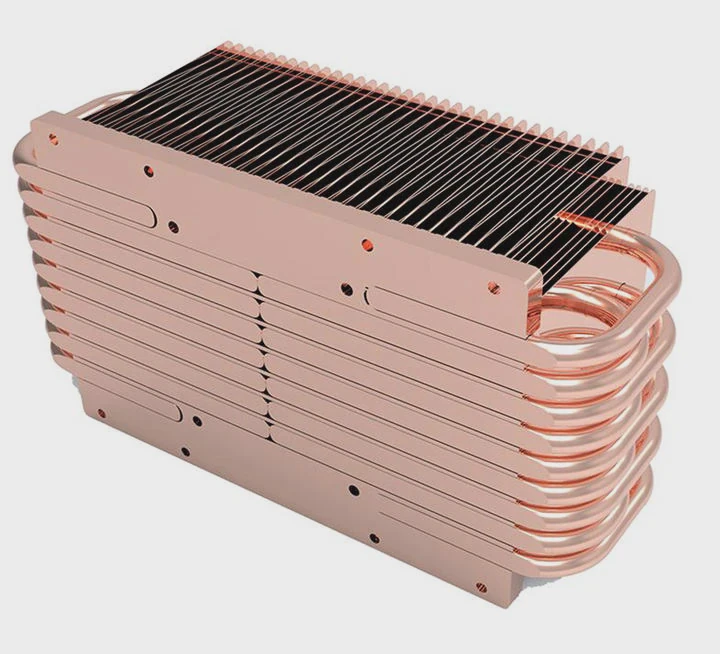
Safety is a top priority when designing and manufacturing heat sinks. Whether used in electronics, automotive systems, or industrial equipment, heat sinks need to meet various international safety standards to ensure their functionality and user safety. In this article, we’ll explore how different countries require safety labels, how IEC standards influence thermal design, and other key safety considerations.
What international safety standards apply to heat sinks?
Heat sinks must meet specific international safety standards to ensure compliance with regulations in different regions. These standards govern material safety, performance, and the overall integrity of the product. The most commonly referenced standards include IEC, UL, and regional regulations.
Understanding these standards is critical for manufacturers looking to sell heat sinks globally. Let’s dive into which countries and regions require safety labels, the role of IEC standards in thermal design, and more.
Which Countries Require Product Safety Labels?
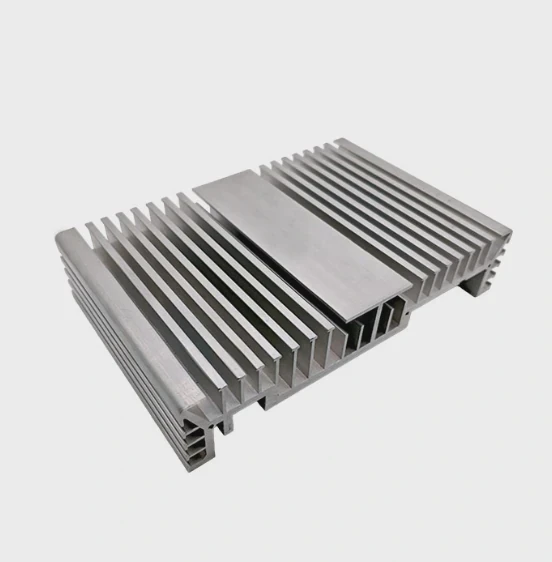
Many countries around the world require heat sinks to carry specific safety labels before they can be sold on the market. These labels indicate that the product has passed safety standards, ensuring that the heat sink will not pose a risk to the user.
Countries Requiring Safety Labels
Countries with strict product safety regulations require safety labels on heat sinks to ensure that they meet specific national standards. Some of the key countries and regions include:
European Union (EU)
The CE marking is mandatory for heat sinks sold within the EU. This mark confirms that the heat sink complies with all relevant EU directives, including those related to electrical safety, electromagnetic compatibility (EMC), and hazardous substances (RoHS).United States
In the U.S., heat sinks may need to carry the UL (Underwriters Laboratories) mark, indicating that they meet the safety standards set by UL. Additionally, compliance with standards such as UL 94 (flammability) may be required depending on the application.Canada
Similar to the U.S., Canada requires heat sinks to meet safety standards set by CSA (Canadian Standards Association). Products may also need to carry the CSA mark to indicate compliance with Canadian safety regulations.Japan
In Japan, the product safety label is required to comply with JIS (Japanese Industrial Standards) and specific safety guidelines for electronics and electrical components.Australia
Products sold in Australia must meet the safety requirements outlined by Standards Australia, including relevant certifications like the SAA (Standards Association of Australia) mark.China
In China, the CCC (China Compulsory Certification) mark is necessary for products, including heat sinks, that are used in certain applications. This label ensures the product adheres to Chinese national safety standards.
Summary Table of Safety Labels by Region
| Region/Country | Safety Label/Certification | Standards/Requirements |
|---|---|---|
| European Union (EU) | CE Mark | Electrical safety, EMC, RoHS, environmental |
| United States | UL Mark | UL 94 flammability, electrical safety |
| Canada | CSA Mark | Electrical safety, environmental regulations |
| Japan | JIS Mark | Electrical component safety, performance |
| Australia | SAA Mark | Electrical safety, compliance with local laws |
| China | CCC Mark | Electrical safety, environmental standards |
How Do IEC Standards Affect Thermal Design?
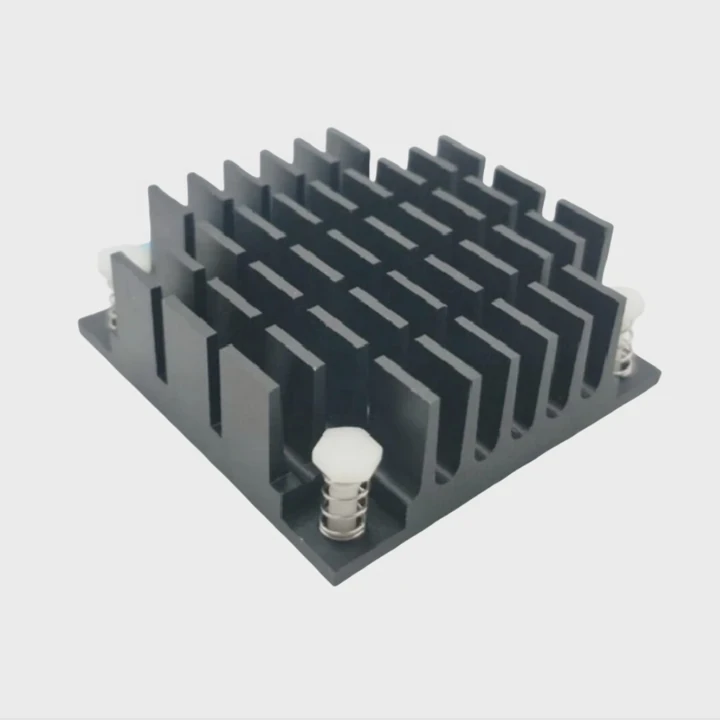
The International Electrotechnical Commission (IEC) plays a significant role in defining safety standards for electrical and electronic equipment, including heat sinks. IEC standards govern various aspects of electrical product safety, including thermal performance, material selection, and overall design integrity.
Impact of IEC Standards on Thermal Design
IEC standards influence thermal design by setting performance criteria that ensure the safe operation of electronic devices under different operating conditions. For heat sinks, the most relevant IEC standards include:
IEC 60335-1: Household and Similar Electrical Appliances
This standard outlines the safety requirements for household appliances, including the thermal management of heat-generating components. Heat sinks used in appliances must be designed to prevent overheating and ensure they provide adequate heat dissipation.IEC 60950-1: Information Technology Equipment – Safety
For IT equipment like servers and computers, IEC 60950-1 sets safety requirements, including the need for efficient heat dissipation to prevent device failure. Heat sinks must meet these standards to ensure that thermal performance doesn’t compromise user safety.IEC 61000-4-2: EMC Testing for Electrical Equipment
This standard addresses electromagnetic interference (EMI) and compatibility, which are crucial considerations in the thermal design of heat sinks. Heat sinks may be required to ensure they do not contribute to EMI that could affect other components or devices.
How IEC Standards Improve Heat Sink Safety and Performance
IEC standards provide guidelines for designing heat sinks that prevent overheating, maintain electrical safety, and minimize electromagnetic interference. Manufacturers must follow these standards to ensure their products are reliable and safe for use in various environments.
By adhering to IEC standards, heat sink manufacturers can guarantee their products meet global safety and performance expectations, ensuring compliance with regulations in multiple markets.
Can Non-Electrical Heat Sinks Need Certification?
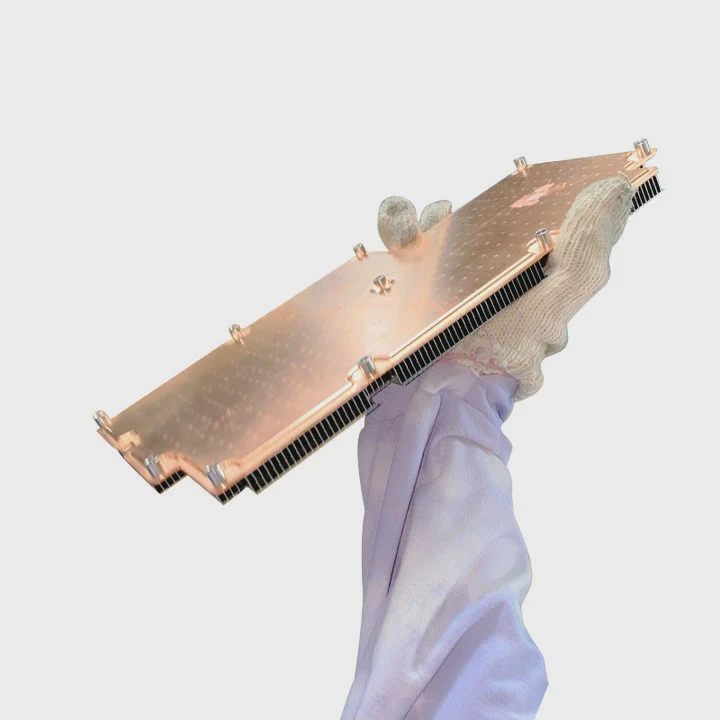
Heat sinks used in non-electrical applications, such as industrial equipment or automotive systems, may still require certification to ensure safety. While these heat sinks may not deal directly with electrical currents, they must still meet certain performance and safety standards to avoid overheating or posing risks to users.
Certification for Non-Electrical Heat Sinks
Automotive Industry
Heat sinks used in automotive systems (such as those in engine cooling or LED lighting) must meet industry-specific standards, including ISO certifications and safety standards for automotive components.Aerospace Industry
Aerospace applications require heat sinks to meet stringent safety standards related to material performance, including high thermal conductivity, fire resistance, and structural integrity under extreme conditions.Medical Industry
Medical devices that use heat sinks, such as diagnostic equipment or therapeutic devices, must comply with safety standards such as ISO 13485 (medical device quality management) to ensure they do not pose a hazard to patients.Industrial Applications
Heat sinks in industrial machinery and equipment may need to meet OSHA (Occupational Safety and Health Administration) or other safety regulations to prevent accidents caused by overheating or poor thermal management.
Summary Table of Certifications for Non-Electrical Heat Sinks
| Industry | Relevant Certifications | Safety Considerations |
|---|---|---|
| Automotive | ISO 9001, ISO/TS 16949 | Fire resistance, thermal performance under stress |
| Aerospace | AS9100, MIL-STD-810 | High-performance, thermal stability in extreme conditions |
| Medical | ISO 13485 | Safety, quality management for medical devices |
| Industrial | OSHA, ISO 14001 | Occupational safety, environmental impact |
What Tests Ensure User Safety in Use Cases?
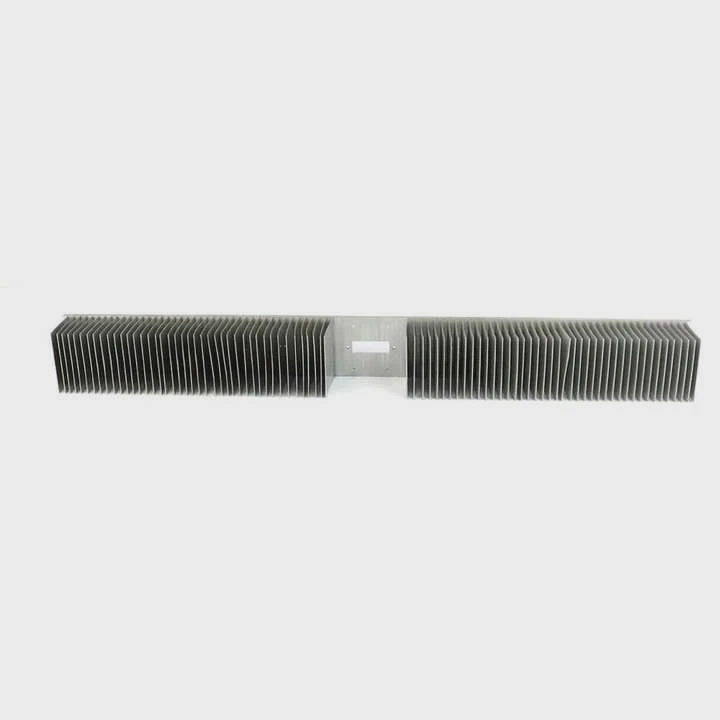
Testing is essential to ensure that heat sinks meet safety standards across various use cases. These tests focus on verifying the heat sink’s performance under normal operating conditions, as well as under extreme conditions.
Key Tests for Heat Sink Safety
Thermal Testing
Thermal testing is critical to ensure the heat sink can efficiently dissipate heat. This includes measuring the heat sink’s thermal resistance, airflow characteristics, and its ability to manage heat under varying loads. These tests ensure the heat sink will prevent overheating and system failure.Electrical Safety Testing
For heat sinks used in electronic applications, electrical safety tests such as dielectric strength testing and insulation resistance testing verify that the heat sink can withstand electrical faults without posing a risk to users.Mechanical Testing
Mechanical testing ensures the heat sink can withstand physical stress, vibrations, and other environmental factors. For example, drop tests, vibration tests, and durability tests are conducted to verify the heat sink’s structural integrity.Fire Resistance Testing
Fire resistance tests, such as flammability testing (UL 94), ensure that the heat sink does not contribute to fire hazards in case of electrical malfunctions or overheating. This is particularly important in consumer electronics, automotive, and aerospace applications.EMC Testing
Electromagnetic compatibility (EMC) testing ensures that the heat sink does not emit excessive electromagnetic interference (EMI), which could disrupt other electronic devices. This is particularly important for sensitive applications like telecommunications and medical devices.
Summary Table of Safety Tests
| Test Type | Purpose | Application |
|---|---|---|
| Thermal Testing | Measures heat dissipation and performance | Electronics, automotive, industrial applications |
| Electrical Safety Test | Ensures insulation and fault tolerance | Electronics and electrical components |
| Mechanical Testing | Tests structural integrity and durability | Aerospace, automotive, industrial applications |
| Fire Resistance Test | Ensures product does not catch fire | Consumer electronics, automotive |
| EMC Testing | Prevents electromagnetic interference | Electronics, telecommunications |
Conclusion
International safety standards for heat sinks are critical for ensuring the reliability, performance, and user safety of these products in various applications. Manufacturers must adhere to country-specific labeling requirements, IEC standards, and certification processes to meet global safety expectations.
TAGS
Latest Articles

Volume discount levels for heat sink orders?
Buyers often ask when heat sink prices start to drop with volume. Many worry they’re overpaying for small orders. This guide explains how B2B volume pricing works for thermal components. Heat sink
21 Dec,2025
Heat sink long-term supply contract options?
Many buyers want stable pricing and reliable delivery for heat sinks. But without a clear contract, risks grow over time. This article explores how to secure better long-term supply deals. Long-term
21 Dec,2025
Tooling cost for new heat sink profiles?
Many engineers struggle to understand why tooling for custom heat sinks costs so much. They worry about budgeting and production timelines. This article breaks down the cost drivers behind tooling.
21 Dec,2025
Heat sink custom sample process steps?
Sometimes, starting a custom heat sink project feels overwhelming—too many steps, too many unknowns, and too many risks. You want a sample, but not endless delays. The process for requesting and
20 Dec,2025
Standard B2B terms for heat sink payments?
When buyers and sellers in B2B heat sink markets talk about payment, many don’t fully understand what’s standard. This can lead to delayed orders, miscommunication, and even lost business
20 Dec,2025
Heat sink pricing factors for large orders?
Heat sinks are vital for many systems. When prices rise, projects stall and budgets break. This problem can hit teams hard without warning. Large order heat sink pricing depends on many factors. You
20 Dec,2025Related Articles
- Heat Sink Environmental Compliance for EU Markets?
- UL Certification Options for Heat Sink Products?
- REACH document needs for heat sink?
- Heat sink RoHS compliance details?
- Mechanical strength standards for heat sink?
- Heat sink coating durability testing methods?
- Conflict-mineral declarations for heat sink metals?
- Heat sink MOQ for custom extrusion orders?
- Prototype lead time for heat sink samples?
- Heat sink pricing factors for large orders?
- Standard B2B terms for heat sink payments?
- Heat sink custom sample process steps?
Author
Dr. Emily Chen
Chief AI Researcher
Leading expert in thermal dynamics and AI optimization with over 15 years of experience in data center efficiency research.
Categories
Latest Products
Recommend Categories
- Liquid cooling plate Manufacturer
- Industrial Heat Sink Manufacturer
- Standard Heat Sink Manufacturer
- Aluminum Heat Sink Manufacturer
- Copper Heat Sink Manufacturer
- Anodized Heatsink Manufacturer
- Stamping heat sink Manufacturer
- Die Casting Heatsink Manufacturer
- Soldering heat sink Manufacturer
- CNC Parts Manufacturer
Latest Products
- Wholesale Aluminum Radiator
- Water Cooling Plate Kit
- Water Cooling Heat Sink
- Water Cooling Heat Sink Kit
- Stainless Steel Water Distributor
- Server Water Cooling Plate Kit
- Server Liquid Cooling System
- Server Aluminum Cooling Kit
- S19 Full Cover Cooling Plate
- S19 Cooling Plate Kit
- S19 Aluminum Cooling Plate
Contact Expert
Have questions about this article? Reach out to our experts directly.