Heat Sink Environmental Compliance for EU Markets?
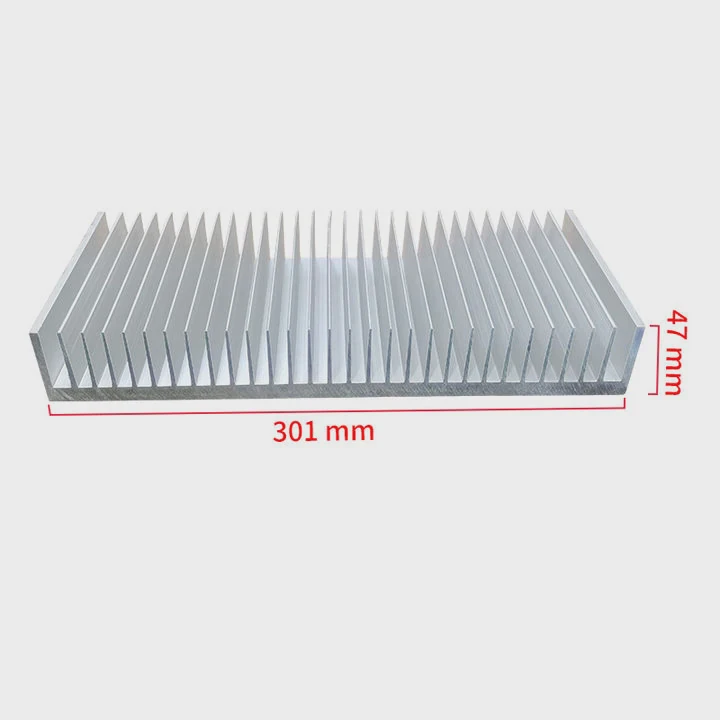
Navigating the complex landscape of environmental regulations in the EU can be daunting, especially when it comes to heat sinks. If you’re in the thermal management industry, you need to stay compliant.
The EU has strict environmental laws that impact the sale of heat sinks, including the WEEE and RoHS directives. These regulations ensure that manufacturers meet recycling and material safety standards, promoting sustainability in thermal components.
Compliance is not just about avoiding fines. It’s about demonstrating responsibility and contributing to a sustainable future. Let’s dive into the key laws and what they mean for your business.
What environmental laws impact heat sink sales?
Are you aware of the environmental laws governing heat sink sales in the EU? Ignoring them can cost your business time and money. Let’s explore the key regulations.
Heat sinks in the EU must comply with several environmental laws, including the Waste Electrical and Electronic Equipment (WEEE) Directive, the Restriction of Hazardous Substances (RoHS) Directive, and the EcoDesign Directive. These laws aim to minimize environmental impact.
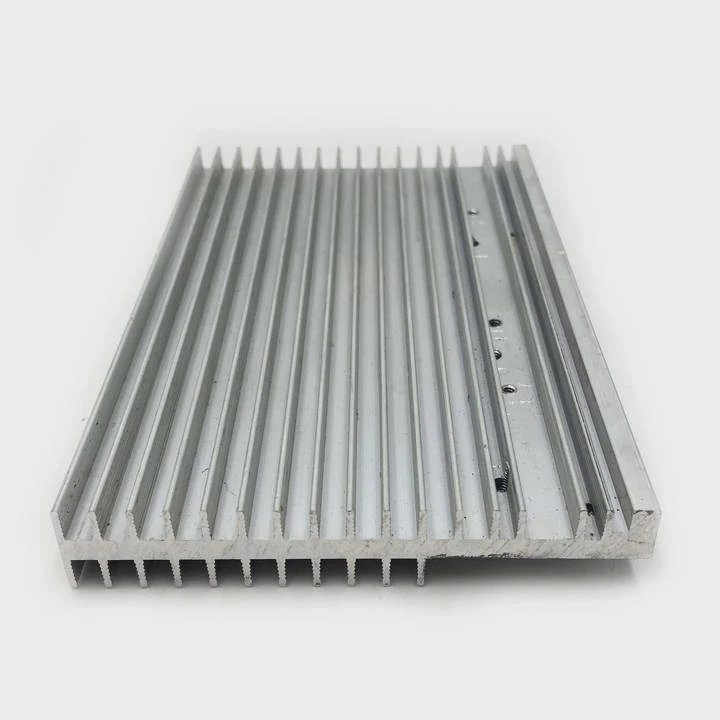
The EU’s commitment to sustainability is clear through its robust environmental regulations, impacting industries from electronics to thermal components like heat sinks. Let’s break down the laws and their relevance:
WEEE Directive
The Waste Electrical and Electronic Equipment (WEEE) Directive is designed to reduce waste from electrical and electronic products. For heat sinks, this means that they must be recyclable and easily separated from other materials at the end of life. Manufacturers and importers must register with national authorities and comply with collection and recycling targets.
Key WEEE Obligations:
- Registration: Companies must register their products with national WEEE compliance schemes.
- Take-back Schemes: Manufacturers must facilitate the collection of waste heat sinks from end-users.
- Recycling Targets: Ensure that a specified percentage of products are recycled.
Failure to meet these obligations can result in fines and reputational damage.
RoHS Directive
The Restriction of Hazardous Substances (RoHS) Directive restricts the use of certain hazardous materials in electrical and electronic products. Heat sinks often contain metals like lead, mercury, and cadmium, which are harmful to both human health and the environment. Under RoHS, heat sinks must not exceed the permissible levels of these substances.
RoHS Compliance for Heat Sinks:
| Substance | Maximum Concentration (w/w) |
|---|---|
| Lead (Pb) | 0.1% |
| Mercury (Hg) | 0.1% |
| Cadmium (Cd) | 0.01% |
| Hexavalent Chromium (Cr6+) | 0.1% |
| Polybrominated Biphenyls (PBB) | 0.1% |
| Polybrominated Diphenyl Ethers (PBDE) | 0.1% |
Manufacturers must verify their heat sink products are RoHS-compliant and issue a declaration of conformity.
EcoDesign Directive
The EcoDesign Directive aims to improve the environmental performance of products throughout their lifecycle. For heat sinks, this includes designing products that are energy-efficient, use sustainable materials, and are recyclable.
Incorporating these directives into your design process can help you meet compliance and reduce the environmental footprint of your products.
How does WEEE relate to thermal components?
How does the WEEE Directive apply to thermal components like heat sinks? Understanding this link is crucial for staying compliant.
The WEEE Directive mandates that thermal components such as heat sinks must be recyclable, and manufacturers must facilitate their collection and recycling. These regulations ensure responsible disposal of electronic waste.
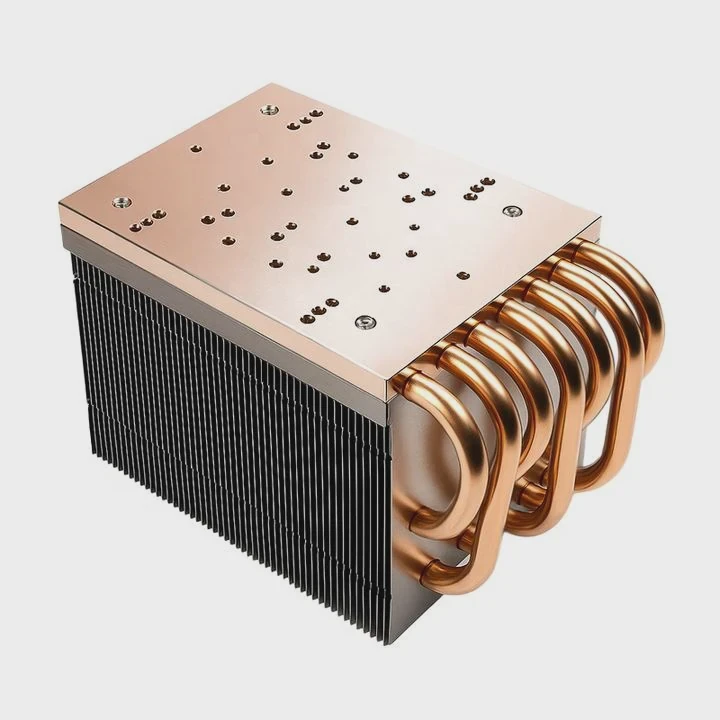
WEEE regulations are not just about reducing waste. They also require that all components of electrical and electronic equipment, including heat sinks, be treated and recycled properly. As an importer or manufacturer, you have several responsibilities under the WEEE Directive:
Registration and Reporting
If you place heat sinks on the market in the EU, you must register with the appropriate national WEEE compliance scheme. This ensures that your products are tracked throughout their lifecycle. You must report the quantities of heat sinks you place on the market and their eventual disposal.
Take-back Systems
When your heat sinks reach the end of their life, they must be collected and recycled. Under WEEE, producers are required to establish or join take-back systems. These systems make it easier for consumers and businesses to dispose of electronic waste responsibly. For thermal components, it’s essential to make your products easy to disassemble, so materials like aluminum can be recycled efficiently.
Design for Recycling
WEEE also encourages product design that prioritizes recyclability. For heat sinks, this means ensuring that components are easy to separate from other parts of an electronic device. It might involve using fewer materials that are difficult to recycle, such as certain plastics or mixed metals.
Can lifecycle analysis support compliance?
What role does lifecycle analysis (LCA) play in helping companies comply with EU regulations for heat sinks? Let’s explore how this process can support your compliance efforts.
Lifecycle analysis helps assess the environmental impact of a heat sink from its production to disposal. This assessment supports compliance with regulations like WEEE and RoHS, guiding manufacturers to reduce their carbon footprint.
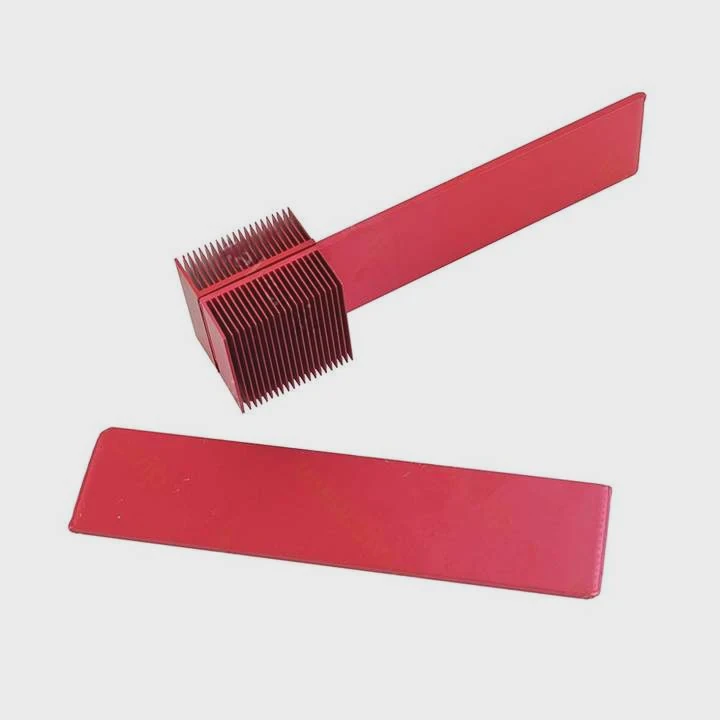
Lifecycle analysis (LCA) is a powerful tool for ensuring that your heat sink products comply with EU regulations. By analyzing each stage of a product’s life—from material extraction to production, use, and disposal—you can identify areas where environmental impacts can be reduced.
Key Benefits of LCA for Heat Sinks:
- Environmental Impact Reduction: LCA helps identify energy consumption, waste, and emissions at each stage of a product’s life. For heat sinks, this could lead to changes in material selection or production processes that reduce environmental impact.
- Regulatory Compliance: By conducting LCA, companies can better understand how their products align with EU regulations such as RoHS, WEEE, and the EcoDesign Directive. For example, an LCA could reveal whether a heat sink contains hazardous substances that need to be removed to meet RoHS standards.
- Improved Sustainability: An LCA can highlight opportunities to use renewable materials or adopt energy-efficient manufacturing processes, which aligns with the EU’s broader sustainability goals.
By using LCA data, manufacturers can not only meet regulatory requirements but also market their products as environmentally friendly, which is increasingly important to consumers and businesses alike.
What declarations are required by importers?
Are you importing heat sinks into the EU? If so, what declarations do you need to make to stay compliant with regulations?
Importers must provide declarations to prove their heat sinks comply with EU regulations like RoHS and WEEE. These declarations include certificates of conformity and details of recycling efforts.
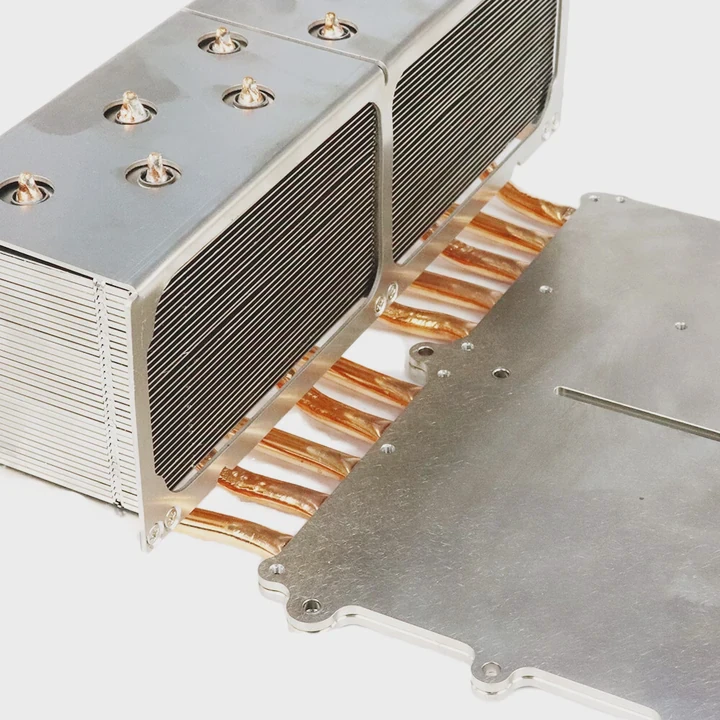
As an importer of heat sinks into the EU, it’s essential to provide the necessary documentation to prove compliance with environmental laws. Here’s an overview of the key declarations required:
Declarations of Conformity (RoHS)
Under RoHS, importers must provide a declaration of conformity. This declaration verifies that the heat sinks meet the standards for hazardous substances. It’s essential that the declaration includes test reports from recognized laboratories confirming that the product does not exceed the prescribed limits for substances like lead, mercury, and cadmium.
WEEE Registration and Reporting
Importers must also comply with WEEE by registering with national authorities. Depending on the volume of heat sinks being imported, you may need to report the quantities placed on the market. These figures must align with national recycling targets, ensuring that products are eventually collected and recycled appropriately.
EcoDesign Declaration
For heat sinks that fall under the EcoDesign Directive, importers may need to provide additional documentation showing how the product meets energy efficiency and sustainability standards. This could include information about materials used in the heat sink, its recyclability, and the carbon footprint associated with its production and disposal.
Conclusion
Ensuring heat sink compliance with EU regulations is not just about legal obligations—it’s also about contributing to a sustainable future. By following the WEEE, RoHS, and EcoDesign directives, manufacturers and importers can reduce environmental impact and build a reputation as responsible business leaders.
TAGS
Latest Articles

Volume discount levels for heat sink orders?
Buyers often ask when heat sink prices start to drop with volume. Many worry they’re overpaying for small orders. This guide explains how B2B volume pricing works for thermal components. Heat sink
21 Dec,2025
Heat sink long-term supply contract options?
Many buyers want stable pricing and reliable delivery for heat sinks. But without a clear contract, risks grow over time. This article explores how to secure better long-term supply deals. Long-term
21 Dec,2025
Tooling cost for new heat sink profiles?
Many engineers struggle to understand why tooling for custom heat sinks costs so much. They worry about budgeting and production timelines. This article breaks down the cost drivers behind tooling.
21 Dec,2025
Heat sink custom sample process steps?
Sometimes, starting a custom heat sink project feels overwhelming—too many steps, too many unknowns, and too many risks. You want a sample, but not endless delays. The process for requesting and
20 Dec,2025
Standard B2B terms for heat sink payments?
When buyers and sellers in B2B heat sink markets talk about payment, many don’t fully understand what’s standard. This can lead to delayed orders, miscommunication, and even lost business
20 Dec,2025
Heat sink pricing factors for large orders?
Heat sinks are vital for many systems. When prices rise, projects stall and budgets break. This problem can hit teams hard without warning. Large order heat sink pricing depends on many factors. You
20 Dec,2025Related Articles
- UL Certification Options for Heat Sink Products?
- REACH document needs for heat sink?
- Heat sink RoHS compliance details?
- Mechanical strength standards for heat sink?
- Heat sink coating durability testing methods?
- Requirements for custom heat sink extrusion dies?
- International Safety Standards for Heat Sink?
- Conflict-mineral declarations for heat sink metals?
- Heat sink MOQ for custom extrusion orders?
- Prototype lead time for heat sink samples?
- Heat sink pricing factors for large orders?
- Standard B2B terms for heat sink payments?
Author
Dr. Emily Chen
Chief AI Researcher
Leading expert in thermal dynamics and AI optimization with over 15 years of experience in data center efficiency research.
Categories
Latest Products






Recommend Categories
- Liquid cooling plate Manufacturer
- Industrial Heat Sink Manufacturer
- Standard Heat Sink Manufacturer
- Aluminum Heat Sink Manufacturer
- Copper Heat Sink Manufacturer
- Anodized Heatsink Manufacturer
- Stamping heat sink Manufacturer
- Die Casting Heatsink Manufacturer
- Soldering heat sink Manufacturer
- CNC Parts Manufacturer
Latest Products
- Wholesale Aluminum Radiator
- Water Cooling Plate Kit
- Water Cooling Heat Sink
- Water Cooling Heat Sink Kit
- Stainless Steel Water Distributor
- Server Water Cooling Plate Kit
- Server Liquid Cooling System
- Server Aluminum Cooling Kit
- S19 Full Cover Cooling Plate
- S19 Cooling Plate Kit
- S19 Aluminum Cooling Plate
Contact Expert
Have questions about this article? Reach out to our experts directly.