UL Certification Options for Heat Sink Products?
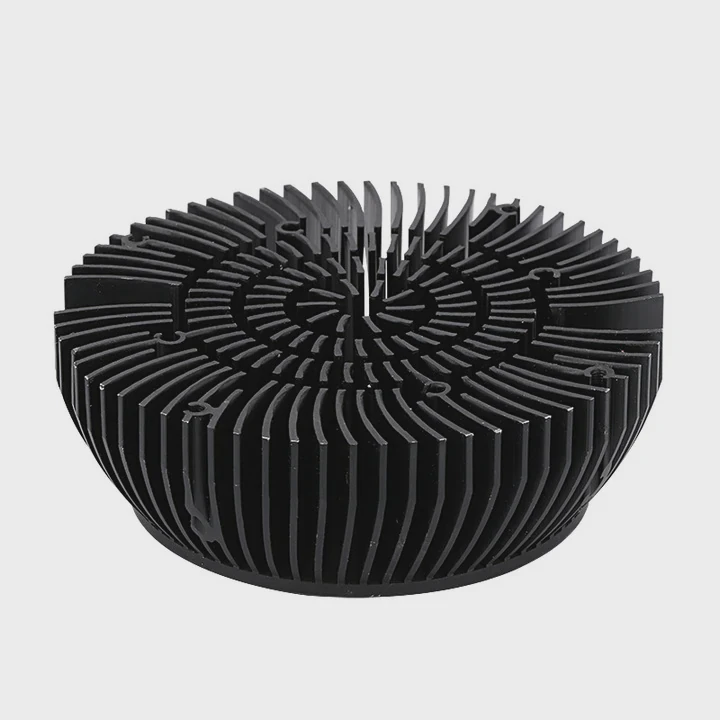
Heat sinks play a critical role in thermal management, especially in high-performance electronics. However, understanding the complexities of UL certification for these components can seem overwhelming.
UL certification for heat sink products is vital to ensure their safety, reliability, and compliance with international standards. The process involves testing heat sinks for flammability, material performance, and overall durability, which are necessary for the safe operation of electrical and electronic systems.
Understanding UL certification requirements and how heat sinks are tested helps manufacturers meet safety standards and improve their products. In this article, we’ll explore the key aspects of UL certification for heat sink products, including which standards apply, how fire resistance is tested, whether custom sinks can be UL listed, and the testing process.
Which UL Standards Cover Thermal Components?
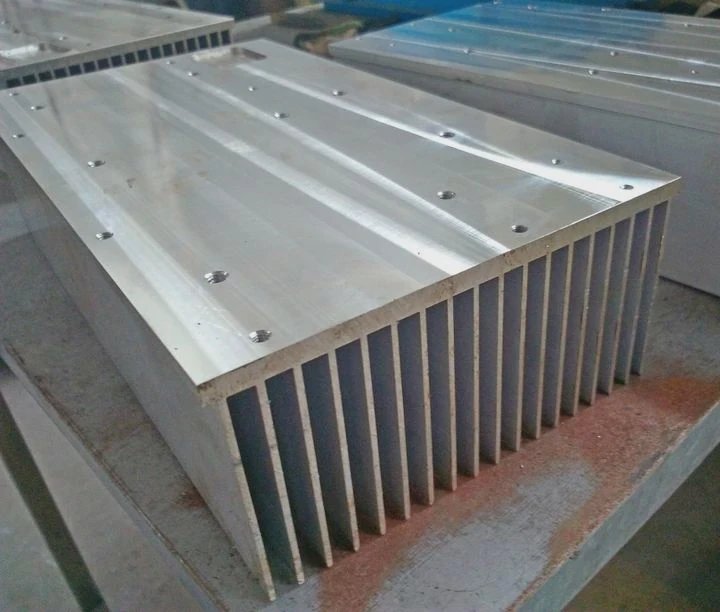
When it comes to UL certification for heat sink products, several standards may apply. These standards help ensure that the thermal components are safe, reliable, and able to withstand the conditions they will face in real-world applications.
Key UL Standards for Thermal Components:
UL 94 (Flammability of Plastic Materials for Parts in Devices and Appliances): This standard tests plastic materials for their flammability. If heat sinks contain plastic components, they must meet specific criteria related to how they react to flame exposure.
UL 60950-1 (Safety of Information Technology Equipment): Although primarily intended for information technology equipment, this standard includes requirements for thermal management, including the heat dissipation characteristics of electronic components.
UL 746C (Polymer Materials - Long Term Property Evaluations): This standard focuses on evaluating the long-term properties of polymer materials, such as their fire resistance and ability to perform under high temperatures.
UL 1449 (Surge Protective Devices): This standard applies to heat sinks used in surge protection devices. These components must pass thermal and electrical safety tests to prevent hazards during usage.
UL 1995 (Heating and Cooling Equipment): This standard applies to components that are part of heating or cooling systems, ensuring that heat sinks used in such systems are safe and perform well under temperature extremes.
By meeting these standards, heat sinks can prove their durability, fire resistance, and overall reliability.
How is Fire Resistance Tested for UL Compliance?
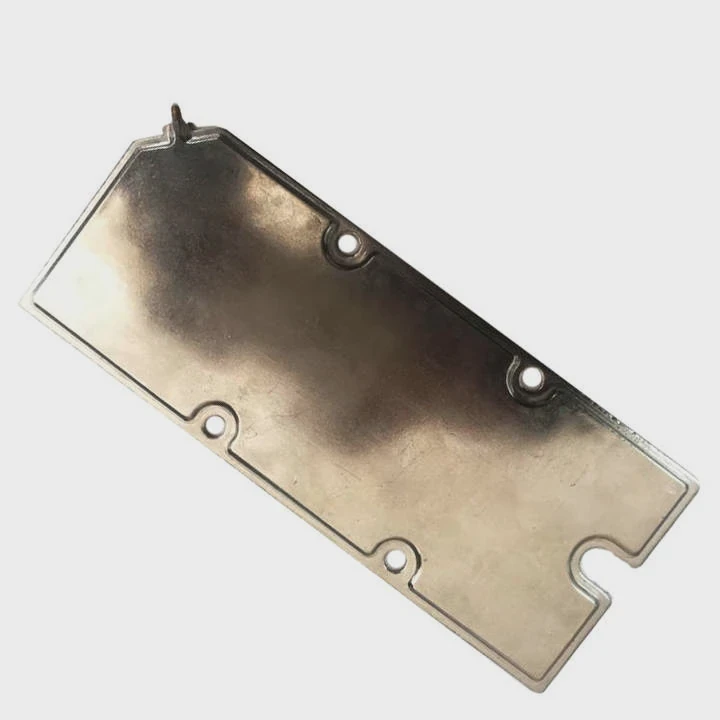
Fire resistance is a crucial factor in UL testing for heat sink components. If a heat sink is made from materials that may catch fire or conduct heat dangerously, it can pose significant risks to the equipment and people around it.
Fire Resistance Testing Methods
Heat sinks are tested for fire resistance in several key ways, each designed to evaluate how well the product performs under flame or high-temperature exposure. Some of the primary methods include:
Flame Propagation Testing: Heat sinks are exposed to flames to see how quickly the material catches fire or spreads the flame. UL 94 evaluates this for plastic materials, while UL 60950-1 may apply to heat sinks in electrical equipment.
Burning Rate: The time it takes for a material to burn completely or self-extinguish is measured. UL standards often require that materials used in heat sinks have a slow burn rate or extinguish themselves after the flame is removed.
Heat Resistance: UL tests the material’s ability to maintain structural integrity at high temperatures. Heat sinks must be able to endure long-term exposure to elevated temperatures without degrading.
For manufacturers, passing these fire resistance tests ensures that their heat sinks won’t cause dangerous failures in thermal management or fire hazards in critical applications.
Can Custom Sinks Be UL Listed or Recognized?
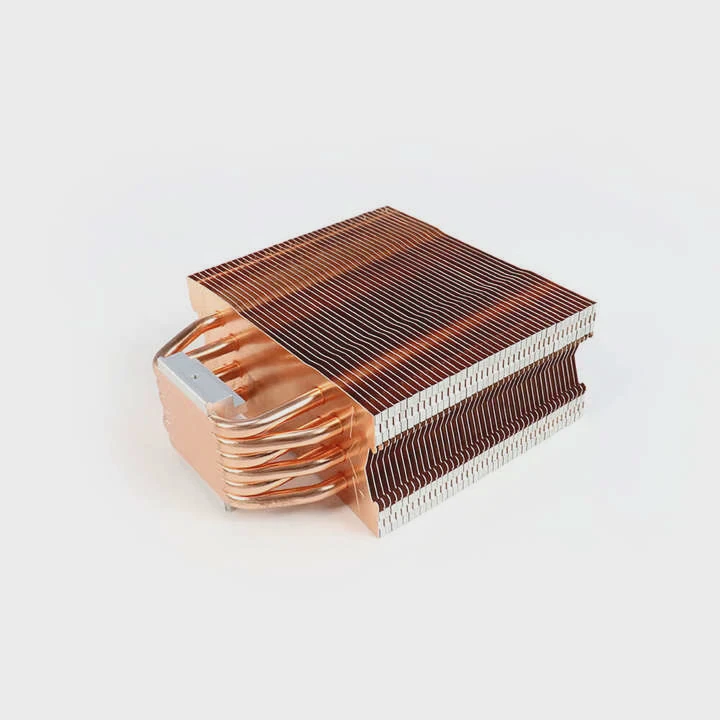
Custom heat sinks are often needed for specific applications, particularly in industries like aerospace, automotive, and telecommunications. But can these custom solutions also achieve UL certification?
Custom Heat Sinks and UL Certification
Yes, custom heat sinks can be UL listed or recognized, but there are additional considerations compared to off-the-shelf products. Here’s what you need to know:
1. Design Evaluation:
Custom heat sinks must be evaluated based on their design. UL will assess how the design meets safety standards for electrical components, flame resistance, and overall heat management. If your heat sink uses non-standard materials or innovative designs, UL will determine whether it complies with relevant UL standards.
2. Material Testing:
Just like standard heat sinks, custom components must undergo material testing. This testing checks for fire resistance, thermal performance, and other key characteristics. Custom materials, like high-performance alloys or composites, might need additional testing to ensure safety.
3. UL Listing vs. UL Recognition:
- UL Listing: This is the most common certification for products that are sold to consumers or used in general applications. A custom heat sink can be UL listed if it complies with the relevant standards.
- UL Recognition: If the custom heat sink is part of a larger product, such as an electronic device or industrial system, it may be UL recognized. This means it meets UL standards, but its primary certification applies to the whole device.
4. Certification Process:
For a custom heat sink to be UL listed or recognized, it must undergo a formal evaluation process. This involves submitting the design, materials, and prototype to UL for testing. Depending on the complexity of the custom design, the process may take longer than for standard products.
Custom heat sinks can absolutely achieve UL certification, but it requires careful planning and attention to detail during the design and testing phases.
What is the Process for Submitting to UL Testing?
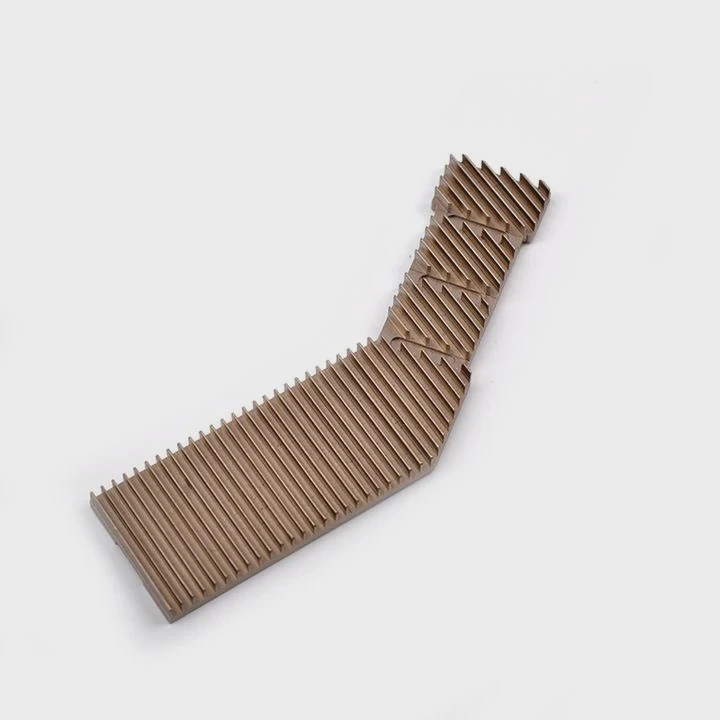
Submitting a heat sink for UL testing is an important step in ensuring the product meets safety and performance standards. But how does the process work, and what should manufacturers expect?
Steps in the UL Testing Process
Initial Consultation: Before submitting a product, it’s helpful to have a discussion with UL to understand the specific standards that apply to your heat sink. This can help ensure that all the necessary tests are performed and that you know what to expect during the evaluation.
Design Review: UL engineers will review the design of your heat sink, including its materials, dimensions, and thermal properties. This review helps UL determine which tests are needed. During this phase, you’ll need to provide detailed specifications and engineering drawings.
Testing: The heat sink will undergo a variety of tests based on the relevant UL standards. These tests can include flame resistance, heat resistance, mechanical performance, and electrical safety assessments. The goal is to ensure the heat sink performs safely and reliably in all conditions.
Evaluation Report: After testing, UL will provide an evaluation report. If the heat sink passes all the required tests, it will be UL listed or recognized. If it doesn’t meet the standards, UL will provide feedback on areas that need improvement, which may require redesign and re-testing.
Ongoing Compliance: Once a heat sink is UL certified, it must undergo periodic re-evaluation to ensure it continues to meet safety standards. This can involve additional testing or random inspections of the production process.
The UL certification process ensures that your heat sink is safe, reliable, and meets all applicable safety standards. While the process may take some time and effort, the end result is well worth it.
Conclusion
UL certification is an essential process for ensuring that heat sinks meet safety, performance, and fire resistance standards. Understanding the relevant UL standards and the testing process can help manufacturers create reliable and compliant products. By achieving UL certification, heat sink manufacturers can improve their products and build customer trust.
TAGS
Latest Articles

Volume discount levels for heat sink orders?
Buyers often ask when heat sink prices start to drop with volume. Many worry they’re overpaying for small orders. This guide explains how B2B volume pricing works for thermal components. Heat sink
21 Dec,2025
Heat sink long-term supply contract options?
Many buyers want stable pricing and reliable delivery for heat sinks. But without a clear contract, risks grow over time. This article explores how to secure better long-term supply deals. Long-term
21 Dec,2025
Tooling cost for new heat sink profiles?
Many engineers struggle to understand why tooling for custom heat sinks costs so much. They worry about budgeting and production timelines. This article breaks down the cost drivers behind tooling.
21 Dec,2025
Heat sink custom sample process steps?
Sometimes, starting a custom heat sink project feels overwhelming—too many steps, too many unknowns, and too many risks. You want a sample, but not endless delays. The process for requesting and
20 Dec,2025
Standard B2B terms for heat sink payments?
When buyers and sellers in B2B heat sink markets talk about payment, many don’t fully understand what’s standard. This can lead to delayed orders, miscommunication, and even lost business
20 Dec,2025
Heat sink pricing factors for large orders?
Heat sinks are vital for many systems. When prices rise, projects stall and budgets break. This problem can hit teams hard without warning. Large order heat sink pricing depends on many factors. You
20 Dec,2025Related Articles
- REACH document needs for heat sink?
- Heat sink RoHS compliance details?
- Mechanical strength standards for heat sink?
- Heat sink coating durability testing methods?
- Requirements for custom heat sink extrusion dies?
- Heat sink export packaging requirements?
- Heat Sink Environmental Compliance for EU Markets?
- International Safety Standards for Heat Sink?
- Conflict-mineral declarations for heat sink metals?
- Heat sink MOQ for custom extrusion orders?
- Prototype lead time for heat sink samples?
- Heat sink pricing factors for large orders?
Author
Dr. Emily Chen
Chief AI Researcher
Leading expert in thermal dynamics and AI optimization with over 15 years of experience in data center efficiency research.
Categories
Latest Products






Recommend Categories
- Liquid cooling plate Manufacturer
- Industrial Heat Sink Manufacturer
- Standard Heat Sink Manufacturer
- Aluminum Heat Sink Manufacturer
- Copper Heat Sink Manufacturer
- Anodized Heatsink Manufacturer
- Stamping heat sink Manufacturer
- Die Casting Heatsink Manufacturer
- Soldering heat sink Manufacturer
- CNC Parts Manufacturer
Latest Products
- Wholesale Aluminum Radiator
- Water Cooling Plate Kit
- Water Cooling Heat Sink
- Water Cooling Heat Sink Kit
- Stainless Steel Water Distributor
- Server Water Cooling Plate Kit
- Server Liquid Cooling System
- Server Aluminum Cooling Kit
- S19 Full Cover Cooling Plate
- S19 Cooling Plate Kit
- S19 Aluminum Cooling Plate
Contact Expert
Have questions about this article? Reach out to our experts directly.