What is vapor chamber cooling?
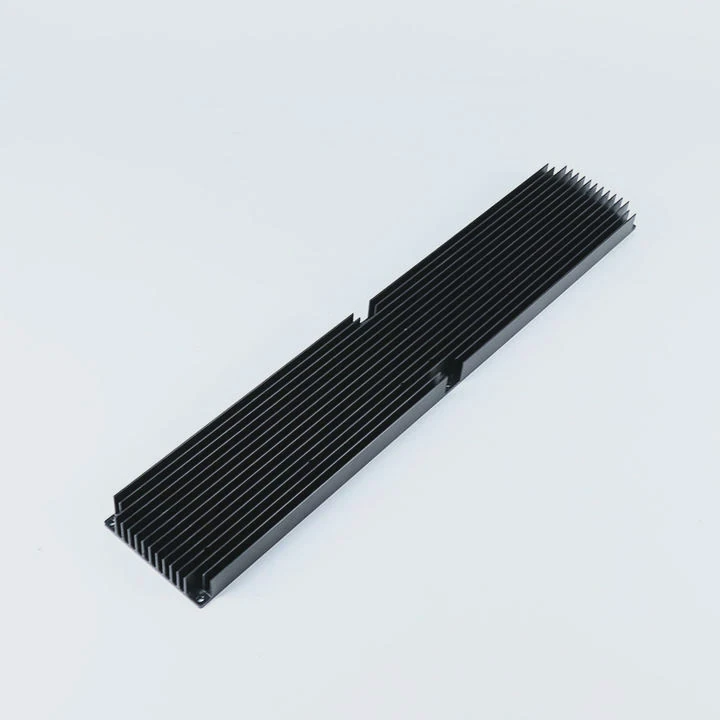
I still remember the first time I held a device that used vapor chamber cooling. I expected traditional metal plates or heat pipes, but instead, I found a thin metal structure with a silent cooling cycle happening inside it.
Vapor chamber cooling is a flat, sealed heat-spreading system that uses evaporating and condensing liquid to move heat quickly and evenly across a device.
I want to show you how this system operates, why it is efficient, which devices use it, and how it compares to liquid cooling.
How does vapor chamber cooling operate?
Most people hear the term “vapor chamber cooling” and imagine something complex, but the internal process is simple and very effective.
Vapor chamber cooling operates by evaporating a liquid at the heat source, spreading heat through vapor movement, condensing the vapor in cooler regions, and returning the liquid through a wick layer to repeat the cycle.
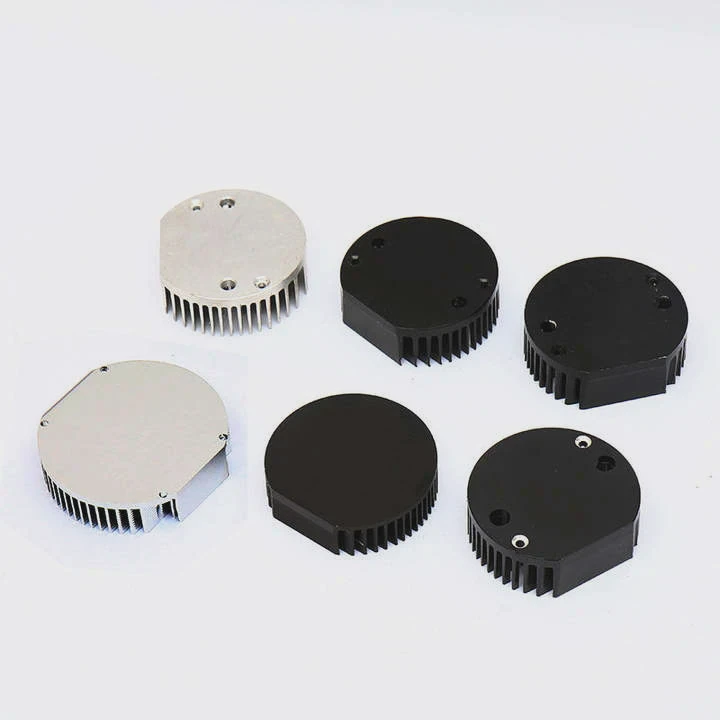
When I examine devices that use vapor chambers, I notice one common thing: they handle heat far better than older designs. A vapor chamber is like a wide, thin heat pipe. Inside the chamber is a small amount of coolant, a wick layer, and a sealed metal cavity. The entire process relies on phase change cooling, which reacts instantly to rising temperatures. This allows devices to stay cool under heavy use.
Evaporation removes heat quickly
When the processor or GPU generates heat, the coolant in the chamber evaporates. This evaporation absorbs energy and lowers the hotspot temperature faster than metal conduction can alone. This is why vapor chambers feel very responsive during heavy loads.
Vapor moves heat faster than metal
The vapor spreads through the chamber, carrying heat across the surface. Vapor movement transports heat much faster than conduction in solid copper or aluminum. This rapid movement explains why vapor chambers control spikes better than heat pipes.
Condensation releases heat smoothly
The vapor reaches cooler areas inside the chamber and condenses back into liquid. During this process, the heat moves into the chamber walls and spreads across the device. This helps the entire surface warm evenly instead of focusing extreme heat in one section.
Wick structure resets the cycle
A wick layer pulls the liquid back to the hotspot using capillary action. No pump or motor is needed. The system is silent, self-powered, and extremely efficient.
Table: Vapor Chamber Cooling Cycle
| Phase | Action | Benefit |
|---|---|---|
| Evaporation | Liquid vaporizes at hotspot | Quick heat removal |
| Vapor transport | Vapor spreads in chamber | Fast heat movement |
| Condensation | Vapor returns to liquid | Even heat distribution |
| Capillary return | Wick returns liquid | Continuous cycle |
This heat cycle repeats many times each second, giving vapor chamber cooling its impressive thermal efficiency.
Why is vapor chamber cooling efficient?
Many cooling solutions exist, but vapor chambers stand out because they combine fast heat transfer, wide surface coverage, and reliable performance.
Vapor chamber cooling is efficient because it spreads heat quickly, eliminates hotspots, reacts instantly to temperature spikes, and fits into thin device designs without needing moving parts.
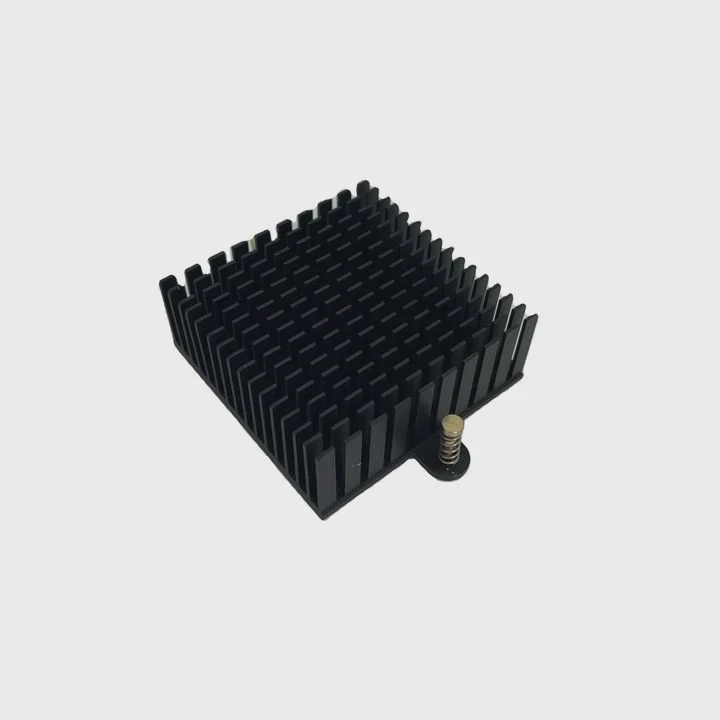
When I compare vapor chambers to metal plates or simple heat pipes, the performance difference is easy to see. Vapor chambers keep temperatures more stable, prevent sudden heat buildup, and maintain performance longer. These strengths come from both physics and design.
Vapor moves heat quickly
Heat in vapor form travels far faster than heat in solid metal. This means the chamber can move energy across its surface almost instantly. Devices that rely on solid conduction heat up unevenly, but vapor chambers distribute heat across the entire footprint.
Even heat distribution prevents hotspots
Hotspots cause thermal throttling and discomfort. Vapor chambers eliminate hotspots by spreading heat across a wide area. This makes the device cooler on the outside and more consistent on the inside.
No moving parts improve reliability
Some cooling systems require pumps or fans. Vapor chambers require none of these. Their sealed design means nothing wears out inside, and the cooling remains stable for long periods.
Fits into thin devices
Because vapor chambers are flat, they work well in slim phones, laptops, tablets, and handheld devices. The chamber becomes part of the device’s structure without needing additional space.
Smooth temperature control
Devices with vapor chambers stay at more stable temperatures because heat spreads smoothly. This makes the device quieter and more comfortable during long sessions.
Vapor chamber cooling is efficient because it moves heat quickly, spreads heat broadly, and works silently inside compact designs.
What devices use vapor chamber cooling?
People sometimes assume vapor chamber cooling is only for high-end products, but many categories now rely on it.
Devices that use vapor chamber cooling include smartphones, gaming phones, laptops, tablets, VR headsets, handheld consoles, and some compact PCs.
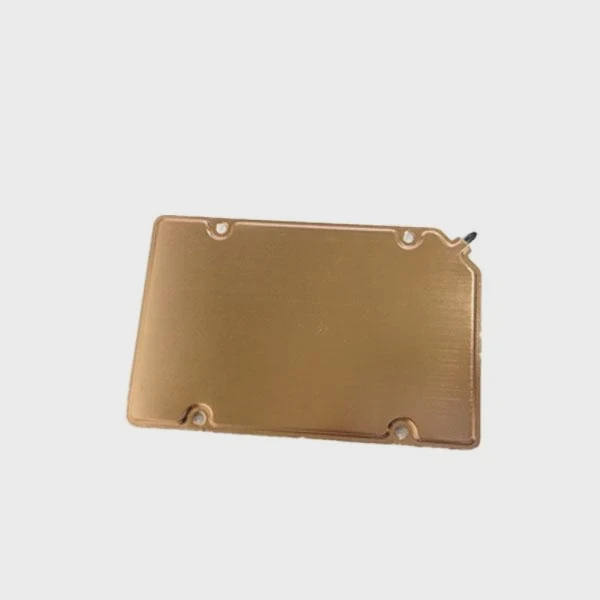
When I look across the electronics market, vapor chamber cooling appears everywhere. The technology has become a standard solution for any device that needs to control high heat in a thin form factor.
Smartphones
Modern smartphones use vapor chambers to control heat from powerful chipsets, high-refresh screens, and advanced camera pipelines. These chambers help phones avoid overheating during gaming, video recording, or prolonged use.
Gaming phones
Gaming phones benefit the most because they run games that push the CPU and GPU hard. Vapor chambers support stable frame rates and prevent heat-based slowdowns.
High-performance laptops
Many laptops include vapor chambers under the CPU and GPU to replace or enhance heat pipes. A vapor chamber spreads heat more evenly and improves thermal performance during heavy tasks like editing or 3D rendering.
Tablets
Tablets need silent cooling and thin designs. Vapor chambers help keep them cool during extended video playback, drawing, or multitasking.
VR headsets
VR headsets sit close to the face, so cooling matters for comfort. Vapor chambers help prevent overheating during long VR sessions.
Handheld gaming devices
These devices generate heat similar to small PCs. Vapor chambers help manage heat in a compact body.
Compact desktop systems
Some mini-PCs use vapor chambers as part of their thermal design, especially when space is limited.
Table: Devices That Use Vapor Chambers
| Device Category | Benefit |
|---|---|
| Smartphones | Lower heat and better stability |
| Gaming phones | Higher frame rates |
| Laptops | Stronger sustained performance |
| Tablets | Cooler operation |
| VR headsets | Better comfort |
| Handhelds | Controlled heat under load |
Vapor chambers appear across many devices because they provide high cooling efficiency in a compact structure.
Can vapor chambers replace liquid cooling?
Many people confuse vapor chamber cooling with liquid cooling because both involve coolant. But the systems serve different purposes.
Vapor chambers cannot fully replace liquid cooling loops because they are passive systems without pumps or radiators, but they replace heat pipes and copper plates in compact devices.
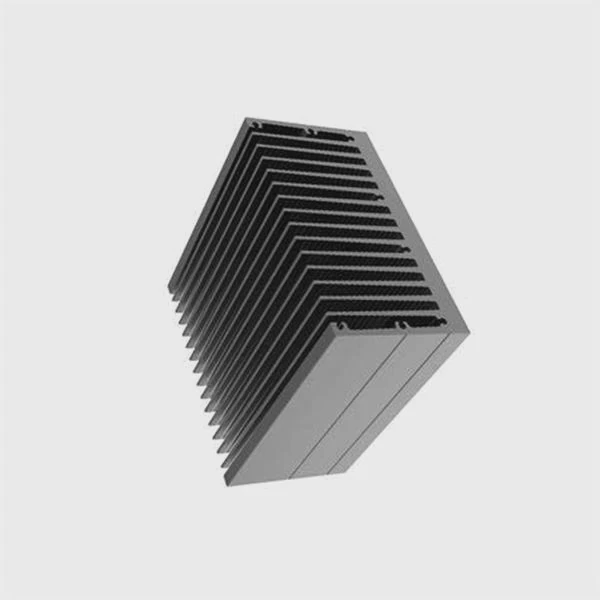
When I compare vapor chambers to active liquid cooling systems used in PCs, the differences are clear. Liquid cooling loops use pumps to circulate coolant and large radiators to release heat. Vapor chambers, however, rely on passive phase change and work best in tight spaces.
Why vapor chambers cannot replace active liquid cooling
Active liquid cooling can move large amounts of heat outside the device through radiators and fans. Vapor chambers spread heat inside the device but cannot push heat outside the chassis. They also lack the high volume coolant flow possible with active pumps.
Why vapor chambers replace heat pipes and copper plates
Heat pipes are useful but limited in shape and performance. Vapor chambers spread heat more evenly and cover a larger surface area. Because phones and laptops use wide, flat structures, vapor chambers fit better and cool more effectively.
Ideal for thin designs
Vapor chambers excel in ultra-thin designs that cannot fit liquid cooling hardware. They provide strong thermal control without pumps, tubes, or radiators.
Better for silent operation
Devices like phones and VR headsets cannot include noisy cooling. Vapor chambers provide silent performance without moving parts.
Practical conclusion
Vapor chambers and liquid cooling serve different roles. Vapor chambers dominate thin, silent devices, while liquid cooling dominates high-power desktops and large systems.
Conclusion
Vapor chamber cooling is a flat, sealed system that uses evaporating and condensing liquid to move heat quickly. It is efficient because it spreads heat evenly, eliminates hotspots, and fits into slim designs. Many devices—from smartphones to laptops—use vapor chambers to improve stability and performance. Although they cannot replace active liquid cooling loops, vapor chambers remain one of the best cooling solutions for compact electronics.
TAGS
Latest Articles

Volume discount levels for heat sink orders?
Buyers often ask when heat sink prices start to drop with volume. Many worry they’re overpaying for small orders. This guide explains how B2B volume pricing works for thermal components. Heat sink
21 Dec,2025
Heat sink long-term supply contract options?
Many buyers want stable pricing and reliable delivery for heat sinks. But without a clear contract, risks grow over time. This article explores how to secure better long-term supply deals. Long-term
21 Dec,2025
Tooling cost for new heat sink profiles?
Many engineers struggle to understand why tooling for custom heat sinks costs so much. They worry about budgeting and production timelines. This article breaks down the cost drivers behind tooling.
21 Dec,2025
Heat sink custom sample process steps?
Sometimes, starting a custom heat sink project feels overwhelming—too many steps, too many unknowns, and too many risks. You want a sample, but not endless delays. The process for requesting and
20 Dec,2025
Standard B2B terms for heat sink payments?
When buyers and sellers in B2B heat sink markets talk about payment, many don’t fully understand what’s standard. This can lead to delayed orders, miscommunication, and even lost business
20 Dec,2025
Heat sink pricing factors for large orders?
Heat sinks are vital for many systems. When prices rise, projects stall and budgets break. This problem can hit teams hard without warning. Large order heat sink pricing depends on many factors. You
20 Dec,2025Related Articles
- What is a vapor chamber on a phone?
- What is a vapor chamber?
- What is vapor chamber cooling phone?
- What is a vapor chamber in a phone?
- Does the Google Pixel 9 have a vapor chamber?
- Which phone have liquid cooling system?
- Does Pixel 9 have vapor chamber?
- Does S24 Ultra have vapor chamber?
- Does the Pixel 9 have a vapor chamber?
- heat sink manufacturer in Yemen
- heat sink manufacturer in Zambia
- heat sink manufacturer in Zimbabwe
Author
Dr. Emily Chen
Chief AI Researcher
Leading expert in thermal dynamics and AI optimization with over 15 years of experience in data center efficiency research.
Categories
Latest Products






Recommend Categories
- Liquid cooling plate Manufacturer
- Industrial Heat Sink Manufacturer
- Standard Heat Sink Manufacturer
- Aluminum Heat Sink Manufacturer
- Copper Heat Sink Manufacturer
- Anodized Heatsink Manufacturer
- Stamping heat sink Manufacturer
- Die Casting Heatsink Manufacturer
- Soldering heat sink Manufacturer
- CNC Parts Manufacturer
Latest Products
- Wholesale Aluminum Radiator
- Water Cooling Plate Kit
- Water Cooling Heat Sink
- Water Cooling Heat Sink Kit
- Stainless Steel Water Distributor
- Server Water Cooling Plate Kit
- Server Liquid Cooling System
- Server Aluminum Cooling Kit
- S19 Full Cover Cooling Plate
- S19 Cooling Plate Kit
- S19 Aluminum Cooling Plate
Contact Expert
Have questions about this article? Reach out to our experts directly.