What is a vapor chamber in a phone?
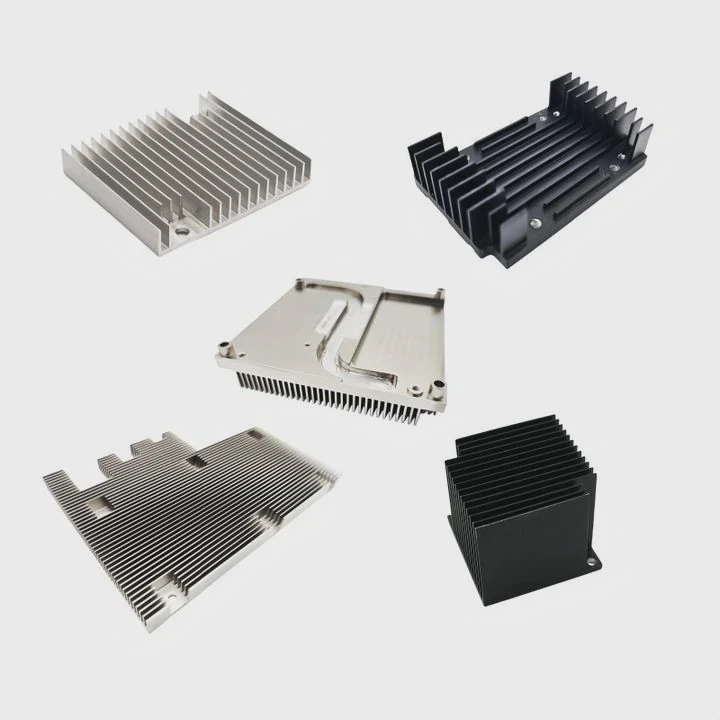
I remember the first time I opened a phone and saw a thin metal plate labeled as a “vapor chamber.” I wondered how such a small, flat part could manage the heat from a powerful chipset.
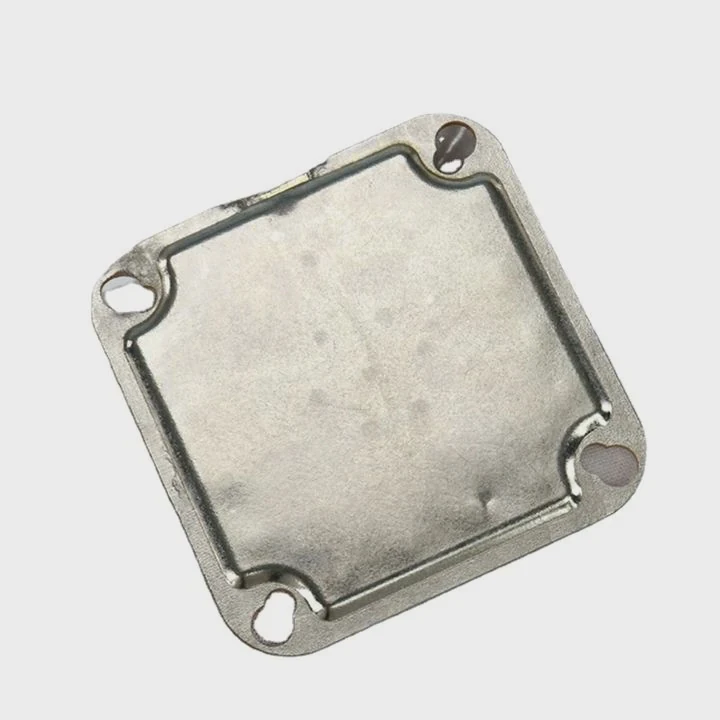
A vapor chamber in a phone is a heat-spreading device that uses a sealed coolant cycle to move heat quickly away from the processor and spread it across a large surface area.
I want to show you how it works, why manufacturers use it, what it is made of, and how it affects gaming stability.
How does a phone vapor chamber work?
Many people hear the term “vapor chamber” and imagine a complex cooling system, but the truth is simpler and also more impressive.
A vapor chamber works by evaporating a small amount of liquid inside a sealed plate, moving heat through vapor flow, and condensing it back into liquid to cool the phone efficiently.
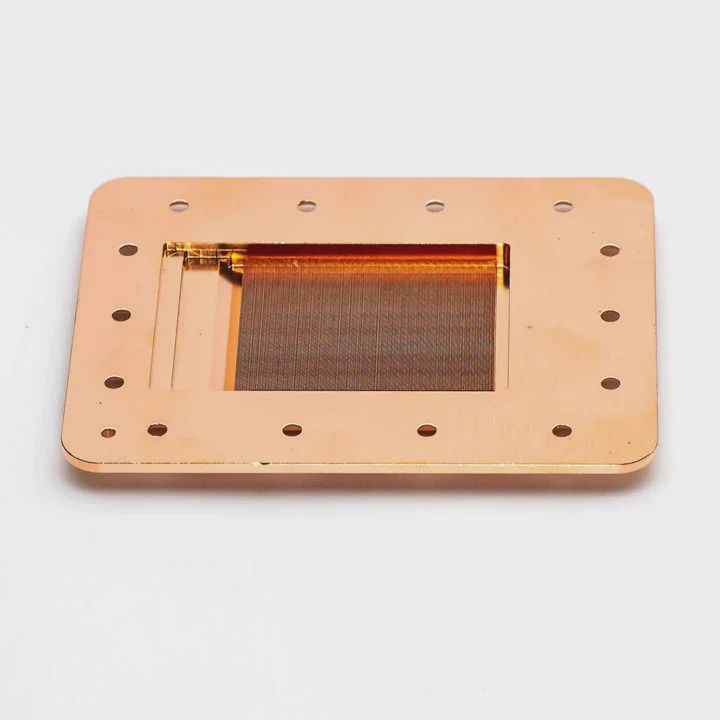
When I study how vapor chambers behave inside phones, I see a clever design that uses basic physics rather than any mechanical parts. The chamber usually looks like a thin, flat metal sheet. Inside it, there is a wick structure and a tiny amount of coolant. When the processor heats up, the coolant evaporates. The vapor travels across the chamber, carrying heat with it. As the vapor reaches a cooler zone, it condenses back into liquid. The wick then pulls the liquid back to the heat source, and the cycle repeats again and again.
Evaporation from the hotspot
A processor becomes the hotspot during gaming, recording, and app use. The coolant directly above the hotspot evaporates quickly. Evaporation absorbs heat instantly and drops the temperature at the source. This is how vapor chambers cool faster than simple metal plates.
Vapor movement across the chamber
Vapor expands and travels through the chamber. Vapor moves heat far more quickly than conduction in metal. This is where vapor chambers outperform heat pipes in many slim devices.
Condensation in cooler regions
As the vapor spreads to cooler areas, it changes back into liquid. The liquid gives up its heat to the surrounding metal before being absorbed back into the wick.
Capillary action
The wick layer inside the chamber pulls the liquid back to the hotspot. This keeps the cooling cycle continuous without needing a pump.
Why this matters
This phase-change cycle works fast, spreads heat evenly, and keeps the phone cooler during heavy use.
Table: Vapor Chamber Cooling Cycle
| Step | Action | Result |
|---|---|---|
| Heat applied | Coolant evaporates | Removes heat from hotspot |
| Vapor spreads | Moves heat quickly | Reduces local temperature |
| Vapor condenses | Releases heat | Cools surrounding area |
| Liquid returns | Wick recirculates coolant | Cycle begins again |
This simple but effective cooling cycle makes vapor chambers one of the best thermal solutions for modern smartphones.
Why do manufacturers add vapor chambers?
Smartphone cooling used to depend on metal plates and small heat pipes. So why do many modern phones now use vapor chambers?
Manufacturers add vapor chambers to control higher heat loads, stabilize performance, improve user comfort, and support advanced features that generate significant heat.
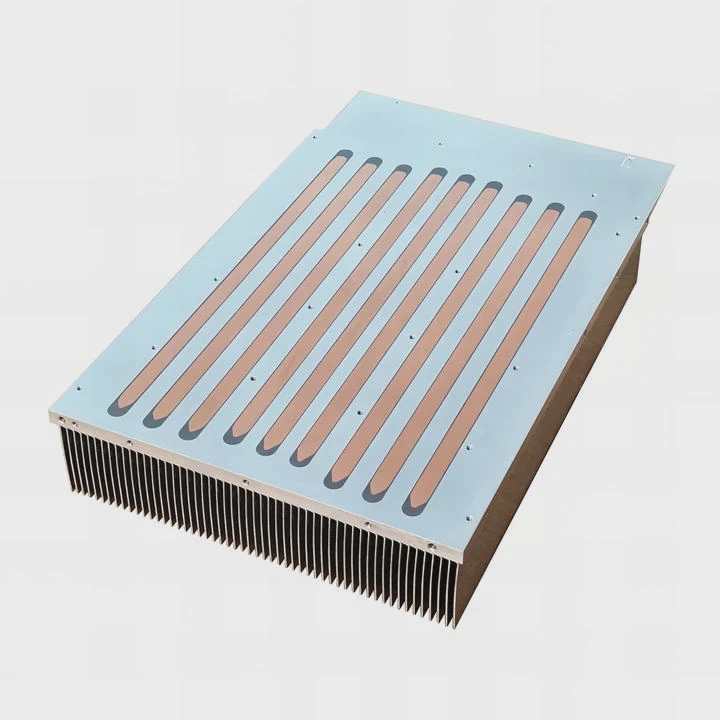
As smartphones evolve, so do their thermal challenges. Processors become more powerful, cameras capture higher-quality video, and apps use more energy. All this produces more heat inside smaller spaces. I noticed that many phones without vapor chambers get hot quickly during gaming or video recording. Vapor chambers fix many of these issues.
Stronger processors generate more heat
Modern smartphone chipsets push the limits of performance, especially during gaming, heavy apps, or AI tasks. Without strong cooling, the phone slows down to protect itself.
High refresh rate screens add thermal load
Screens running at 120Hz or more demand extra GPU power, which increases heat output. Vapor chambers help balance this heat across the device.
More advanced camera systems
Long 4K or 8K video recording requires strong image processors. Without cooling, recording stops due to overheating. Vapor chambers help extend recording time.
Improved user comfort
A phone that stays cool feels more premium. Hot phones feel uncomfortable, especially during long tasks.
Support for AI and background tasks
New features like speech processing, real-time enhancements, and live translation run continuously, making thermal stability important.
Competitive flagship standards
Most high-end phones now include vapor chambers. Manufacturers use them to stay competitive in performance benchmarks and stability tests.
Manufacturers use vapor chambers because modern phones simply cannot maintain performance without better cooling.
What materials are used in vapor chambers?
People often assume vapor chambers are complicated, but the materials inside them are simple and carefully chosen.
Vapor chambers are typically made of copper or stainless steel, with internal wick layers made from sintered metal, mesh, or fiber, and a small amount of coolant sealed inside.
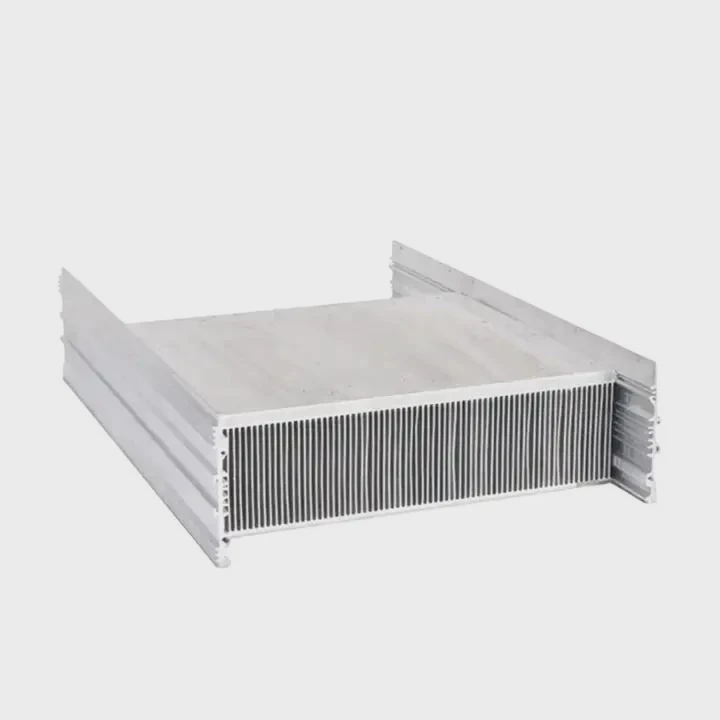
When I look at vapor chambers under teardown images, I see a layered structure. Each material has a purpose, and the combination makes vapor chambers effective even inside very thin devices.
Outer shell
The outer shell is usually copper or stainless steel. Copper is common because it conducts heat very well. Stainless steel is used when manufacturers want a thinner or stronger layer.
Wick structure
Inside the chamber, the wick moves liquid back to the heat source. The wick can be made from:
- Sintered copper
- Stainless steel mesh
- Fiber materials
- Micro-grooved channels
Each type affects how fast the liquid returns, which changes performance.
Coolant fluid
The coolant inside the vapor chamber is usually distilled water. Water works well because its evaporation point fits smartphone temperature ranges. In some designs, special fluids are used to increase efficiency.
Bonding and sealing layers
A thin bonding layer seals the chamber so the coolant cannot escape. This layer must withstand pressure changes and daily heating cycles.
Table: Materials in Vapor Chambers
| Component | Common Material | Purpose |
|---|---|---|
| Shell | Copper or stainless steel | Conduct heat |
| Wick | Sintered metal or mesh | Recirculate liquid |
| Coolant | Water or special fluids | Move heat via evaporation |
| Seal | Metal bonding layer | Keep system airtight |
These simple materials create a powerful cooling system that spreads heat quickly and efficiently.
Can vapor chambers improve gaming stability?
Many gamers worry about overheating because it causes lag, frame drops, and even app shutdowns.
Yes, vapor chambers greatly improve gaming stability by lowering temperatures, reducing throttling, and keeping frame rates more consistent during long sessions.
Whenever I test gaming on phones with vapor chambers, I see a clear difference. Games run smoother, the frame rate stays stable, and the phone stays cooler in my hand. This is because vapor chambers control heat much more effectively than simple graphite sheets or small metal plates.
Lower temperatures mean higher sustained performance
Games push both CPU and GPU hard. Without vapor chambers, phones heat up fast and throttle. Vapor chambers help keep temperatures lower, so the processor holds its peak performance longer.
Reduced thermal throttling
Throttling happens when the processor slows down due to heat. Vapor chambers delay this because they remove heat faster and balance it across the device. This results in steadier gameplay.
Better battery behavior
When the phone overheats, the battery becomes less efficient. A vapor chamber reduces this problem, making battery drain more predictable.
More comfortable to hold
A cool phone is easier to hold during long gaming sessions. Vapor chambers prevent intense hotspots that make phones uncomfortable.
Stability over time
Phones without vapor chambers often perform well for the first minute, then slow down. Vapor chambers keep the performance curve flatter and more reliable.
Vapor chambers deliver smoother, cooler, and more stable gaming by controlling heat effectively.
Conclusion
A vapor chamber in a phone is a sealed cooling module that moves heat quickly by evaporating and condensing a tiny amount of liquid. Manufacturers use it because modern phones generate more heat than ever. It improves performance, stability, and comfort, especially during gaming and long workloads. Vapor chambers help phones stay cool, fast, and reliable in today’s demanding mobile world.
TAGS
Latest Articles

Volume discount levels for heat sink orders?
Buyers often ask when heat sink prices start to drop with volume. Many worry they’re overpaying for small orders. This guide explains how B2B volume pricing works for thermal components. Heat sink
21 Dec,2025
Heat sink long-term supply contract options?
Many buyers want stable pricing and reliable delivery for heat sinks. But without a clear contract, risks grow over time. This article explores how to secure better long-term supply deals. Long-term
21 Dec,2025
Tooling cost for new heat sink profiles?
Many engineers struggle to understand why tooling for custom heat sinks costs so much. They worry about budgeting and production timelines. This article breaks down the cost drivers behind tooling.
21 Dec,2025
Heat sink custom sample process steps?
Sometimes, starting a custom heat sink project feels overwhelming—too many steps, too many unknowns, and too many risks. You want a sample, but not endless delays. The process for requesting and
20 Dec,2025
Standard B2B terms for heat sink payments?
When buyers and sellers in B2B heat sink markets talk about payment, many don’t fully understand what’s standard. This can lead to delayed orders, miscommunication, and even lost business
20 Dec,2025
Heat sink pricing factors for large orders?
Heat sinks are vital for many systems. When prices rise, projects stall and budgets break. This problem can hit teams hard without warning. Large order heat sink pricing depends on many factors. You
20 Dec,2025Related Articles
- Does the Google Pixel 9 have a vapor chamber?
- Which phone have liquid cooling system?
- Do AIO cooler ever run out of liquid?
- Is liquid cooling worth it PC?
- What's better liquid cooling or fan?
- How to instal liquid cooling?
- What is vapor chamber cooling phone?
- What is a vapor chamber?
- What is a vapor chamber on a phone?
- What is vapor chamber cooling?
- Does Pixel 9 have vapor chamber?
- Does S24 Ultra have vapor chamber?
Author
Dr. Emily Chen
Chief AI Researcher
Leading expert in thermal dynamics and AI optimization with over 15 years of experience in data center efficiency research.
Categories
Latest Products






Recommend Categories
- Liquid cooling plate Manufacturer
- Industrial Heat Sink Manufacturer
- Standard Heat Sink Manufacturer
- Aluminum Heat Sink Manufacturer
- Copper Heat Sink Manufacturer
- Anodized Heatsink Manufacturer
- Stamping heat sink Manufacturer
- Die Casting Heatsink Manufacturer
- Soldering heat sink Manufacturer
- CNC Parts Manufacturer
Latest Products
- Wholesale Aluminum Radiator
- Water Cooling Plate Kit
- Water Cooling Heat Sink
- Water Cooling Heat Sink Kit
- Stainless Steel Water Distributor
- Server Water Cooling Plate Kit
- Server Liquid Cooling System
- Server Aluminum Cooling Kit
- S19 Full Cover Cooling Plate
- S19 Cooling Plate Kit
- S19 Aluminum Cooling Plate
Contact Expert
Have questions about this article? Reach out to our experts directly.