Which phone have liquid cooling system?
I asked this question myself when I first saw smartphone makers claiming “liquid cooling,” and many people still wonder what this feature actually means in real use.
Several phones use liquid cooling systems, especially gaming models, performance-focused devices, and some premium phones that rely on vapor chambers or enhanced coolant loops.
I want to walk you through the brands, techniques, and reasons so you understand which phones truly use liquid cooling and why it matters.
What brands commonly use liquid cooling?
Many people think only gaming phones include liquid cooling, but the reality is broader and more interesting.
Brands that commonly use liquid cooling include performance-focused phone makers, especially those creating gaming devices, productivity phones, or premium flagships with strong chipsets and high heat loads.
When I study phone designs, I notice that “liquid cooling” does not always mean a pump-based cooling loop. Most phones use vapor chambers, heat pipes, or enhanced cooling plates that contain a small amount of sealed coolant. Some gaming phones go a step further with more advanced internal channels. Here is a breakdown of the brands that rely on these systems.
Gaming phone brands
Gaming phones commonly include large vapor chambers and advanced cooling blocks. These brands often treat cooling as one of the biggest selling points. They design their internal structure around thermal paths. They also allow more internal space because their goal is performance rather than thin design. Many of these phones even add extra layers of graphite pads or metal frames to spread heat.
Premium phone brands
Some premium models use liquid cooling because they run powerful chipsets that must stay cool under long workloads. These phones rely on thin vapor chambers that help maintain peak performance during gaming, video recording, or multitasking sessions. Even when they look slim, their internal layout focuses on heat spreading and efficient coolant evaporation.
Productivity and creator-focused models
Phones used for heavy workloads like video editing, photography, and long recording sessions also require good cooling. These models often use heat pipes or sealed liquid chambers. They may not advertise them as “gaming features,” but the cooling design still matters.
Summary table: brands that commonly use liquid cooling
| Category | Typical Cooling System |
|---|---|
| Gaming phones | Large vapor chambers, metal plates, enhanced liquid paths |
| Premium flagships | Thin vapor chambers, heat pipes |
| Creator/pro phones | Heat pipes or hybrid cooling layers |
| Budget phones | Small heat spreaders, minimal liquid cooling |
These brands use liquid cooling to support performance, prevent throttling, and keep temperatures stable over long periods.
How do gaming phones implement cooling?
Gaming phones take cooling much more seriously than regular phones, because performance drops quickly when the chipset gets hot.
Gaming phones implement cooling using large vapor chambers, thermal plates, multiple heat pipes, special airflow designs, and advanced materials that move heat quickly and prevent performance drops.
When I look inside a gaming phone, I always find a much more complex thermal structure compared to standard phones. The internal design resembles a miniaturized version of PC cooling principles. These devices use many layers of materials and components that work together to control heat under extreme loads.
Large vapor chambers
Gaming phones often use large vapor chambers that take up a significant portion of the internal space. These chambers contain a sealed coolant that evaporates when hot and condenses when cool. This cycle moves heat away from the processor quickly.
Metal plates and graphite layers
To spread heat evenly, gaming phones use metal plates and many layers of graphite sheets. These layers move heat across the surface so the vapor chamber can absorb it faster. This prevents hotspots from forming near the chipset.
Multiple heat pipes
Some gaming phones use heat pipes in addition to vapor chambers. These pipes help balance heat between the CPU, GPU, and surrounding components. They also improve the efficiency of the vapor chamber by feeding it more heat to distribute.
Internal airflow channels
Although smartphones do not have open airflow like PCs, some gaming phones include internal air channels. These channels guide heated air out of the device through carefully placed vents. Some models even allow small accessory fans to attach externally for extra cooling during gaming sessions.
Cooling materials designed for repeated heat cycles
Gaming phones must handle long gaming sessions, so their cooling materials are chosen to endure intense thermal cycles. This makes the cooling system more stable and reliable over time.
Gaming phones implement cooling by combining many techniques. Their thermal design is one of the reasons why they can sustain high frame rates and strong graphics performance during long gaming sessions.
Why do some phones need liquid cooling?
People often wonder why a small phone even needs liquid cooling at all, since phones seem too compact for heavy thermal systems.
Phones need liquid cooling to control high temperatures from powerful processors, long workloads, fast charging, large batteries, and high refresh rate screens. Without strong cooling, performance drops quickly.
Modern smartphones act more like portable computers than simple communication devices. When I examine why some models require liquid cooling, it always comes down to performance demands. Today’s mobile chips reach speeds similar to older laptop processors, which means they generate serious heat when used hard.
High-performance chipsets
Modern flagship chipsets draw a lot of power when gaming, editing videos, or running complex apps. Without liquid cooling or vapor chambers, these chips heat up in seconds and throttle to lower speeds. Cooling prevents this slowdown.
High refresh rate displays
Displays that run at 120Hz or 144Hz increase strain on the GPU. This creates additional heat that the device must manage.
Fast charging and high-capacity batteries
Many phones support fast charging technologies that create heat inside the battery. To protect the battery from damage, phones need effective cooling layers around the PCB and battery casing.
Long gaming or recording sessions
Games and video recording are some of the most demanding tasks. They push both CPU and GPU to their limits. Without liquid cooling, the phone would heat up fast and lose performance.
Thinner designs with less room for airflow
Thin phones trap heat more easily because air cannot move freely inside the body. With little room for airflow, manufacturers rely on vapor chambers and heat pipes to transfer heat away from the chipset.
User expectations
People expect phones to stay fast and smooth. Strong cooling helps keep performance stable during big tasks.
Phones need liquid cooling because the performance demands are now too high for simple metal plates. Liquid cooling helps phones stay fast, safe, and stable.
Can midrange phones include liquid cooling?
Many people believe liquid cooling is only for premium or gaming phones, but midrange models can use advanced cooling too.
Midrange phones can include liquid cooling, usually in the form of vapor chambers or heat pipes, although they rarely include complex multi-layer systems like gaming phones. They benefit when they run moderate workloads or high-efficiency chipsets.
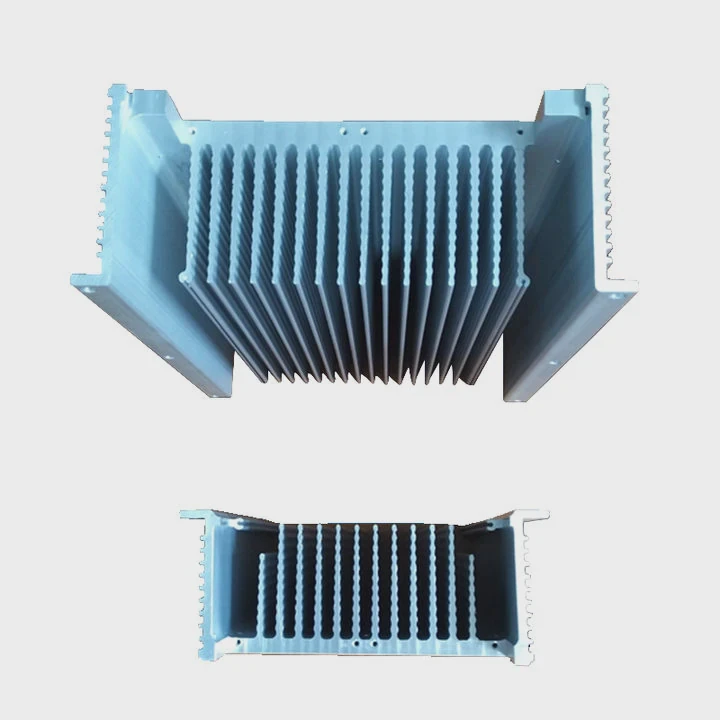
I see more midrange phones today adopting simplified versions of liquid cooling, and it makes sense because midrange chipsets still get hot under load. These phones may not aim for high performance, but cooling still improves stability and user comfort.
Why liquid cooling appears in midrange phones
Midrange phones want to offer good value. They often include strong processors but reduce cost in other areas. Cooling is one way to improve performance without raising the chip quality. A well-designed vapor chamber helps a midrange phone stay smooth during gaming or video use.
Simpler cooling designs
Most midrange phones do not include large vapor chambers or complex cooling stacks. Instead, they use thinner heat pipes or smaller vapor chambers. They provide enough cooling for the tasks these phones handle.
Benefits for midrange users
For people who use midrange phones for gaming, streaming, or social apps, liquid cooling helps keep the phone comfortable to hold. It also prevents frame drops during games.
Limitations
Midrange devices have cost limits. They do not include large radiators or metal plates like gaming phones. Their cooling helps performance but does not transform the phone into a high-end device.
Table: Midrange vs high-end cooling
| Feature | Midrange Phones | High-End or Gaming Phones |
|---|---|---|
| Cooling size | Small to medium vapor chamber | Large vapor chamber or multi-layer design |
| Target workload | Moderate tasks | Heavy tasks, long sessions |
| Cost | Lower | Higher |
| Thermal stability | Medium | High |
Midrange phones can benefit from liquid cooling, but the system remains simpler than gaming devices. The design helps maintain smooth performance while keeping costs reasonable.
Conclusion
Phones use liquid cooling to stay fast, cool, and stable during heavy workloads. Gaming phones rely on large vapor chambers and complex thermal designs. Premium and midrange phones also include liquid cooling in simpler forms. When you understand how liquid cooling works across models, you can choose the phone that best fits your performance needs.
TAGS
Latest Articles

Volume discount levels for heat sink orders?
Buyers often ask when heat sink prices start to drop with volume. Many worry they’re overpaying for small orders. This guide explains how B2B volume pricing works for thermal components. Heat sink
21 Dec,2025
Heat sink long-term supply contract options?
Many buyers want stable pricing and reliable delivery for heat sinks. But without a clear contract, risks grow over time. This article explores how to secure better long-term supply deals. Long-term
21 Dec,2025
Tooling cost for new heat sink profiles?
Many engineers struggle to understand why tooling for custom heat sinks costs so much. They worry about budgeting and production timelines. This article breaks down the cost drivers behind tooling.
21 Dec,2025
Heat sink custom sample process steps?
Sometimes, starting a custom heat sink project feels overwhelming—too many steps, too many unknowns, and too many risks. You want a sample, but not endless delays. The process for requesting and
20 Dec,2025
Standard B2B terms for heat sink payments?
When buyers and sellers in B2B heat sink markets talk about payment, many don’t fully understand what’s standard. This can lead to delayed orders, miscommunication, and even lost business
20 Dec,2025
Heat sink pricing factors for large orders?
Heat sinks are vital for many systems. When prices rise, projects stall and budgets break. This problem can hit teams hard without warning. Large order heat sink pricing depends on many factors. You
20 Dec,2025Related Articles
- Do AIO cooler ever run out of liquid?
- Is liquid cooling worth it PC?
- What's better liquid cooling or fan?
- How to instal liquid cooling?
- What's better liquid cooled or air cooled?
- How to change cooling liquid car?
- Does the Google Pixel 9 have a vapor chamber?
- What is a vapor chamber in a phone?
- What is vapor chamber cooling phone?
- What is a vapor chamber?
- What is a vapor chamber on a phone?
- What is vapor chamber cooling?
Author
Dr. Emily Chen
Chief AI Researcher
Leading expert in thermal dynamics and AI optimization with over 15 years of experience in data center efficiency research.
Categories
Latest Products






Recommend Categories
- Liquid cooling plate Manufacturer
- Industrial Heat Sink Manufacturer
- Standard Heat Sink Manufacturer
- Aluminum Heat Sink Manufacturer
- Copper Heat Sink Manufacturer
- Anodized Heatsink Manufacturer
- Stamping heat sink Manufacturer
- Die Casting Heatsink Manufacturer
- Soldering heat sink Manufacturer
- CNC Parts Manufacturer
Latest Products
- Wholesale Aluminum Radiator
- Water Cooling Plate Kit
- Water Cooling Heat Sink
- Water Cooling Heat Sink Kit
- Stainless Steel Water Distributor
- Server Water Cooling Plate Kit
- Server Liquid Cooling System
- Server Aluminum Cooling Kit
- S19 Full Cover Cooling Plate
- S19 Cooling Plate Kit
- S19 Aluminum Cooling Plate
Contact Expert
Have questions about this article? Reach out to our experts directly.