What is a vapor chamber?
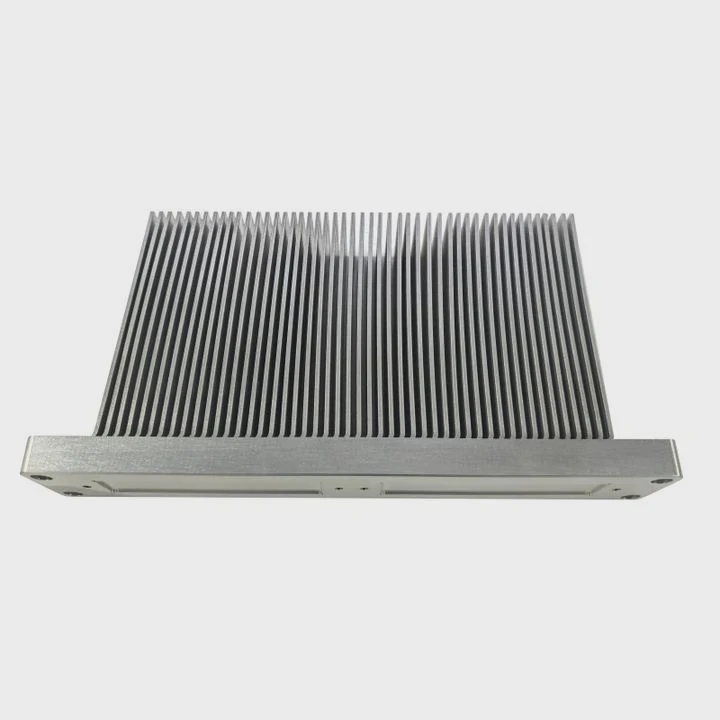
I still remember the first time I learned about vapor chambers in small devices. I was surprised that such a thin, simple-looking metal plate could play such a large role in controlling heat inside modern electronics.
A vapor chamber is a flat metal cooling device filled with a tiny amount of liquid that evaporates and condenses to move heat quickly and evenly across its surface.
I want to show you how it functions, why devices use it, what materials it contains, and how it improves heat stability.
How does a vapor chamber function?
Many people hear “vapor chamber” and think it must be a complicated cooling machine, but the truth is far simpler and more elegant.
A vapor chamber works by evaporating a liquid at the heat source, moving the vapor across the chamber, condensing it in cooler areas, and returning the liquid using a wick layer.
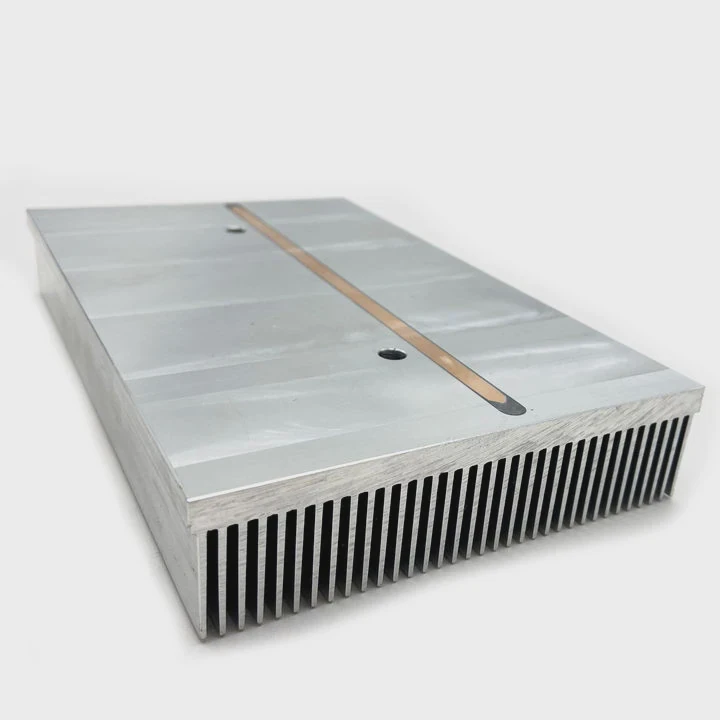
When I study how vapor chambers behave inside phones, laptops, and other electronics, the process always surprises me because it is efficient without using any moving parts. Inside the chamber is a flat cavity, a wick layer, a tiny amount of coolant, and a sealed metal shell. Heat enters the chamber, the liquid evaporates instantly, and the vapor spreads heat rapidly across the chamber. This cycle repeats continuously, keeping temperatures far more stable than simple metal plates.
Evaporation at the heat point
The main component that generates heat—such as a processor—creates a hotspot at one end of the chamber. The coolant above this hotspot evaporates quickly and absorbs heat. This step removes energy from the hotspot at a very fast rate.
Vapor flow across the chamber
The vapor expands and moves toward cooler parts of the chamber. Vapor moves heat much faster than solid conduction. This allows vapor chambers to outperform normal copper plates or heat pipes in many devices.
Condensation and heat release
When the vapor reaches cooler spots, it condenses back into liquid. During condensation, the vapor releases heat into the chamber walls. This heat then spreads out into the surrounding metal.
Liquid return through the wick
The wick structure inside the chamber helps the condensed liquid return to the hotspot. This movement uses capillary action rather than a pump. The heat cycle repeats many times per second.
Why this cycle matters
Because heat never stays in one place, the chamber prevents sudden temperature spikes and helps the device run smoothly even under load.
Table: Vapor Chamber Cooling Cycle
| Stage | Action | Benefit |
|---|---|---|
| Evaporation | Liquid vaporizes at hotspot | Absorbs heat quickly |
| Vapor movement | Vapor spreads inside chamber | Moves heat fast |
| Condensation | Vapor returns to liquid | Releases heat |
| Recirculation | Wick moves liquid back | Continuous cooling |
This elegant process keeps temperatures stable and helps devices handle heavy workloads.
Why do devices use vapor chambers?
Many older devices used simple copper plates or small heat pipes, so some people wonder why vapor chambers have become more common.
Devices use vapor chambers because they move heat faster, spread it wider, reduce hotspots, and help maintain stable performance in compact designs.
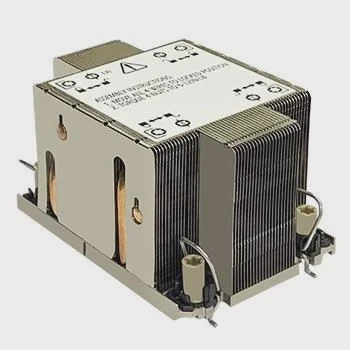
Whenever I compare devices with vapor chambers to devices without them, I see clear advantages. Vapor chambers help keep surface temperatures low, reduce throttling, and improve user comfort. This matters as devices become more powerful, thinner, and more demanding.
Higher performance components
Modern processors generate much more heat than older ones. Vapor chambers help manage this heat so the performance stays consistent. Devices like smartphones, laptops, and VR headsets cannot afford sudden heat spikes because they impact user experience.
Better thermal distribution
A vapor chamber spreads heat across the entire internal surface. This prevents one section of the device from overheating while another area remains cool. Even heat distribution improves long-term performance.
Support for thin and slim designs
Modern devices are thinner than ever. They have no room for large fans or complex cooling parts. Vapor chambers fit into these slim structures easily because they are flat and lightweight.
Reduction of throttling
Throttling happens when a device slows down due to heat. Vapor chambers reduce throttling by lowering peak temperatures and preventing hotspots.
Improved comfort
A device that stays cool feels better in the hand or on the lap. Vapor chambers help maintain comfortable surface temperatures even when the device is under load.
Table: Why Devices Use Vapor Chambers
| Benefit | Explanation |
|---|---|
| Faster heat movement | Prevents overheating |
| Wide heat spread | Reduces hotspots |
| Supports slim designs | Works in thin devices |
| Improves performance | Reduces throttling |
Devices use vapor chambers because modern workloads require stronger, smarter cooling.
What materials form a vapor chamber?
Many people think vapor chambers must be complex, but the materials inside them are surprisingly simple and well chosen.
A vapor chamber is made from copper or stainless steel for the shell, sintered metal or mesh for the wick layer, and a small amount of coolant—usually water—sealed inside.
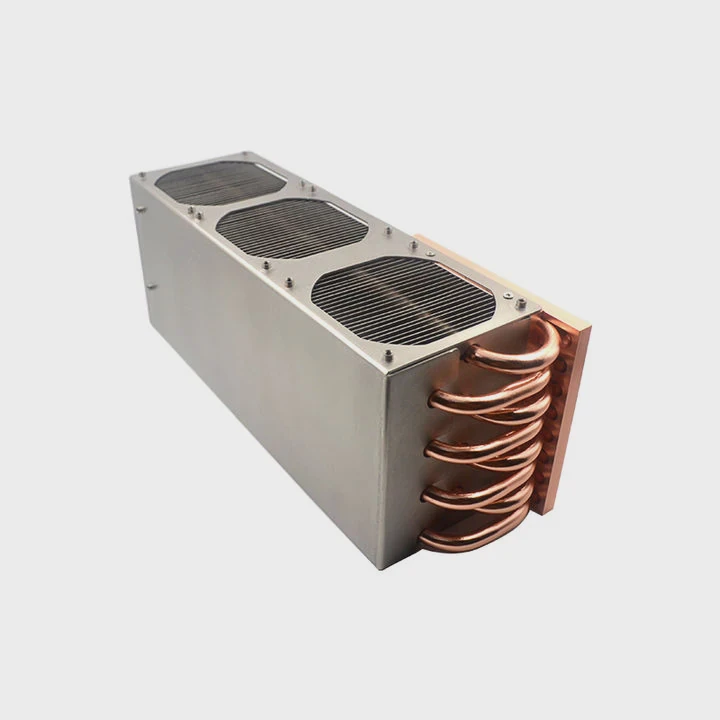
Every material inside a vapor chamber has a specific purpose. When I look at teardowns, I often see a copper chamber because copper spreads heat well. Inside the chamber is a wick structure that helps the coolant move back to the hotspot. The coolant is chosen based on boiling point, stability, and safety.
Copper or stainless-steel outer shell
The outer shell is the part that spreads heat across the device. Copper is the most common because it conducts heat very effectively. Some designs use stainless steel because it is lighter or easier to form.
Internal wick structure
The wick is one of the most important elements. It moves the liquid back to the heat source automatically. Wicks may be made of:
- Sintered copper
- Stainless steel mesh
- Fiber bundles
- Micro-grooves
The type of wick affects how fast the coolant moves inside the chamber.
Coolant fluid
The coolant is usually distilled water because it evaporates at a temperature that matches electronic heat output. Water is also safe and has good thermal properties. Some chambers use engineered fluids for better performance.
Sealing layer
The sealing process ensures the chamber remains airtight. The coolant inside must stay sealed to work properly for years.
These materials create a cooling device that is efficient, durable, and safe for many kinds of devices.
Can vapor chambers improve heat stability?
Many users wonder whether vapor chambers make a real difference or if they are mostly a marketing feature.
Yes, vapor chambers improve heat stability by preventing hotspots, lowering peak temperatures, and keeping performance steady during long workloads.
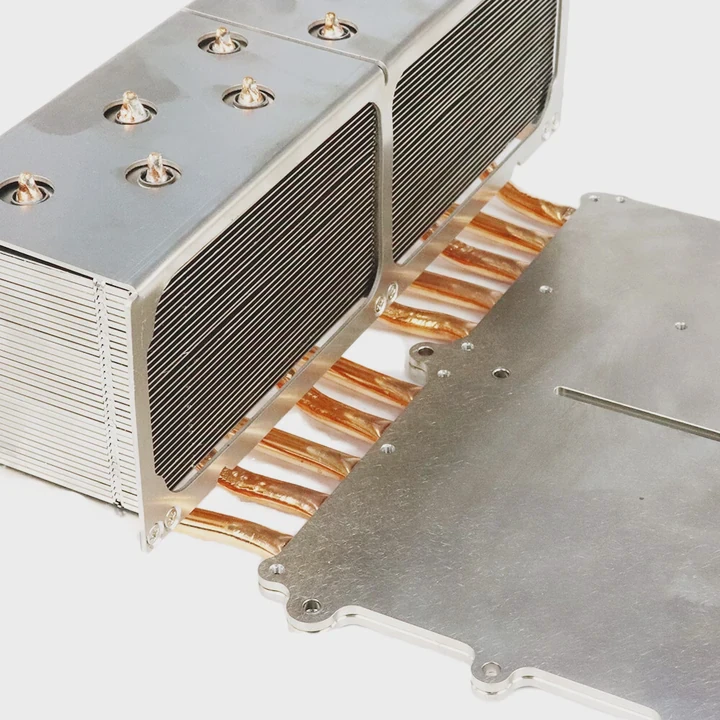
When I test devices with vapor chambers, I notice that the temperatures stay more predictable, even after long periods of gaming, editing, or heavy computing. Vapor chambers help maintain smoother performance curves and reduce the temperature build-up that causes sudden slowdowns.
Lower average temperatures
Vapor chambers spread heat fast, which lowers average temperatures across the device. Lower temperatures help the processor run closer to its full speed for longer.
Delay and reduction of thermal throttling
When temperatures stay balanced, the processor does not need to reduce its speed to avoid overheating. This makes the device feel faster and more consistent.
Better long-term stability
Long tasks like video processing, mobile gaming, and AI operations generate constant heat. Vapor chambers help keep temperatures steady during these tasks.
Improved user comfort
Heat stability also affects comfort. A device that stays cool is easier to hold and does not distract the user during long sessions.
Helps maintain battery efficiency
Batteries behave poorly when hot. Vapor chambers help reduce unnecessary battery strain by lowering internal temperatures.
Vapor chambers improve heat stability in ways that help both performance and user comfort.
Conclusion
A vapor chamber is a flat metal cooling device that uses evaporation and condensation to move heat quickly. Devices use vapor chambers because they spread heat evenly, reduce hotspots, and improve performance. They are made from copper, wick layers, and small amounts of coolant. Vapor chambers also help maintain stable performance during demanding tasks, making them an essential part of modern thermal design.
TAGS
Latest Articles

Volume discount levels for heat sink orders?
Buyers often ask when heat sink prices start to drop with volume. Many worry they’re overpaying for small orders. This guide explains how B2B volume pricing works for thermal components. Heat sink
21 Dec,2025
Heat sink long-term supply contract options?
Many buyers want stable pricing and reliable delivery for heat sinks. But without a clear contract, risks grow over time. This article explores how to secure better long-term supply deals. Long-term
21 Dec,2025
Tooling cost for new heat sink profiles?
Many engineers struggle to understand why tooling for custom heat sinks costs so much. They worry about budgeting and production timelines. This article breaks down the cost drivers behind tooling.
21 Dec,2025
Heat sink custom sample process steps?
Sometimes, starting a custom heat sink project feels overwhelming—too many steps, too many unknowns, and too many risks. You want a sample, but not endless delays. The process for requesting and
20 Dec,2025
Standard B2B terms for heat sink payments?
When buyers and sellers in B2B heat sink markets talk about payment, many don’t fully understand what’s standard. This can lead to delayed orders, miscommunication, and even lost business
20 Dec,2025
Heat sink pricing factors for large orders?
Heat sinks are vital for many systems. When prices rise, projects stall and budgets break. This problem can hit teams hard without warning. Large order heat sink pricing depends on many factors. You
20 Dec,2025Related Articles
- What is vapor chamber cooling phone?
- What is a vapor chamber in a phone?
- Does the Google Pixel 9 have a vapor chamber?
- Which phone have liquid cooling system?
- Do AIO cooler ever run out of liquid?
- Is liquid cooling worth it PC?
- What is a vapor chamber on a phone?
- What is vapor chamber cooling?
- Does Pixel 9 have vapor chamber?
- Does S24 Ultra have vapor chamber?
- Does the Pixel 9 have a vapor chamber?
- heat sink manufacturer in Yemen
Author
Dr. Emily Chen
Chief AI Researcher
Leading expert in thermal dynamics and AI optimization with over 15 years of experience in data center efficiency research.
Categories
Latest Products






Recommend Categories
- Liquid cooling plate Manufacturer
- Industrial Heat Sink Manufacturer
- Standard Heat Sink Manufacturer
- Aluminum Heat Sink Manufacturer
- Copper Heat Sink Manufacturer
- Anodized Heatsink Manufacturer
- Stamping heat sink Manufacturer
- Die Casting Heatsink Manufacturer
- Soldering heat sink Manufacturer
- CNC Parts Manufacturer
Latest Products
- Wholesale Aluminum Radiator
- Water Cooling Plate Kit
- Water Cooling Heat Sink
- Water Cooling Heat Sink Kit
- Stainless Steel Water Distributor
- Server Water Cooling Plate Kit
- Server Liquid Cooling System
- Server Aluminum Cooling Kit
- S19 Full Cover Cooling Plate
- S19 Cooling Plate Kit
- S19 Aluminum Cooling Plate
Contact Expert
Have questions about this article? Reach out to our experts directly.