Do our heat sinks comply with IATF 16949 automotive standards?
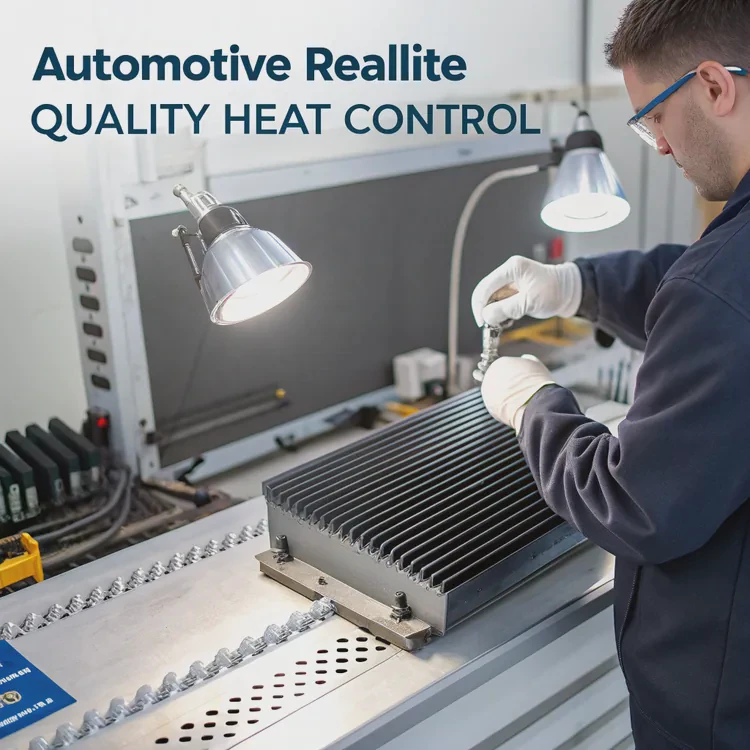
In the automotive world, reliability is everything. A heat sink failure can lead to costly recalls, safety issues, and loss of brand trust.
Yes, our heat sinks fully comply with IATF 16949 standards for automotive applications, backed by a complete quality management and traceability system.
Our team has worked closely with Tier 1 and Tier 2 automotive clients for years. We understand that compliance is more than certificates — it’s a daily commitment to process discipline and data integrity.
What processes support automotive-grade quality control?
Quality in the automotive supply chain demands more than inspection. It requires prevention, consistency, and traceable data.
We maintain automotive-grade quality control through full-process monitoring, advanced statistical analysis, and multi-stage inspection systems.
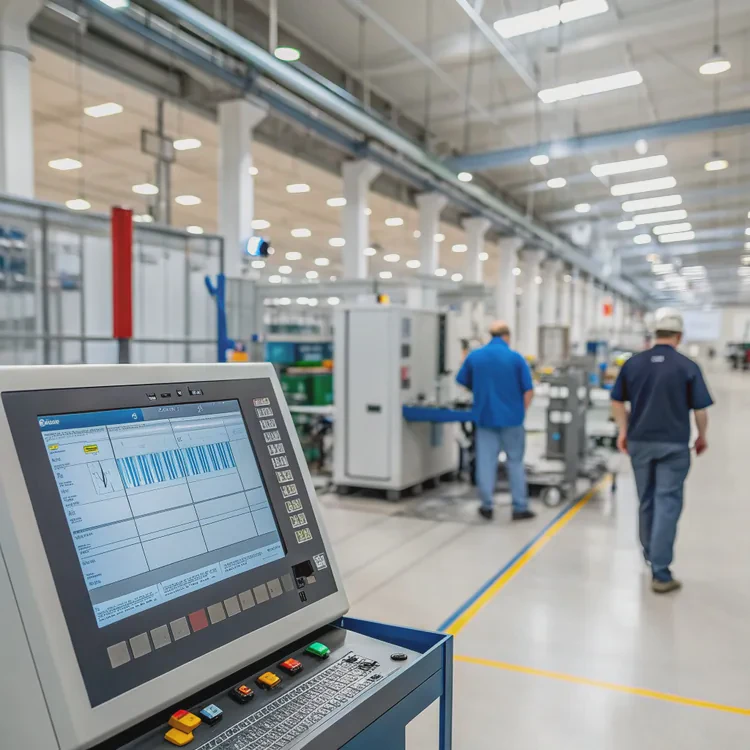
To meet IATF 16949 standards, our quality control integrates strict procedures at every stage of production. From material selection to packaging, every process is controlled under documented instructions and checklists.
Key Automotive-Grade Quality Control Processes
| Process Stage | Quality Control Measure | Tools / Methods |
|---|---|---|
| Material Input | Supplier certification & chemical analysis | Spectrometer, COA verification |
| Machining | Dimensional consistency check | Coordinate Measuring Machine (CMM) |
| Brazing & Welding | Thermal and structural validation | X-ray scanning, helium leak test |
| Assembly | Torque & fit inspection | Digital torque tools |
| Final Testing | Performance validation | Thermal resistance, vibration, and aging tests |
These processes are embedded in our Manufacturing Execution System (MES) to ensure traceability from batch to batch.
Every product record includes operator ID, machine data, test results, and timestamps. This allows us to perform backward and forward traceability — a key expectation under IATF 16949.
Data-Driven Manufacturing
We use SPC (Statistical Process Control) to analyze key dimensions and thermal performance in real time. When any data point deviates from its control limits, the line automatically triggers alerts. This prevents out-of-spec products from advancing to the next stage.
Our Quality Gate System also ensures that each product batch passes through automated checkpoints, linking inspection data with unique serial numbers. The system logs any deviations, corrective actions, and approvals.
Through these measures, we ensure that our heat sinks not only pass tests but maintain consistency over time, even under mass production conditions.
Can you provide PPAP or APQP documentation?
For many automotive projects, documentation defines confidence. Without the proper PPAP and APQP records, no manufacturer can enter the supply chain.
Yes, we can provide full PPAP (Production Part Approval Process) and APQP (Advanced Product Quality Planning) documentation for every automotive project.

Our engineering team follows the AIAG (Automotive Industry Action Group) framework strictly. This ensures every part meets customer-specific requirements before mass production.
PPAP Documentation We Provide
| Document Type | Description | Purpose |
|---|---|---|
| DFMEA / PFMEA | Design & Process Failure Mode Effects Analysis | Identify and mitigate potential risks |
| Control Plan | Quality checkpoints and parameters | Maintain consistent production quality |
| Dimensional Report | Verification of key features | Validate drawing and tolerance compliance |
| Material Certification | Raw material traceability | Ensure compliance with automotive materials |
| Process Flow Diagram | Visualized manufacturing flow | Support process control and improvement |
| Capability Study (Cp/Cpk) | Statistical validation of key dimensions | Ensure repeatability and stability |
We also provide Initial Sample Inspection Reports (ISIR) and Gage R&R studies upon request.
Our APQP process starts from project planning and continues through product validation and launch. During each phase, we hold cross-functional reviews involving design, quality, and production teams.
This integrated approach guarantees that potential risks are addressed before mass production. It also ensures that customer-specific requirements, such as heat dissipation performance and flatness tolerance, are clearly documented and validated.
Continuous Improvement Through APQP
Each project goes through five APQP stages:
- Planning and Definition: Define customer expectations and critical quality requirements.
- Product Design and Development: Run simulations for heat flow and mechanical stability.
- Process Design and Development: Create a controlled process flow with failure prevention methods.
- Product and Process Validation: Conduct trial production and validation testing.
- Feedback, Assessment, and Corrective Actions: Implement lessons learned for continuous improvement.
By following these steps, we reduce the risk of production errors and ensure smooth transitions from prototype to mass production.
This structured documentation not only builds trust but also provides traceable proof of compliance — something every automotive customer values deeply.
Have you supplied heat sinks to the auto industry before?
Real experience matters more than promises. It proves that our processes and systems work in real-world conditions.
Yes, we have supplied heat sinks and liquid cold plates to global automotive clients for EV, hybrid, and ADAS systems.
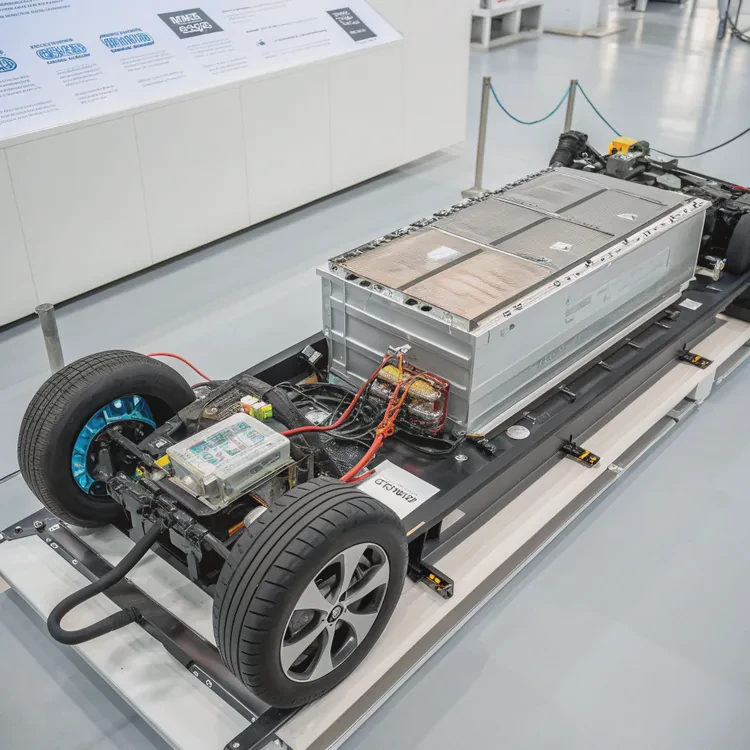
Our production history covers a wide range of automotive applications — from battery cooling to motor controllers and power electronics. Over the years, we have delivered components that operate under extreme vibration, temperature, and environmental conditions.
Our Automotive Experience Includes
| Application | Product Type | Customer Region |
|---|---|---|
| Electric Vehicle Battery Cooling | Liquid Cold Plate | United States, Germany |
| Inverter / Motor Controller | Brazed Aluminum Heat Sink | Japan, South Korea |
| ADAS Control Module | Vapor Chamber Plate | Europe |
| DC/DC Converter | Phase-Change Cooling Module | China |
| Onboard Charger | Integrated Heat Sink Housing | France |
Each of these projects required not only technical expertise but also strict adherence to IATF 16949 and ISO 9001 quality systems.
In one case, we worked with a European EV manufacturer that demanded less than 10 ppm defect rate for their battery cooling system. To achieve this, we implemented poka-yoke devices, inline leak detection, and automated pressure tests. The result: zero customer complaints across three years of continuous supply.
Lessons from Automotive Projects
Supplying to the automotive sector taught us several key lessons:
- Consistency matters more than speed. Even a fast prototype means nothing without process stability.
- Data is proof. Every dimension, torque value, and pressure reading must be traceable.
- Collaboration prevents failure. Early communication between design and manufacturing avoids costly redesigns.
These experiences have shaped our mindset: every project, even outside the automotive industry, must follow automotive-level discipline.
What audits ensure IATF 16949 compliance?
Compliance is not a one-time achievement. It’s a cycle of audit, correction, and improvement.
Our IATF 16949 compliance is maintained through regular internal audits, third-party certification audits, and customer process audits.
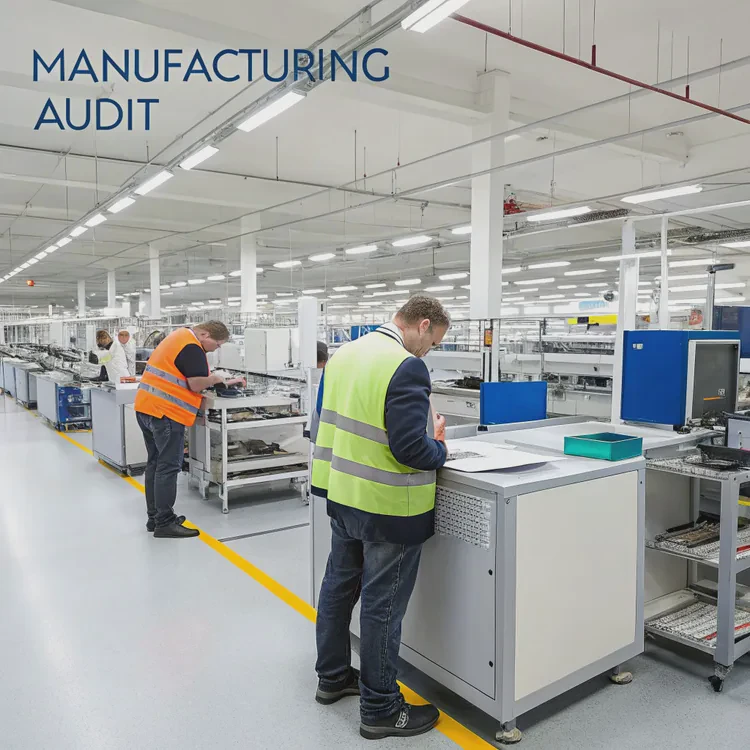
We believe that the best way to maintain quality is to challenge ourselves constantly. That’s why we schedule audits throughout the year, not just when the certificate is due.
Our Audit Framework
| Audit Type | Frequency | Conducted By | Focus |
|---|---|---|---|
| Internal Quality Audit | Quarterly | Internal Audit Team | Process adherence, record traceability |
| System Audit | Annually | Third-Party Certification Body | Compliance with IATF 16949 clauses |
| Customer Audit | As required | OEM / Tier 1 Clients | Process validation and performance review |
| Layered Process Audit (LPA) | Weekly | Department Managers | Operator discipline and error-proofing |
Each audit follows a Plan–Do–Check–Act (PDCA) loop to drive continual improvement.
During audits, we evaluate key elements such as process control, equipment maintenance, document management, and corrective action effectiveness. Findings are logged into our CAPA (Corrective and Preventive Action) system. Every finding must be verified through evidence before closure.
Audit Tools and Documentation
We use digital audit software to record and track findings. This system provides automatic reminders for pending actions and ensures full traceability of changes.
In addition, customer auditors often visit our site to verify compliance with their own supplier standards. We welcome these visits. Transparency builds trust, and we see audits as opportunities to improve rather than inspections to fear.
Our IATF 16949 certification is renewed through independent audits every three years, with surveillance audits conducted annually. This ensures our system remains aligned with the latest industry standards and customer expectations.
The Mindset Behind Compliance
True compliance goes beyond documents and checklists. It’s about how every person in the factory behaves. We train our employees regularly on quality awareness, document control, and problem-solving techniques like 8D and 5 Whys.
By building this culture, compliance becomes natural, not forced. Every operator knows why their actions matter and how they impact the final product.
Conclusion
Our heat sinks fully comply with IATF 16949 automotive standards. Every process, document, and audit reflects a deep commitment to quality and reliability. With full PPAP and APQP support, proven automotive experience, and strict audit systems, we deliver thermal solutions that meet the highest global standards.
TAGS
Latest Articles

Volume discount levels for heat sink orders?
Buyers often ask when heat sink prices start to drop with volume. Many worry they’re overpaying for small orders. This guide explains how B2B volume pricing works for thermal components. Heat sink
21 Dec,2025
Heat sink long-term supply contract options?
Many buyers want stable pricing and reliable delivery for heat sinks. But without a clear contract, risks grow over time. This article explores how to secure better long-term supply deals. Long-term
21 Dec,2025
Tooling cost for new heat sink profiles?
Many engineers struggle to understand why tooling for custom heat sinks costs so much. They worry about budgeting and production timelines. This article breaks down the cost drivers behind tooling.
21 Dec,2025
Heat sink custom sample process steps?
Sometimes, starting a custom heat sink project feels overwhelming—too many steps, too many unknowns, and too many risks. You want a sample, but not endless delays. The process for requesting and
20 Dec,2025
Standard B2B terms for heat sink payments?
When buyers and sellers in B2B heat sink markets talk about payment, many don’t fully understand what’s standard. This can lead to delayed orders, miscommunication, and even lost business
20 Dec,2025
Heat sink pricing factors for large orders?
Heat sinks are vital for many systems. When prices rise, projects stall and budgets break. This problem can hit teams hard without warning. Large order heat sink pricing depends on many factors. You
20 Dec,2025Related Articles
- Heat Sink Manufacturers in Indonesia
- Heat Sink Manufacturers in Mexico
- Heat Sink Manufacturers in Australia
- Heat Sink Manufacturers in Spain
- Heat Sink Manufacturers in Canada
- Heat Sink Manufacturers in Russia
- Can we manufacture to CNS or JIS heat sink standards?
- Do our anodizing processes meet MIL-A-8625 standards?
- Can we provide MSDS or material certificates for heat sinks?
- What export regulations apply to heat sinks for the US market?
- Do we have green certifications for our production processes?
- Can full test reports and certifications be delivered with orders?
Author
Dr. Emily Chen
Chief AI Researcher
Leading expert in thermal dynamics and AI optimization with over 15 years of experience in data center efficiency research.
Categories
Latest Products






Recommend Categories
- Liquid cooling plate Manufacturer
- Industrial Heat Sink Manufacturer
- Standard Heat Sink Manufacturer
- Aluminum Heat Sink Manufacturer
- Copper Heat Sink Manufacturer
- Anodized Heatsink Manufacturer
- Stamping heat sink Manufacturer
- Die Casting Heatsink Manufacturer
- Soldering heat sink Manufacturer
- CNC Parts Manufacturer
Latest Products
- Wholesale Aluminum Radiator
- Water Cooling Plate Kit
- Water Cooling Heat Sink
- Water Cooling Heat Sink Kit
- Stainless Steel Water Distributor
- Server Water Cooling Plate Kit
- Server Liquid Cooling System
- Server Aluminum Cooling Kit
- S19 Full Cover Cooling Plate
- S19 Cooling Plate Kit
- S19 Aluminum Cooling Plate
Contact Expert
Have questions about this article? Reach out to our experts directly.