Do our anodizing processes meet MIL-A-8625 standards?
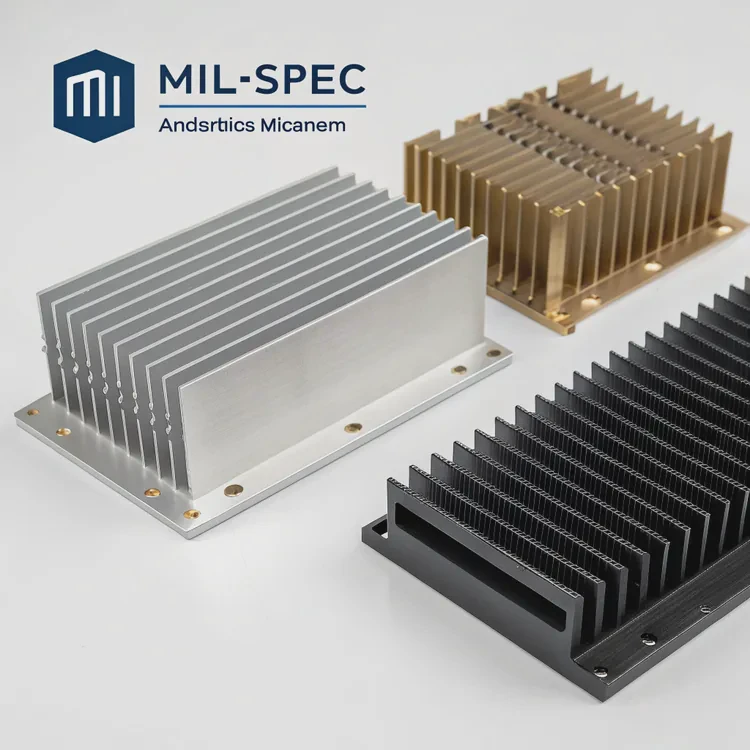
When a component is used in aerospace or defense systems, surface protection becomes a mission-critical factor. Standard anodizing is not enough — it must comply with MIL-A-8625, the U.S. military specification for anodic coatings on aluminum.
Yes, our anodizing processes fully meet MIL-A-8625 standards, including Type I, Type II, and Type III coatings, verified through certified laboratory testing.
We have established partnerships with military-approved anodizing facilities, ensuring that every process step — from pre-cleaning to sealing — follows exact MIL specification parameters.
Our experience extends beyond compliance paperwork. We have delivered anodized components used in aerospace electronics, radar modules, and defense-grade heat sinks, where surface uniformity and corrosion resistance are vital.
What anodizing types are available (Type I, II, III)?
Different applications demand different anodizing types. Understanding these types helps engineers choose the best protection for their aluminum components.
We offer all three anodizing types under MIL-A-8625: Type I (chromic acid), Type II (sulfuric acid), and Type III (hard anodizing).
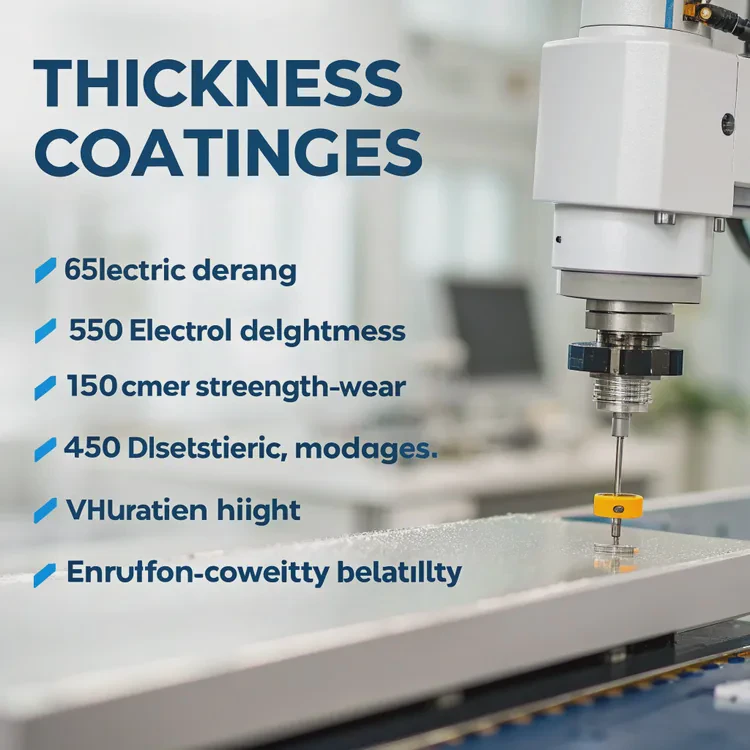
Each type has unique coating characteristics, thickness, and purpose. Our surface treatment lines can switch between these types depending on the project requirement.
Overview of MIL-A-8625 Anodizing Types
| Type | Process | Typical Thickness | Main Features | Applications |
|---|---|---|---|---|
| Type I | Chromic Acid Anodizing | 0.5–2 µm | Thin, corrosion-resistant, minimal dimensional change | Aerospace parts, electronic housings |
| Type II | Sulfuric Acid Anodizing | 5–25 µm | Decorative, dye-accepting, moderate hardness | Consumer and industrial components |
| Type III | Hard Anodizing (Sulfuric Acid) | 25–150 µm | Very hard, wear-resistant, high dielectric strength | Defense, aviation, power modules |
Each coating is carefully controlled for thickness uniformity, pore size, and sealing quality. We monitor electrolyte temperature, current density, and voltage according to MIL-A-8625 parameters to ensure consistent performance.
Type Selection Guidance
We usually recommend:
- Type I for aerospace components where fatigue strength is critical.
- Type II for decorative or lightly stressed housings.
- Type III for high-stress, high-temperature, or corrosive environments.
This selection approach ensures the right balance between protection, electrical properties, and appearance.
Can we provide military-grade anodizing certification?
Compliance is not just about doing the process; it’s about proving it. Defense and aerospace customers require verifiable proof of performance.
Yes, we can provide full MIL-A-8625 anodizing certification, including test reports and third-party laboratory validation.
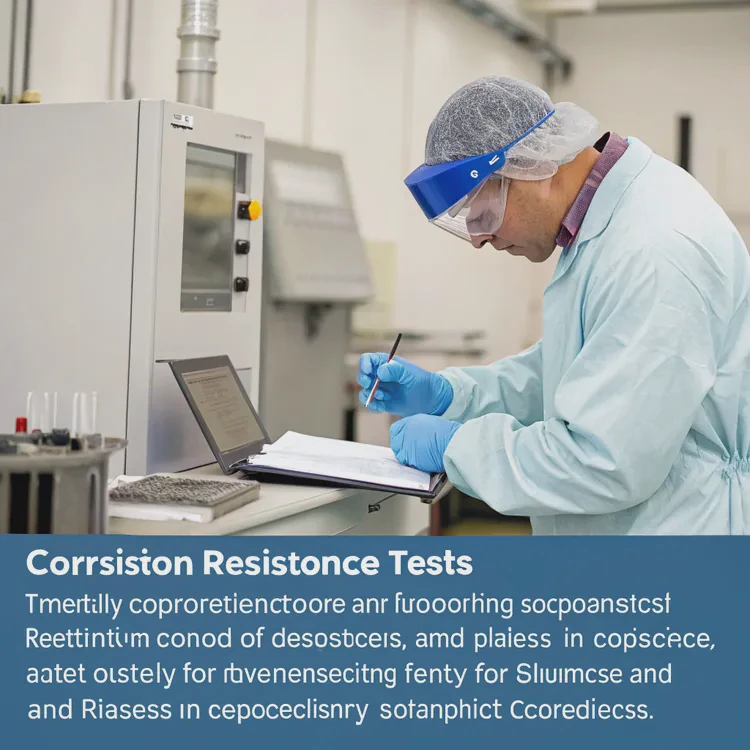
Every anodized batch is accompanied by traceable documentation that confirms the coating meets the required specification.
Typical Certification Documents
| Document Type | Description | Test Reference |
|---|---|---|
| Certificate of Conformance (CoC) | Confirms process meets MIL-A-8625 requirements | MIL-A-8625F Clause 3.7 |
| Coating Thickness Report | Measured using eddy current or cross-section | MIL-STD-171 / ASTM B244 |
| Corrosion Resistance Test | Salt spray test for 336 hours | ASTM B117 |
| Hardness Test | Microhardness of anodic film | ASTM D3363 |
| Sealing Quality Test | Acid dissolution or dye stain method | MIL-A-8625 Appendix A |
We maintain traceability for each batch, including anodizing bath parameters, temperature records, voltage profiles, and time cycles.
Our laboratory conducts hardness, adhesion, and corrosion resistance tests, while independent third-party labs verify compliance for defense contracts.
Certification Workflow
- Pre-Process Validation: Incoming aluminum alloy is verified for suitability (6061, 5052, 7075, etc.).
- Process Execution: Controlled anodizing using pre-set MIL-A-8625 recipes.
- Testing and Inspection: Coating thickness, color uniformity, and sealing validated.
- Documentation and Traceability: CoC and inspection reports generated.
- Final Audit: Review by internal quality assurance and external auditors.
With these procedures, we ensure each anodized part not only looks right but also performs under the most demanding conditions.
Have our products been used in aerospace or defense?
Aerospace and defense clients demand absolute reliability. Our anodized and thermally managed aluminum parts have already proven their durability in these sectors.
Yes, our anodized heat sinks, housings, and cooling modules have been used in aerospace, radar, and defense applications worldwide.
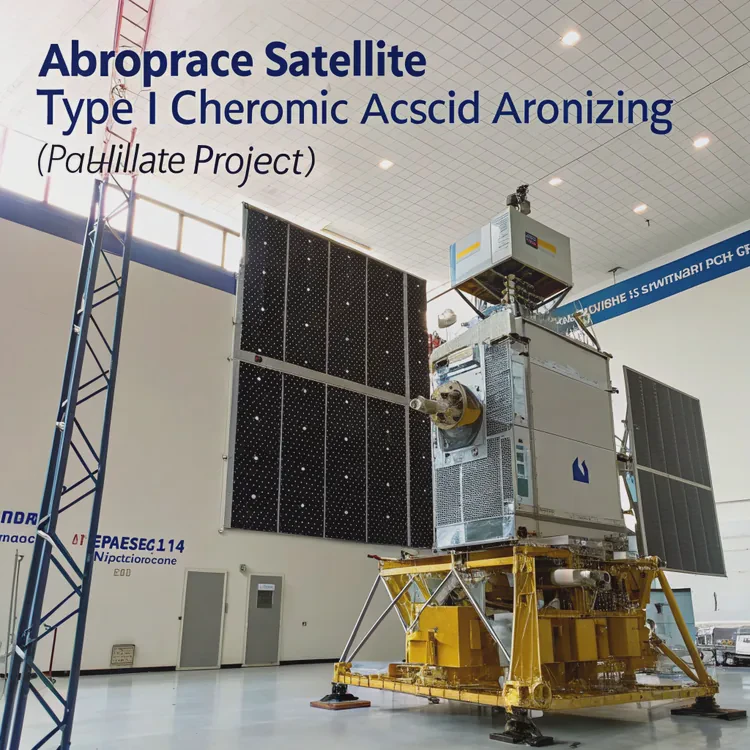
We have supplied components for projects such as:
- Avionics heat dissipation modules
- Missile guidance electronics housings
- Satellite power control assemblies
- Radar transceiver cooling systems
These parts undergo Type III hard anodizing under MIL-A-8625F, with specific sealing processes to resist salt fog and fluid exposure.
Real-World Defense Application Example
For one defense electronics manufacturer, we supplied hard anodized 6061-T6 enclosures used in a radar control system. The requirement specified:
- Type III, Class 1 (non-dyed)
- 50 µm coating thickness
- Sealed with nickel acetate
- Surface hardness ≥ 450 HV
We validated the coating through microhardness and corrosion testing. The parts passed 336 hours of salt spray exposure with no pitting or discoloration. This performance exceeded the client’s MIL-A-8625 acceptance criteria.
Aerospace Project Collaboration
In an aerospace satellite power project, our Type I chromic acid anodizing was chosen for its minimal effect on fatigue strength. The client required uniform color and electrical insulation up to 500 V. We achieved this by fine-tuning bath parameters and sealing conditions.
These successful deliveries have built our reputation as a trusted supplier for high-reliability anodized aluminum components.
What are the differences between standard and MIL anodizing?
Standard anodizing is often used for decorative or commercial purposes. MIL-A-8625 anodizing, on the other hand, is an engineering-grade surface treatment with precise control and measurable performance.
The main differences lie in coating thickness, hardness, testing requirements, and documentation traceability.
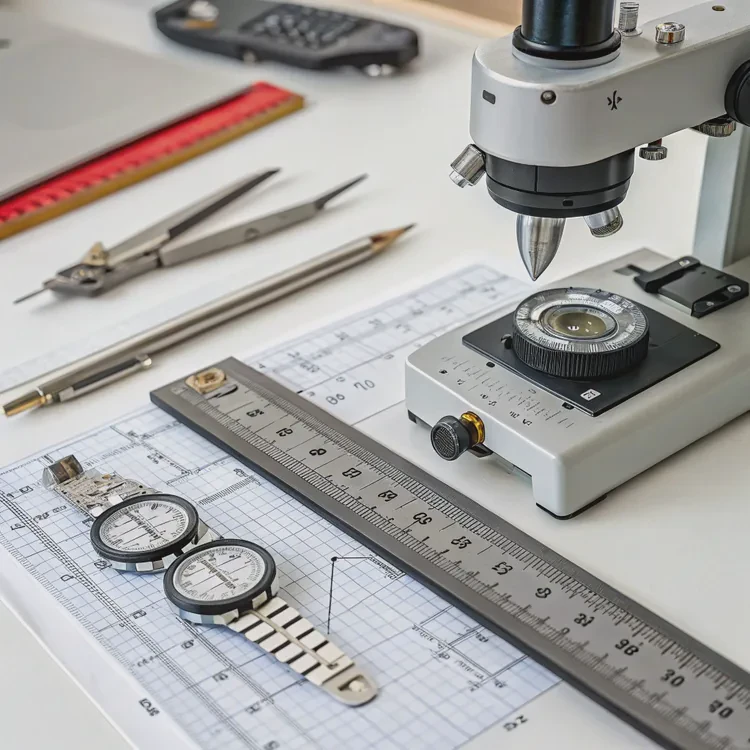
Comparison of Standard vs MIL Anodizing
| Feature | Standard Anodizing | MIL-A-8625 Anodizing |
|---|---|---|
| Thickness Control | Approx. 5–15 µm | Strict, 2–150 µm (depends on Type) |
| Hardness | Moderate | Up to 500 HV for Type III |
| Process Control | Based on general practice | Defined by MIL-A-8625 parameters |
| Testing | Visual inspection only | Includes corrosion, hardness, sealing tests |
| Traceability | Limited | Full batch record and CoC |
| Sealing Options | Optional | Mandatory per specification |
| Typical Use | Consumer & industrial | Aerospace, defense, electronics |
Process Control Differences
MIL-spec anodizing requires tighter control of temperature, current density, and bath chemistry. For instance:
- Type III anodizing is performed at low temperature (~0°C to +5°C).
- Voltage and current density are carefully regulated to build dense oxide layers.
- Bath pH and aluminum ion concentration are constantly monitored to avoid contamination.
In standard anodizing, such precision may not be required, and variations of ±10 µm in thickness are often acceptable. But under MIL-A-8625, deviations beyond ±2 µm can trigger corrective actions or batch rejection.
Testing and Verification
After anodizing, MIL-A-8625 requires sealing quality, corrosion resistance, and hardness testing:
- Sealing quality ensures pores are closed, preventing corrosion.
- Salt spray testing evaluates long-term environmental resistance.
- Dielectric strength testing ensures electrical insulation.
Standard anodizing may skip these steps, focusing mainly on color or appearance.
MIL-spec coatings are functional, not decorative — they exist to protect components under extreme mechanical and thermal stress.
Documentation and Audits
All MIL-spec anodizing must be traceable through batch numbers, process logs, and inspection reports.
Auditors or end-users can trace:
- The anodizing bath composition and date.
- The operator and machine used.
- Test results for thickness, hardness, and sealing.
This level of documentation aligns with aerospace and defense quality systems (AS9100, NADCAP), ensuring full transparency.
Why This Matters
For engineers designing mission-critical systems, the difference between standard and MIL anodizing can determine product survival.
In commercial electronics, slight discoloration might be acceptable. But in defense equipment, any coating failure can lead to electrical leakage, corrosion, or total mission loss.
That’s why we follow MIL-A-8625 not just for compliance, but as a mindset — precision, consistency, and documentation at every step.
Conclusion
Our anodizing processes fully comply with MIL-A-8625 standards, offering Type I, II, and III coatings for aerospace and defense applications. We provide military-grade certifications, verified test data, and traceable documentation. Whether for avionics, radar, or power systems, our coatings deliver proven durability, corrosion resistance, and performance consistency.
TAGS
Latest Articles

Volume discount levels for heat sink orders?
Buyers often ask when heat sink prices start to drop with volume. Many worry they’re overpaying for small orders. This guide explains how B2B volume pricing works for thermal components. Heat sink
21 Dec,2025
Heat sink long-term supply contract options?
Many buyers want stable pricing and reliable delivery for heat sinks. But without a clear contract, risks grow over time. This article explores how to secure better long-term supply deals. Long-term
21 Dec,2025
Tooling cost for new heat sink profiles?
Many engineers struggle to understand why tooling for custom heat sinks costs so much. They worry about budgeting and production timelines. This article breaks down the cost drivers behind tooling.
21 Dec,2025
Heat sink custom sample process steps?
Sometimes, starting a custom heat sink project feels overwhelming—too many steps, too many unknowns, and too many risks. You want a sample, but not endless delays. The process for requesting and
20 Dec,2025
Standard B2B terms for heat sink payments?
When buyers and sellers in B2B heat sink markets talk about payment, many don’t fully understand what’s standard. This can lead to delayed orders, miscommunication, and even lost business
20 Dec,2025
Heat sink pricing factors for large orders?
Heat sinks are vital for many systems. When prices rise, projects stall and budgets break. This problem can hit teams hard without warning. Large order heat sink pricing depends on many factors. You
20 Dec,2025Related Articles
- Can we manufacture to CNS or JIS heat sink standards?
- Do our heat sinks comply with IATF 16949 automotive standards?
- Heat Sink Manufacturers in Indonesia
- Heat Sink Manufacturers in Mexico
- Heat Sink Manufacturers in Australia
- Heat Sink Manufacturers in Spain
- Can we provide MSDS or material certificates for heat sinks?
- What export regulations apply to heat sinks for the US market?
- Do we have green certifications for our production processes?
- Can full test reports and certifications be delivered with orders?
- Does a 4090 need liquid cooling?
- Which is better, air cooled or liquid cooled engine?
Author
Dr. Emily Chen
Chief AI Researcher
Leading expert in thermal dynamics and AI optimization with over 15 years of experience in data center efficiency research.
Categories
Latest Products






Recommend Categories
- Liquid cooling plate Manufacturer
- Industrial Heat Sink Manufacturer
- Standard Heat Sink Manufacturer
- Aluminum Heat Sink Manufacturer
- Copper Heat Sink Manufacturer
- Anodized Heatsink Manufacturer
- Stamping heat sink Manufacturer
- Die Casting Heatsink Manufacturer
- Soldering heat sink Manufacturer
- CNC Parts Manufacturer
Latest Products
- Wholesale Aluminum Radiator
- Water Cooling Plate Kit
- Water Cooling Heat Sink
- Water Cooling Heat Sink Kit
- Stainless Steel Water Distributor
- Server Water Cooling Plate Kit
- Server Liquid Cooling System
- Server Aluminum Cooling Kit
- S19 Full Cover Cooling Plate
- S19 Cooling Plate Kit
- S19 Aluminum Cooling Plate
Contact Expert
Have questions about this article? Reach out to our experts directly.