how does vapor chamber cooling work?
I faced this question many times when a device of mine ran too hot during a long test. The heat built up fast, and the system started to throttle. I needed a clear way to move heat away without adding height or weight.
Vapor chamber cooling works by using liquid evaporation, vapor movement, condensation, and capillary return inside a sealed flat chamber. These steps move heat fast and keep surfaces cool with low resistance.
This article explains each part in simple words so readers see why vapor chambers solve many hotspot problems in modern devices.
I will now go step by step.
What steps occur during heat absorption?
I remember standing next to a test bench during a long stress run. The chip temperature kept rising. The heat sink alone could not spread the heat. But once I added a vapor chamber, the difference was obvious.
During heat absorption, the liquid inside the wick takes in energy, turns into vapor, and starts the phase-change loop. This step moves energy fast because the phase change carries a large amount of latent heat.
The heat absorption stage may look simple, but it triggers the entire cooling cycle.
Liquid warms and prepares for phase change
As the chip heats the base of the vapor chamber, the liquid in the wick warms up. The wick holds the liquid in place, so the heat touches it directly. This heat does not raise the liquid temperature much. Most of the energy goes into breaking molecular bonds.
Vapor forms and lifts away energy
When the liquid reaches its boiling point under the chamber’s internal pressure, it turns into vapor. This event happens fast. The vapor carries large energy because of the latent heat of vaporization. Even a small amount of vapor can carry strong heat loads.
Vapor starts to rise and expand
The vapor expands inside the sealed chamber. This expansion pushes the vapor toward cooler regions. Metal conduction alone cannot do this because a solid cannot move itself. Vapor moves heat because it moves physically with the energy inside it.
Table: Key Steps in Heat Absorption
| Step | What Happens | Why It Matters |
|---|---|---|
| Liquid warms | Liquid inside wick absorbs heat | Prepares phase change |
| Vaporization | Liquid turns into vapor | Carries large heat load |
| Vapor expansion | Vapor moves into chamber space | Pushes heat to cool zones |
These steps start the vapor cycle. Without this strong phase change action, the chamber would work like a simple piece of metal.
Why does vapor spread heat quickly?
I met a customer who was surprised that one thin vapor chamber outperformed a thick copper block. The copper block looked heavy and strong. But it did not spread heat nearly as well.
Vapor spreads heat quickly because vapor expands, moves freely inside the flat cavity, and carries large energy without needing big temperature differences.
Here is how the vapor spreading step works inside the chamber.
Vapor flow follows pressure differences
The hot region creates higher vapor pressure. The cold region has lower vapor pressure. The vapor moves naturally toward the cooler side because fluids follow pressure differences. This simple motion spreads heat fast.
Vapor movement covers large area
A vapor chamber has a wide cavity. The vapor can move across this area quickly. This action distributes heat across the whole surface. The device avoids hotspots because the heat does not stay in one place.
Vapor carries energy with little loss
The vapor holds energy from the phase change. When it moves, it keeps that energy. The process does not need a large temperature rise. Metal conduction needs high temperature difference. Vapor transport needs very little.
Table: Why Vapor Spreads Heat Fast
| Reason | Simple Explanation |
|---|---|
| Pressure-driven flow | Vapor moves to cooler, low-pressure zones |
| Free movement in cavity | Heat spreads across wide surfaces |
| Large latent heat | Vapor carries strong heat loads |
| Small temperature rise | Heat moves with low resistance |
This is why vapor chambers often replace solid copper plates in high-power devices. Vapor transport simply moves heat better.
How does condensation cycle lower temperatures?
I once spent hours checking thermal maps from a device that kept dropping frames under high load. When I added a vapor chamber, the temperature curve flattened. The condensation stage played a big part.
Condensation lowers temperatures because vapor releases its stored energy when it returns to liquid on cooler surfaces. This removes heat from hot zones and sends it into surrounding components or the heat sink.
The condensation cycle is simple, but it is powerful.
Vapor reaches cooler walls
Inside the vapor chamber, the edges and upper surfaces are cooler than the heat source. When vapor touches these surfaces, the vapor cools down. The molecules slow down and return to liquid form.
Condensation releases stored energy
When vapor becomes liquid, it releases the latent heat it stored. This heat moves into the chamber walls. The walls then spread that heat outward into the attached heat sink, fins, or external airflow.
Liquid returns to wick area
After condensation, the liquid stays on the cooler wall surfaces. The wick structure pulls the liquid back to the heat source using capillary action. This return closes the loop. The cycle repeats without pumps or control systems.
Table: Condensation Cycle Breakdown
| Step | What Happens | Why It Helps |
|---|---|---|
| Vapor cools | Vapor hits cooler surfaces | Slows and turns into liquid |
| Energy release | Vapor returns to liquid | Dumps heat into chamber walls |
| Liquid return | Wick pulls liquid back | Restarts the loop |
Because condensation releases so much heat, this cycle keeps the overall temperature low and stable.
Can vapor chambers boost device lifespan?
I once worked with a company whose device kept failing stress tests. The silicon aged too fast due to high peak temperatures. When we added a vapor chamber, the device passed the entire 72-hour run.
Vapor chambers can boost device lifespan because they reduce hotspots, control temperature spikes, lower thermal stress, and improve overall reliability.
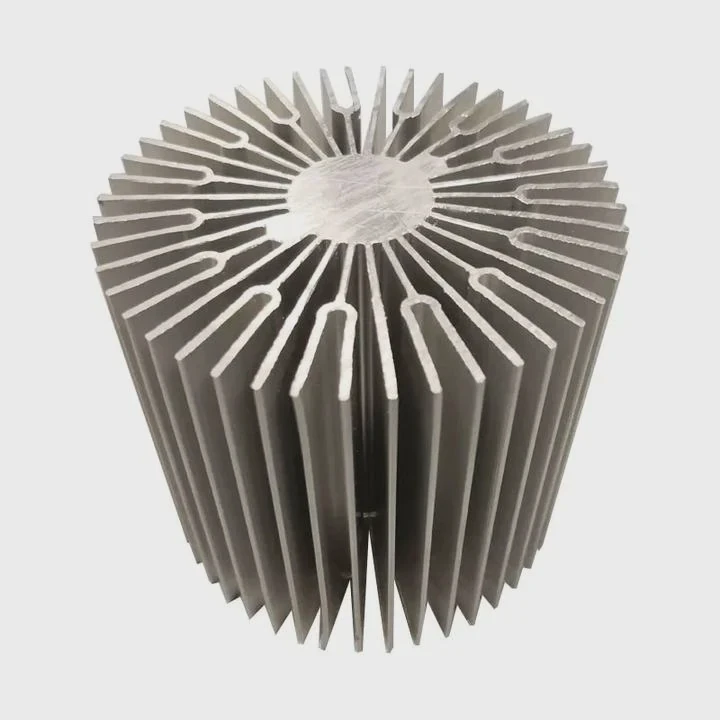
The link between vapor chambers and lifespan is straightforward.
Lower temperature delays material wear
Electronic parts age faster at high temperatures. Solder joints crack sooner. Silicon lifetime drops. A vapor chamber spreads heat across a wide area. This reduces peak temperature and slows down material wear.
Balanced thermal load reduces stress
A vapor chamber keeps temperature changes smoother. When a device avoids sharp thermal swings, the parts do not stretch or compress as much. This reduces fatigue.
Stable cooling supports high performance
A stable temperature allows chips to run at full power longer. This improves system stability and reduces throttling. In long-term tests, devices with vapor chambers show fewer performance drops.
Vapor chambers protect sensitive zones
Some devices have hot cores and sensitive edges. A vapor chamber spreads heat away from the hotspot. This keeps the outer zones safe from heat damage.
Summary Table: How Vapor Chambers Extend Lifespan
| Benefit | How It Helps | Real Effect |
|---|---|---|
| Lower hotspot | Reduces peak temperature | Slower material aging |
| Less thermal shock | Smooths temperature swings | Less fatigue and cracking |
| Stable cooling | Prevents throttling | Longer high-power run time |
| Wide heat spread | Protects sensitive zones | Fewer heat-related failures |
I often recommend vapor chambers when a device must pass long reliability cycles. The effect is clear across many tests.
Conclusion
Vapor chamber cooling works through phase change, vapor movement, and capillary return. These simple steps move heat fast, reduce hotspots, and keep temperature steady. In many devices, this cooling method improves reliability and supports long service life.
TAGS
Latest Articles

Volume discount levels for heat sink orders?
Buyers often ask when heat sink prices start to drop with volume. Many worry they’re overpaying for small orders. This guide explains how B2B volume pricing works for thermal components. Heat sink
21 Dec,2025
Heat sink long-term supply contract options?
Many buyers want stable pricing and reliable delivery for heat sinks. But without a clear contract, risks grow over time. This article explores how to secure better long-term supply deals. Long-term
21 Dec,2025
Tooling cost for new heat sink profiles?
Many engineers struggle to understand why tooling for custom heat sinks costs so much. They worry about budgeting and production timelines. This article breaks down the cost drivers behind tooling.
21 Dec,2025
Heat sink custom sample process steps?
Sometimes, starting a custom heat sink project feels overwhelming—too many steps, too many unknowns, and too many risks. You want a sample, but not endless delays. The process for requesting and
20 Dec,2025
Standard B2B terms for heat sink payments?
When buyers and sellers in B2B heat sink markets talk about payment, many don’t fully understand what’s standard. This can lead to delayed orders, miscommunication, and even lost business
20 Dec,2025
Heat sink pricing factors for large orders?
Heat sinks are vital for many systems. When prices rise, projects stall and budgets break. This problem can hit teams hard without warning. Large order heat sink pricing depends on many factors. You
20 Dec,2025Related Articles
- how does a vapor chamber work?
- heat sink manufacturer in Honduras
- heat sink manufacturer in Ethiopia
- heat sink manufacturer in Libya
- heat sink manufacturer in Bolivia
- heat sink manufacturer in Kosovo
- how vapor chamber cooling works?
- how vapor chamber works?
- is vapor chamber cooling good?
- what is a vapor chamber cooler?
- what is vapor chamber?
- what is vapor chamber cooling laptop?
Author
Dr. Emily Chen
Chief AI Researcher
Leading expert in thermal dynamics and AI optimization with over 15 years of experience in data center efficiency research.
Categories
Latest Products






Recommend Categories
- Liquid cooling plate Manufacturer
- Industrial Heat Sink Manufacturer
- Standard Heat Sink Manufacturer
- Aluminum Heat Sink Manufacturer
- Copper Heat Sink Manufacturer
- Anodized Heatsink Manufacturer
- Stamping heat sink Manufacturer
- Die Casting Heatsink Manufacturer
- Soldering heat sink Manufacturer
- CNC Parts Manufacturer
Latest Products
- Wholesale Aluminum Radiator
- Water Cooling Plate Kit
- Water Cooling Heat Sink
- Water Cooling Heat Sink Kit
- Stainless Steel Water Distributor
- Server Water Cooling Plate Kit
- Server Liquid Cooling System
- Server Aluminum Cooling Kit
- S19 Full Cover Cooling Plate
- S19 Cooling Plate Kit
- S19 Aluminum Cooling Plate
Contact Expert
Have questions about this article? Reach out to our experts directly.