is vapor chamber cooling good?
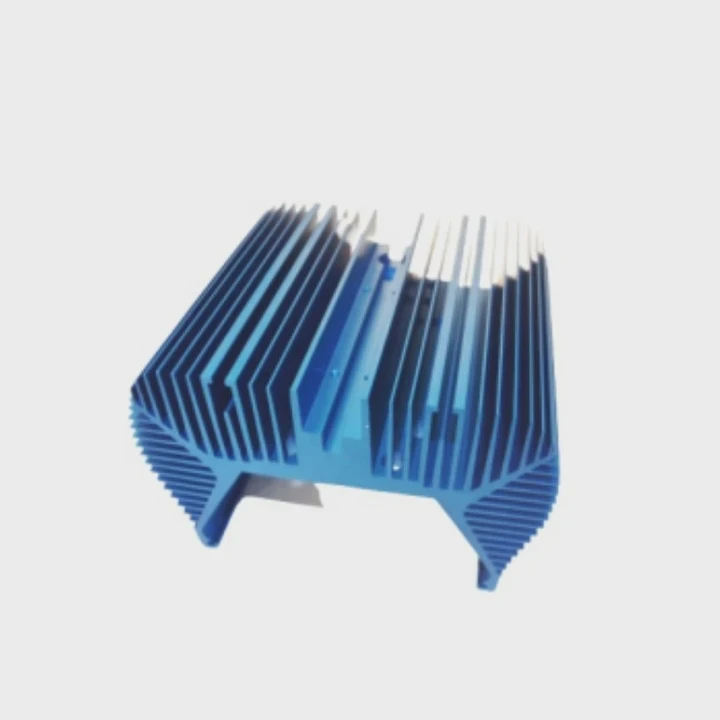
I remember the first time I tested a high-power device that kept overheating during long runs. The metal plate under the chip heated unevenly, the hotspot grew, and the system throttled hard. When I replaced that plate with a vapor chamber, the change shocked me. The device ran cooler, steadier, and far more stable.
Vapor chamber cooling is good because it spreads heat fast, lowers hotspots, and keeps devices stable under heavy load. Its phase-change loop moves heat with very low resistance, making it stronger than many traditional cooling parts.
I will explain each part in simple steps so readers can decide when vapor chambers make a real difference.
How effective is vapor chamber cooling?
I once reviewed a thermal test where a processor hit unsafe temperatures in seconds. The heat sink looked big enough, yet the hotspot kept rising. When I paired the same heat sink with a vapor chamber, the peak temperature dropped noticeably. That test convinced me how effective these devices can be.
Vapor chamber cooling is highly effective because it uses evaporation, vapor movement, and condensation to move heat faster and more evenly than solid metal. This keeps the chip surface cooler and reduces thermal spikes.
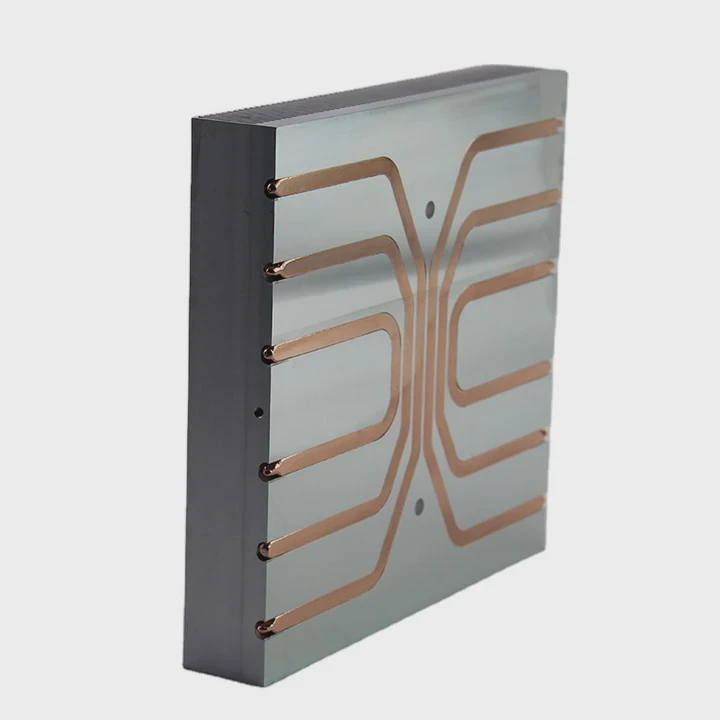
Here is why the performance stands out in real applications.
Vapor spreads heat with great speed
When liquid absorbs heat and turns into vapor, it carries a large amount of energy. This vapor moves freely inside the chamber. It spreads heat far faster than metal conduction alone.
The chamber plate creates uniform surface temps
The chamber’s flat shell helps spread heat sideways. This reduces hot zones and helps the cooler, heat sink, or cooling plate work more effectively.
Phase-change cooling needs small temperature rise
The vapor loop does not need a large temperature difference to move heat. This is one reason vapor chambers keep temperatures low even under high load.
The system reacts quickly to power spikes
A sudden heat jump immediately increases vapor generation. The chamber spreads this spike across the plate. This rapid reaction reduces stress on the chip.
Table: Why Vapor Chamber Cooling Is Effective
| Feature | How It Works | Result |
|---|---|---|
| Phase change | Vapor carries strong heat load | Fast heat movement |
| Wide cavity | Vapor spreads across plate | Lower hotspots |
| Flat metal shell | Spreads heat laterally | Uniform temps |
| Quick response | Reacts to spikes fast | More stability |
From small mobile devices to large servers, this effect shows up clearly in thermal tests.
Why do devices benefit from vapor chambers?
I have seen many devices fail tests not because the cooler was too small, but because heat stayed trapped near the chip. Vapor chambers solve this in a simple and quiet way.
Devices benefit from vapor chambers because they reduce hotspots, increase surface area for heat removal, protect nearby parts, and help maintain stable performance across long sessions.
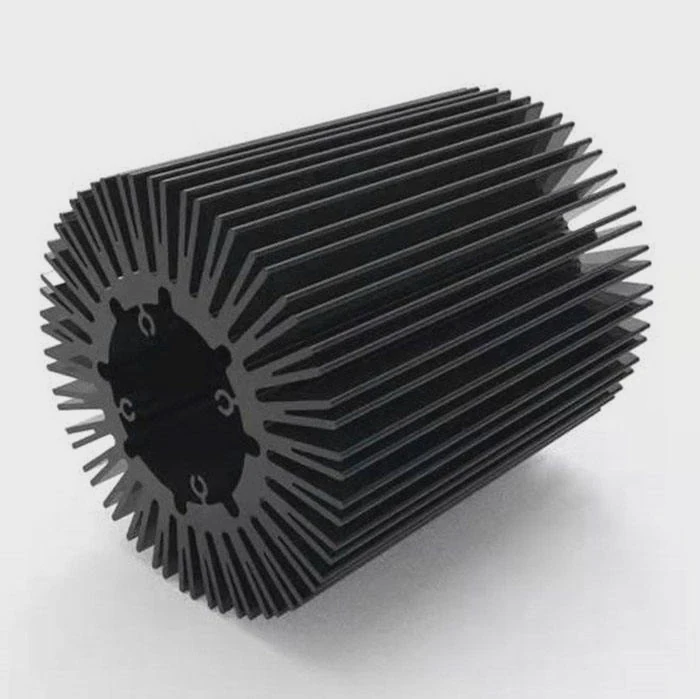
These benefits appear across many industries.
Vapor chambers remove hotspots that damage chips
Hotspots accelerate wear, weaken solder joints, and shorten device life. A vapor chamber spreads heat away from the hotspot and lowers the peak temperature.
They help cooling systems work with more area
A cooler works better when heat spreads across a wider plate. Vapor chambers turn a small heat source into a large uniform surface. Fans, sinks, or cold plates then work far more efficiently.
The chamber protects sensitive nearby parts
Today’s devices pack many components close together. Vapor chambers help protect VRAM, controllers, or sensors by moving heat away from the core.
They support long and heavy workloads
High-power loads create thermal buildup over time. Vapor chambers distribute heat across the whole plate, keeping long-term temperatures stable.
Devices get quiet cooling with less fan noise
Lower temperatures mean fans do not need to ramp up as often. Many devices become quieter after switching to vapor chambers.
Table: Key Benefits for Modern Devices
| Benefit | Why It Matters | Real-World Effect |
|---|---|---|
| Lower hotspots | Protect chips | Better stability |
| Larger heat area | Helps sinks remove heat | Lower temps |
| Part protection | Saves nearby parts | Less thermal damage |
| Long-run cooling | Handles long sessions | No shutdowns |
| Quiet operation | Fans spin slower | Less noise |
These gains explain why vapor chambers appear in laptops, handhelds, 5G gear, VR devices, cameras, and many more systems.
What limits vapor chamber performance?
Even a well-designed vapor chamber can fail if the internal conditions are not right. I have seen chambers with great materials perform poorly because one design factor went wrong.
Vapor chamber performance is limited by wick structure, fluid amount, internal pressure, cavity height, orientation, and external cooling capacity. These factors decide how much heat the chamber can move.
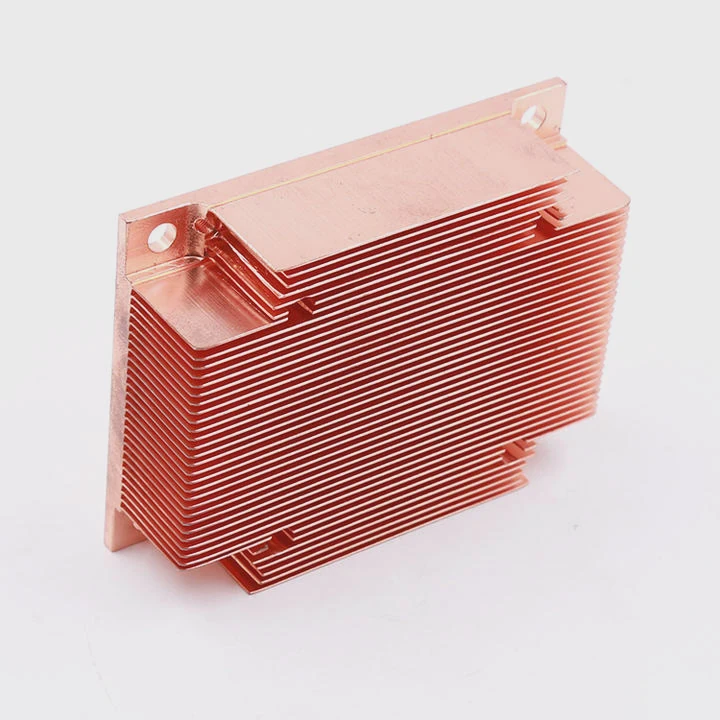
Knowing these limits helps avoid common mistakes.
Wick design controls liquid return
If the wick has pores that are too large, it cannot pull liquid back strongly. If pores are too small, the flow becomes slow. A weak wick causes dry-out near hotspots.
Fluid charge amount shapes operation
Too little fluid leads to starvation. Too much fluid floods the chamber and blocks vapor flow. Both conditions limit cooling performance.
Internal pressure sets the boiling point
If the pressure is too high, vapor forms slowly. If too low, vapor becomes unstable. The pressure must match the target heat range.
Cavity height guides vapor flow
A tall cavity helps vapor move freely but reduces spreading speed. A short cavity spreads heat fast but may choke flow when load is high.
Orientation affects liquid return
A chamber with weak capillary pull may struggle when placed vertically or upside down. Liquid return then becomes slow.
External cooling must remove the released heat
No matter how well the chamber moves heat, a weak fan or small heat sink will still limit total performance.
Table: Common Vapor Chamber Limitations
| Limiting Factor | What It Affects | Result |
|---|---|---|
| Wick structure | Liquid return | Risk of dry-out |
| Fluid charge | Vapor flow | Reduced capacity |
| Pressure | Boiling rate | Slow vaporization |
| Cavity height | Vapor movement | Choked flow |
| Device orientation | Wick performance | Angle-based failure |
| External cooling | Final heat removal | High temps remain |
When these points are balanced, the chamber performs at its best. When they are not, even high-power chambers fall short.
Can vapor chambers beat traditional cooling?
I tested two systems for a client: one with solid copper and one with a vapor chamber. The copper plate was heavy and thick. It still produced a hotspot in the center. The vapor chamber, although thinner, brought the whole surface to a balanced temperature.
Vapor chambers can beat traditional cooling in heat spreading, hotspot control, and thin-profile performance. However, they do not always replace heat pipes or solid plates in every system. It depends on design needs.
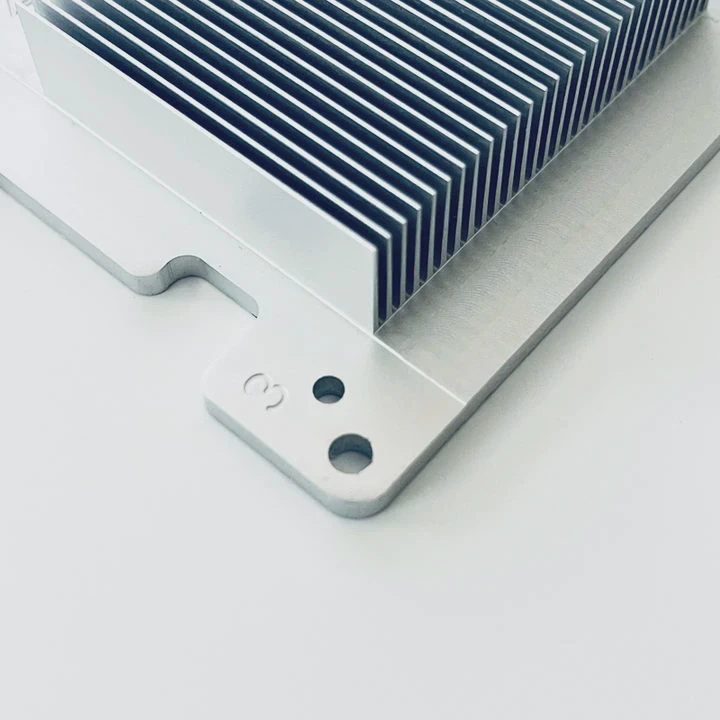
Here is how they compare.
Vapor chambers beat metal plates in spreading speed
Copper spreads heat by conduction. Vapor chambers spread heat by vapor movement. Vapor is much faster and needs lower temperature differences.
Vapor chambers beat heat pipes for flat heat loads
Heat pipes move heat well in one direction. Vapor chambers move heat in all directions and spread it across a full surface. For flat heat sources like CPUs or GPUs, chambers perform better.
Vapor chambers match or exceed performance in thin designs
Thin devices often lack height for heat pipes. A vapor chamber fits in tight spaces and still spreads heat evenly.
But heat pipes still win for long distances
If the heat must travel long paths, heat pipes are better. Vapor chambers focus on spreading, not long-route transport.
Solid copper still wins in cost and simplicity
Metal plates are cheap, strong, and simple. They work fine in low-power systems where hotspots are small.
Summary Table: Chambers vs. Traditional Cooling
| Cooling Type | Strength | Weakness |
|---|---|---|
| Vapor chamber | Best heat spreading | Higher cost |
| Heat pipe | Long-distance heat transport | Poor spreading |
| Solid copper | Low cost | Hotspot issues |
In many high-power devices, vapor chambers deliver the best mix of speed, stability, and uniformity.
Conclusion
Vapor chamber cooling is good because it moves heat quickly, spreads it evenly, and keeps devices stable under load. When designed well, vapor chambers outperform many traditional cooling parts and deliver strong results across modern high-power systems.
TAGS
Latest Articles

Volume discount levels for heat sink orders?
Buyers often ask when heat sink prices start to drop with volume. Many worry they’re overpaying for small orders. This guide explains how B2B volume pricing works for thermal components. Heat sink
21 Dec,2025
Heat sink long-term supply contract options?
Many buyers want stable pricing and reliable delivery for heat sinks. But without a clear contract, risks grow over time. This article explores how to secure better long-term supply deals. Long-term
21 Dec,2025
Tooling cost for new heat sink profiles?
Many engineers struggle to understand why tooling for custom heat sinks costs so much. They worry about budgeting and production timelines. This article breaks down the cost drivers behind tooling.
21 Dec,2025
Heat sink custom sample process steps?
Sometimes, starting a custom heat sink project feels overwhelming—too many steps, too many unknowns, and too many risks. You want a sample, but not endless delays. The process for requesting and
20 Dec,2025
Standard B2B terms for heat sink payments?
When buyers and sellers in B2B heat sink markets talk about payment, many don’t fully understand what’s standard. This can lead to delayed orders, miscommunication, and even lost business
20 Dec,2025
Heat sink pricing factors for large orders?
Heat sinks are vital for many systems. When prices rise, projects stall and budgets break. This problem can hit teams hard without warning. Large order heat sink pricing depends on many factors. You
20 Dec,2025Related Articles
- how vapor chamber works?
- how vapor chamber cooling works?
- how does vapor chamber cooling work?
- how does a vapor chamber work?
- heat sink manufacturer in Honduras
- heat sink manufacturer in Ethiopia
- what is a vapor chamber cooler?
- what is vapor chamber?
- what is vapor chamber cooling laptop?
- what is vapor chamber in phone?
- does iPhone 15 have vapor chamber?
- does iPhone 16 pro have vapor chamber?
Author
Dr. Emily Chen
Chief AI Researcher
Leading expert in thermal dynamics and AI optimization with over 15 years of experience in data center efficiency research.
Categories
Latest Products






Recommend Categories
- Liquid cooling plate Manufacturer
- Industrial Heat Sink Manufacturer
- Standard Heat Sink Manufacturer
- Aluminum Heat Sink Manufacturer
- Copper Heat Sink Manufacturer
- Anodized Heatsink Manufacturer
- Stamping heat sink Manufacturer
- Die Casting Heatsink Manufacturer
- Soldering heat sink Manufacturer
- CNC Parts Manufacturer
Latest Products
- Wholesale Aluminum Radiator
- Water Cooling Plate Kit
- Water Cooling Heat Sink
- Water Cooling Heat Sink Kit
- Stainless Steel Water Distributor
- Server Water Cooling Plate Kit
- Server Liquid Cooling System
- Server Aluminum Cooling Kit
- S19 Full Cover Cooling Plate
- S19 Cooling Plate Kit
- S19 Aluminum Cooling Plate
Contact Expert
Have questions about this article? Reach out to our experts directly.