what is vapor chamber?
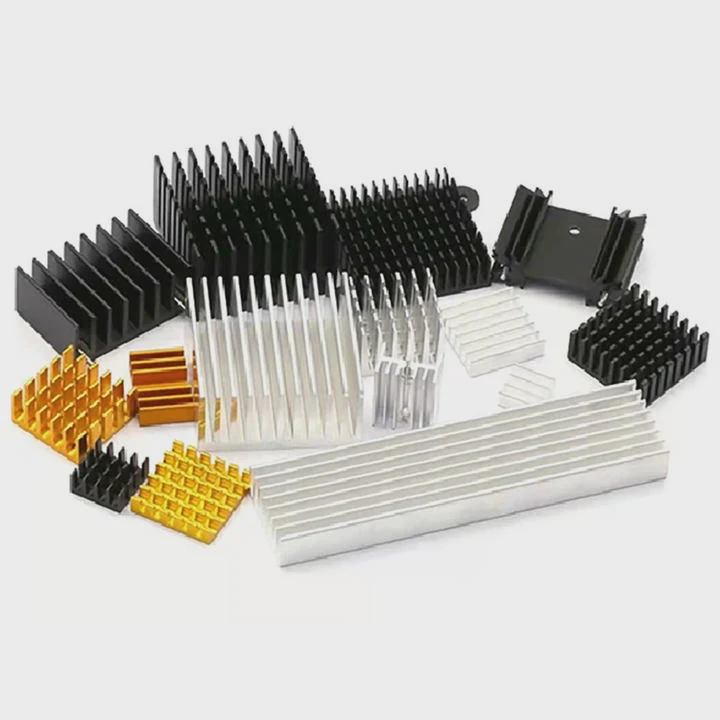
I often see engineers struggle with hot spots on their devices, and I know the stress that comes from unstable heat flow. I have been there before, and it can slow down an entire project.
A vapor chamber is a flat heat transfer device that spreads heat fast by using liquid evaporation and condensation inside a sealed metal shell. It moves heat away from the source with high speed and keeps the surface temperature more even.
I want to help you understand how this simple-looking part solves complex heat issues, because many teams fail to use it well. When you know how it works at a deeper level, you can avoid common mistakes.
How does a vapor chamber operate?
I know that many people feel lost when they try to picture what happens inside a vapor chamber. The process seems hidden, and that makes the device feel mysterious. I used to feel the same before I learned the internal cycle.
A vapor chamber operates by evaporating working fluid at the heat source, moving vapor to cooler areas, condensing it, and sending the liquid back through a wick structure. This cycle spreads heat over a wide area with high speed and stability.
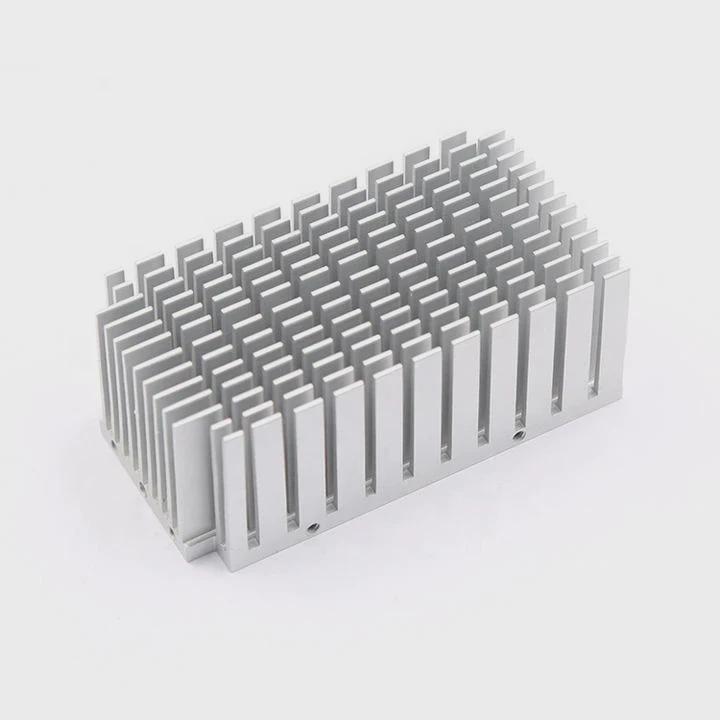
How the internal cycle works
A vapor chamber looks simple from the outside, but the inside follows a clear cycle. The heat source touches the base plate. The working liquid inside absorbs heat and evaporates. The vapor expands and moves to cooler regions. The cooler surfaces force the vapor to condense. The wick layer draws the liquid back to the heat source. The cycle repeats again and again.
Why the cycle is stable
A vapor chamber stays stable because the phase change process reacts fast to heat. When heat rises, more liquid evaporates. When heat drops, evaporation slows down. The wick keeps the flow steady. The sealed body maintains pressure so that boiling happens at a low temperature. These steps keep the device balanced.
Main process table
| Stage | What Happens | Result |
|---|---|---|
| Evaporation | Liquid absorbs heat | Fast heat pickup |
| Vapor Flow | Vapor moves to cool areas | Heat spreads |
| Condensation | Vapor turns to liquid | Heat release |
| Return Path | Wick moves liquid back | Continuous cycle |
More details to understand
The interesting part is how fast everything happens. The boiling point inside the chamber is set by the internal pressure. The pressure is lower than outside air. This makes the liquid evaporate at a much lower temperature than water does in normal air. The vapor has almost no resistance when it expands. So the heat spreads across the whole surface very fast.
Many device failures come from slow heat spreading. I learned this lesson in one of my early projects. We tried thick copper blocks, but the heat still gathered under the chip. When we switched to a vapor chamber, the temperature difference dropped in minutes. That moment helped me understand why so many engineers rely on this tool.
A vapor chamber does not cool by magic. It cools by using the natural energy of phase change. Evaporation absorbs a lot of heat. This absorption is many times stronger than simple conduction. When the vapor moves across the chamber, it carries that energy with almost no loss. That is why the chamber behaves like a material with very high effective thermal conductivity.
The wick structure also matters a lot. If the wick is too dense, the fluid moves slow. If it is too open, the return flow breaks. A good wick finds a balance. It uses small pores to pull the liquid back with capillary force. This makes the system passive. It does not need pumps or moving parts. It works as long as heat is present.
The metal shell must be sealed well. Even a small leak changes the pressure. When the pressure changes, the boiling point shifts. That shift can reduce performance. This is why high-quality production makes a big difference. A stable chamber gives fast and even heat transfer. A bad one gives slow and uneven heat flow.
All these steps help you see that a vapor chamber is not just a plate. It is a small heat engine. It runs on heat itself. And that is why it solves many thermal problems.
Why is vapor chamber tech widely used?
Many engineers ask why this technology appears in phones, laptops, base stations, EV systems, and even space hardware. The answer is simple once you understand the benefit. I also asked the same question when I first started working with heat spreaders.
Vapor chamber tech is widely used because it spreads heat fast, keeps temperature uniform, stays thin, and works without moving parts. It supports compact designs and improves device reliability across many industries.
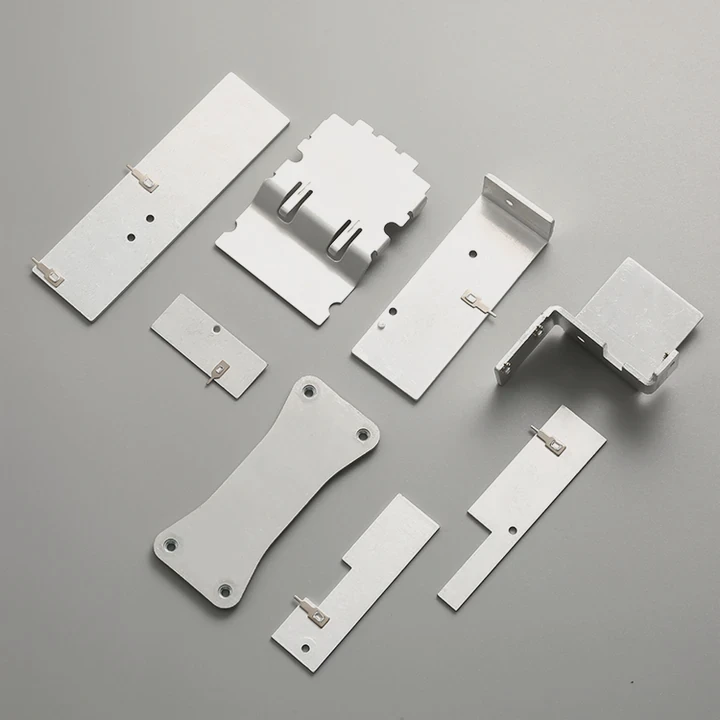
Reasons the technology dominates today
When devices get smaller and power grows higher, heat density rises fast. This pushes many engineers to find tools that move heat with high speed. A vapor chamber does this very well. It spreads heat many times faster than thick copper. It also stays flat and thin. This helps designers save space.
Comparison table
| Feature | Vapor Chamber | Solid Copper |
|---|---|---|
| Heat Spreading | Very high | Moderate |
| Weight | Light | Heavy |
| Thickness | Thin | Thick |
| Temperature Uniformity | High | Medium |
| Moving Parts | None | None |
Why many industries adopt it
Many industries use vapor chambers because they solve a common and painful problem: hot spots. A single hot point can damage chips, reduce battery life, or slow down processors. Engineers need a way to spread heat fast. Vapor chambers do this well without adding large weight. They fit inside thin spaces. They work in phones, tablets, VR headsets, drones, and advanced servers.
I also see vapor chambers used in outdoor systems. These systems experience fast temperature swings. They need stable and passive cooling. The sealed vapor chamber handles this with no noise and no mechanical failure. This makes it ideal for many high-reliability products.
My personal learning from industry use
I once worked with a team that built a compact control box. The chips inside ran hot. They tried to use a small heat sink, but it was not enough. The device throttled. The team had no space for larger fins. When we added a vapor chamber, the heat spread across the whole base. Then the small heat sink worked much better. The temperature drop was clear. The device passed the test without redesigning the entire enclosure.
This taught me that vapor chambers help products stay simple. They allow teams to keep small designs while still handling heat. That is why so many companies choose them today.
What components form a vapor chamber?
I know engineers who look at a vapor chamber and think it is only a hollow box. That idea is common. It looks simple from outside. But the inside has a clear structure. Once you learn the parts, you can understand how the system works and how to choose the right type.
A vapor chamber is formed by a sealed metal shell, an internal wick layer, a working fluid, support pillars or mesh, and a vacuum-controlled cavity. These parts work together to move heat by phase change.
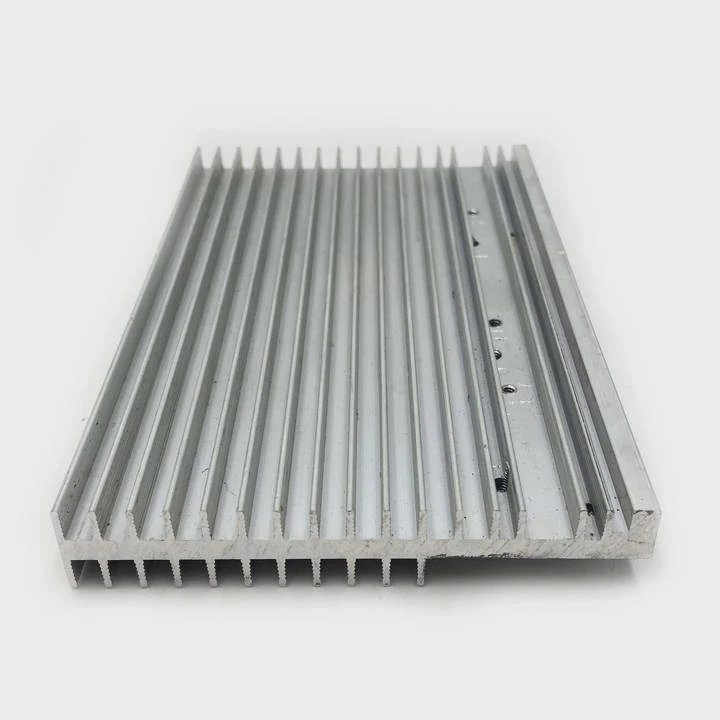
Key parts inside the chamber
A vapor chamber has several key components. Each part matters for the whole cycle.
Components table
| Component | Function |
|---|---|
| Metal Shell | Holds pressure and spreads heat |
| Wick Structure | Moves liquid back to the heat source |
| Working Fluid | Evaporates and carries heat |
| Support Pillars | Keep the chamber flat |
| Sealed Cavity | Controls internal pressure |
Details about each part
The metal shell is usually copper or aluminum. It must spread heat well. It must stay strong. It holds the vacuum inside. If it bends too much, the internal flow breaks. Support pillars help stop this bending. They act like small columns. They keep the chamber flat.
The wick structure lines the inner surface. It uses small pores to pull liquid back. The wick can be sintered powder, grooved lines, or mesh. Each type has pros and cons. A sintered wick holds fluid well. A mesh wick is simple and light. A grooved wick has low flow resistance. The choice depends on the use case.
The working fluid is the key. Water is common because it absorbs a lot of heat during evaporation. But other fluids are used in special cases. The fluid amount is precise. Too much fluid slows the cycle. Too little fluid breaks the cycle.
The sealed cavity holds the entire system. It has a set pressure. This pressure sets the boiling point. The boiling point affects how fast the fluid works. When the pressure is low, the fluid evaporates faster.
I once helped test a vapor chamber that had a small leak. The pressure changed. The performance dropped by more than half. That moment showed me how important good sealing is. Even a tiny leak can damage the thermal cycle.
When all parts work together, the chamber becomes a strong heat spreader. Each part plays a role. When one part fails, the system performance drops. That is why understanding the components helps you choose the right type for your design.
Can vapor chambers enhance thermal balance?
Many people ask if a vapor chamber really improves temperature uniformity. The answer is yes, and I have seen this many times in real projects. Devices with uneven heat often fail early. They lose speed. They consume more energy. Uniform heat helps the whole system stay healthy.
Vapor chambers enhance thermal balance by spreading heat fast across their surface, reducing hot spots, lowering temperature differences, and keeping sensitive components at stable operating conditions.
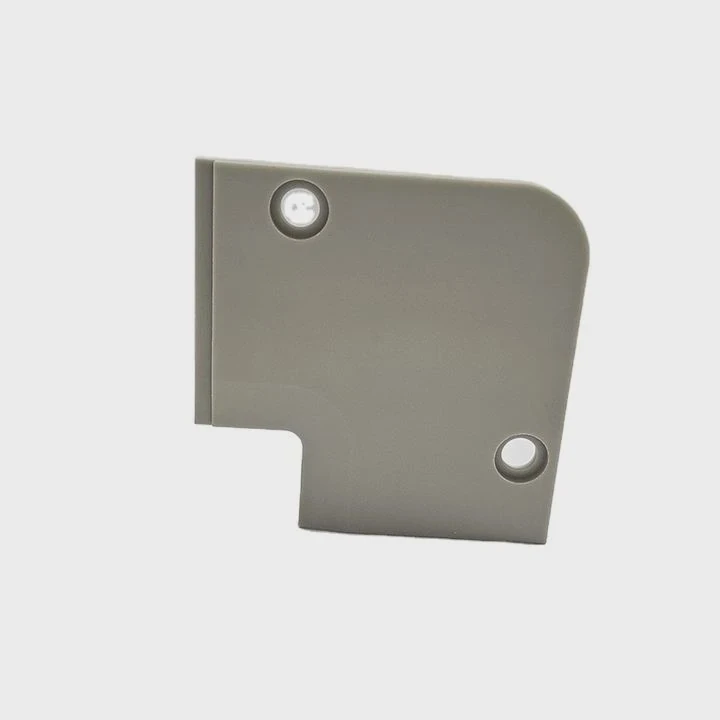
Why balance matters
Heat balance matters because modern chips use high power in small areas. If heat builds up at one point, that point becomes unstable. The vapor chamber spreads heat so that no single point becomes too hot.
What makes vapor chambers stable
A vapor chamber is good at stability because it reacts fast. When the heat increases, more liquid evaporates. This increases the vapor flow. When the heat decreases, the flow slows. The system responds like a natural regulator.
My detailed explanation
A vapor chamber can keep the temperature across its surface more even than many solid metals. This is because the vapor inside moves in all directions at once. The vapor does not need a direct path. It fills the cavity. When it hits a cool surface, it gives up heat and becomes liquid. This spreads the heat everywhere.
In one test, I saw a chip with a hot spot more than 25°C higher than the surrounding area. When we added a vapor chamber between the chip and the heat sink, the hot spot dropped to less than 5°C above the rest. The system became stable.
Uniform heat helps circuits work at their rated speed. It reduces stress on solder joints. It protects sensitive parts. This is why engineers who handle high power or dense circuits choose vapor chambers.
A vapor chamber also helps devices that move heat to a second cooling stage. For example, some systems use heat pipes, fins, or liquid cooling on top. The vapor chamber spreads heat across the whole base. This gives the next stage a larger area to work with.
Stability table
| Benefit | Effect |
|---|---|
| Lower hot spots | Less stress on chips |
| Fast heat spreading | Better performance |
| High uniformity | Longer lifespan |
| Passive operation | No moving parts |
This shows why vapor chambers support thermal balance so well.
Conclusion
A vapor chamber spreads heat with high speed, keeps surfaces uniform, supports thin designs, and uses a stable phase-change cycle. It helps solve hot-spot problems and improves device reliability across many industries.
TAGS
Latest Articles

Volume discount levels for heat sink orders?
Buyers often ask when heat sink prices start to drop with volume. Many worry they’re overpaying for small orders. This guide explains how B2B volume pricing works for thermal components. Heat sink
21 Dec,2025
Heat sink long-term supply contract options?
Many buyers want stable pricing and reliable delivery for heat sinks. But without a clear contract, risks grow over time. This article explores how to secure better long-term supply deals. Long-term
21 Dec,2025
Tooling cost for new heat sink profiles?
Many engineers struggle to understand why tooling for custom heat sinks costs so much. They worry about budgeting and production timelines. This article breaks down the cost drivers behind tooling.
21 Dec,2025
Heat sink custom sample process steps?
Sometimes, starting a custom heat sink project feels overwhelming—too many steps, too many unknowns, and too many risks. You want a sample, but not endless delays. The process for requesting and
20 Dec,2025
Standard B2B terms for heat sink payments?
When buyers and sellers in B2B heat sink markets talk about payment, many don’t fully understand what’s standard. This can lead to delayed orders, miscommunication, and even lost business
20 Dec,2025
Heat sink pricing factors for large orders?
Heat sinks are vital for many systems. When prices rise, projects stall and budgets break. This problem can hit teams hard without warning. Large order heat sink pricing depends on many factors. You
20 Dec,2025Related Articles
- what is a vapor chamber cooler?
- is vapor chamber cooling good?
- how vapor chamber works?
- how vapor chamber cooling works?
- how does vapor chamber cooling work?
- how does a vapor chamber work?
- what is vapor chamber cooling laptop?
- what is vapor chamber in phone?
- does iPhone 15 have vapor chamber?
- does iPhone 16 pro have vapor chamber?
- does iphone have vapor chamber cooling?
- what is vapor chamber cooling iphone?
Author
Dr. Emily Chen
Chief AI Researcher
Leading expert in thermal dynamics and AI optimization with over 15 years of experience in data center efficiency research.
Categories
Latest Products






Recommend Categories
- Liquid cooling plate Manufacturer
- Industrial Heat Sink Manufacturer
- Standard Heat Sink Manufacturer
- Aluminum Heat Sink Manufacturer
- Copper Heat Sink Manufacturer
- Anodized Heatsink Manufacturer
- Stamping heat sink Manufacturer
- Die Casting Heatsink Manufacturer
- Soldering heat sink Manufacturer
- CNC Parts Manufacturer
Latest Products
- Wholesale Aluminum Radiator
- Water Cooling Plate Kit
- Water Cooling Heat Sink
- Water Cooling Heat Sink Kit
- Stainless Steel Water Distributor
- Server Water Cooling Plate Kit
- Server Liquid Cooling System
- Server Aluminum Cooling Kit
- S19 Full Cover Cooling Plate
- S19 Cooling Plate Kit
- S19 Aluminum Cooling Plate
Contact Expert
Have questions about this article? Reach out to our experts directly.