how vapor chamber works?
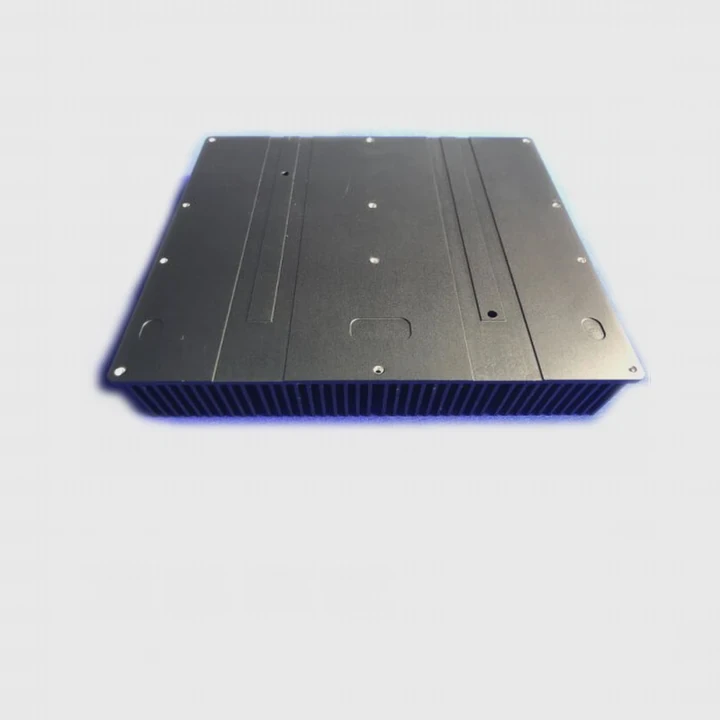
I once watched a device fail a long stress test because the heat built up faster than the system could move it away. That moment pushed me to study how vapor chambers really work inside thin, high-power devices.
A vapor chamber works by using evaporation, vapor movement, condensation, and capillary return inside a sealed flat plate. This loop spreads heat fast and keeps temperatures stable with very low resistance.
I will now explain each part in clear and simple steps.
What triggers vaporization inside chambers?
I remember opening a faulty thermal module where the chip overheated within minutes. The chamber looked fine outside, but the vaporization process inside was weak. That taught me how important this first step is for the whole system.
Vaporization starts when heat enters the wick, warms the working fluid, and pushes it to change into vapor. This phase change carries strong energy and begins the cooling cycle.
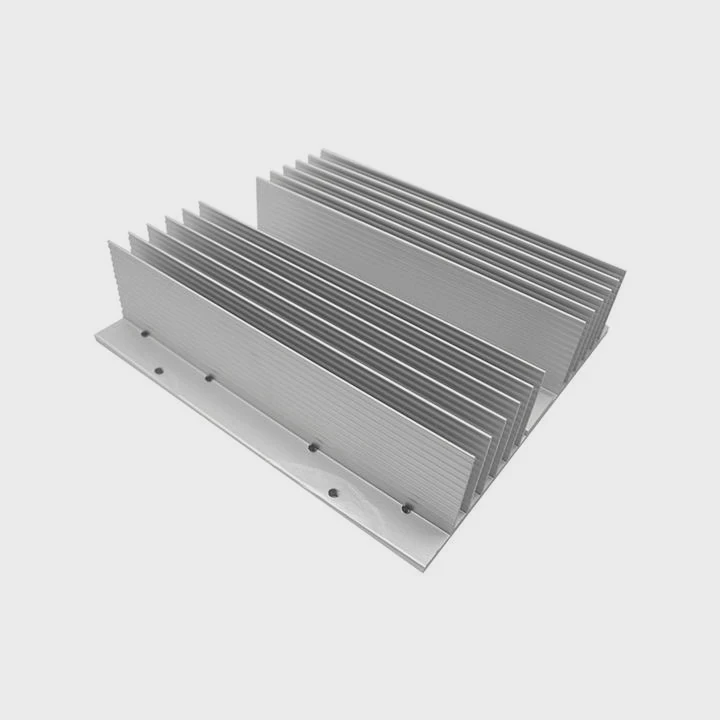
The trigger looks simple, but it sets the entire loop in motion.
Heat flows into the wick layer
The chamber base sits right on the heat source. When the chip warms up, the energy flows into the wick. The wick holds liquid in place, so the heat touches the fluid directly.
Liquid absorbs heat with small temperature rise
The fluid inside the wick absorbs heat. Most of this heat goes into breaking molecular bonds, not raising temperature. This prepares the liquid for phase change.
Liquid turns into vapor at low pressure
The chamber holds low internal pressure. This lowers the boiling point. The liquid can boil and turn into vapor at lower temperatures. This gives fast response and strong heat movement.
Vapor leaves the wick and rises into the cavity
As vapor forms, it expands and moves into the open chamber space. This motion carries strong thermal energy away from the heat source.
Table: What Triggers Vaporization
| Step | What Happens | Why It Matters |
|---|---|---|
| Wick heating | Heat enters liquid | Starts phase-change prep |
| Energy absorption | Liquid warms with low temp rise | Builds latent heat |
| Boiling under low pressure | Liquid turns to vapor | Enables fast cooling |
| Vapor expansion | Vapor rises into cavity | Moves heat away |
Without strong vaporization, the chamber behaves like a simple metal plate and loses most of its real cooling power.
How do chambers handle overheating?
I once helped test a chamber that needed to absorb power spikes from a high-load processor. When the heat jumped, the chamber had to respond fast. The way the chamber handled these spikes stopped the device from shutting down.
Chambers handle overheating by building more vapor pressure, spreading heat over large surfaces, boosting condensation on cool walls, and using the wick to prevent dry-out.
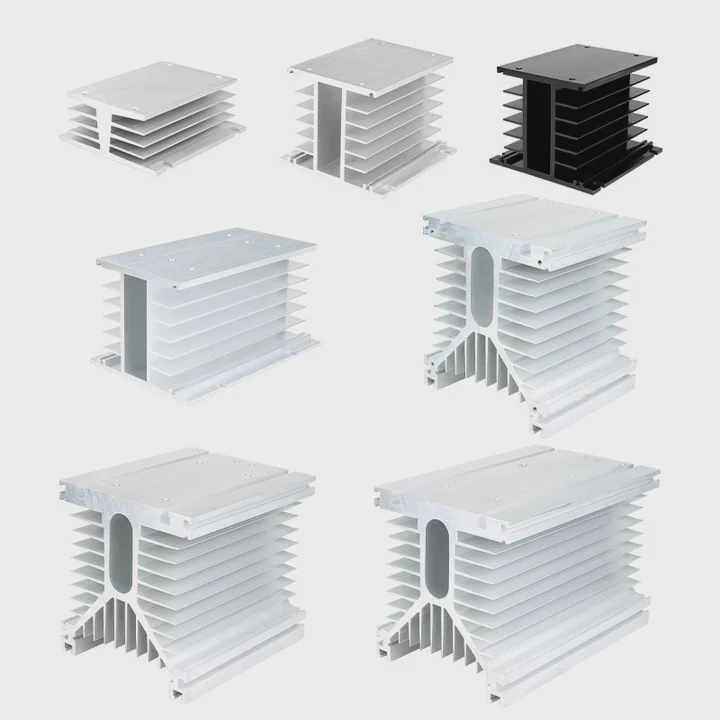
These steps keep the system stable when temperatures rise fast.
Vapor pressure increases near hotspots
When heat rises, more vapor forms. The vapor pressure in that zone increases. This pressure pushes vapor out faster into cooler areas. The chamber reacts on its own without control systems.
Vapor spreads heat across the entire plate
As vapor pressure increases, the vapor moves out into the large cavity. This spreads heat across the entire surface and slows the rise of peak temperatures.
Condensation increases on cool areas
Cooler regions of the chamber receive more vapor during spikes. When vapor condenses, it releases energy into the metal plate. This helps external sinks, fins, or fans carry the extra heat away.
Wick prevents liquid starvation
During extreme heat, vapor can form faster than liquid returns. A good wick design pulls liquid back quickly. This keeps the hot zone from drying out and stops thermal runaway.
Table: How Chambers Respond to Overheating
| Factor | Response | Impact |
|---|---|---|
| Vapor pressure | Rises near heat | Pushes heat outward |
| Vapor spread | Moves into cavity | Lowers hotspots |
| Condensation | Increases on cool walls | Dumps heat fast |
| Wick return | Speeds up | Prevents dry-out |
This natural self-regulation helps vapor chambers handle heavy loads safely.
Why is capillary action essential?
I once had a test unit fail a tilt test. The device cooled fine when flat, but overheated when standing upright. The issue was weak capillary action. After we fixed the wick, the chamber worked in every orientation.
Capillary action is essential because it pulls liquid back to the heat source, stores working fluid, stabilizes the loop, and allows the chamber to work in any direction.
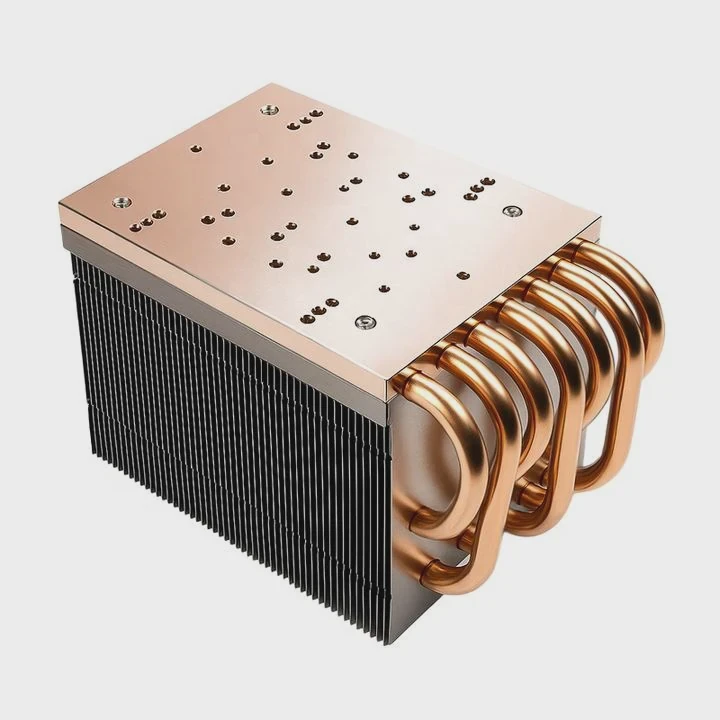
Capillary action inside the wick makes the whole system function correctly.
Wick pores create strong liquid pull
The wick holds many micro-pores. These pores create strong capillary pressure. This pressure pulls the condensed liquid back toward the heat source even against gravity.
Liquid return keeps the cycle alive
Without return flow, the hot zone can dry out. Dry-out kills cooling performance. Capillary action prevents this by keeping the liquid supply stable.
Pore size controls return speed
Small pores give strong capillary pull but slow flow. Large pores move liquid fast but weaken pull. The right balance gives stable performance across all loads.
Orientation reliability comes from capillary force
A strong wick works in any direction. This helps the chamber cool well in laptops, handheld devices, vertical servers, and other positions.
Table: Why Capillary Action Matters
| Role | Function | Result |
|---|---|---|
| Liquid pull | Drives fluid to heat source | Keeps evaporation strong |
| Loop stability | Keeps cycle balanced | Stops dry-out |
| Orientation support | Works in any angle | Better device placement |
| Thermal reliability | Steady return flow | Handles long use |
Capillary action is the silent force that keeps the vapor chamber alive and stable.
Can chamber design impact efficiency?
I have redesigned many chambers that looked correct on paper but failed in real tests. Every time, the issue came from design choices inside the chamber.
Chamber design impacts efficiency through shell thickness, wick structure, fluid type, internal pressure, cavity height, and surface area. Small changes can raise or lower performance by a large margin.
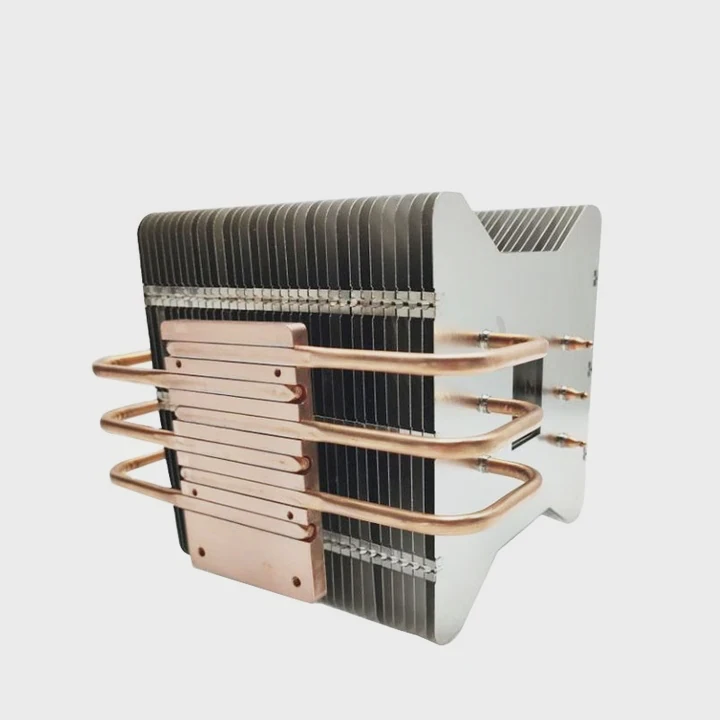
Here are the main factors that shape chamber efficiency.
Shell thickness controls spreading behavior
A thick shell spreads heat well but adds weight. A thin shell reacts fast but can warp under pressure. The right thickness brings strong spreading without mechanical issues.
Wick design shapes liquid flow
Wick pore size, thickness, and pattern change how fast liquid returns. A well-designed wick supports high heat loads and stable long-term performance.
Fluid type affects boiling and energy storage
Different fluids boil at different temperatures. The best fluid must match the device’s heat range. The wrong fluid limits vapor formation and cuts efficiency.
Internal pressure sets boiling point
Low internal pressure lowers boiling temperatures. This helps cooling start early. But pressure cannot be too low, or vapor becomes unstable.
Cavity height shapes vapor flow
A tall cavity gives easy vapor movement. A short cavity spreads heat fast but can restrict flow. The design must match expected load.
Table: Design Factors That Shape Efficiency
| Design Factor | What It Controls | Performance Effect |
|---|---|---|
| Shell thickness | Heat spreading | Response speed |
| Wick structure | Liquid return | Load capacity |
| Fluid type | Boiling point | Cooling range |
| Internal pressure | Vaporization | Flow stability |
| Cavity height | Vapor movement | Heat spreading |
These design points decide how well a chamber performs in real devices.
Conclusion
A vapor chamber works through evaporation, vapor movement, condensation, and capillary return inside a sealed plate. These steps move heat fast, spread it evenly, and keep temperatures stable. With the right design, vapor chambers deliver strong and reliable cooling for modern high-power systems.
TAGS
Latest Articles

Volume discount levels for heat sink orders?
Buyers often ask when heat sink prices start to drop with volume. Many worry they’re overpaying for small orders. This guide explains how B2B volume pricing works for thermal components. Heat sink
21 Dec,2025
Heat sink long-term supply contract options?
Many buyers want stable pricing and reliable delivery for heat sinks. But without a clear contract, risks grow over time. This article explores how to secure better long-term supply deals. Long-term
21 Dec,2025
Tooling cost for new heat sink profiles?
Many engineers struggle to understand why tooling for custom heat sinks costs so much. They worry about budgeting and production timelines. This article breaks down the cost drivers behind tooling.
21 Dec,2025
Heat sink custom sample process steps?
Sometimes, starting a custom heat sink project feels overwhelming—too many steps, too many unknowns, and too many risks. You want a sample, but not endless delays. The process for requesting and
20 Dec,2025
Standard B2B terms for heat sink payments?
When buyers and sellers in B2B heat sink markets talk about payment, many don’t fully understand what’s standard. This can lead to delayed orders, miscommunication, and even lost business
20 Dec,2025
Heat sink pricing factors for large orders?
Heat sinks are vital for many systems. When prices rise, projects stall and budgets break. This problem can hit teams hard without warning. Large order heat sink pricing depends on many factors. You
20 Dec,2025Related Articles
- how vapor chamber cooling works?
- how does vapor chamber cooling work?
- how does a vapor chamber work?
- heat sink manufacturer in Honduras
- heat sink manufacturer in Ethiopia
- heat sink manufacturer in Libya
- is vapor chamber cooling good?
- what is a vapor chamber cooler?
- what is vapor chamber?
- what is vapor chamber cooling laptop?
- what is vapor chamber in phone?
- does iPhone 15 have vapor chamber?
Author
Dr. Emily Chen
Chief AI Researcher
Leading expert in thermal dynamics and AI optimization with over 15 years of experience in data center efficiency research.
Categories
Latest Products






Recommend Categories
- Liquid cooling plate Manufacturer
- Industrial Heat Sink Manufacturer
- Standard Heat Sink Manufacturer
- Aluminum Heat Sink Manufacturer
- Copper Heat Sink Manufacturer
- Anodized Heatsink Manufacturer
- Stamping heat sink Manufacturer
- Die Casting Heatsink Manufacturer
- Soldering heat sink Manufacturer
- CNC Parts Manufacturer
Latest Products
- Wholesale Aluminum Radiator
- Water Cooling Plate Kit
- Water Cooling Heat Sink
- Water Cooling Heat Sink Kit
- Stainless Steel Water Distributor
- Server Water Cooling Plate Kit
- Server Liquid Cooling System
- Server Aluminum Cooling Kit
- S19 Full Cover Cooling Plate
- S19 Cooling Plate Kit
- S19 Aluminum Cooling Plate
Contact Expert
Have questions about this article? Reach out to our experts directly.