what is a vapor chamber cooler?
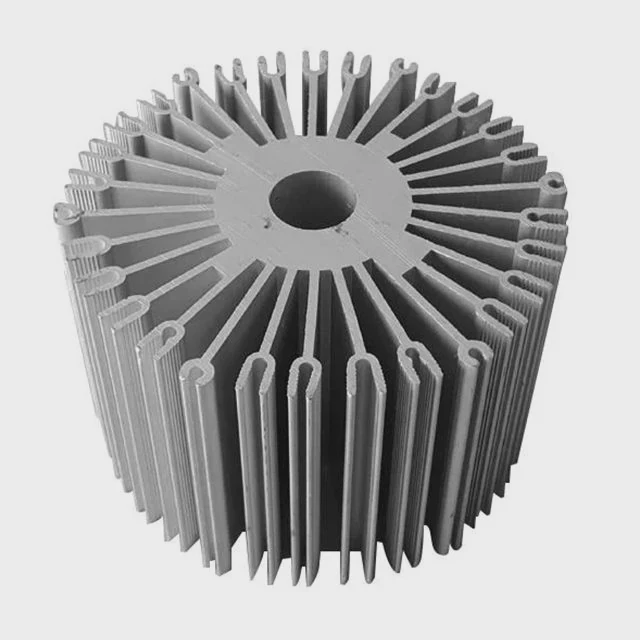
I still remember the first time I opened a high-power device that kept overheating. The main heat spreader looked solid, but it failed to handle the hotspot in the center. When I replaced it with a vapor chamber cooler, the entire thermal map changed. The hotspot flattened, the system stopped throttling, and the performance became stable.
A vapor chamber cooler is a flat, sealed heat-spreading device that uses phase change—evaporation, vapor flow, condensation, and capillary return—to move heat fast and evenly away from chips.
I will walk through how these coolers work and why they matter in modern electronics.
How does a vapor chamber cooler function?
I have tested many coolers through long stress runs. Some looked large and heavy but still failed to stop temperature spikes. A vapor chamber cooler often works better even when it is thin and light. The reason lies inside its structure.
A vapor chamber cooler works by turning liquid into vapor at the heat source, moving that vapor to cooler regions, condensing it back into liquid, and pulling the liquid back with capillary action. This loop moves heat fast and keeps the surface uniform.
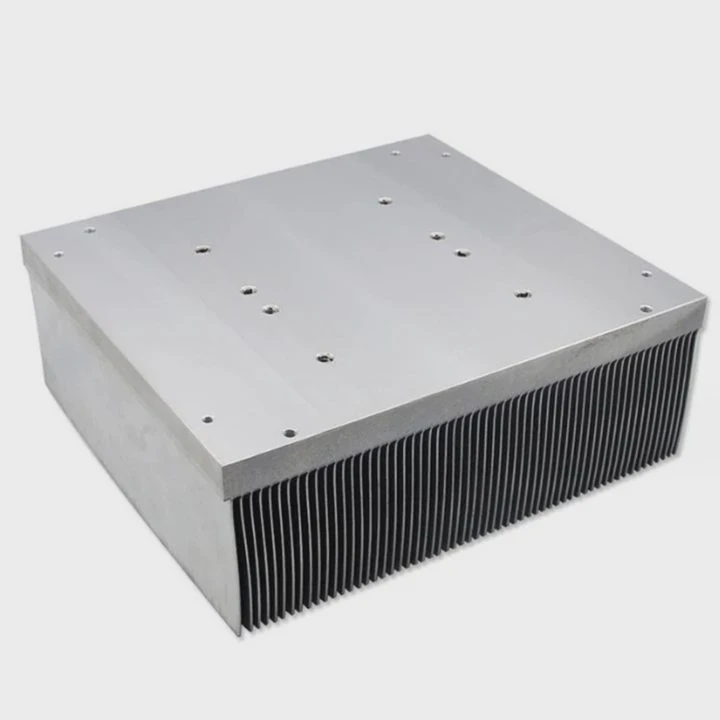
Inside the chamber, each step works together to transport heat with very low resistance.
Evaporation starts the heat cycle
Heat flows from the chip into the base plate. The wick holds liquid in place. When the liquid absorbs heat, it turns into vapor. This phase change carries strong thermal energy without a big temperature rise.
Vapor moves toward cooler areas
The vapor spreads through an open cavity inside the chamber. It moves because the hot area has higher pressure and the cooler area has lower pressure. This movement pushes heat outward quickly.
Condensation drops heat into the cooler walls
When vapor reaches a cooler surface, it becomes liquid again. The phase change releases heat directly into the walls. The cooler or heat sink above that wall removes the released heat.
Wick returns liquid to the heat source
The wick structure pulls the condensed liquid back to the hot zone using capillary action. This return flow closes the loop and keeps the chamber running without pumps or moving parts.
Table: Internal Cycle of a Vapor Chamber Cooler
| Stage | What Happens | Effect on Cooling |
|---|---|---|
| Evaporation | Liquid becomes vapor | Moves heat with strong latent energy |
| Vapor flow | Vapor spreads inside cavity | Lowers hotspots fast |
| Condensation | Vapor releases heat | Transfers energy to cooler |
| Capillary return | Liquid flows back | Keeps cycle stable |
Thanks to this cycle, the cooler spreads heat far more evenly than a simple metal plate.
Why are vapor chamber coolers efficient?
I have seen many engineers switch from copper blocks or thick heat spreaders to vapor chambers after comparing test results. The efficiency jump is often dramatic. Even thin vapor chambers outperform heavy solid plates.
Vapor chamber coolers are efficient because they move heat through phase change, spread it across a wide surface, respond quickly to spikes, and maintain uniform temperatures with very low resistance.
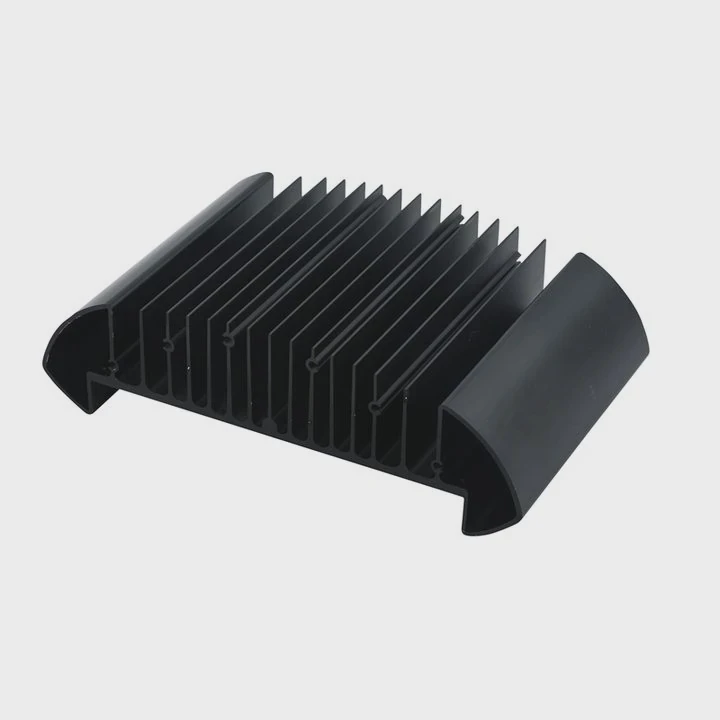
Here is why their efficiency stands out.
Phase change carries large amounts of energy
Evaporation and condensation move heat with latent heat. This means the cooler can transfer a lot of energy with only small temperature changes.
Vapor spreads heat in all directions
The open cavity inside the chamber allows vapor to move across a wide area. This spreads heat evenly across the surface and removes hotspots.
The flat shell supports great lateral spreading
Once the vapor releases heat into the metal plate, the metal spreads the heat sideways. This gives more area for the attached cooler or fan to remove heat.
The system reacts instantly to power jumps
When the chip power spikes, more vapor forms at once. This reaction helps the cooler soften fast temperature rises.
Low thermal resistance stabilizes long loads
Vapor chambers have low thermal resistance. During long gaming, rendering, or AI workloads, the system benefits from stable heat control.
Table: Why Vapor Chamber Coolers Are Efficient
| Efficiency Factor | How It Helps | Real Result |
|---|---|---|
| Phase change | Moves strong heat loads | Lower chip temps |
| Vapor motion | Spreads heat fast | Fewer hotspots |
| Flat shell | Large thermal surface | Better heatsink contact |
| Quick reaction | Handles spikes | Less throttling |
| Low resistance | Efficient transfer | Stable operation |
This mix of effects makes vapor chamber coolers ideal for today’s compact, high-power devices.
What devices use vapor chamber coolers?
I have worked with many device makers who turned to vapor chambers when traditional copper plates or small heat pipes reached their limits. Modern electronics pack more power in smaller spaces, and vapor chambers fit this challenge well.
Devices that use vapor chamber coolers include smartphones, gaming laptops, graphics cards, VR headsets, tablets, handheld consoles, networking gear, server blades, and industrial systems.
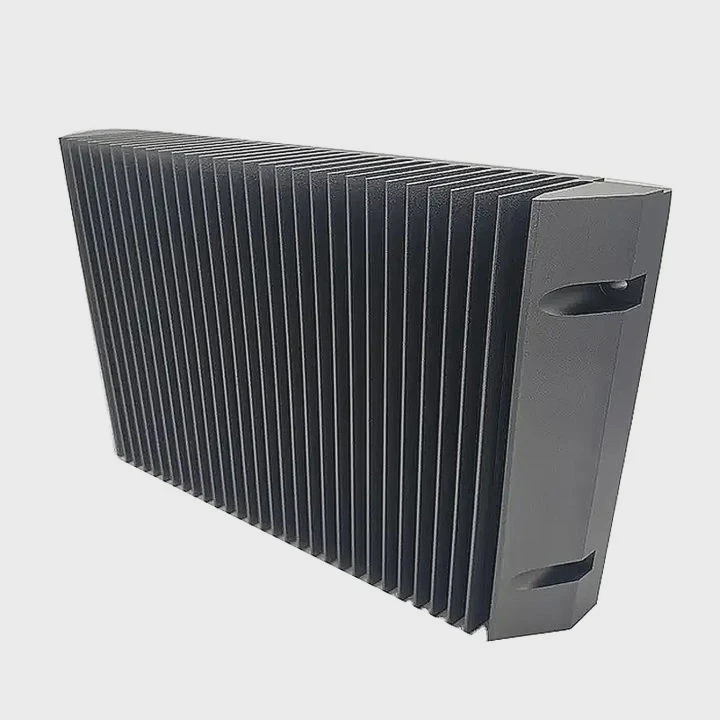
Their wide use comes from the balance of performance, size, and reliability.
Smartphones rely on thin heat spreading
High-end phones generate heavy heat from CPUs, GPUs, and 5G modules. Vapor chambers spread this heat across the internal structure and keep the device comfortable.
Gaming laptops need stable performance
Gaming laptops face extreme heat from GPUs and CPUs under long load. Vapor chambers reduce hotspots and prevent throttling during long sessions.
Graphics cards use vapor chambers under big loads
Many GPU coolers use vapor chambers under large fin stacks. The chamber spreads heat from the GPU die to the fins much more evenly than metal plates.
VR and AR devices need comfort and stability
Vapor chambers lower surface temperature and protect sensitive sensors. This helps headsets stay cool during long use.
Handheld gaming devices demand steady cooling
These devices run at high power in very small space. Vapor chambers keep them stable without needing thick heat pipes.
Networking and telecom gear runs hot for long hours
5G stations, routers, and industrial units use vapor chambers to manage constant high loads without maintenance.
Servers and AI hardware need high reliability
Many server blades and accelerator boards use vapor chambers to balance hotspots and maintain long-term stability.
Table: Common Devices Using Vapor Chambers
| Device Type | Why It Uses Vapor Chambers |
|---|---|
| Smartphones | Thin form, hotspot reduction |
| Gaming laptops | Stable clocks, fewer spikes |
| Graphics cards | Wide GPU heat spread |
| VR/AR systems | Comfort and sensor protection |
| Handheld consoles | Compact heat control |
| Telecom equipment | Long-run reliability |
| Server blades | Hotspot prevention |
These coolers appear wherever thin designs and high power meet.
Can these coolers replace heat pipes?
Engineers often ask me whether vapor chambers can fully replace heat pipes. I have tested both systems many times, and the answer depends on the application.
Vapor chamber coolers can replace heat pipes when flat heat spreading and hotspot control are needed, but heat pipes still outperform them for long-distance heat transfer or cost-sensitive designs.
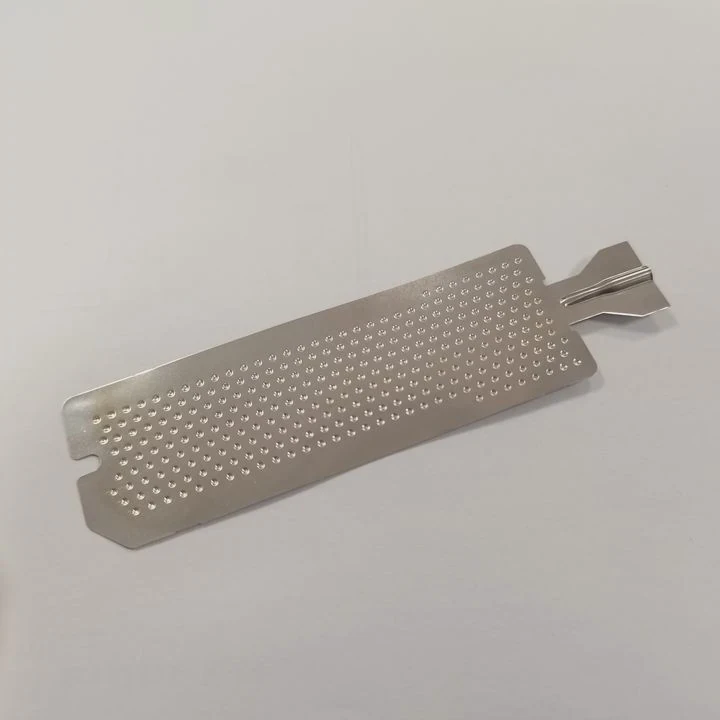
Both systems use phase change, but their strengths differ.
Vapor chambers beat heat pipes in heat spreading
Vapor chambers move heat in all directions across a flat surface. This makes them ideal for chips with large dies like GPUs or large CPUs.
Vapor chambers fit better in thin designs
A vapor chamber is flat and wide. A heat pipe is round and requires height. Thin laptops or tablets often cannot fit multiple heat pipes but can fit one chamber.
Heat pipes still win for long routes
If the heat must travel a long distance—such as across a large laptop or industrial board—the linear flow of a heat pipe works better.
Heat pipes cost less and are simpler to mount
Heat pipes remain popular in budget devices and mid-range products because they cost less and are easy to install.
Some coolers use both for best performance
Many gaming laptops and GPUs combine vapor chambers with heat pipes. The chamber spreads heat across the base, and the heat pipes carry it to remote fin stacks.
Summary Table: Vapor Chambers vs. Heat Pipes
| Feature | Vapor Chamber | Heat Pipe |
|---|---|---|
| Heat spreading | Excellent | Limited |
| Long-distance transport | Moderate | Strong |
| Thickness | Very thin | Needs height |
| Hotspot control | Strong | Medium |
| Cost | Higher | Lower |
| Best use case | Flat, high-power chips | Long heat routes |
So yes, vapor chambers can replace heat pipes in many designs, but not all. The choice depends on space, load, and cost.
Conclusion
A vapor chamber cooler is a flat phase-change cooling device that spreads heat fast, reduces hotspots, and keeps devices stable. It works through evaporation, vapor flow, condensation, and capillary return. Many modern devices rely on these coolers, and in many cases, they outperform traditional cooling solutions for thin and high-power systems.
TAGS
Latest Articles

Volume discount levels for heat sink orders?
Buyers often ask when heat sink prices start to drop with volume. Many worry they’re overpaying for small orders. This guide explains how B2B volume pricing works for thermal components. Heat sink
21 Dec,2025
Heat sink long-term supply contract options?
Many buyers want stable pricing and reliable delivery for heat sinks. But without a clear contract, risks grow over time. This article explores how to secure better long-term supply deals. Long-term
21 Dec,2025
Tooling cost for new heat sink profiles?
Many engineers struggle to understand why tooling for custom heat sinks costs so much. They worry about budgeting and production timelines. This article breaks down the cost drivers behind tooling.
21 Dec,2025
Heat sink custom sample process steps?
Sometimes, starting a custom heat sink project feels overwhelming—too many steps, too many unknowns, and too many risks. You want a sample, but not endless delays. The process for requesting and
20 Dec,2025
Standard B2B terms for heat sink payments?
When buyers and sellers in B2B heat sink markets talk about payment, many don’t fully understand what’s standard. This can lead to delayed orders, miscommunication, and even lost business
20 Dec,2025
Heat sink pricing factors for large orders?
Heat sinks are vital for many systems. When prices rise, projects stall and budgets break. This problem can hit teams hard without warning. Large order heat sink pricing depends on many factors. You
20 Dec,2025Related Articles
- is vapor chamber cooling good?
- how vapor chamber works?
- how vapor chamber cooling works?
- how does vapor chamber cooling work?
- how does a vapor chamber work?
- heat sink manufacturer in Honduras
- what is vapor chamber?
- what is vapor chamber cooling laptop?
- what is vapor chamber in phone?
- does iPhone 15 have vapor chamber?
- does iPhone 16 pro have vapor chamber?
- does iphone have vapor chamber cooling?
Author
Dr. Emily Chen
Chief AI Researcher
Leading expert in thermal dynamics and AI optimization with over 15 years of experience in data center efficiency research.
Categories
Latest Products






Recommend Categories
- Liquid cooling plate Manufacturer
- Industrial Heat Sink Manufacturer
- Standard Heat Sink Manufacturer
- Aluminum Heat Sink Manufacturer
- Copper Heat Sink Manufacturer
- Anodized Heatsink Manufacturer
- Stamping heat sink Manufacturer
- Die Casting Heatsink Manufacturer
- Soldering heat sink Manufacturer
- CNC Parts Manufacturer
Latest Products
- Wholesale Aluminum Radiator
- Water Cooling Plate Kit
- Water Cooling Heat Sink
- Water Cooling Heat Sink Kit
- Stainless Steel Water Distributor
- Server Water Cooling Plate Kit
- Server Liquid Cooling System
- Server Aluminum Cooling Kit
- S19 Full Cover Cooling Plate
- S19 Cooling Plate Kit
- S19 Aluminum Cooling Plate
Contact Expert
Have questions about this article? Reach out to our experts directly.