how liquid cooling works in bike?
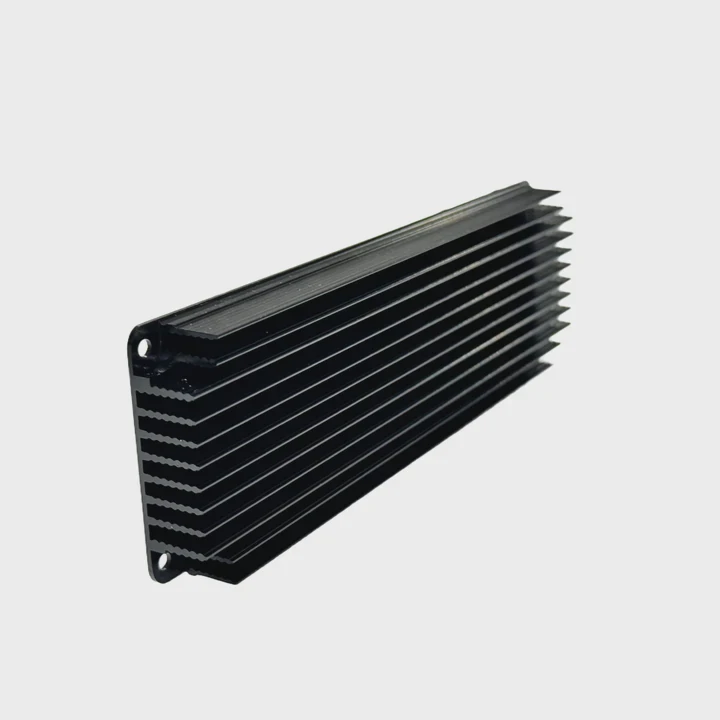
I see many riders ask why engines run hot and why bikes need liquid cooling. I used to ignore this question until I burned my hand on a hot engine during a long ride.
Liquid cooling in a bike works by moving coolant through the engine to pick up heat, sending it to the radiator to cool down, and cycling it back again through a pump-driven closed loop.
I want to show how each part of this loop works, so you can see the whole picture and avoid common mistakes that cause overheating.
How does coolant circulate in motorcycle engines?
Many new riders worry when the engine temperature climbs fast, because they do not understand what moves the coolant. I had this fear when I bought my first touring bike.
Coolant circulates in a motorcycle engine through a water pump that pushes coolant through the cylinder block, cylinder head, and radiator in a closed loop, controlled by a thermostat that opens when the engine reaches its normal temperature.
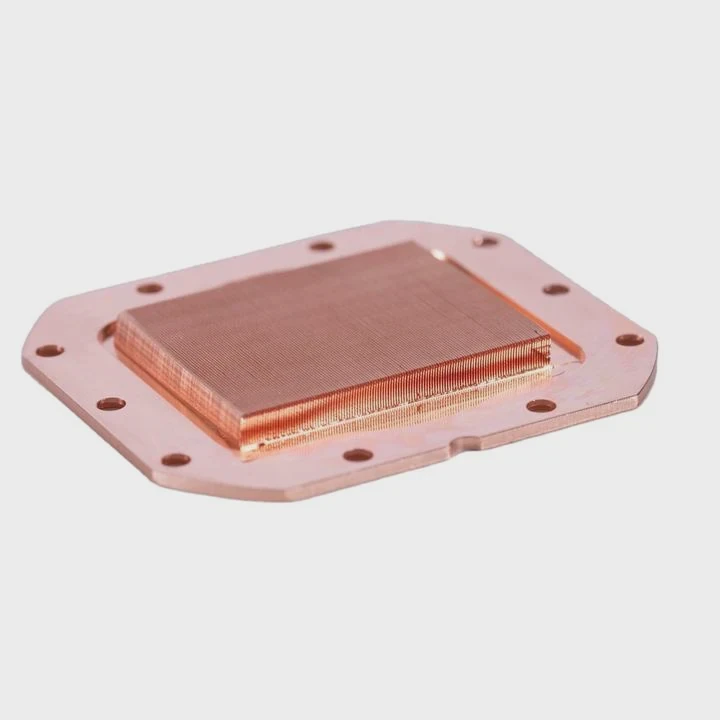
When I learned how coolant flow works, I found it much easier to diagnose heating problems. I want to break this down in a clear and simple path.
Main flow path
Most bikes follow this path:
- The water pump sends coolant into the cylinder block.
- Coolant flows around the cylinder walls.
- It moves into the cylinder head, where heat is highest.
- It reaches the thermostat housing.
- If the thermostat is closed, coolant loops back to the pump (this helps warm-up).
- When hot enough, the thermostat opens.
- Coolant flows to the radiator.
- Air cools it in the radiator.
- Cooled coolant returns to the water pump.
Key parts and what they do
| Part | Simple Function |
|---|---|
| Water Pump | Pushes coolant through the loop |
| Thermostat | Controls coolant path with temperature |
| Cylinder Block | Area where coolant absorbs most heat |
| Cylinder Head | Hottest region near combustion |
| Radiator | Releases heat to outside air |
Why flow control matters
The thermostat is simple but important. If it opens too late, overheating begins. If it stays stuck open, the engine stays cold. Many riders think overheating only comes from low coolant, but a bad thermostat can cause the same problem.
How pumps keep the loop stable
Most bikes use an impeller-style mechanical pump driven by the engine. Faster engine speed means faster coolant flow. This is why overheating is more common at slow traffic speeds, where the pump turns slower and airflow is weak.
My early mistake
Once during a mountain ride, my bike kept overheating at low speed. I thought the coolant level was low. Later I learned the real problem was a weak pump seal that caused slow circulation. After fixing it, the temperature stayed stable even in heavy traffic.
Why radiators play a key cooling role?
Many riders look at radiators as simple metal fins. I made the same mistake until I cleaned one clogged with mud and saw how much temperature dropped afterward.
Radiators cool a motorcycle engine by spreading hot coolant into thin tubes with wide fins, allowing airflow to remove heat fast and push cooled liquid back into the cycle.
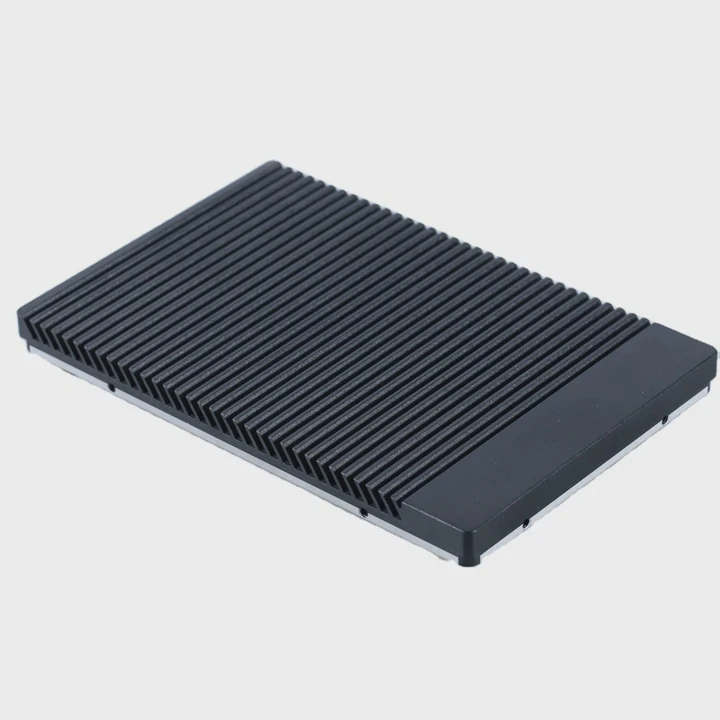
Radiators matter because coolant only carries heat; it cannot release it without a good heat exchanger.
How a radiator removes heat
Radiators use three simple steps:
- Hot coolant enters the top tank.
- It flows through narrow tubes.
- Air passes across fins to pull heat out.
The airflow problem
Natural airflow works well at speed. At slow speeds, most bikes use a fan. This fan often becomes the single point that keeps the engine alive in traffic.
Common radiator issues
| Issue | What Happens | Simple Fix |
|---|---|---|
| Blocked fins | Heat stays trapped | Clean fins with soft brush |
| Low airflow | Engine overheats in traffic | Check cooling fan motor |
| Internal corrosion | Coolant flow slows | Replace coolant often |
| Bent fins | Lower cooling surface | Straighten carefully |
Why radiator size matters
Some small bikes have tiny radiators. They work fine for short trips but may struggle on long climbs or hot weather rides. Larger bikes use bigger radiators or dual-radiator setups to manage higher heat loads.
My tip for riders
I now check my radiator once a month. It takes less than two minutes, and I avoid the heat problems that once left me stranded on the side of the road.
Where is heat absorbed during engine operation?
Many new riders think heat only comes from the combustion chamber. This is only part of the story. I also thought this until I studied engine heat maps during a test session.
A motorcycle engine absorbs heat mainly at the cylinder walls, combustion chamber, and valve areas, where fuel burns and friction happens, and coolant flows around these zones to pick up heat.
Knowing where heat forms helps explain why modern bikes use liquid cooling even for medium-size engines.
Main heat zones inside the engine
1. Cylinder walls
The piston moves fast and rubs against the walls. Even with oil, friction makes heat. Coolant passages placed around the cylinder absorb this heat quickly.
2. Combustion chamber
This is the hottest part of the engine. Burning fuel can reach temperatures above 2000°C. While metal never reaches these numbers, the surrounding area becomes extremely hot. Coolant keeps these zones stable.
3. Exhaust valve area
The exhaust valve handles hot gases and gets very hot. This is why many engines place coolant jackets near the exhaust port.
Why heat must move fast
Heat travels from metal surfaces into coolant. The faster coolant flows, the faster heat leaves. When flow slows, heat builds and metal temperature climbs. This can damage pistons, gaskets, and cylinder heads.
A simple analogy
I think of the engine as a hot pan. Coolant is like water poured onto the pan. If water moves fast, the pan stays safe. If water sits or moves too slowly, the heat grows.
Table: Key heat sources vs cooling response
| Heat Source | Cooling Method | Why It Works |
|---|---|---|
| Combustion | Coolant jackets | Removes peak heat quickly |
| Friction | Oil + coolant | Both fluids carry heat away |
| Exhaust port | Extra coolant flow | Prevents valve damage |
My personal lesson
I once tested a bike with a clogged coolant passage near the exhaust port. The engine sounded normal at first, but after a few minutes the head temperature spiked. This showed me how one blocked passage can affect the whole system.
Can liquid cooling improve engine lifespan?
Many riders ask if liquid cooling helps engines last longer. I used to think it only controlled heat and had no other benefits.
Liquid cooling improves engine lifespan by keeping metal temperature stable, reducing thermal stress, lowering wear, and preventing damage caused by overheating or irregular expansion.
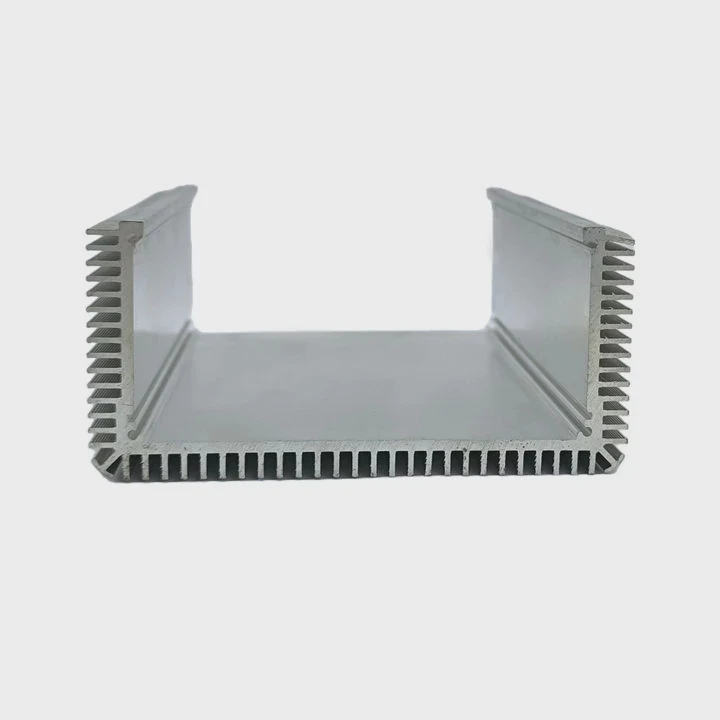
Liquid cooling does more than reduce heat. It protects the engine structure and improves long-term performance.
Key reasons liquid cooling helps engines last
1. Stable temperature
Engines last longer when temperature changes slowly. Liquid cooling provides steady control across long rides, traffic, and highway speeds.
2. Less thermal stress
Metal expands when hot. If one side expands faster than the other, it creates stress. Coolant spread helps balance temperature, so expansion stays uniform.
3. Better lubrication
Oil works well at a narrow temperature range. If engines get too hot, oil breaks down fast. Controlled cooling protects the oil.
4. Longer gasket life
Head gaskets fail when temperature spikes. Liquid cooling keeps surfaces stable, so gaskets survive longer.
Real-world experience
I had a friend who used an older air-cooled bike. It was fun but overheated on long mountain climbs. His head gasket failed twice. After switching to a liquid-cooled bike, he never faced the same problem again.
When liquid cooling helps the most
- Long highway rides
- Slow traffic in hot weather
- High-performance engines
- Heavy-load touring
- Mountain climbs
The cooling system protects the engine quietly in the background. Riders often notice it only when something goes wrong.
Why I choose liquid-cooled bikes now
I ride long distances. I prefer engines that stay cool and stable. Liquid cooling gives me confidence even when I ride on steep roads or hot days. It also lowers noise because water jackets reduce combustion sound.
Conclusion
Liquid cooling in bikes works by moving coolant through hot engine parts, sending heat to the radiator, and creating a stable and safe temperature cycle. This makes the ride smoother and helps the engine last longer.
TAGS
Latest Articles

Volume discount levels for heat sink orders?
Buyers often ask when heat sink prices start to drop with volume. Many worry they’re overpaying for small orders. This guide explains how B2B volume pricing works for thermal components. Heat sink
21 Dec,2025
Heat sink long-term supply contract options?
Many buyers want stable pricing and reliable delivery for heat sinks. But without a clear contract, risks grow over time. This article explores how to secure better long-term supply deals. Long-term
21 Dec,2025
Tooling cost for new heat sink profiles?
Many engineers struggle to understand why tooling for custom heat sinks costs so much. They worry about budgeting and production timelines. This article breaks down the cost drivers behind tooling.
21 Dec,2025
Heat sink custom sample process steps?
Sometimes, starting a custom heat sink project feels overwhelming—too many steps, too many unknowns, and too many risks. You want a sample, but not endless delays. The process for requesting and
20 Dec,2025
Standard B2B terms for heat sink payments?
When buyers and sellers in B2B heat sink markets talk about payment, many don’t fully understand what’s standard. This can lead to delayed orders, miscommunication, and even lost business
20 Dec,2025
Heat sink pricing factors for large orders?
Heat sinks are vital for many systems. When prices rise, projects stall and budgets break. This problem can hit teams hard without warning. Large order heat sink pricing depends on many factors. You
20 Dec,2025Related Articles
- heat sink manufacturer in Venezuela
- heat sink manufacturer in Vatican City
- heat sink manufacturer in Uzbekistan
- heat sink manufacturer in Uganda
- heat sink manufacturer in Turkmenistan
- Heat Sink Manufacturer in Tunisia
- how to install a aio liquid cooler?
- how to connect liquid cooling to motherboard?
- do graphics card have options for liquid cooling?
- How to change cooling liquid car?
- What's better liquid cooled or air cooled?
- How to instal liquid cooling?
Author
Dr. Emily Chen
Chief AI Researcher
Leading expert in thermal dynamics and AI optimization with over 15 years of experience in data center efficiency research.
Categories
Latest Products






Recommend Categories
- Liquid cooling plate Manufacturer
- Industrial Heat Sink Manufacturer
- Standard Heat Sink Manufacturer
- Aluminum Heat Sink Manufacturer
- Copper Heat Sink Manufacturer
- Anodized Heatsink Manufacturer
- Stamping heat sink Manufacturer
- Die Casting Heatsink Manufacturer
- Soldering heat sink Manufacturer
- CNC Parts Manufacturer
Latest Products
- Wholesale Aluminum Radiator
- Water Cooling Plate Kit
- Water Cooling Heat Sink
- Water Cooling Heat Sink Kit
- Stainless Steel Water Distributor
- Server Water Cooling Plate Kit
- Server Liquid Cooling System
- Server Aluminum Cooling Kit
- S19 Full Cover Cooling Plate
- S19 Cooling Plate Kit
- S19 Aluminum Cooling Plate
Contact Expert
Have questions about this article? Reach out to our experts directly.