What’s better, liquid-cooled or air-cooled?
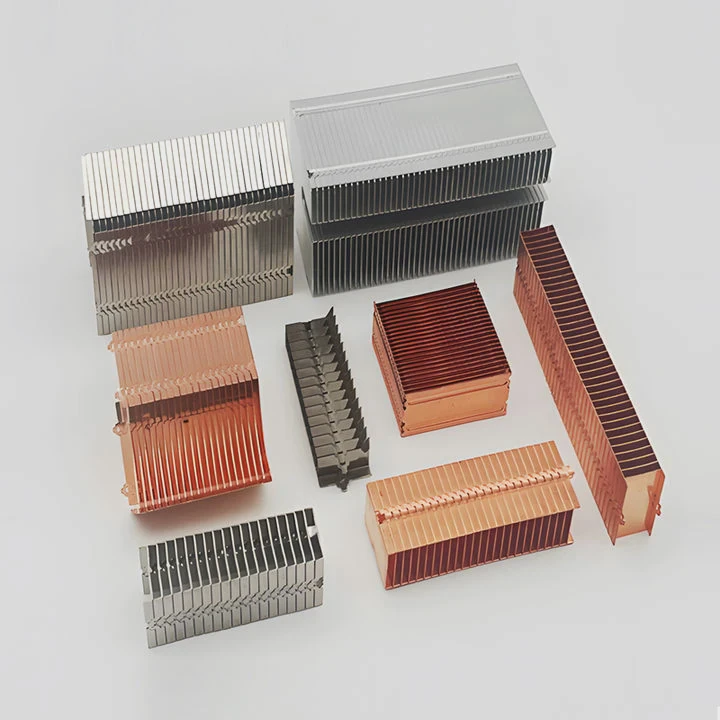
Choosing between liquid cooling and air cooling often confuses both beginners and professionals.
Neither cooling type is universally better—the right choice depends on your performance needs, space, and maintenance preferences.
Each system works differently, and each has strengths in certain conditions. In this article, I’ll explain the main differences, what benefits each offers, how to choose for your performance goals, and what hybrid innovations are changing the game.
What are the main differences between them?
When you look at a cooling system, the most obvious difference is the medium used to move heat.
Air cooling uses fans and heatsinks to move heat through airflow, while liquid cooling uses coolant, pumps, and radiators to transfer heat more efficiently.
Structural comparison
| Feature | Air Cooling | Liquid Cooling |
|---|---|---|
| Heat transfer medium | Air | Liquid |
| Main components | Heat sink, fan | Water block, pump, radiator, tubes |
| Installation complexity | Simple | Moderate to complex |
| Maintenance | Minimal | Occasional |
| Cost | Lower | Higher |
| Cooling capacity | Moderate | High |
| Noise level | Moderate to loud | Low to moderate |
| System footprint | Compact | Larger (with external radiator) |
Working principle
Air coolers use a metal heat sink—usually aluminum or copper—to absorb heat from the processor or power component. Fans then blow air through the fins, pushing the heat out of the case or enclosure.
Liquid coolers, on the other hand, use a closed loop filled with coolant. The pump moves the liquid through a water block that absorbs heat. Then, the heated liquid travels to a radiator where fans blow cool air across it, releasing the heat before the coolant returns.
My experience
When I first built a compact workstation, I chose air cooling because it was easy to install and maintain. Later, as my systems grew more powerful, I moved to liquid cooling for better temperature stability and lower noise. The key is understanding what fits your setup, not just chasing performance numbers.
What benefits does each provide?
Each cooling type has its advantages, depending on how and where it’s used.
Air cooling offers simplicity and reliability, while liquid cooling delivers better heat performance and quieter operation.
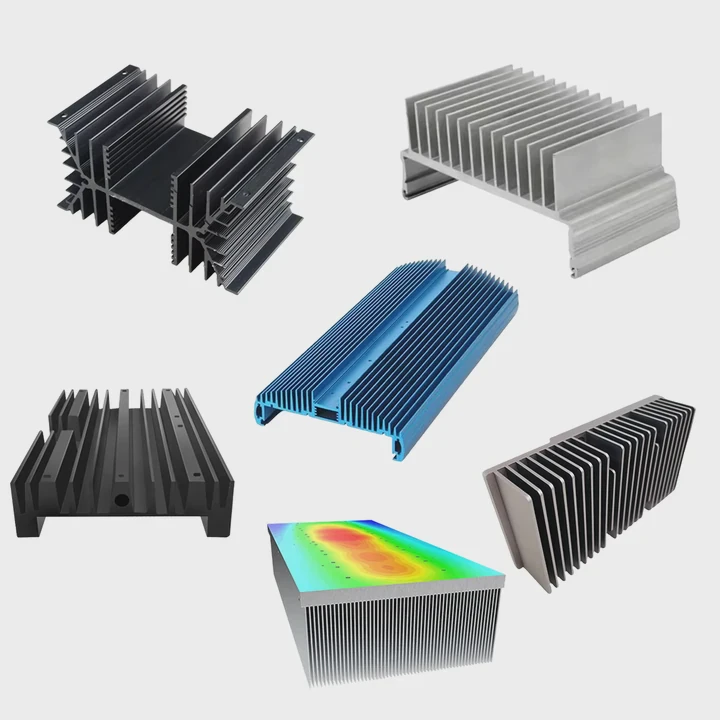
Benefits of air cooling
| Advantage | Description |
|---|---|
| Simplicity | Fewer parts mean easy setup and low failure risk |
| Low maintenance | No coolant refills or pump issues |
| Durability | Fans and heatsinks can last many years |
| Affordability | Ideal for budget builds or small-scale applications |
Air cooling shines in small devices or systems that do not generate extreme heat. It’s the preferred option for offices, industrial controllers, or embedded systems where low maintenance is important.
Benefits of liquid cooling
| Advantage | Description |
|---|---|
| Superior heat removal | Handles higher thermal loads |
| Quiet operation | Fans and pumps can run slowly |
| Temperature stability | Smooth heat distribution prevents spikes |
| Scalability | Can cool multiple components in one loop |
I once worked on a high-power inverter project where air cooling failed to keep temperatures stable during continuous operation. Switching to a closed liquid loop solved the problem instantly. The system ran cooler, and the acoustic environment improved dramatically.
Balanced perspective
Both systems have trade-offs. Air cooling wins for simplicity; liquid cooling wins for efficiency. The real decision comes down to how much heat you need to handle and how much noise or maintenance you can accept.
How to select based on performance needs?
People often ask me which cooling system to choose for their project or workstation.
Selecting between air and liquid cooling depends on thermal load, space availability, budget, and maintenance expectations.
Step 1: Define your thermal target
Start by calculating the heat your system will produce. For computers, this is measured in watts (TDP). For industrial systems, use total heat dissipation from all active components.
| Use Case | Recommended Cooling |
|---|---|
| Light office PC or embedded controller | Air cooling |
| Gaming PC or workstation | Liquid or hybrid cooling |
| Industrial inverter or energy storage | Liquid cooling |
| Fanless or silent setup | Passive or hybrid cooling |
Step 2: Evaluate environmental conditions
If the surrounding temperature is high or airflow is limited (for example, in tight enclosures or racks), liquid cooling becomes more efficient. Air cooling needs open space to breathe. A hot or dusty environment can limit its performance.
Step 3: Check for maintenance needs
Liquid cooling systems, especially custom loops, require periodic inspection for coolant levels and leaks. Air cooling systems, on the other hand, only need occasional dust cleaning.
If you don’t want regular maintenance, air cooling or sealed AIO (All-in-One) systems are the better choice.
Step 4: Balance cost and benefit
Liquid cooling often costs more upfront. But in systems where high temperatures cause failure or slow performance, the cost pays off through longer life and efficiency. I usually tell my clients: invest in cooling once, and it will protect your system for years.
Step 5: Space and integration
Air coolers are compact and easy to fit into small cases. Liquid systems need space for a radiator and tubing. In industrial cabinets, it’s common to mount radiators externally to save internal space and improve heat rejection.
What are the hybrid cooling innovations?
The debate between air and liquid cooling is starting to fade.
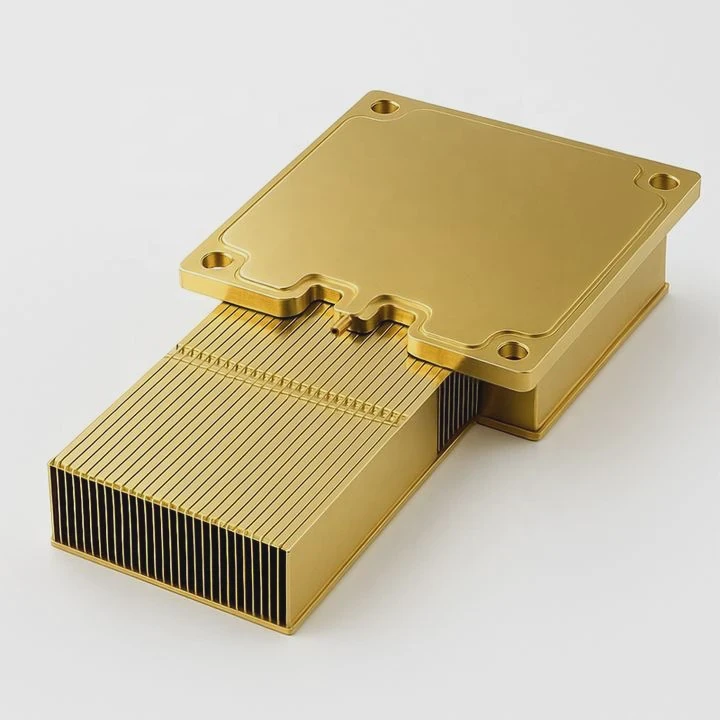
Hybrid cooling systems combine both methods—using air for general heat removal and liquid for high-density zones—offering the best of both worlds.
What is hybrid cooling?
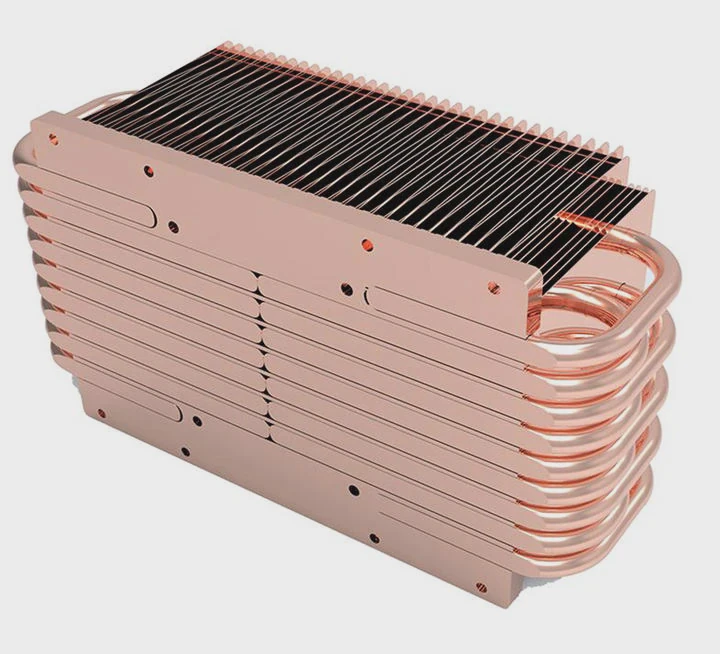
Hybrid systems integrate liquid loops with air assistance. They might use a vapor chamber base to spread heat evenly, then use fans to exhaust it. Or, they combine liquid cold plates with heat pipes that move heat passively to external fins.
Hybrid cooling examples
| Hybrid Type | Description | Typical Use |
|---|---|---|
| Vapor chamber + air fan | A flat sealed chamber spreads heat quickly | Laptops, compact devices |
| Liquid loop + air assist | Pumped coolant moves heat, fans exhaust it | Gaming PCs, servers |
| Phase-change hybrid | Uses liquid to vapor transition for heat control | Aerospace, industrial modules |
Advantages of hybrid cooling
- Efficiency with simplicity – The liquid part handles peak heat, while air handles background dissipation.
- Quiet operation – Fans run slower because liquid pre-absorbs the heat.
- Safety – Even if the pump stops, air cooling still provides minimal heat control.
- Compact design – Some hybrid modules integrate both systems into one sealed unit.
Real-world application
In one battery energy storage system I helped design, we used a hybrid thermal solution. Each module had a liquid cold plate under the cells and air channels for balancing temperature across the array. This combination reduced thermal gradients by 40% and cut noise levels by half.
Hybrid systems are also popular in data centers, where liquid cooling manages processor cores while air assists with general rack ventilation.
Future trends
New hybrid technologies are emerging rapidly. These include:
- Two-phase cooling loops using refrigerants that evaporate and condense silently.
- Smart fans controlled by AI algorithms to adapt speed based on real-time data.
- Microchannel cold plates for localized hotspots combined with external air vents.
- Additive-manufactured heat sinks that integrate both air and liquid paths inside one part.
Hybrid design example
Below is a simplified comparison showing how hybrid systems balance performance and noise:
| Cooling Type | Cooling Efficiency | Noise | Maintenance | Cost |
|---|---|---|---|---|
| Air Cooling | Medium | Medium | Low | $ |
| Liquid Cooling | High | Low | Medium | $$ |
| Hybrid Cooling | Very High | Very Low | Medium | $$$ |
The future of cooling
The next generation of cooling will likely be adaptive, where sensors and software manage both air and liquid subsystems together. The system will automatically adjust coolant flow and fan speed to achieve the ideal thermal balance with minimum energy and sound.
In many industries—from electronics to electric vehicles—hybrid thermal systems are already the new standard. They combine efficiency, silence, and safety in a single intelligent design.
Conclusion
There’s no single “better” cooling method. Air cooling is simple, affordable, and reliable. Liquid cooling is efficient, quiet, and ideal for high-performance systems. Hybrid cooling merges both, offering the future of smart, silent, and adaptive thermal management.
TAGS
Latest Articles

Volume discount levels for heat sink orders?
Buyers often ask when heat sink prices start to drop with volume. Many worry they’re overpaying for small orders. This guide explains how B2B volume pricing works for thermal components. Heat sink
21 Dec,2025
Heat sink long-term supply contract options?
Many buyers want stable pricing and reliable delivery for heat sinks. But without a clear contract, risks grow over time. This article explores how to secure better long-term supply deals. Long-term
21 Dec,2025
Tooling cost for new heat sink profiles?
Many engineers struggle to understand why tooling for custom heat sinks costs so much. They worry about budgeting and production timelines. This article breaks down the cost drivers behind tooling.
21 Dec,2025
Heat sink custom sample process steps?
Sometimes, starting a custom heat sink project feels overwhelming—too many steps, too many unknowns, and too many risks. You want a sample, but not endless delays. The process for requesting and
20 Dec,2025
Standard B2B terms for heat sink payments?
When buyers and sellers in B2B heat sink markets talk about payment, many don’t fully understand what’s standard. This can lead to delayed orders, miscommunication, and even lost business
20 Dec,2025
Heat sink pricing factors for large orders?
Heat sinks are vital for many systems. When prices rise, projects stall and budgets break. This problem can hit teams hard without warning. Large order heat sink pricing depends on many factors. You
20 Dec,2025Related Articles
- Is it worth liquid cooling your GPU?
- Where to mount liquid cooling radiator?
- How much better is liquid cooling?
- When do you need liquid cooling?
- Is air-cooled better than liquid?
- How to change cooling liquid in a car?
- What Liquid Is Used in CPU Cooler?
- Does liquid cooler need maintenance?
- What happens if liquid cooling leaks?
- How to change CPU liquid cooler?
- Does liquid cooling make a difference?
- Is air or liquid cooling better?
Author
Dr. Emily Chen
Chief AI Researcher
Leading expert in thermal dynamics and AI optimization with over 15 years of experience in data center efficiency research.
Categories
Latest Products






Recommend Categories
- Liquid cooling plate Manufacturer
- Industrial Heat Sink Manufacturer
- Standard Heat Sink Manufacturer
- Aluminum Heat Sink Manufacturer
- Copper Heat Sink Manufacturer
- Anodized Heatsink Manufacturer
- Stamping heat sink Manufacturer
- Die Casting Heatsink Manufacturer
- Soldering heat sink Manufacturer
- CNC Parts Manufacturer
Latest Products
- Wholesale Aluminum Radiator
- Water Cooling Plate Kit
- Water Cooling Heat Sink
- Water Cooling Heat Sink Kit
- Stainless Steel Water Distributor
- Server Water Cooling Plate Kit
- Server Liquid Cooling System
- Server Aluminum Cooling Kit
- S19 Full Cover Cooling Plate
- S19 Cooling Plate Kit
- S19 Aluminum Cooling Plate
Contact Expert
Have questions about this article? Reach out to our experts directly.