How to change cooling liquid car?
I face this question often when I maintain my own car, and many drivers feel the same stress when they deal with coolant changes.
You can change your car’s coolant by draining the old fluid, flushing the system, checking hoses, and filling new coolant until the system reaches the proper level. The process is simple when you follow clear steps.
I want to guide you through my own method, so you feel safe and ready when you work on your car.
What steps ensure safe coolant replacement?
I know many people feel nervous when they handle coolant, because they fear burns or wrong steps.
You stay safe when you let the engine cool down, wear gloves, open the reservoir slowly, drain the coolant carefully, and follow each refill step with patience. Proper timing and calm actions keep you safe.
When I do a coolant replacement, I keep a clear order in mind, because small mistakes can cause trouble. I follow steps that keep me safe and protect the engine. Below, I break down these steps, and I add simple notes that help you avoid stress.
Step-by-step structure
I split the full process into a simple table:
| Step | Action | Purpose |
|---|---|---|
| 1 | Let the engine cool | Prevent burns |
| 2 | Open the hood | Prepare the workspace |
| 3 | Wear gloves and goggles | Protect skin and eyes |
| 4 | Open the reservoir cap slowly | Release pressure safely |
| 5 | Place a drain pan | Catch the old coolant |
| 6 | Drain and flush | Remove old fluid and dirt |
| 7 | Refill with new coolant | Maintain engine health |
Why cooling time is important
When the engine runs, coolant becomes very hot. If you open the cap too soon, steam can hurt you. So I touch nothing until the engine cools. I put my hand near the hood and feel the heat. If it still feels warm, I wait longer. I learned this after one close call many years ago. Safety is the base of every car task.
Why slow actions matter
When I open the reservoir or radiator cap, I do it slowly. I tilt the cap little by little. This gives pressure time to escape. The air makes a soft hiss. When the hiss stops, I remove the cap fully. When you go slow, you get full control. You do not create sudden shocks inside the system.
Checking for leaks
After the coolant change, I always look around the hoses. I check hose ends, clamps, and the base of the radiator. I look for drops or wet spots. I keep a small flashlight for this. Small leaks become big problems. I fix them early.
By following simple, clear, and safe steps, I stay in control of the whole process. You can do this too with calm and practice.
How do you drain old coolant properly?
I know many car owners feel unsure about draining coolant, because they fear spills or wrong disposal.
You drain old coolant by placing a pan under the radiator drain plug, opening the plug slowly, letting fluid flow out fully, and sealing the plug after the system empties. Then flush the system before refilling.
When I drain coolant, I focus on control. I want the process clean. I do not want the coolant to splash or leak on the ground. Many people rush, and that leads to mess. I keep a calm pace.
Find the drain point
The radiator usually has a small drain plug at the bottom. Some cars hide it behind a cover. I look under the bumper and find it with a flashlight. If the car has no drain plug, I remove the lower radiator hose. I loosen it gently and guide the coolant into a wide pan.
Keep the pan stable
I use a strong and wide drain pan, so I do not worry about overflow. The coolant flows fast at first. Then it slows down. I wait until the last drops fall. I never rush this part. Good drainage gives clean results.
Flush the system
After draining, I add clean water into the reservoir. I start the engine for a short time. I let water move through the system. Then I stop the engine and drain again. This flush removes dirt, rust, and old chemicals. I repeat the flush until the water looks clean.
Why proper disposal matters
Coolant is toxic. I never pour it into the ground. I always store it in a sealed container and bring it to a recycling point or auto shop. They can handle it safely. It protects the environment and keeps pets safe.
A table of common drainage issues
| Problem | Cause | Fix |
|---|---|---|
| Slow drain | Clogged plug | Remove plug, clean edges |
| Leaks during refill | Loose clamp | Tighten all clamps |
| Coolant smells burnt | Old or overheated coolant | Flush the system fully |
| Air pockets | Incomplete bleed | Run the engine with cap open |
A careful drain leads to a clean and smooth coolant change. When you stay patient, the whole process becomes simple.
Which tools are required for coolant changes?
Many people think they need special machines to change coolant, but that is not true.
You only need gloves, a drain pan, basic pliers, a funnel, coolant, water, and a flashlight. These simple tools help you drain, flush, and refill your car without fear.
When I do a coolant change, I use simple items that every home garage usually has. I keep them in a small box so I can start any time. Having the right tools makes the job safe and efficient.
Basic tools I use
I list them here:
- Gloves
- Safety glasses
- Screwdriver or pliers
- Coolant mixture
- Funnel with a long neck
- Drain pan
- Shop towels
- Flashlight
Most people underestimate towels. They save time and keep your space clean. I always keep extra towels next to me.
Why a funnel matters
When I refill coolant, I use a funnel with a long neck. It directs the coolant straight into the reservoir. It stops spills. It makes the process clean. Without a funnel, I would waste coolant and create a mess. The funnel also helps me bleed air from the system because it keeps the filler neck slightly elevated.
Why a flashlight is important
Engines have many dark corners. I use a flashlight to check hose clamps, drain plugs, and water pump area. A small leak can hide in a shadow. The light reveals it.
Tool selection for beginners
If you are new to car work, you do not need advanced kits. Start simple. Learn how your car reacts. Once you feel comfortable, you can buy extra items like spill-proof funnels or vacuum fill kits. But basic tools are enough for most jobs.
Tool cost and value table
| Tool | Cost Range | Why I Use It |
|---|---|---|
| Funnel | low | Helps clean refill |
| Drain pan | low | Catches coolant safely |
| Gloves | low | Protects skin |
| Flashlight | low | Improves visibility |
| Screwdriver | low | Loosens clamps |
With these tools, you can complete a coolant change with confidence. You do not need expensive gear. You only need steady steps.
Why should coolant be changed regularly?
Many people think coolant lasts forever, but it slowly breaks down inside the engine.
Coolant must be changed because it loses its protective chemicals over time, gathers rust, becomes less effective at heat transfer, and risks overheating the engine. Fresh coolant protects the engine and keeps temperatures stable.
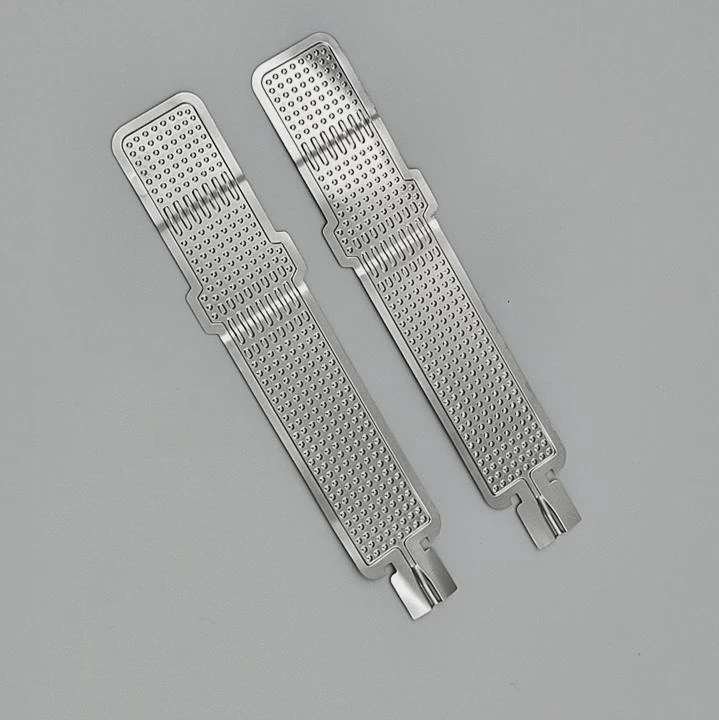
When I first learned about coolant, I thought it only cooled the engine. But coolant also prevents corrosion, supports the water pump, and stabilizes temperature in extreme weather. When it gets old, all these benefits fade. I learned this the hard way when a rusty coolant pipe failed in one of my older cars.
What happens when coolant ages
Coolant contains additives that fight rust and corrosion. These additives weaken with time. When they fail, rust starts to form inside the engine passages. This rust blocks flow and raises engine temperature. Old coolant also becomes acidic. Acid damages metal surfaces.
Signs of old coolant
Here are simple signs I look for:
- Dark or muddy color
- Strong smell
- Visible rust flakes
- Overheating on hot days
- Low coolant level
- Sticky residue in the reservoir
If you see these signs, your car needs fresh coolant soon.
The role of coolant in cold weather
Coolant stops the engine from freezing in winter. If the mixture becomes weak, ice can block the passages. This causes serious damage. Fresh coolant protects the system even in very cold conditions.
The role of coolant in hot weather
When the engine runs hard, coolant absorbs heat and carries it to the radiator. If coolant is old, it transfers heat slowly. The engine gets hotter. A hot engine wears faster. Fresh coolant keeps heat under control.
Coolant change intervals
Many cars need new coolant every two to five years. Some long-life coolants last longer. I check the owner manual to confirm the interval. A regular schedule keeps my car safe.
Changing coolant is not only about temperature. It is about full engine health. With fresh coolant, your engine lasts longer and works smoother.
Conclusion
A coolant change is simple when you follow safe steps, drain the system fully, use basic tools, and replace old fluid on a regular schedule. A calm approach keeps your car healthy and ready for long trips.
TAGS
Latest Articles

Volume discount levels for heat sink orders?
Buyers often ask when heat sink prices start to drop with volume. Many worry they’re overpaying for small orders. This guide explains how B2B volume pricing works for thermal components. Heat sink
21 Dec,2025
Heat sink long-term supply contract options?
Many buyers want stable pricing and reliable delivery for heat sinks. But without a clear contract, risks grow over time. This article explores how to secure better long-term supply deals. Long-term
21 Dec,2025
Tooling cost for new heat sink profiles?
Many engineers struggle to understand why tooling for custom heat sinks costs so much. They worry about budgeting and production timelines. This article breaks down the cost drivers behind tooling.
21 Dec,2025
Heat sink custom sample process steps?
Sometimes, starting a custom heat sink project feels overwhelming—too many steps, too many unknowns, and too many risks. You want a sample, but not endless delays. The process for requesting and
20 Dec,2025
Standard B2B terms for heat sink payments?
When buyers and sellers in B2B heat sink markets talk about payment, many don’t fully understand what’s standard. This can lead to delayed orders, miscommunication, and even lost business
20 Dec,2025
Heat sink pricing factors for large orders?
Heat sinks are vital for many systems. When prices rise, projects stall and budgets break. This problem can hit teams hard without warning. Large order heat sink pricing depends on many factors. You
20 Dec,2025Related Articles
- do graphics card have options for liquid cooling?
- how to connect liquid cooling to motherboard?
- how to install a aio liquid cooler?
- how liquid cooling works in bike?
- heat sink manufacturer in Venezuela
- heat sink manufacturer in Vatican City
- What's better liquid cooled or air cooled?
- How to instal liquid cooling?
- What's better liquid cooling or fan?
- Is liquid cooling worth it PC?
- Do AIO cooler ever run out of liquid?
- Which phone have liquid cooling system?
Author
Dr. Emily Chen
Chief AI Researcher
Leading expert in thermal dynamics and AI optimization with over 15 years of experience in data center efficiency research.
Categories
Latest Products






Recommend Categories
- Liquid cooling plate Manufacturer
- Industrial Heat Sink Manufacturer
- Standard Heat Sink Manufacturer
- Aluminum Heat Sink Manufacturer
- Copper Heat Sink Manufacturer
- Anodized Heatsink Manufacturer
- Stamping heat sink Manufacturer
- Die Casting Heatsink Manufacturer
- Soldering heat sink Manufacturer
- CNC Parts Manufacturer
Latest Products
- Wholesale Aluminum Radiator
- Water Cooling Plate Kit
- Water Cooling Heat Sink
- Water Cooling Heat Sink Kit
- Stainless Steel Water Distributor
- Server Water Cooling Plate Kit
- Server Liquid Cooling System
- Server Aluminum Cooling Kit
- S19 Full Cover Cooling Plate
- S19 Cooling Plate Kit
- S19 Aluminum Cooling Plate
Contact Expert
Have questions about this article? Reach out to our experts directly.