Vapor Chamber carton packaging style?
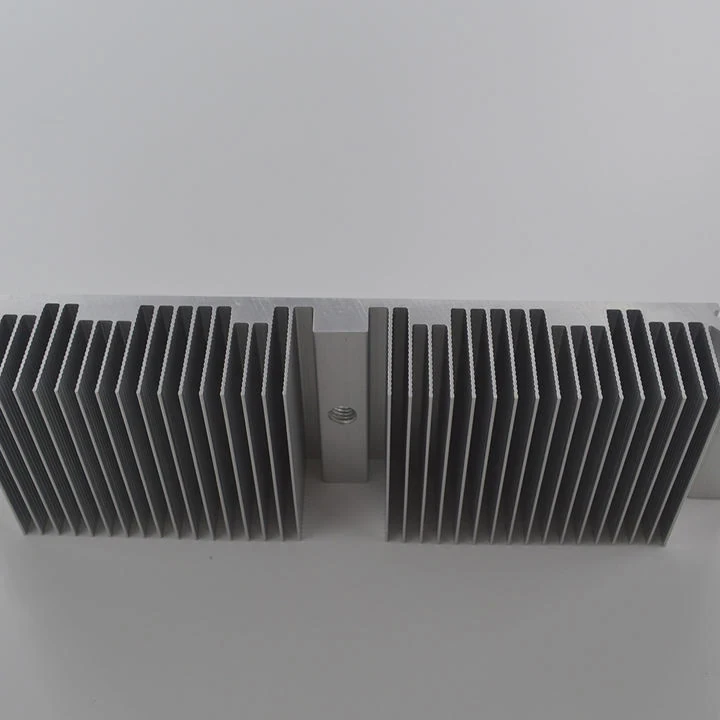
Packaging may seem like a simple task, but when it comes to vapor chambers — precision heat spreaders that must arrive without a single dent or warp — it becomes a critical part of product quality. Many buyers overlook packaging until damage occurs during shipping.
Yes. Vapor chambers are typically packaged in custom-sized, foam-protected, export-grade cartons to prevent mechanical damage during transport. Carton style, padding, and labeling are all tailored based on chamber size, shape, and shipment method.
This article explains the standard practices of vapor chamber carton packaging, how foam and sizing are selected, whether branding is allowed, and why it matters for both safety and efficiency.
What is the standard carton packaging for Vapor Chambers?
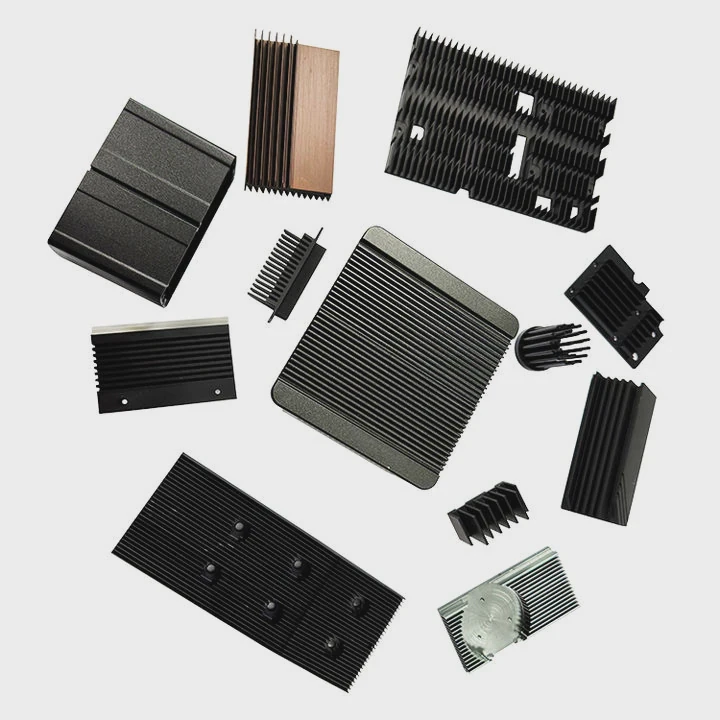
The core purpose of carton packaging is to ensure the vapor chambers survive the shipping journey without any change in surface flatness, seal integrity, or mechanical structure.
Standard carton packaging for vapor chambers uses double-walled corrugated cardboard boxes, lined with foam trays or anti-static inserts, with chambers stacked flat or in custom-molded slots.
Most vapor chamber packaging follows these principles:
- Carton material: 5-layer corrugated board (K=A/B type), moisture-resistant
- Dimensions: Tailored to the chamber’s footprint and thickness
- Stacking limit: Optimized for palletization, usually under 15–18 kg per box
- Closure method: Water-activated tape or industrial staples to ensure sealed edges
- Labeling: External part number, batch number, and destination markings
Each chamber is treated like a precision part. Packaging must support:
- Surface protection (especially the heat-spreading side)
- Seal weld edge protection
- Consistent flatness control
- Dust- and moisture-resistance
Key carton packaging components
| Component | Purpose |
|---|---|
| Outer Carton | Impact and stacking resistance |
| Foam Tray or EVA | Prevents motion, absorbs vibration |
| Anti-static Bag | ESD protection for sensitive devices |
| Interleaving Sheets | Avoids metal-to-metal contact |
| Desiccant (optional) | Prevents moisture buildup |
These elements are used in combination based on customer specification and destination environment. Cartons are tested for drop resistance, side-crush, and compression strength during packaging development.
Are cartons custom-sized for each unit?
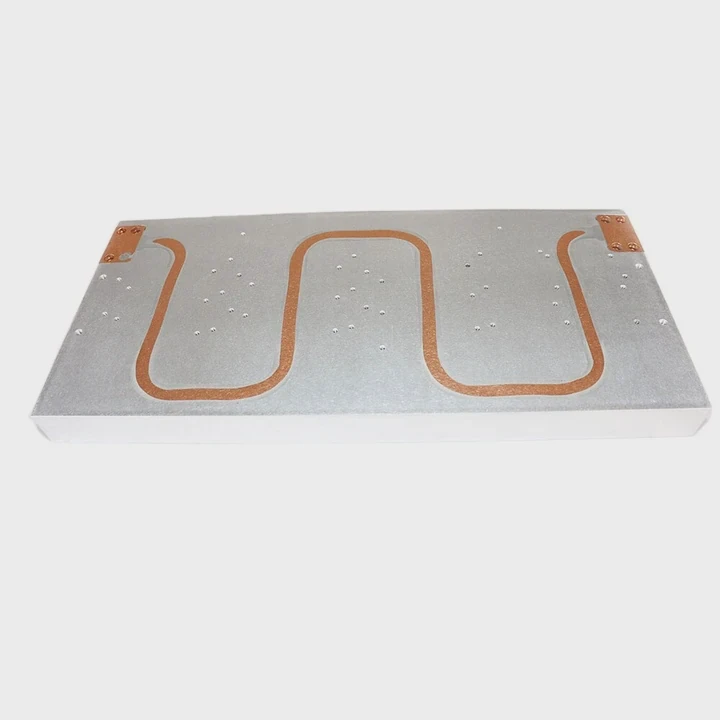
Not all vapor chambers are the same. Some are thin rectangular plates, others are curved or include bent flanges. This raises a key question: are standard cartons used for all?
No. Vapor chamber cartons are usually custom-sized or semi-customized for the chamber type, especially in industrial or OEM applications. Custom packaging ensures better fit, safer handling, and optimized shipping volume.
When designing packaging, suppliers consider:
- Product geometry (length, width, thickness)
- Quantity per carton
- Chamber orientation (horizontal or vertical)
- Surface sensitivity (mirror-polished or machined base?)
- Shipping method (express, air, or sea)
For example, a 120×60 mm vapor chamber with 2 mm thickness might be packed:
- In a foam tray with 10 slots per layer
- With interlayer cardboard after every 2–3 layers
- Up to 50 units per carton for manual handling limits
For large or L-shaped chambers, individual foam wraps may be used instead of tray slots.
| Chamber Size (mm) | Recommended Carton Style | Units per Carton |
|---|---|---|
| < 100 × 100 | Foam tray + interlayer paper | 20–50 |
| 100 × 200 or larger | Individual EVA wrap + paper slots | 10–20 |
| Bent/Curved chambers | Molded foam cutout + wrap | 5–15 |
Carton customization allows efficient space use while minimizing movement that can bend or dent the chamber during transport.
Do cartons include foam or other padding?
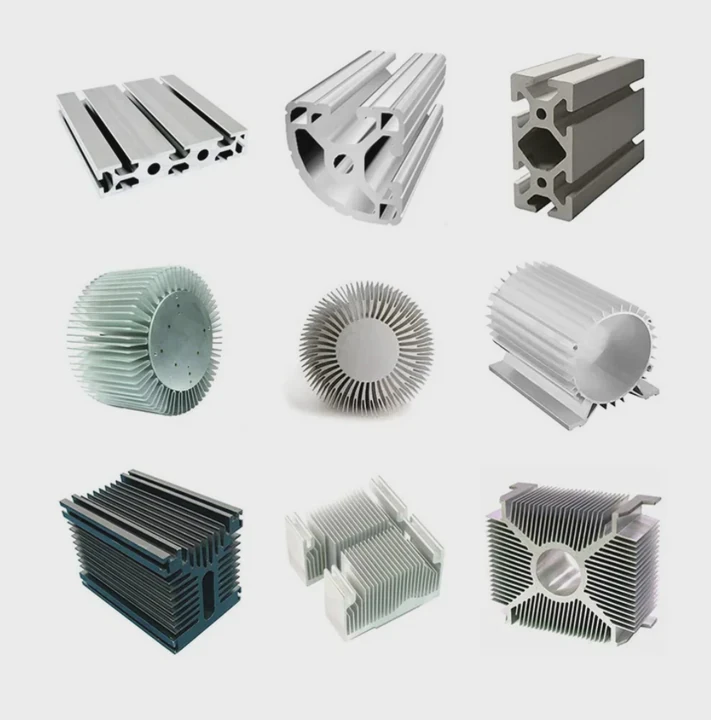
Without internal support, a vapor chamber could shift, collide with others, or even crack at the edge seams. That’s why proper padding is not optional — it’s essential.
Yes. All vapor chamber cartons include some form of padding, such as foam trays, EVA inserts, or bubble layers, depending on chamber size and sensitivity. Padding protects both the thermal surface and the mechanical seams.
Padding types used:
- EVA trays (die-cut): For consistent, repeatable positioning
- PE foam sheets: For multi-layer protection
- Bubble wrap (samples): Flexible for varied shapes
- Paper interleaves: Reduce scratch risk without static charge
- Corner protectors (large chambers): Prevent edge stress
The foam is usually anti-static and soft enough not to imprint on the copper surface. For chambers with a mirror-polished base, some suppliers include micro-fiber liners or wax paper interlayers.
Example foam layer design
| Layer Type | Thickness | Material | Function |
|---|---|---|---|
| Tray cavity | 2–3 mm | EVA | Holds vapor chamber in slot |
| Interleaving sheet | 0.3 mm | Kraft | Prevents contact scratches |
| Base foam | 5–10 mm | PE | Absorbs bottom impact |
| Lid foam insert | 5 mm | PU | Prevents top-side compression |
Foam-based packaging is preferred for air shipping, while paper/cardboard separation may be used for dense sea freight loads.
Is branding allowed on carton exteriors?
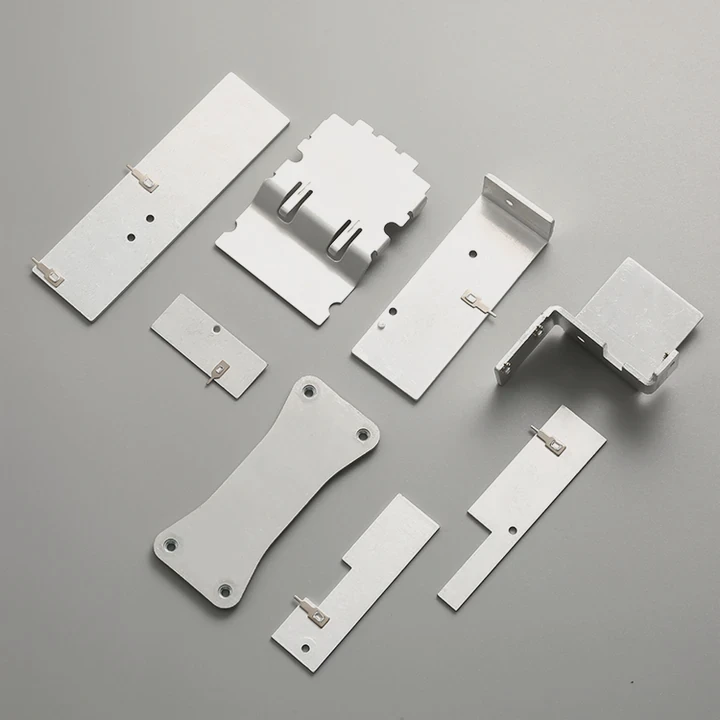
For OEMs or systems integrators, carton branding simplifies warehouse sorting and improves delivery professionalism. But is it allowed for vapor chamber cartons?
Yes. Most vapor chamber suppliers allow custom branding on outer cartons, including logos, part labels, and destination tags. However, minimum order quantities may apply for printed cartons.
Types of branding offered:
- One-color printed logos on top or side
- Full product labels with part numbers, barcodes
- Shipping labels with customer PO or serial number
- QR code stickers linked to batch data
- Private label options for white-label resellers
Some clients request neutral cartons for discrete drop-shipping. Others prefer full branding with their own SKUs for easier inventory traceability.
| Branding Method | MOQ Required | Use Case |
|---|---|---|
| Inkjet logo printing | Low (100 pcs) | Basic B2B shipments |
| Custom carton color | High (500+) | White-label or marketing shipments |
| Barcode/QR stickers | None | Inventory automation |
| Neutral blank cartons | No MOQ | Generic or confidential delivery |
If needed, suppliers can also provide pallet labels, EDI-compatible documents, and carton marking schemes compliant with ISO, IPC, or IPC-1601 standards.
Conclusion
Vapor chamber packaging is a critical part of product integrity. Standard cartons are strong, foam-protected, and customized to each chamber type. Padding such as EVA trays and interleaves prevents damage, while branding is supported for OEM needs. With correct packaging design, chambers arrive flat, sealed, and production-ready — no matter the distance or shipping method.
TAGS
Latest Articles

Volume discount levels for heat sink orders?
Buyers often ask when heat sink prices start to drop with volume. Many worry they’re overpaying for small orders. This guide explains how B2B volume pricing works for thermal components. Heat sink
21 Dec,2025
Heat sink long-term supply contract options?
Many buyers want stable pricing and reliable delivery for heat sinks. But without a clear contract, risks grow over time. This article explores how to secure better long-term supply deals. Long-term
21 Dec,2025
Tooling cost for new heat sink profiles?
Many engineers struggle to understand why tooling for custom heat sinks costs so much. They worry about budgeting and production timelines. This article breaks down the cost drivers behind tooling.
21 Dec,2025
Heat sink custom sample process steps?
Sometimes, starting a custom heat sink project feels overwhelming—too many steps, too many unknowns, and too many risks. You want a sample, but not endless delays. The process for requesting and
20 Dec,2025
Standard B2B terms for heat sink payments?
When buyers and sellers in B2B heat sink markets talk about payment, many don’t fully understand what’s standard. This can lead to delayed orders, miscommunication, and even lost business
20 Dec,2025
Heat sink pricing factors for large orders?
Heat sinks are vital for many systems. When prices rise, projects stall and budgets break. This problem can hit teams hard without warning. Large order heat sink pricing depends on many factors. You
20 Dec,2025Related Articles
- Vapor Chamber shipment tracking methods?
- Can Vapor Chamber be air freighted?
- Export tax for Vapor Chamber to Europe?
- Vapor Chamber sample cost estimation?
- Should Vapor Chamber be tested individually?
- Vapor Chamber reliability in field usage?
- Required labels for Vapor Chamber export?
- Best FSC packaging for Vapor Chamber?
- Vapor Chamber export insurance requirements?
- Minimum lead time for Vapor Chamber prototype?
- Can Vapor Chamber be shipped by courier?
- Vapor Chamber customs clearance process
Author
Dr. Emily Chen
Chief AI Researcher
Leading expert in thermal dynamics and AI optimization with over 15 years of experience in data center efficiency research.
Categories
Latest Products






Recommend Categories
- Liquid cooling plate Manufacturer
- Industrial Heat Sink Manufacturer
- Standard Heat Sink Manufacturer
- Aluminum Heat Sink Manufacturer
- Copper Heat Sink Manufacturer
- Anodized Heatsink Manufacturer
- Stamping heat sink Manufacturer
- Die Casting Heatsink Manufacturer
- Soldering heat sink Manufacturer
- CNC Parts Manufacturer
Latest Products
- Wholesale Aluminum Radiator
- Water Cooling Plate Kit
- Water Cooling Heat Sink
- Water Cooling Heat Sink Kit
- Stainless Steel Water Distributor
- Server Water Cooling Plate Kit
- Server Liquid Cooling System
- Server Aluminum Cooling Kit
- S19 Full Cover Cooling Plate
- S19 Cooling Plate Kit
- S19 Aluminum Cooling Plate
Contact Expert
Have questions about this article? Reach out to our experts directly.