Can Vapor Chamber be shipped by courier?
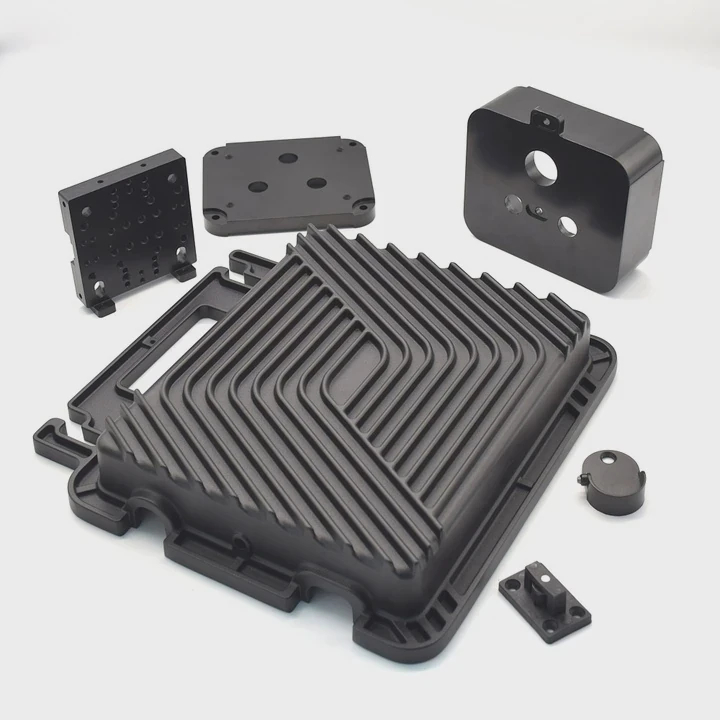
Shipping delicate thermal components like vapor chambers can cause anxiety — will the courier accept them, will they survive transit, or need special declarations? Many people hesitate to send vapor chambers by express courier without clarity.
Yes. Vapor chambers can be shipped by courier services like DHL, FedEx, UPS, as long as they are properly packaged and declared as non‑hazardous mechanical goods. Couriers widely accept sealed metal parts with minimal internal fluid.
Courier shipping is a common method for samples, prototypes, and small orders of vapor chambers. Below, you will learn what to check, how to package, what paperwork to include, and when courier delivery makes sense.
Is courier service available for Vapor Chamber delivery?
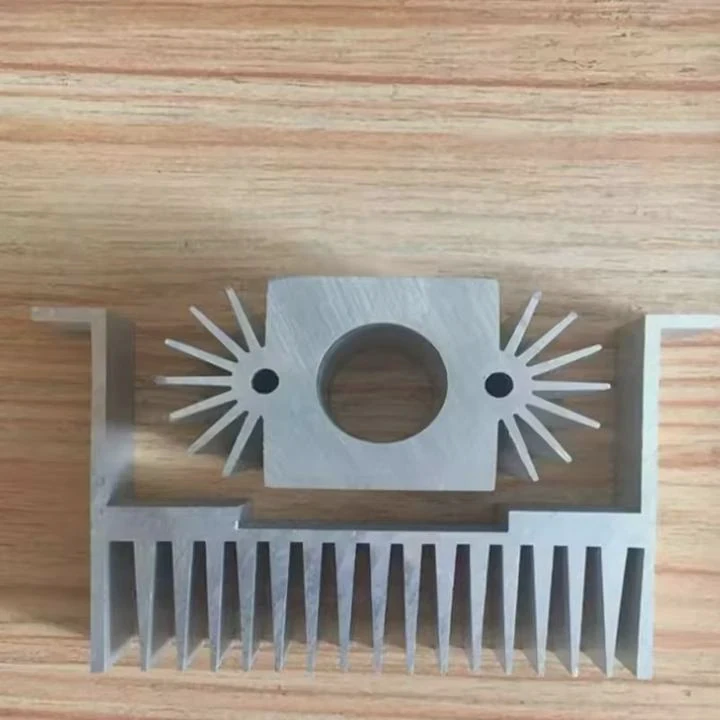
Courier services handle everything from small parcels to palletized freight. For vapor chambers — especially small batches, prototypes, or urgent parts — courier shipment is often the fastest and most convenient option.
Why couriers accept vapor chambers
- Vapor chambers are solid metal assemblies, often copper or aluminum shells.
- The internal working fluid (often water or a benign liquid) is sealed under vacuum — not free liquid.
- No pressurized gas, no flammable substances, no hazardous chemicals by default.
- Weight and size of typical shipments fit within courier limits (e.g. < 25 kg for a standard parcel; heavier loads may be palletized).
Most major courier carriers (DHL Express, FedEx International Priority, UPS Worldwide Saver) accept vapor chamber parcels, treating them as regular mechanical/electronic parts. Many OEMs and thermal suppliers rely on courier services for delivering prototypes, spare parts, and small-volume orders.
When courier service works best
Courier delivery is most suitable when:
- You ship small quantities (1–50 pieces).
- Items are flat, compact, and well‑packed.
- Delivery time is critical (2–7 days transit).
- You want door‑to‑door service, minimal handling, and tracking included.
For larger orders (hundreds–thousands of units), sea freight or air‑cargo forwarding might be more cost‑effective, though courier can still be used for first article or small subsamples.
Do couriers accept packages with heat pipe parts?
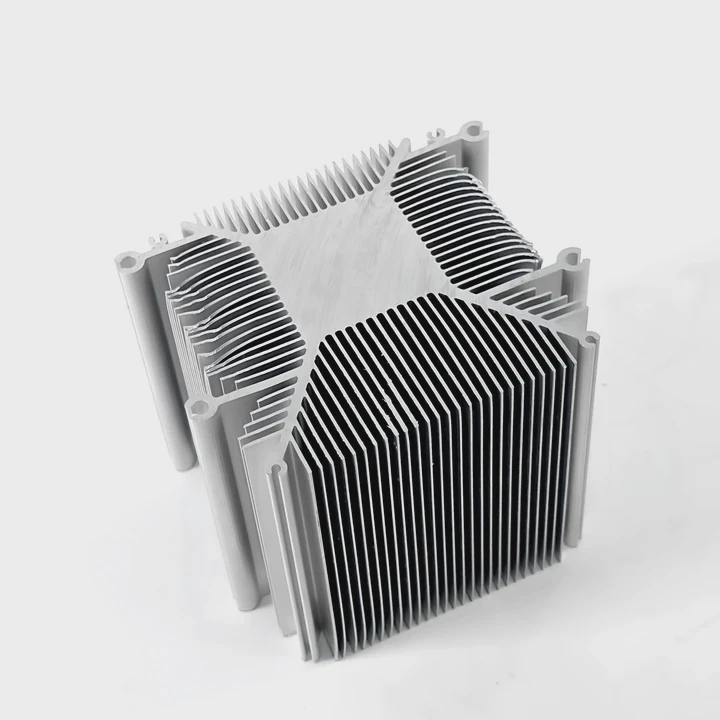
Heat pipes and vapor chambers share similar risk profiles: sealed metal, minimal internal liquid, no pressurized gas. Couriers typically treat them as ordinary hardware — provided packaging and declaration are correct.
Key factors for courier acceptance
- Sealed and non‑leaking: The unit must be closed, with no visible fluid or condensation.
- Proper packaging: Use sturdy cartons, foam padding, anti‑static bags if needed, shock and moisture protection.
- Clear description: On airway‑bill or courier invoice, list as “Vapor Chamber – Metal Cooling Component” or “Heat‑sink / Thermal Spreader Part” — avoid wording like “battery”, “liquid coolant”, or “hazardous”.
- Right weight/size classification: Within courier package limits (e.g. < 70 kg pallet or < 23 kg parcel depending on carrier).
If a parcel is mis‑declared — for example, marked as containing “liquid metal coolant” — the courier may treat it as hazardous or refuse acceptance. Proper packaging and clear, honest declaration help avoid that.
Some smaller or local courier companies may still reject unusual metal parts. When in doubt, check with courier before booking.
Are special declarations needed for Vapor Chambers?
Because vapor chambers are not classified as hazardous goods under standard international courier rules, no special dangerous‑goods declaration is needed. They can travel under standard airway bills or courier waybills.
What paperwork is required
For international courier shipments:
- Commercial or pro‑forma invoice (or purchase order copy) describing goods.
- Waybill (AWB or courier invoice) with description, weight, dimensions.
- Export customs declaration from sender (if required by country).
- Packing list (optional, but helps customs).
No MSDS (Material Safety Data Sheet) is needed if the vapor chamber fluid is benign and sealed. However, if the part uses unusual or restricted fluids (e.g. strong chemicals, flammable liquids), you must verify courier rules — but standard water‑based or alcohol‑based working fluid is generally fine.
Best practices for smooth shipping
- Use clear, simple product descriptions (avoid “battery”, “liquid metal**, “hazardous”, etc.).
- Use neutral terms: “thermal module part”, “metal cooling component” — couriers and customs understand mechanical parts.
- Ensure traceable packaging and labelled carton (weight, origin, part number).
- Request insurance or declared‑value coverage for high‑value shipments.
As long as the shipment is properly prepared, courier companies treat vapor chambers like ordinary electronic hardware.
Can samples be shipped via DHL or FedEx?
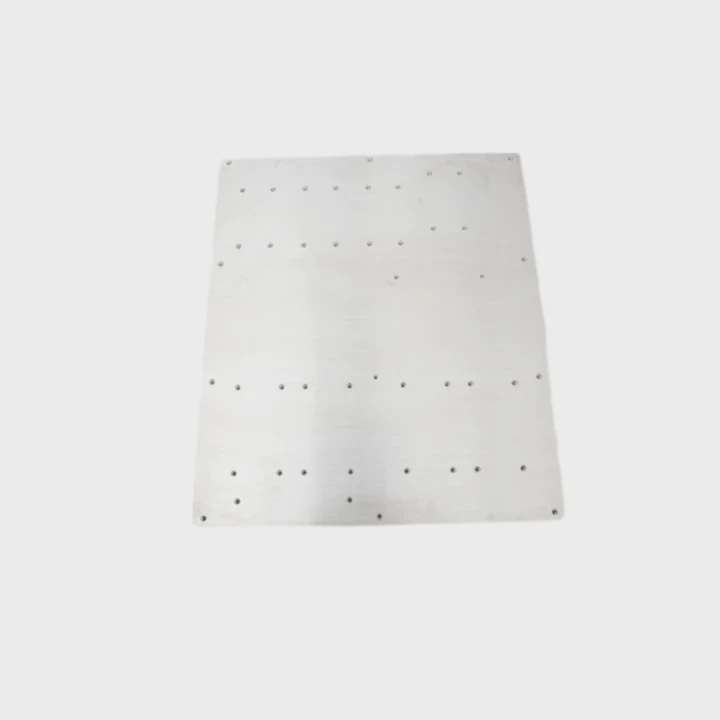
Yes — courier services like DHL and FedEx are commonly used to deliver vapor chamber samples, prototypes, and small orders worldwide. Many suppliers default to these couriers when clients request fast delivery.
Benefits of courier for samples
| Advantage | Why it Matters for Vapor Chambers |
|---|---|
| Fast delivery (2–7 days) | Minimizes lead time during design or testing |
| Door-to-door service | Reduces handling, avoids warehouse delays |
| Real-time tracking | Buyer can monitor delivery status constantly |
| Insurance options | Protects value of fragile, high‑precision parts |
For example, when a client needs a prototype for thermal test or fit-check fast, courier delivery allows arrival in a few days instead of waiting weeks for sea freight or forwarder‑arranged cargo.
Typical courier packaging for samples
- Each vapor chamber wrapped in anti-static bag (if ESD‑sensitive).
- Inserted into a foam tray or PE foam for flatness and shock protection.
- Stacked or placed individually in a strong corrugated carton, sealed with tape, labeled with weight and part info.
- Courier airway bill attached; invoice included inside a plastic pouch or envelope.
- Optional insurance coverage declared for the carton value.
Suppliers often use this method to send first samples to overseas clients. The package arrives quickly, and the parts are ready for testing upon arrival.
Risks and limitations to watch
While courier shipping works well, there are limitations and precautions:
- Size and weight limits: Large or heavy shipments may exceed courier parcel limits and need pallet freight.
- Customs delays: Improper description or invoice errors can trigger customs holds — delaying delivery.
- Rough handling: Although couriers promise care, rough handling (drops, compression) might damage very thin or large vapor chambers if packaging is inadequate.
- Insurance coverage: Default insurance may cap at low values — for expensive assemblies, declare full value to avoid under‑insurance.
Hence, good packaging, accurate paperwork, and proper value declaration are essential.
Conclusion
Courier shipping is a viable, efficient, and commonly used method for delivering vapor chambers — especially for small orders, prototypes, and urgent samples. Major couriers accept sealed metal heat spreaders under standard cargo rules, without special hazardous‑goods declarations.
The key to success: proper packaging, clear and honest labeling, attention to weight/size limits, and optionally, declared‑value insurance. When done right, courier delivery by DHL, FedEx, or UPS offers the fastest, easiest, and most traceable way to get vapor chambers from factory to destination — ready for testing or assembly.
TAGS
Latest Articles

Volume discount levels for heat sink orders?
Buyers often ask when heat sink prices start to drop with volume. Many worry they’re overpaying for small orders. This guide explains how B2B volume pricing works for thermal components. Heat sink
21 Dec,2025
Heat sink long-term supply contract options?
Many buyers want stable pricing and reliable delivery for heat sinks. But without a clear contract, risks grow over time. This article explores how to secure better long-term supply deals. Long-term
21 Dec,2025
Tooling cost for new heat sink profiles?
Many engineers struggle to understand why tooling for custom heat sinks costs so much. They worry about budgeting and production timelines. This article breaks down the cost drivers behind tooling.
21 Dec,2025
Heat sink custom sample process steps?
Sometimes, starting a custom heat sink project feels overwhelming—too many steps, too many unknowns, and too many risks. You want a sample, but not endless delays. The process for requesting and
20 Dec,2025
Standard B2B terms for heat sink payments?
When buyers and sellers in B2B heat sink markets talk about payment, many don’t fully understand what’s standard. This can lead to delayed orders, miscommunication, and even lost business
20 Dec,2025
Heat sink pricing factors for large orders?
Heat sinks are vital for many systems. When prices rise, projects stall and budgets break. This problem can hit teams hard without warning. Large order heat sink pricing depends on many factors. You
20 Dec,2025Related Articles
- Minimum lead time for Vapor Chamber prototype?
- Vapor Chamber export insurance requirements?
- Best FSC packaging for Vapor Chamber?
- Required labels for Vapor Chamber export?
- Vapor Chamber carton packaging style?
- Vapor Chamber shipment tracking methods?
- Vapor Chamber customs clearance process
- Vapor Chamber DDP shipping availability
- How to inspect delivered Vapor Chamber batch?
- Standard moisture protection for Vapor Chamber
- Installation tools needed for Vapor Chamber
- Can Vapor Chamber be disassembled?
Author
Dr. Emily Chen
Chief AI Researcher
Leading expert in thermal dynamics and AI optimization with over 15 years of experience in data center efficiency research.
Categories
Latest Products






Recommend Categories
- Liquid cooling plate Manufacturer
- Industrial Heat Sink Manufacturer
- Standard Heat Sink Manufacturer
- Aluminum Heat Sink Manufacturer
- Copper Heat Sink Manufacturer
- Anodized Heatsink Manufacturer
- Stamping heat sink Manufacturer
- Die Casting Heatsink Manufacturer
- Soldering heat sink Manufacturer
- CNC Parts Manufacturer
Latest Products
- Wholesale Aluminum Radiator
- Water Cooling Plate Kit
- Water Cooling Heat Sink
- Water Cooling Heat Sink Kit
- Stainless Steel Water Distributor
- Server Water Cooling Plate Kit
- Server Liquid Cooling System
- Server Aluminum Cooling Kit
- S19 Full Cover Cooling Plate
- S19 Cooling Plate Kit
- S19 Aluminum Cooling Plate
Contact Expert
Have questions about this article? Reach out to our experts directly.