Vapor Chamber reliability in field usage?
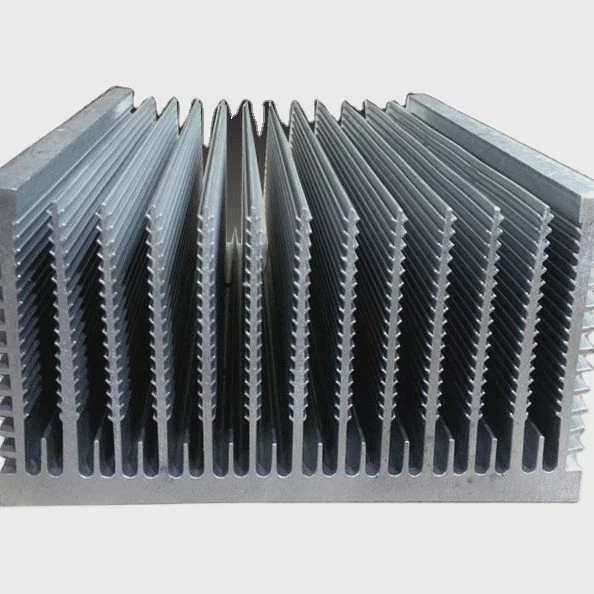
Lab tests can look perfect, but the real world is messy. Heat, dust, vibration, and time — they test every cooling solution in unexpected ways. Can vapor chambers hold up?
Yes. Vapor chambers are proven reliable in field usage when properly designed and qualified. With correct sealing and material choice, they survive years of thermal cycling, mechanical stress, and environmental exposure.
This article explores how vapor chambers perform in real conditions, what failures occur, and how manufacturers test for long-term field reliability.
How reliable are Vapor Chambers in real-world use?
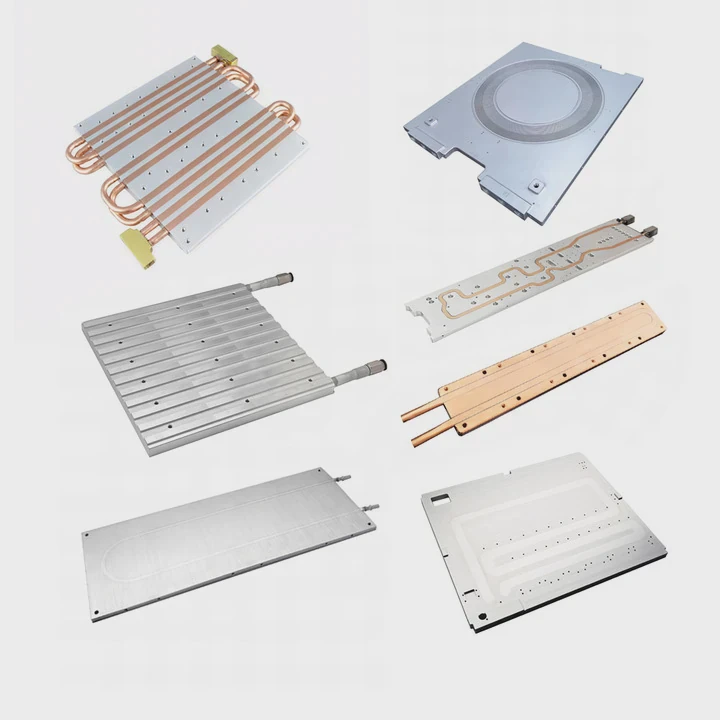
Most vapor chambers pass lab tests — but the real test is in the field: hot summers, cold winters, long runtimes. Reliability must hold up not just for hours, but for years.
Vapor chambers are highly reliable in field use, with MTBF (Mean Time Between Failures) exceeding 100,000 hours. Failures are rare when quality control and proper assembly are followed.
Field reliability depends on:
- Vacuum seal integrity
- Clean, non-reactive internal working fluid
- Proper welds or diffusion bonds
- Controlled material expansion under thermal stress
In many industries, vapor chambers have run reliably for 5–10+ years in:
- High-performance laptops
- Telecom base stations
- Automotive control units
- Medical and imaging devices
- Industrial inverters
Real-world case studies show vapor chambers handle daily thermal cycling (20–80°C), mechanical vibration, and varying airflows without degradation. Some aerospace and military-grade chambers are qualified for 10,000+ cycles from -40°C to +125°C.
| Application Sector | Typical Runtime Before Degradation |
|---|---|
| Consumer Electronics | 3–5 years |
| Industrial Systems | 5–10 years |
| Automotive Modules | 8–12 years |
| Military/Aerospace | 10–15+ years |
So yes, field data supports long vapor chamber life, as long as they are built to spec and used within their thermal and mechanical limits.
What failure modes are common in field conditions?
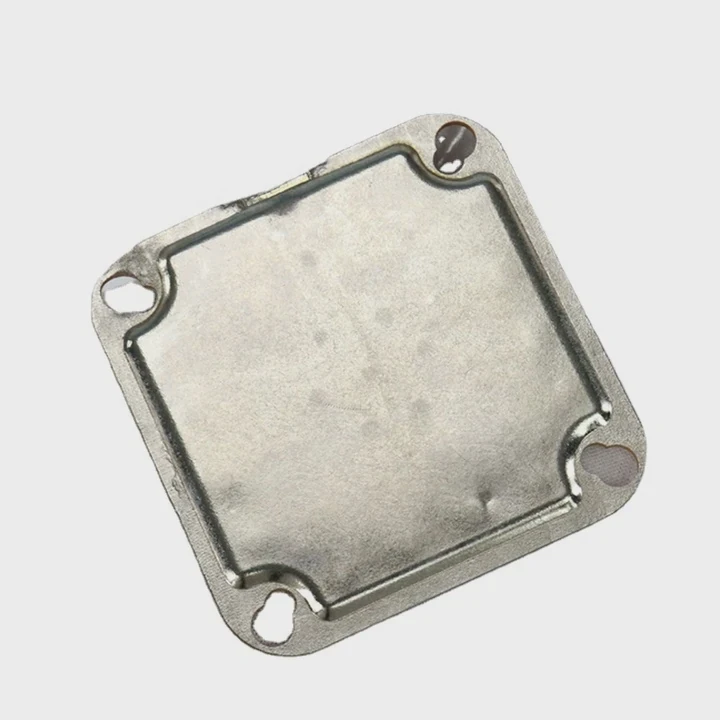
Even the best thermal hardware can fail — especially under vibration, moisture, or unplanned stress. What goes wrong with vapor chambers?
The most common vapor chamber failure modes are fluid leakage, internal dry-out, corrosion, and mechanical deformation. But most failures come from poor design or improper use.
Here’s a breakdown of failure types:
| Failure Mode | Cause | Effect |
|---|---|---|
| Internal Leakage | Seal crack, poor welding | Vacuum loss, function stop |
| Dry-Out (No Condensation) | Low fluid fill, blockage | Heat not moved away |
| Corrosion | Moisture ingress, reactive fluid | Oxidation, seal failure |
| Delamination | Layer separation due to stress | Poor thermal contact |
| Bulging or Warping | Overheating or thermal cycling | Mechanical misfit |
1. Internal leakage:
Often due to poor welding or long-term mechanical stress at the seal. Once vacuum breaks, vapor flow stops.
2. Dry-out:
If internal wick degrades or if fluid escapes through micro-leak, chamber loses heat transport ability.
3. Corrosion:
Rare in sealed chambers, but can occur with poor fluid purity or moisture intrusion.
4. Warping/deformation:
Thermal expansion mismatch or overheat conditions can cause metal layers to bend or bubble.
Most failures are preventable by:
- Using qualified vendors
- Ensuring proper fill rates and sealing
- Avoiding hard bonding over large areas
- Limiting exposure to corrosive gases or high moisture
These problems are rare in tested, certified chambers from reliable manufacturers.
Are lifetime tests conducted under actual loads?
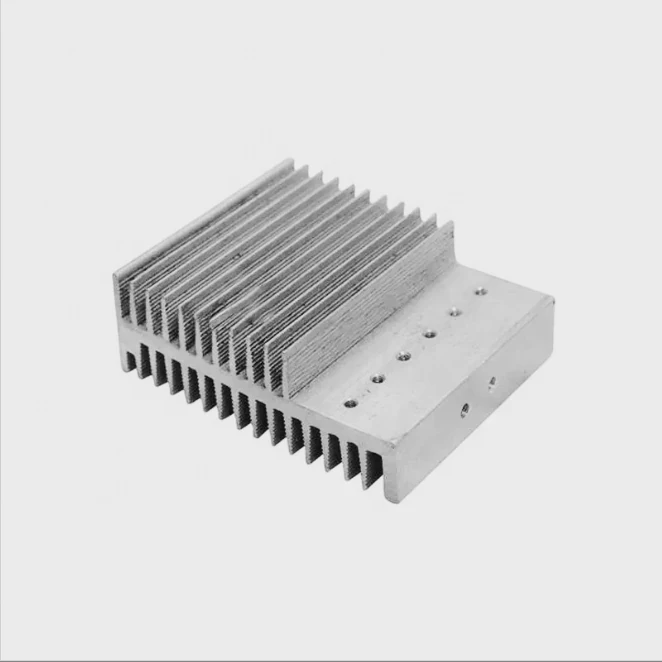
Vapor chambers may last 10 years — but do companies really test them that long before shipping?
Yes. Vapor chambers undergo accelerated lifetime testing under thermal loads, often simulating 10–15 years of usage within months. These tests use extreme conditions to uncover weak points early.
Typical lifetime test conditions include:
- Thermal cycling: -40°C to +125°C, 500–2000 cycles
- High-temp soaking: 125–150°C for 1000–2000 hours
- Power cycling: Rapid on/off load changes to simulate real device use
- Mechanical shock & vibration: 20–2000 Hz sweep, MIL-STD-810 or IEC standards
- Humidity tests: 85°C/85% RH to simulate tropical climates
| Lifetime Test Type | Purpose | Typical Spec |
|---|---|---|
| Thermal Cycle Test | Check seam integrity, fatigue | -40°C to +125°C, 1000 cycles |
| Power Cycling | Simulate load-based heat rise/fall | 10,000+ cycles |
| Damp Heat Aging | Detect corrosion, surface oxidation | 85°C / 85% RH, 1000 hrs |
| Salt Fog Spray | Coastal resistance check | 48–96 hrs |
Some manufacturers also perform helium leak detection to ensure hermetic seals. Others measure thermal impedance drift over 1000+ hours to catch performance degradation.
So while chambers aren’t aged in the field before sale, these tests replicate years of use in short time frames. Well-tested vapor chambers show stable thermal resistance after testing, proving long-term durability.
Do environmental factors reduce field reliability?
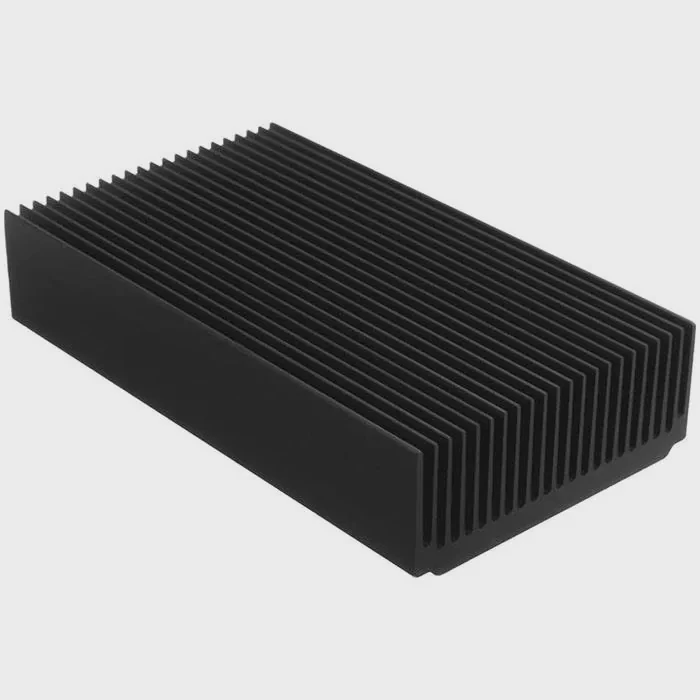
Dust, moisture, heat spikes, or UV exposure — these are everyday enemies in outdoor or industrial settings. Can vapor chambers hold up?
Yes. Environmental factors can impact field reliability, but with proper materials and coatings, vapor chambers are made to withstand harsh conditions.
Here’s how key factors affect vapor chambers:
Humidity:
If chamber is well-sealed, moisture stays outside. Still, surface oxidation can occur on copper if not coated.Salt (coastal air):
Without nickel plating or protection, salt fog can corrode copper or exposed welds over years.Vibration:
Repeated stress can weaken welds or mounting points, especially in mobile systems (e.g., vehicles, drones).Dust or particles:
Not an issue inside chamber, but can raise surface contact resistance if TIM interface gets clogged.UV radiation:
Affects polymers, but not metal chamber bodies. However, foam or interface materials may degrade over time.
| Environmental Factor | Potential Impact | Recommended Protection |
|---|---|---|
| High Humidity | Corrosion on bare surfaces | Nickel plating / anodizing |
| Salt Air (marine) | Long-term corrosion | Epoxy or full-seal coating |
| Vibration | Weld fatigue | Flexible mounts, stress relief |
| Dust Accumulation | Interface contact loss | Clean install, sealed housing |
| UV Light | External material aging | UV-resistant adhesives/seals |
Vapor chambers used in industrial or outdoor systems often pass IEC, MIL, or automotive standards for these conditions. Coatings like nickel plating, anodizing, or epoxy overcoats greatly improve resistance.
So yes — environment matters, but with good design, vapor chambers remain reliable even in tough field settings.
Conclusion
Vapor chambers have shown strong long-term reliability in field applications across many industries. While failure modes exist — such as seal leaks or dry-out — these are rare in qualified, properly mounted units. Lifetime testing, environmental protections, and material choices all play a role in ensuring stable thermal performance over years of operation.
TAGS
Latest Articles

Volume discount levels for heat sink orders?
Buyers often ask when heat sink prices start to drop with volume. Many worry they’re overpaying for small orders. This guide explains how B2B volume pricing works for thermal components. Heat sink
21 Dec,2025
Heat sink long-term supply contract options?
Many buyers want stable pricing and reliable delivery for heat sinks. But without a clear contract, risks grow over time. This article explores how to secure better long-term supply deals. Long-term
21 Dec,2025
Tooling cost for new heat sink profiles?
Many engineers struggle to understand why tooling for custom heat sinks costs so much. They worry about budgeting and production timelines. This article breaks down the cost drivers behind tooling.
21 Dec,2025
Heat sink custom sample process steps?
Sometimes, starting a custom heat sink project feels overwhelming—too many steps, too many unknowns, and too many risks. You want a sample, but not endless delays. The process for requesting and
20 Dec,2025
Standard B2B terms for heat sink payments?
When buyers and sellers in B2B heat sink markets talk about payment, many don’t fully understand what’s standard. This can lead to delayed orders, miscommunication, and even lost business
20 Dec,2025
Heat sink pricing factors for large orders?
Heat sinks are vital for many systems. When prices rise, projects stall and budgets break. This problem can hit teams hard without warning. Large order heat sink pricing depends on many factors. You
20 Dec,2025Related Articles
- Thermal expansion coefficient of Vapor Chamber?
- Can Vapor Chamber operate in high humidity?
- Vapor Chamber for solar energy systems?
- Does Vapor Chamber work with water cooling?
- Vapor Chamber optimization for CPU cooling?
- Vapor Chamber unit weight calculation method?
- Should Vapor Chamber be tested individually?
- Vapor Chamber sample cost estimation?
- Export tax for Vapor Chamber to Europe?
- Can Vapor Chamber be air freighted?
- Vapor Chamber shipment tracking methods?
- Vapor Chamber carton packaging style?
Author
Dr. Emily Chen
Chief AI Researcher
Leading expert in thermal dynamics and AI optimization with over 15 years of experience in data center efficiency research.
Categories
Latest Products






Recommend Categories
- Liquid cooling plate Manufacturer
- Industrial Heat Sink Manufacturer
- Standard Heat Sink Manufacturer
- Aluminum Heat Sink Manufacturer
- Copper Heat Sink Manufacturer
- Anodized Heatsink Manufacturer
- Stamping heat sink Manufacturer
- Die Casting Heatsink Manufacturer
- Soldering heat sink Manufacturer
- CNC Parts Manufacturer
Latest Products
- Wholesale Aluminum Radiator
- Water Cooling Plate Kit
- Water Cooling Heat Sink
- Water Cooling Heat Sink Kit
- Stainless Steel Water Distributor
- Server Water Cooling Plate Kit
- Server Liquid Cooling System
- Server Aluminum Cooling Kit
- S19 Full Cover Cooling Plate
- S19 Cooling Plate Kit
- S19 Aluminum Cooling Plate
Contact Expert
Have questions about this article? Reach out to our experts directly.