Vapor Chamber export insurance requirements?
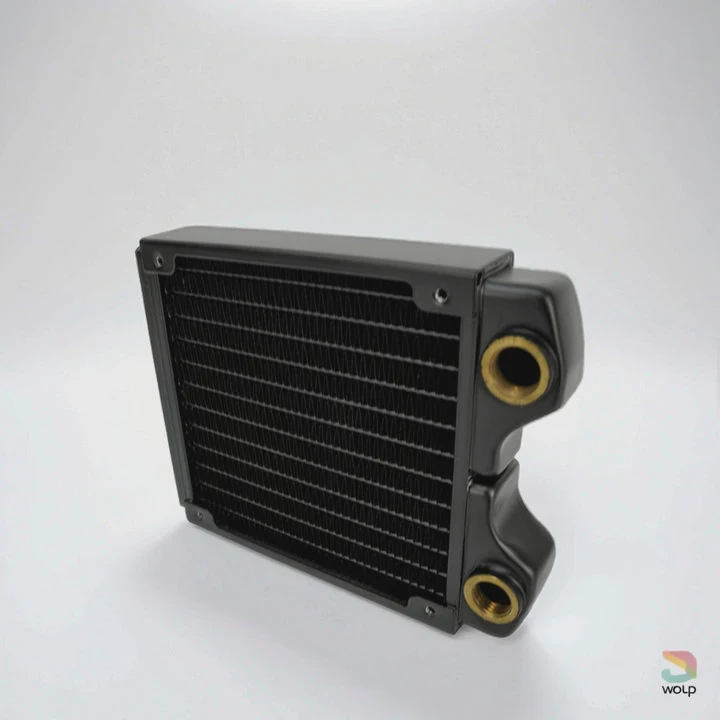
International shipments always carry risk — damage, loss, or delay. Vapor chambers, with their thin sealed structures, are especially sensitive to impact and moisture. That’s why many buyers ask: is export insurance needed?
Yes. Export insurance is strongly recommended for vapor chamber shipments to protect against transit loss or damage. Given the product’s value and fragility, coverage ensures financial safety for both buyer and seller.
This article explains whether insurance is required, what types of coverage apply, who provides it, and who should be responsible in the transaction.
Is export insurance required for Vapor Chamber shipments?
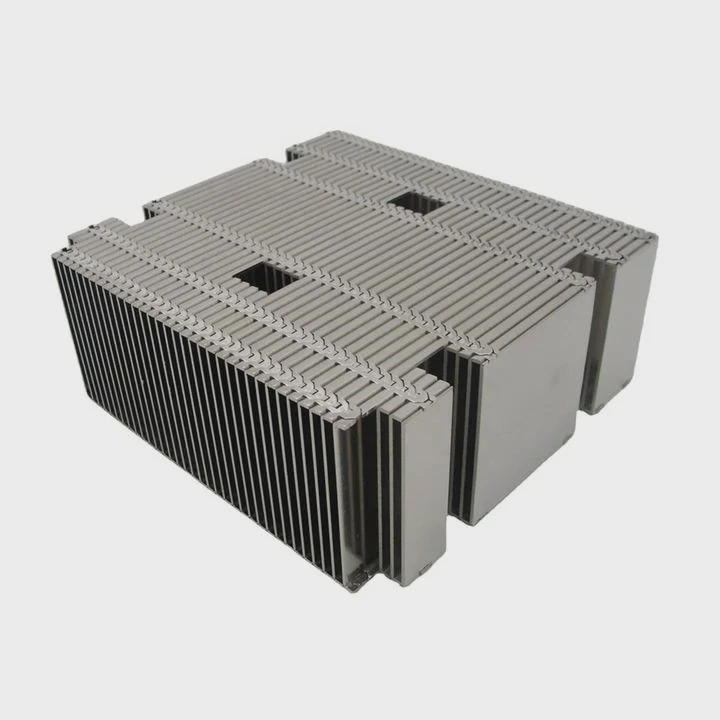
Legally, there is no global law that forces exporters to insure shipments. However, when dealing with sensitive items like vapor chambers, skipping insurance is a high risk.
No. Export insurance is not legally required — but it is highly recommended for vapor chamber shipments due to their mechanical sensitivity and high unit value.
Why it matters:
- Vapor chambers can warp or dent with impact
- Long transit (air/sea) raises risk of mishandling
- Loss or theft during cross-border transport occurs
- Customs delays or port mishaps are unpredictable
If uninsured, any loss or damage during shipping could result in:
- Total financial loss of product value
- Production delays at customer site
- Disputes between buyer and seller over responsibility
To avoid this, most exporters use:
- Cargo insurance
- Marine insurance (for sea freight)
- Freight insurance (via courier or forwarder)
So while not mandatory, export insurance is considered a best practice — especially for B2B vapor chamber shipments.
What type of coverage is best for fragile parts?
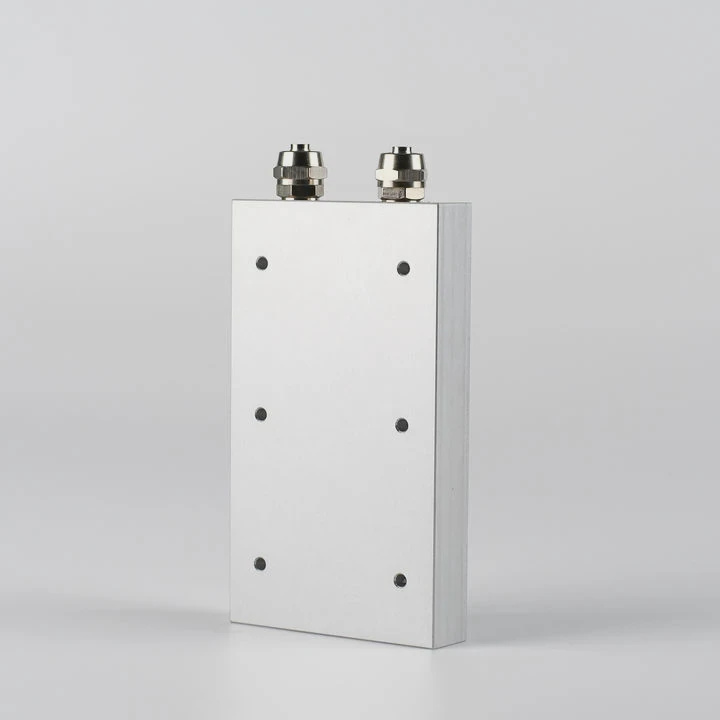
Vapor chambers are technically metal parts, but behave like precision components. What kind of insurance works best?
“All Risk” cargo insurance is best for fragile products like vapor chambers. It covers loss, theft, mishandling, breakage, water damage, and more — unless specifically excluded.
Coverage types:
| Coverage Type | Scope |
|---|---|
| All Risk | Comprehensive; covers most damage/loss events |
| Total Loss Only | Covers only if the full shipment is lost |
| Named Perils | Covers specific risks (e.g., fire, collision) |
| Marine Insurance | Sea shipment focus; may be “All Risk” or limited |
For vapor chambers, we recommend:
- All Risk coverage
- Declared value per shipment (commercial invoice total)
- Protection from door-to-door (supplier → buyer)
- Add “breakage and mechanical damage” clause, if available
Exclusions to watch for:
- Poor packaging (shipper’s fault)
- War or force majeure (acts of nature)
- Improper handling by untrained receiver
So yes — full coverage is best, and some policies are tailored to electronics or metal assemblies with vacuum seals.
Do freight forwarders offer insurance services?
Buyers often assume they must deal with insurance companies separately. But many forwarders offer a one-stop solution.
Yes. Most freight forwarders provide optional insurance services as part of their shipment package. They act as brokers or agents, simplifying the process for exporters and importers.
Forwarders typically offer:
- Insurance quotes during booking
- Coverage through global insurers (e.g., Lloyd’s, AXA)
- Certificates of insurance for customs or claims
- Claim handling support if damage occurs
Rates vary by:
- Declared value
- Route (air, sea, road)
- Risk profile of goods
- Packaging strength
| Forwarder | Insurance Offer | Note |
|---|---|---|
| DHL Global Forwarding | Optional cargo insurance | Quoted per kg or shipment value |
| Kuehne + Nagel | All Risk marine or air insurance | Policy via insurer partners |
| UPS Supply Chain | Declared value coverage available | Ideal for high-value electronics |
To use this service, simply ask your forwarder: “Please include All Risk insurance with this booking.” They’ll provide a breakdown with premium costs.
Should buyers or sellers handle export insurance?
Who is responsible for export insurance — the seller or the buyer? It depends on Incoterms.
The party responsible for export insurance depends on the shipping agreement (Incoterm). In many cases, buyers and sellers negotiate this point during the order process.
Key Incoterms and their insurance logic:
| Incoterm | Insurance Responsibility | Note |
|---|---|---|
| EXW | Buyer | Buyer covers all risk post-pickup |
| FOB | Buyer | Risk passes after port loading |
| CIF | Seller (must insure shipment) | Minimum marine insurance required |
| DAP | Buyer (optional) | Seller delivers, but risk at import point |
| DDP | Seller | Seller handles insurance and all duties |
If using CIF, the seller must provide proof of insurance. Under DDP, many buyers expect all-inclusive service, including insurance.
When in doubt, the best practice is to clarify insurance terms in the PO or Proforma Invoice:
- Who buys it
- What coverage level
- What insurer
- What happens in case of damage
It’s also common for large buyers to use their own annual cargo insurance, which covers all incoming goods.
Conclusion
Export insurance is highly recommended for vapor chamber shipments, given their fragility and value. While not legally required, “All Risk” coverage provides essential protection against damage, loss, and delays. Freight forwarders can offer these services, and responsibility depends on the agreed Incoterm. Whether buyer or seller covers it, good insurance avoids costly disputes and ensures secure international delivery.
TAGS
Latest Articles

Volume discount levels for heat sink orders?
Buyers often ask when heat sink prices start to drop with volume. Many worry they’re overpaying for small orders. This guide explains how B2B volume pricing works for thermal components. Heat sink
21 Dec,2025
Heat sink long-term supply contract options?
Many buyers want stable pricing and reliable delivery for heat sinks. But without a clear contract, risks grow over time. This article explores how to secure better long-term supply deals. Long-term
21 Dec,2025
Tooling cost for new heat sink profiles?
Many engineers struggle to understand why tooling for custom heat sinks costs so much. They worry about budgeting and production timelines. This article breaks down the cost drivers behind tooling.
21 Dec,2025
Heat sink custom sample process steps?
Sometimes, starting a custom heat sink project feels overwhelming—too many steps, too many unknowns, and too many risks. You want a sample, but not endless delays. The process for requesting and
20 Dec,2025
Standard B2B terms for heat sink payments?
When buyers and sellers in B2B heat sink markets talk about payment, many don’t fully understand what’s standard. This can lead to delayed orders, miscommunication, and even lost business
20 Dec,2025
Heat sink pricing factors for large orders?
Heat sinks are vital for many systems. When prices rise, projects stall and budgets break. This problem can hit teams hard without warning. Large order heat sink pricing depends on many factors. You
20 Dec,2025Related Articles
- Best FSC packaging for Vapor Chamber?
- Required labels for Vapor Chamber export?
- Vapor Chamber carton packaging style?
- Vapor Chamber shipment tracking methods?
- Can Vapor Chamber be air freighted?
- Export tax for Vapor Chamber to Europe?
- Minimum lead time for Vapor Chamber prototype?
- Can Vapor Chamber be shipped by courier?
- Vapor Chamber customs clearance process
- Vapor Chamber DDP shipping availability
- How to inspect delivered Vapor Chamber batch?
- Standard moisture protection for Vapor Chamber
Author
Dr. Emily Chen
Chief AI Researcher
Leading expert in thermal dynamics and AI optimization with over 15 years of experience in data center efficiency research.
Categories
Latest Products






Recommend Categories
- Liquid cooling plate Manufacturer
- Industrial Heat Sink Manufacturer
- Standard Heat Sink Manufacturer
- Aluminum Heat Sink Manufacturer
- Copper Heat Sink Manufacturer
- Anodized Heatsink Manufacturer
- Stamping heat sink Manufacturer
- Die Casting Heatsink Manufacturer
- Soldering heat sink Manufacturer
- CNC Parts Manufacturer
Latest Products
- Wholesale Aluminum Radiator
- Water Cooling Plate Kit
- Water Cooling Heat Sink
- Water Cooling Heat Sink Kit
- Stainless Steel Water Distributor
- Server Water Cooling Plate Kit
- Server Liquid Cooling System
- Server Aluminum Cooling Kit
- S19 Full Cover Cooling Plate
- S19 Cooling Plate Kit
- S19 Aluminum Cooling Plate
Contact Expert
Have questions about this article? Reach out to our experts directly.