Should Vapor Chamber be tested individually?
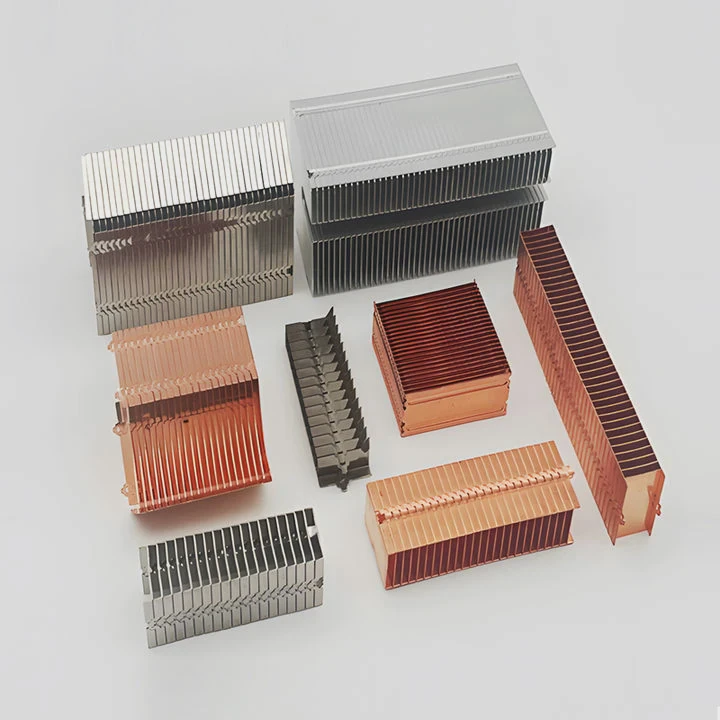
Not all thermal parts are tested one by one. Some go through batch tests or spot checks. But when it comes to vapor chambers — which rely on internal vacuum and sealed fluids — should every unit be tested?
Yes. Vapor chambers are typically tested individually to ensure leak integrity and thermal performance. Because failure inside a sealed unit cannot be fixed later, most manufacturers perform unit-level checks.
This article explains why individual testing is important, what tests are done per unit, and whether clients ask for 100% verification.
Is individual testing required for each Vapor Chamber?
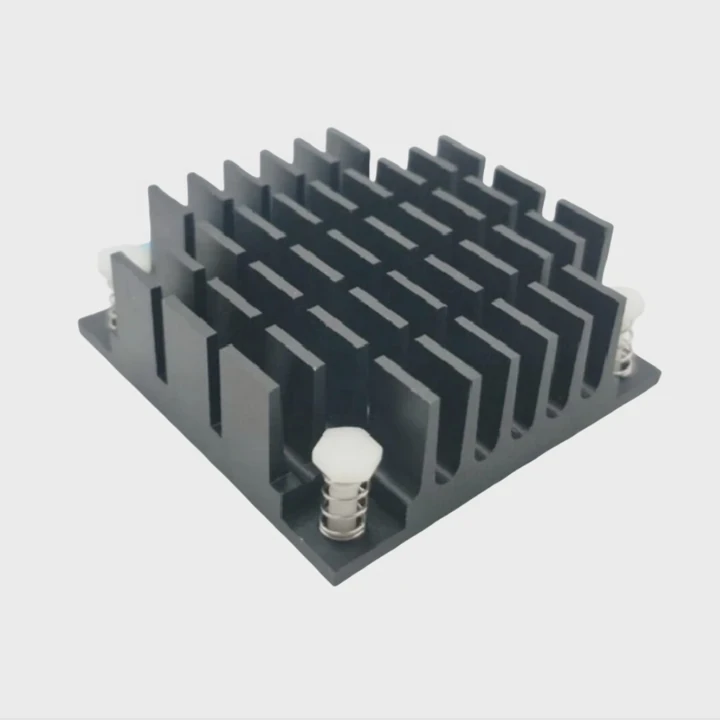
You can’t open a vapor chamber to check if it’s working. That means testing has to happen after sealing, before shipping. Is this done for every unit?
Yes. Each vapor chamber is tested individually to ensure vacuum sealing and internal function. Any leak or fill error makes the chamber useless, so every one must be verified.
The main reason: vapor chambers are sealed devices. If one unit has a weak weld or underfilled liquid, the entire heat transfer mechanism fails — even if the structure looks perfect.
Critical failure modes like:
- Microleaks
- Incomplete fluid charge
- Poor wick contact
- Internal contamination
…are invisible without testing. Therefore, most vapor chamber manufacturers perform unit-by-unit validation.
Common mandatory tests include:
- Leak integrity check
- Fluid fill confirmation
- Thermal performance (for selected applications)
In high-end applications like aerospace, medical, or automotive, 100% testing is often required by customer spec.
What tests are commonly done per unit?
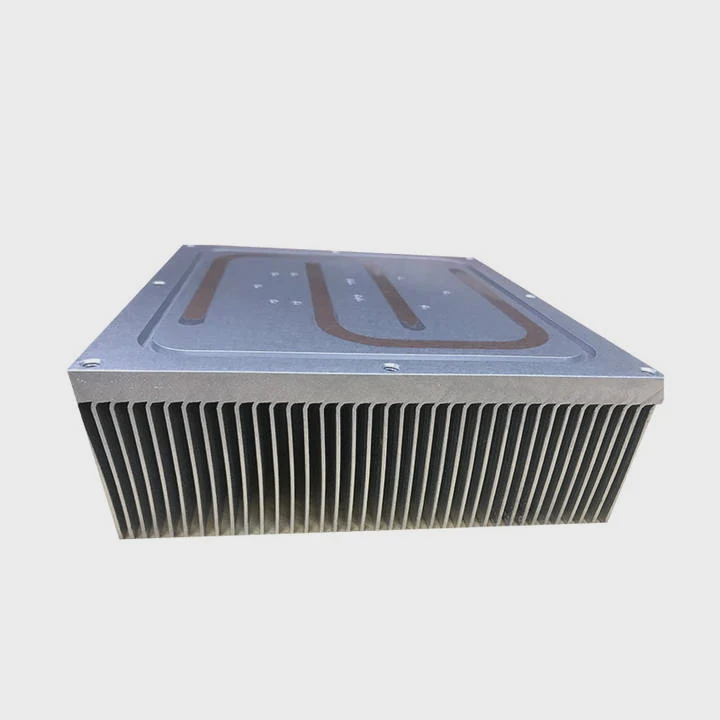
Testing every chamber adds time and cost. But since vapor chambers rely on precise vacuum and fluid control, skipping tests invites failure. So what gets tested?
The most common individual tests are leak detection and basic thermal function checks. Some high-reliability applications also require X-ray or helium tests.
| Test Type | Purpose | Test Method |
|---|---|---|
| Vacuum Leak Test | Ensure sealed environment | Helium leak detector, pressure decay |
| Thermal Conductance Test | Confirm heat transport ability | Heat source + temperature delta |
| Visual Flatness Check | Ensure surface quality | Contact flatness gauge |
| Weight Check | Verify fluid charge | Digital scale vs baseline |
Leak Detection
This is the most critical test. Leaks let air enter, stopping vapor flow. Two common methods:
- Helium Leak Testing: Highly sensitive, can detect microleaks <10^-9 mbar·L/s
- Pressure Decay or Bubble Test: Simpler, for mass production
Heat Transfer Check
Some manufacturers perform thermal spread tests using:
- A fixed heat input (e.g. 20–40W)
- Temperature sensors at multiple points
- Evaluation of ΔT across surface
This confirms the internal wick and fluid work as expected.
Fluid Charge Confirmation
Even small errors in fill rate can ruin performance. Weight check is a fast way to verify:
- Empty chamber weight known
- After fill and seal, final weight checked
- Deviations suggest underfill or overfill
So yes — these tests are commonly done per unit to confirm proper sealing and function.
Can batch testing replace individual checks?
For large volume production, testing every unit adds time. Some wonder if batch or sample testing could work — especially for low-end consumer gear.
Batch testing is possible for some low-risk applications, but individual testing is still standard for most vapor chamber production.
Batch testing involves:
- Testing 1–5% of each production lot
- Assuming same process results across all units
- Rejecting entire lot if sample fails
This method saves time, but only works when:
- Production process is highly stable
- Application is not critical (e.g., office laptops, mid-range devices)
- Cost is more important than reliability
However, even in consumer electronics, most vapor chamber suppliers still do at least leak checks per unit. This avoids high field return rates.
Pros & Cons Comparison:
| Test Type | Pros | Cons |
|---|---|---|
| Individual | High reliability, low risk | Higher cost, longer process |
| Batch | Faster, cheaper | Risk of undetected failures |
In high-volume cases, some use automated leak detection stations that test multiple units quickly, bridging the gap between full and batch testing.
For custom or critical parts, batch testing is usually not acceptable unless justified by strong process controls and customer approval.
Do clients request 100% tested Vapor Chambers?
Some buyers — especially in cost-sensitive markets — may accept minor risk. But others, especially in regulated industries, demand full traceability and unit testing.
Yes. Many clients, especially in aerospace, automotive, and industrial markets, request 100% tested vapor chambers. They often require test records, serial numbers, and pass/fail data per unit.
Clients may request:
- Leak test certificate per batch
- Thermal data logs for selected units
- X-ray scans for special shapes or welded structures
- Visual inspection records
For example:
| Client Sector | Testing Level Requested | Notes |
|---|---|---|
| Consumer Electronics | Leak test per unit | Some accept batch samples |
| Automotive (EV, ECU) | Leak + thermal test per unit | Traceability needed |
| Medical Devices | Full QA + documentation | Regulated testing environment |
| Aerospace/Defense | 100% helium + X-ray + cycle data | Critical system reliability |
So while not every client demands full data, many do. 100% testing builds trust and prevents warranty claims. Some even require joint FAT (Factory Acceptance Test) before shipment.
Conclusion
Vapor chambers are precision thermal devices that require strict quality control. Individual testing — especially for sealing and thermal performance — is widely practiced and often mandatory. While batch testing may fit low-risk cases, most clients expect unit-level checks to ensure performance, durability, and peace of mind.
TAGS
Latest Articles

Volume discount levels for heat sink orders?
Buyers often ask when heat sink prices start to drop with volume. Many worry they’re overpaying for small orders. This guide explains how B2B volume pricing works for thermal components. Heat sink
21 Dec,2025
Heat sink long-term supply contract options?
Many buyers want stable pricing and reliable delivery for heat sinks. But without a clear contract, risks grow over time. This article explores how to secure better long-term supply deals. Long-term
21 Dec,2025
Tooling cost for new heat sink profiles?
Many engineers struggle to understand why tooling for custom heat sinks costs so much. They worry about budgeting and production timelines. This article breaks down the cost drivers behind tooling.
21 Dec,2025
Heat sink custom sample process steps?
Sometimes, starting a custom heat sink project feels overwhelming—too many steps, too many unknowns, and too many risks. You want a sample, but not endless delays. The process for requesting and
20 Dec,2025
Standard B2B terms for heat sink payments?
When buyers and sellers in B2B heat sink markets talk about payment, many don’t fully understand what’s standard. This can lead to delayed orders, miscommunication, and even lost business
20 Dec,2025
Heat sink pricing factors for large orders?
Heat sinks are vital for many systems. When prices rise, projects stall and budgets break. This problem can hit teams hard without warning. Large order heat sink pricing depends on many factors. You
20 Dec,2025Related Articles
- Vapor Chamber reliability in field usage?
- Thermal expansion coefficient of Vapor Chamber?
- Can Vapor Chamber operate in high humidity?
- Vapor Chamber for solar energy systems?
- Does Vapor Chamber work with water cooling?
- Vapor Chamber optimization for CPU cooling?
- Vapor Chamber sample cost estimation?
- Export tax for Vapor Chamber to Europe?
- Can Vapor Chamber be air freighted?
- Vapor Chamber shipment tracking methods?
- Vapor Chamber carton packaging style?
- Required labels for Vapor Chamber export?
Author
Dr. Emily Chen
Chief AI Researcher
Leading expert in thermal dynamics and AI optimization with over 15 years of experience in data center efficiency research.
Categories
Latest Products






Recommend Categories
- Liquid cooling plate Manufacturer
- Industrial Heat Sink Manufacturer
- Standard Heat Sink Manufacturer
- Aluminum Heat Sink Manufacturer
- Copper Heat Sink Manufacturer
- Anodized Heatsink Manufacturer
- Stamping heat sink Manufacturer
- Die Casting Heatsink Manufacturer
- Soldering heat sink Manufacturer
- CNC Parts Manufacturer
Latest Products
- Wholesale Aluminum Radiator
- Water Cooling Plate Kit
- Water Cooling Heat Sink
- Water Cooling Heat Sink Kit
- Stainless Steel Water Distributor
- Server Water Cooling Plate Kit
- Server Liquid Cooling System
- Server Aluminum Cooling Kit
- S19 Full Cover Cooling Plate
- S19 Cooling Plate Kit
- S19 Aluminum Cooling Plate
Contact Expert
Have questions about this article? Reach out to our experts directly.