Minimum lead time for Vapor Chamber prototype?
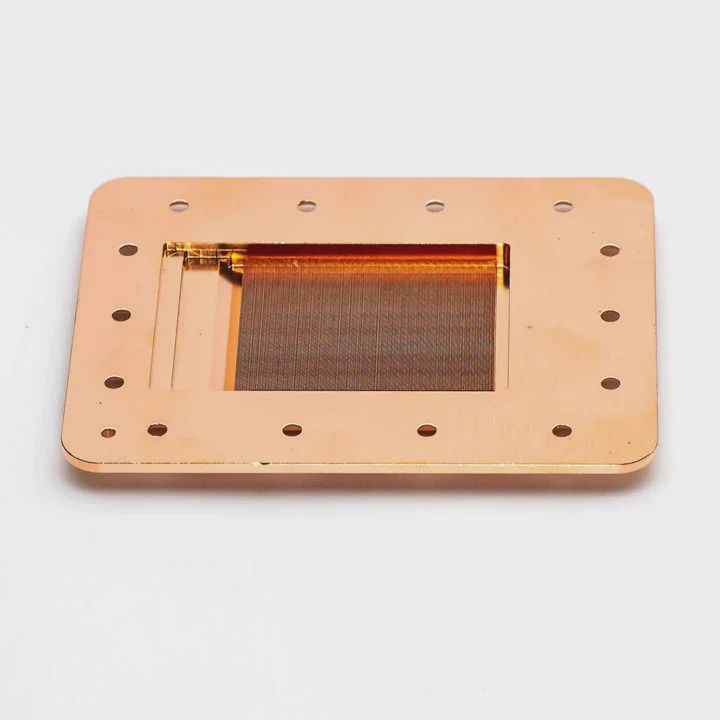
In fast-paced industries like electronics, EVs, and aerospace, speed matters. Development timelines are shrinking — and thermal engineers often ask: how soon can we get a vapor chamber prototype?
The minimum lead time for vapor chamber prototypes is typically 10–15 working days, depending on design complexity and production readiness. With standard tooling and fast-track support, it can be even shorter.
This article explains how lead times are determined, what factors delay or speed up delivery, and how to access urgent prototype services.
What is the shortest lead time for Vapor Chamber samples?
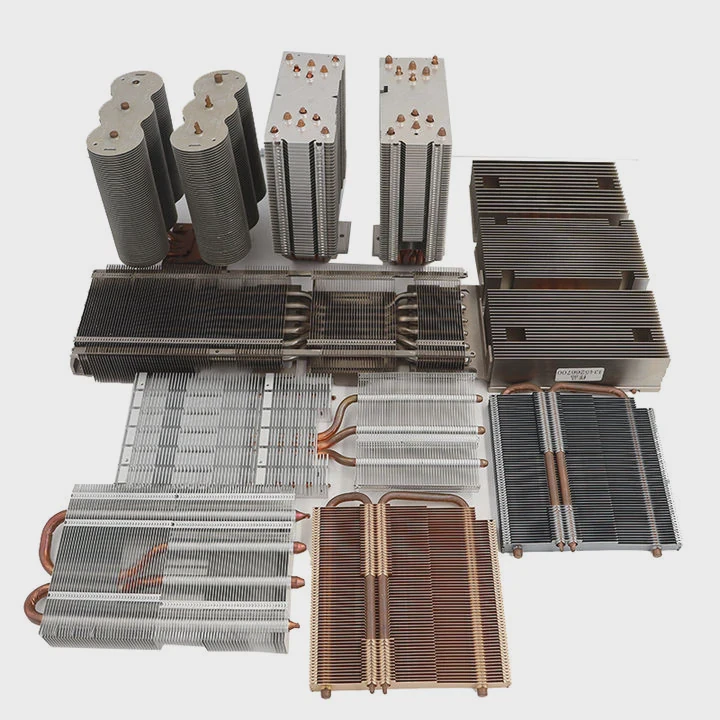
Every thermal project needs samples before mass production. But vapor chambers are precision-built, sealed systems — not off-the-shelf items.
The shortest practical lead time for vapor chamber prototypes is about 7–10 working days for simple, in-stock designs. For custom shapes or specs, 15–20 working days is more typical.
Here’s what influences minimum lead time:
| Design Type | Typical Lead Time (Working Days) |
|---|---|
| Standard flat plate (copper) | 7–10 |
| Custom size + simple wick | 12–15 |
| Curved / bent / L-shape | 15–20 |
| With CNC flange or hole cut | 18–25 |
Steps involved:
- Design confirmation and 2D drawing
- Tooling or fixture prep (if needed)
- Laser cutting or CNC for shell
- Wick preparation and cleaning
- Sealing and fluid fill
- Vacuum and leak test
- Final machining and flatness control
- Packaging and outbound logistics
If tooling already exists, some of these steps move faster. But for most first-time prototypes, 2–3 weeks is a realistic baseline.
Can lead time be reduced with standard tooling?
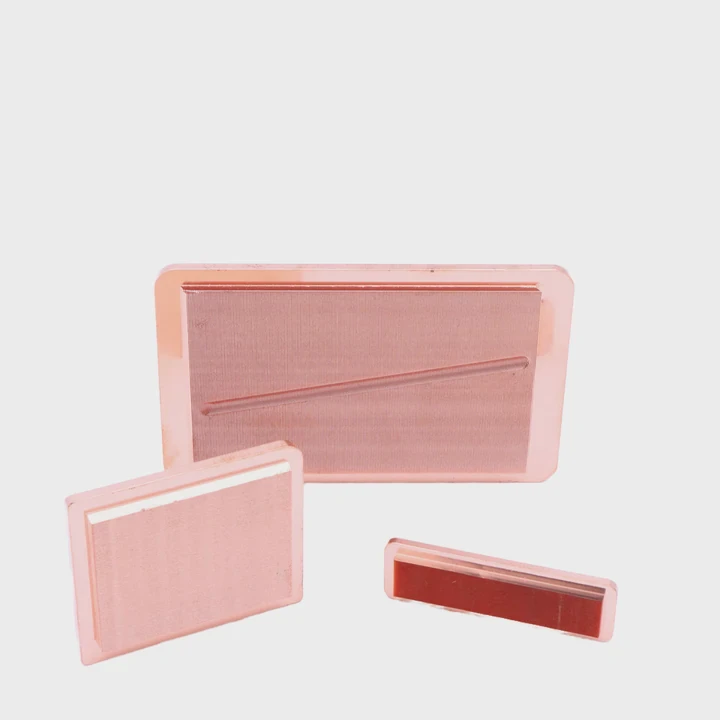
Tooling is often seen as the bottleneck in prototype schedules. But can reusing existing tools make things faster?
Yes. Using standard or previously-built tooling can significantly reduce vapor chamber prototype lead time — sometimes by 30–50%.
Tooling components include:
- Chamber shell die or laser file
- Assembly jigs and sealing fixtures
- Wick form mold
- Leak test mold
If your part matches:
- A standard size (e.g. 80×40 mm, 120×60 mm)
- Common thickness (1.5 mm or 2.5 mm)
- Simple flat design without holes or CNC slots
…then manufacturers can skip several setup steps.
| Tooling Status | Lead Time Impact |
|---|---|
| Existing internal tool | -3 to -5 days |
| Partial reuse | -1 to -2 days |
| Custom tool needed | +5 to +8 days |
So, if speed is the priority, ask your supplier:
- Do you have matching tooling in stock?
- Can we modify an existing tool?
- What tolerances are possible with standard forms?
Often, a small compromise on geometry or layout can save a full week on sampling.
Do design changes affect prototype delivery speed?

Engineers often tweak layouts after simulations or reviews. But what happens when a design is revised after sampling has begun?
Yes. Any design change — even small — can delay prototype delivery by days or weeks, depending on its timing and impact.
Key risk areas:
- Shell dimensions: Changes require re-cutting or re-CNC
- Wick structure: Needs different mold or layout
- Hole location or flange design: Affects sealing and machining
- Labeling or marking: May delay QA or shipping
If changes occur after sealing or welding, the chamber often must be scrapped and rebuilt.
| Change Stage | Impact on Lead Time |
|---|---|
| Before tooling | Minor (restarts clock) |
| After cutting | Moderate (+3–5 days) |
| After sealing | High (full remake needed) |
| After leak testing | Severe (near-final loss) |
Tips to avoid delays:
- Finalize all specs and drawings before order
- Confirm 3D/CAD compatibility with supplier early
- Use a drawing approval process with redlines
- Avoid mid-prototype changes unless critical
A stable design means faster samples — and a lower risk of error.
Is expedited prototyping available for urgent needs?
Sometimes, standard timelines just aren’t fast enough — like in design reviews, bid deadlines, or urgent reworks.
Yes. Many vapor chamber manufacturers offer expedited prototyping with 7-day turnaround — but it depends on design simplicity and factory capacity.
Fast-track services may include:
- Priority tooling slot
- Weekend production shift
- Air express logistics
- Dedicated QA processing
Conditions for expedited production:
- Simple flat design
- Supplier has raw materials in stock
- No exotic fluid or coating required
- Tolerance requirements are moderate (e.g. ±0.1 mm flatness)
| Expedited Option | Typical Result |
|---|---|
| Super-rush (5–7 days) | Limited to standard forms |
| Fast track (10 days) | Simple custom parts OK |
| Normal (15–20 days) | Full custom, standard process |
Extra charges usually apply (10–30% upcharge), and scheduling must be confirmed in advance.
Ask your supplier:
- Do you offer 7-day sampling?
- What design limits apply?
- Can you ship by FedEx/DHL express?
Fast-track prototyping can shave weeks off your design cycle — especially in fast-moving industries.
Conclusion
The minimum lead time for vapor chamber prototypes is typically 10–15 working days. Faster delivery is possible with existing tooling, stable design, and expedited service. Design changes and special features add time. By planning ahead and working closely with your supplier, you can get working vapor chamber samples in as little as 7 days.
TAGS
Latest Articles

Volume discount levels for heat sink orders?
Buyers often ask when heat sink prices start to drop with volume. Many worry they’re overpaying for small orders. This guide explains how B2B volume pricing works for thermal components. Heat sink
21 Dec,2025
Heat sink long-term supply contract options?
Many buyers want stable pricing and reliable delivery for heat sinks. But without a clear contract, risks grow over time. This article explores how to secure better long-term supply deals. Long-term
21 Dec,2025
Tooling cost for new heat sink profiles?
Many engineers struggle to understand why tooling for custom heat sinks costs so much. They worry about budgeting and production timelines. This article breaks down the cost drivers behind tooling.
21 Dec,2025
Heat sink custom sample process steps?
Sometimes, starting a custom heat sink project feels overwhelming—too many steps, too many unknowns, and too many risks. You want a sample, but not endless delays. The process for requesting and
20 Dec,2025
Standard B2B terms for heat sink payments?
When buyers and sellers in B2B heat sink markets talk about payment, many don’t fully understand what’s standard. This can lead to delayed orders, miscommunication, and even lost business
20 Dec,2025
Heat sink pricing factors for large orders?
Heat sinks are vital for many systems. When prices rise, projects stall and budgets break. This problem can hit teams hard without warning. Large order heat sink pricing depends on many factors. You
20 Dec,2025Related Articles
- Vapor Chamber export insurance requirements?
- Best FSC packaging for Vapor Chamber?
- Required labels for Vapor Chamber export?
- Vapor Chamber carton packaging style?
- Vapor Chamber shipment tracking methods?
- Can Vapor Chamber be air freighted?
- Can Vapor Chamber be shipped by courier?
- Vapor Chamber customs clearance process
- Vapor Chamber DDP shipping availability
- How to inspect delivered Vapor Chamber batch?
- Standard moisture protection for Vapor Chamber
- Installation tools needed for Vapor Chamber
Author
Dr. Emily Chen
Chief AI Researcher
Leading expert in thermal dynamics and AI optimization with over 15 years of experience in data center efficiency research.
Categories
Latest Products






Recommend Categories
- Liquid cooling plate Manufacturer
- Industrial Heat Sink Manufacturer
- Standard Heat Sink Manufacturer
- Aluminum Heat Sink Manufacturer
- Copper Heat Sink Manufacturer
- Anodized Heatsink Manufacturer
- Stamping heat sink Manufacturer
- Die Casting Heatsink Manufacturer
- Soldering heat sink Manufacturer
- CNC Parts Manufacturer
Latest Products
- Wholesale Aluminum Radiator
- Water Cooling Plate Kit
- Water Cooling Heat Sink
- Water Cooling Heat Sink Kit
- Stainless Steel Water Distributor
- Server Water Cooling Plate Kit
- Server Liquid Cooling System
- Server Aluminum Cooling Kit
- S19 Full Cover Cooling Plate
- S19 Cooling Plate Kit
- S19 Aluminum Cooling Plate
Contact Expert
Have questions about this article? Reach out to our experts directly.