What is better fan cooled or liquid cooled snowmobile?
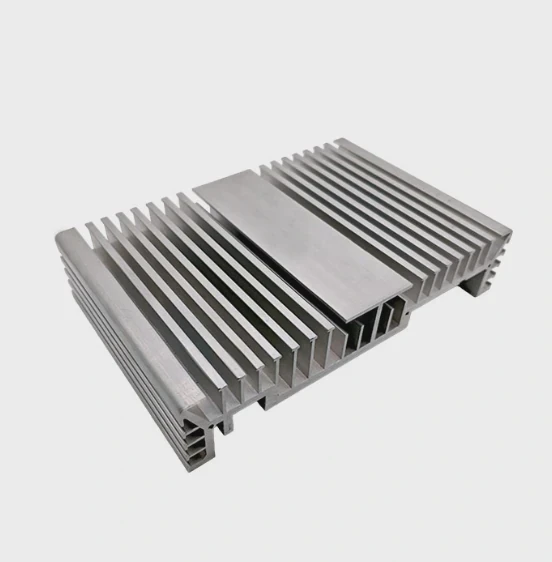
When choosing a snowmobile, many riders face the same question — should they pick a fan-cooled or liquid-cooled engine? The right answer depends on riding style, terrain, and personal preference.
Fan-cooled snowmobiles are simpler and lighter, while liquid-cooled ones offer better performance and temperature stability for high-speed or heavy-duty riding.
Both systems have clear strengths. Understanding how each works helps riders make a smarter decision before buying or upgrading a machine.
What is fan cooling and how does it work in snowmobiles?
Fan cooling has been used in snowmobiles for decades, especially in utility and entry-level models. Riders appreciate its simplicity and reliability in colder regions.
A fan-cooled snowmobile uses an air fan to pull cold air over the engine fins, carrying away excess heat without using liquid coolant.
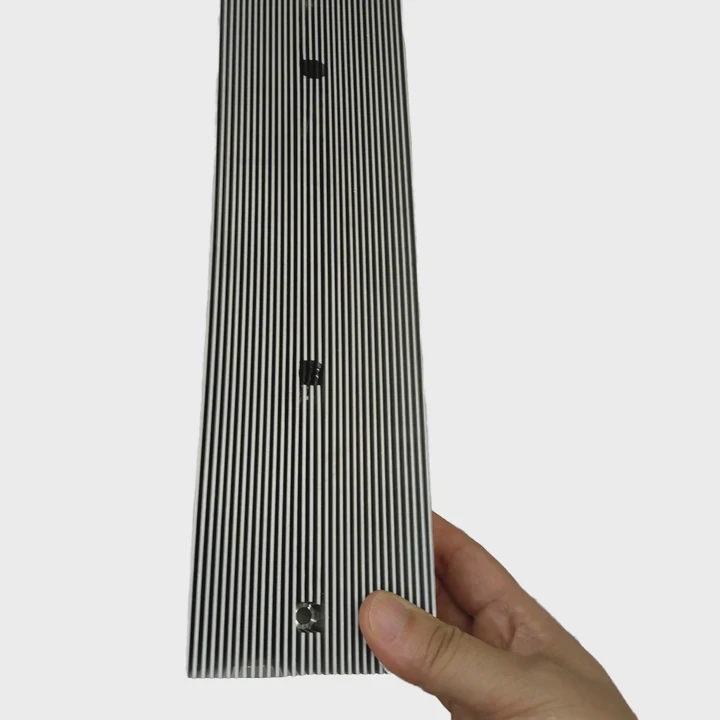
Fan cooling works by drawing in outside air through ducts or vents. A rotating fan pushes this air around the engine cylinders. The moving air absorbs heat from the metal fins, cooling the engine efficiently in most winter conditions.
How Fan Cooling Works – Step by Step
- The engine runs and generates heat during combustion.
- A mechanical fan driven by the crankshaft spins continuously.
- The fan moves air across the cooling fins on the engine cylinder.
- The heat transfers from the metal surface into the moving air.
- The warm air is released into the environment.
This type of cooling system is independent of snow or water sources. That’s why it works well in hard-packed trails, icy surfaces, or low-snow areas where liquid systems might overheat.
Advantages and Limitations of Fan Cooling
| Feature | Advantage | Limitation |
|---|---|---|
| Weight | Lighter design | Less efficient in extreme use |
| Maintenance | Easier to service | Fan belts may wear out |
| Terrain Adaptability | Works even with no snow | Limited cooling capacity |
| Reliability | Fewer parts, less risk of leaks | May overheat under load |
Fan-cooled snowmobiles are excellent for slow rides, short trips, or ice fishing. They don’t rely on snow dust to stay cool. However, when speed or climbing power increases, air cooling can struggle to maintain ideal temperatures. Overheating may reduce performance or engine life in these cases.
What are the benefits of liquid cooling in snowmobiles?
Many modern performance and mountain snowmobiles use liquid-cooled engines. Riders who push their machines in deep powder or on long trails prefer this system.
Liquid-cooled snowmobiles circulate coolant through the engine and radiator system, offering consistent temperature control even during hard acceleration or heavy loads.
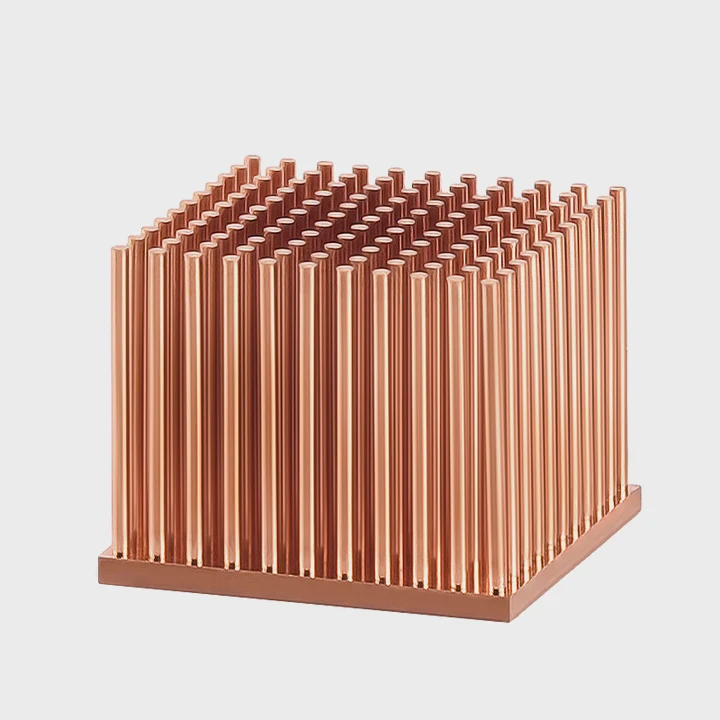
A liquid-cooled system includes a water pump, thermostat, coolant reservoir, and radiators (or heat exchangers). The coolant absorbs engine heat and transfers it to heat exchangers, where snow contact helps dissipate the energy. This setup prevents overheating, even under extreme pressure or long-distance riding.
Main Components of a Liquid Cooling System
| Component | Function |
|---|---|
| Water Pump | Circulates coolant through the engine |
| Thermostat | Regulates engine temperature |
| Heat Exchanger | Transfers heat to snow and air |
| Coolant Reservoir | Stores and expands coolant volume |
Key Benefits
- Stable Temperature Control: Keeps engine temperature within a narrow range.
- Higher Efficiency: Better combustion and fuel economy.
- Improved Longevity: Reduces wear on pistons and cylinders.
- Quiet Operation: Less mechanical noise compared to fan systems.
- Supports High Performance: Ideal for long rides and steep climbs.
However, liquid cooling adds complexity. It increases weight slightly, needs coolant checks, and can be harder to fix in remote areas. Leaks or pump failures may also cause trouble if not maintained properly.
Still, for performance-focused riders, the advantages often outweigh the drawbacks. The smooth and consistent power output of liquid cooling makes it the standard for most advanced models today.
How do you choose between fan cooled and liquid cooled snowmobiles?
Selecting the right cooling system depends on where and how the snowmobile will be used. Each type serves a different purpose and riding environment.
Choose a fan-cooled snowmobile for light, low-speed rides in moderate conditions, and a liquid-cooled one for fast, long, or demanding performance.
Terrain and Riding Style
| Riding Condition | Recommended Cooling Type | Why |
|---|---|---|
| Low-snow areas or lakes | Fan-cooled | Works even with no snow dust |
| Deep snow or mountain terrain | Liquid-cooled | Uses snow contact for better heat transfer |
| Trail touring or long-distance | Liquid-cooled | Keeps temperature stable for hours |
| Utility or short-distance work | Fan-cooled | Simple and reliable design |
Cost and Maintenance Factors
Fan-cooled machines usually cost less and require fewer repairs. They’re easier for beginners or those who use snowmobiles occasionally. Liquid-cooled systems, while pricier, give more performance per dollar for riders who push their limits.
My Experience Choosing Between Them
When I first started riding, I preferred a fan-cooled model for its light weight and simplicity. I used it for fishing trips and short trail rides. But as I moved to mountain riding, I switched to a liquid-cooled model. The stability in long climbs and smooth throttle response made a huge difference.
So, my advice is simple: if you ride slow and short, stay with a fan-cooled system; if you ride fast and long, go with liquid cooling.
What are the future trends in snowmobile cooling systems?
As snowmobiles evolve, cooling technology is also advancing. Manufacturers are improving both systems to balance performance, weight, and sustainability.
Future snowmobile cooling systems will combine liquid and air methods, use smart sensors, and adopt eco-friendly coolants for better efficiency.
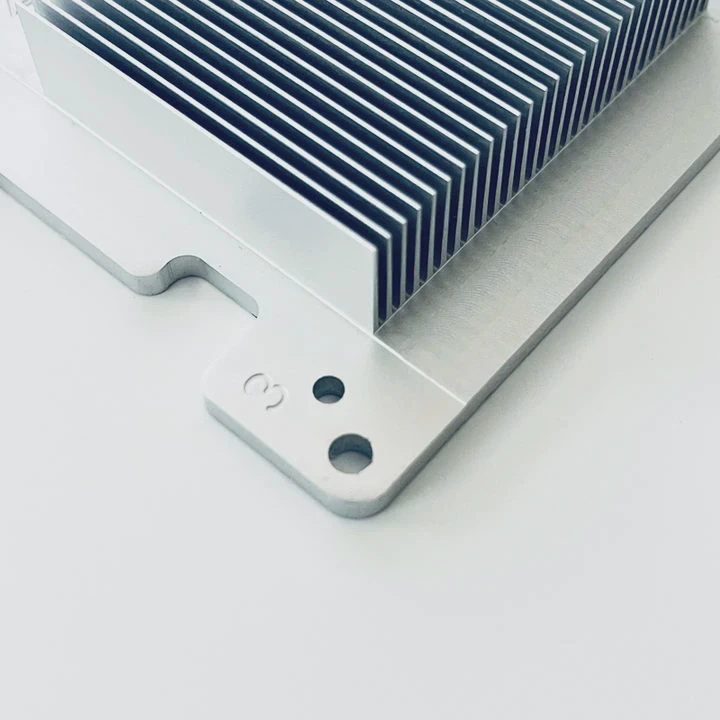
Hybrid Cooling Systems
Some next-generation snowmobiles already use hybrid cooling — combining fan and liquid methods. This setup improves reliability while reducing the risk of overheating when snow conditions vary. It also saves energy by using smaller pumps or fans that activate only when needed.
Smart Thermal Control
Advanced sensors will monitor engine heat in real-time. These systems can automatically adjust fan speed or coolant flow to optimize fuel efficiency. Integration with digital dashboards will also allow riders to track engine temperature more accurately.
Eco-Friendly Coolants and Materials
New coolant formulations reduce environmental impact. Recyclable aluminum heat exchangers and low-emission designs are becoming industry standards. These innovations also align with stricter global regulations and customer demand for sustainable products.
Lightweight and Modular Design
Engineers are using lightweight materials like aluminum composites to build efficient heat exchangers. These reduce total machine weight without sacrificing performance. Modular cooling modules will allow easier maintenance and customization for different riding styles.
As technology moves forward, snowmobiles will become smarter, cleaner, and more adaptable. Riders will enjoy improved reliability and smoother performance under any condition.
Conclusion
Choosing between fan-cooled and liquid-cooled snowmobiles depends on how and where you ride. Fan cooling offers simplicity and durability, while liquid cooling ensures performance and consistency. The future will likely bring a mix of both systems, giving riders the best of each world.
TAGS
Latest Articles

Volume discount levels for heat sink orders?
Buyers often ask when heat sink prices start to drop with volume. Many worry they’re overpaying for small orders. This guide explains how B2B volume pricing works for thermal components. Heat sink
21 Dec,2025
Heat sink long-term supply contract options?
Many buyers want stable pricing and reliable delivery for heat sinks. But without a clear contract, risks grow over time. This article explores how to secure better long-term supply deals. Long-term
21 Dec,2025
Tooling cost for new heat sink profiles?
Many engineers struggle to understand why tooling for custom heat sinks costs so much. They worry about budgeting and production timelines. This article breaks down the cost drivers behind tooling.
21 Dec,2025
Heat sink custom sample process steps?
Sometimes, starting a custom heat sink project feels overwhelming—too many steps, too many unknowns, and too many risks. You want a sample, but not endless delays. The process for requesting and
20 Dec,2025
Standard B2B terms for heat sink payments?
When buyers and sellers in B2B heat sink markets talk about payment, many don’t fully understand what’s standard. This can lead to delayed orders, miscommunication, and even lost business
20 Dec,2025
Heat sink pricing factors for large orders?
Heat sinks are vital for many systems. When prices rise, projects stall and budgets break. This problem can hit teams hard without warning. Large order heat sink pricing depends on many factors. You
20 Dec,2025Related Articles
- What is inside liquid cooling?
- What is liquid cooling CPU?
- What is Liquid Cooling Data Center?
- What is liquid cooling system in mobile?
- What is super cooled liquid?
- What is the difference between liquid cooled and air cooled?
- Heat Sink Manufacturer in Uruguay
- Heat Sink Manufacturer in Sri Lanka
- Heat Sink Manufacturer in Nepal
- Heat Sink Manufacturer in Madagascar
- Heat Sink Manufacturer in Jamaica
- Heat Sink Manufacturer in Korea
Author
Dr. Emily Chen
Chief AI Researcher
Leading expert in thermal dynamics and AI optimization with over 15 years of experience in data center efficiency research.
Categories
Latest Products






Recommend Categories
- Liquid cooling plate Manufacturer
- Industrial Heat Sink Manufacturer
- Standard Heat Sink Manufacturer
- Aluminum Heat Sink Manufacturer
- Copper Heat Sink Manufacturer
- Anodized Heatsink Manufacturer
- Stamping heat sink Manufacturer
- Die Casting Heatsink Manufacturer
- Soldering heat sink Manufacturer
- CNC Parts Manufacturer
Latest Products
- Wholesale Aluminum Radiator
- Water Cooling Plate Kit
- Water Cooling Heat Sink
- Water Cooling Heat Sink Kit
- Stainless Steel Water Distributor
- Server Water Cooling Plate Kit
- Server Liquid Cooling System
- Server Aluminum Cooling Kit
- S19 Full Cover Cooling Plate
- S19 Cooling Plate Kit
- S19 Aluminum Cooling Plate
Contact Expert
Have questions about this article? Reach out to our experts directly.