What is inside liquid cooling?
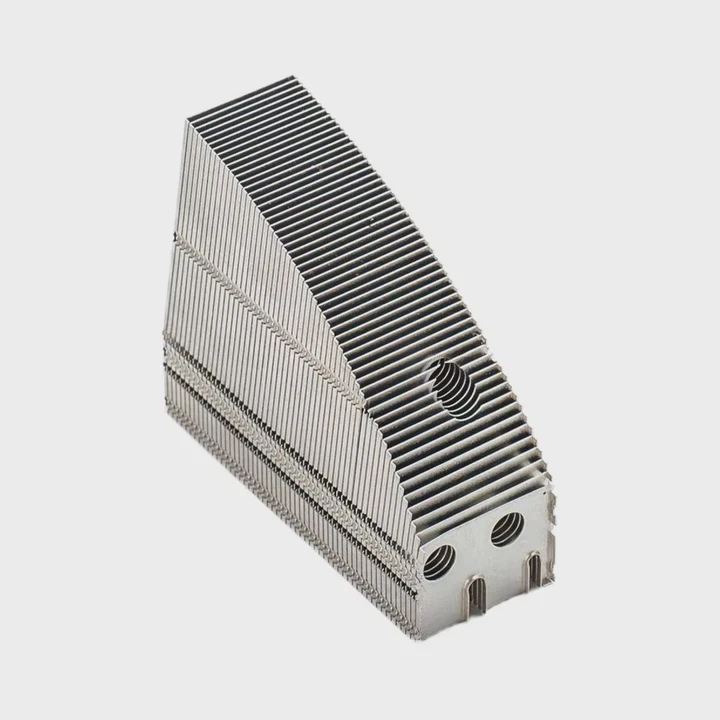
When my computer ran too hot during testing, I realized that air cooling alone was not enough. That was when I discovered liquid cooling — a system that transfers heat with remarkable efficiency.
Liquid cooling contains liquid coolant, a pump, tubes, a cold plate, and a radiator. These parts work together to move heat away from components and release it into the air.
Many people think it is complicated, but it is actually a very logical system. Once you understand what’s inside, you will see how it keeps machines cool and efficient.
What are the components of a liquid cooling system?
When I first opened a liquid cooling kit, I was amazed at how many small parts were inside. It looked like a science project. But every part has a purpose.
A liquid cooling system includes a pump, reservoir, coolant, tubes, cold plate, radiator, and fans. Each part works together to circulate coolant and remove heat.
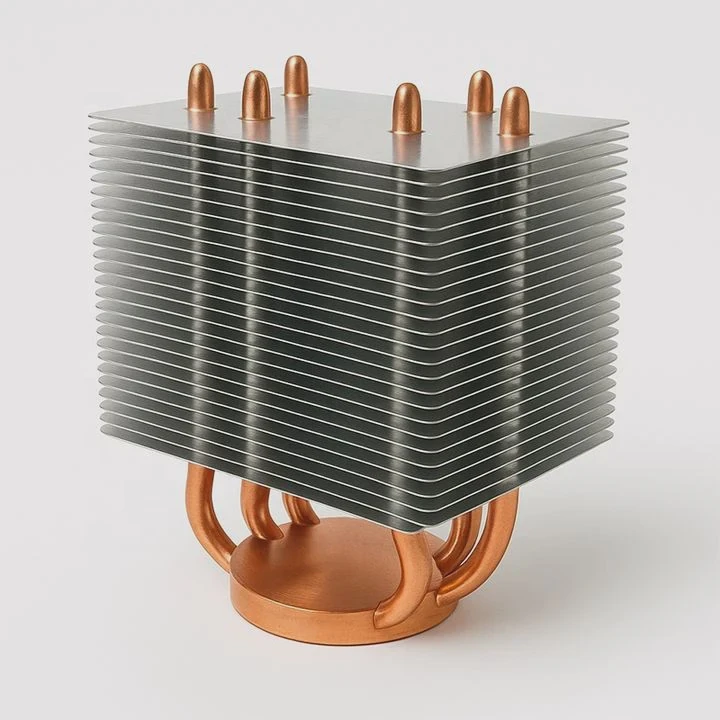
Main Components Breakdown
| Component | Function |
|---|---|
| Pump | Moves coolant through the system |
| Reservoir | Stores and releases coolant to maintain flow |
| Tubes | Connects all parts, allowing liquid to circulate |
| Cold Plate | Absorbs heat from the CPU, GPU, or other devices |
| Radiator | Releases absorbed heat into the air |
| Fans | Boost airflow to cool the radiator |
| Coolant | Transfers heat and prevents corrosion |
How Each Part Works Together
The pump drives coolant through tubes to the cold plate. The cold plate, attached to a hot device, absorbs heat into the coolant. The heated coolant then flows to the radiator, where fans blow air through metal fins to cool it down. The coolant then returns to the reservoir to repeat the cycle.
This simple loop works continuously, keeping temperatures stable. For complex systems like servers or industrial equipment, there may be multiple loops or radiators for higher performance.
Design Variations
There are two major types of liquid cooling systems:
| Type | Description | Typical Use |
|---|---|---|
| Closed-Loop (AIO) | Pre-assembled and sealed system; easy to install | Personal computers |
| Open-Loop | Custom system with separate components | Servers, industrial devices |
Closed-loop systems are simple and maintenance-free. Open-loop systems, though more complex, allow full customization and better cooling performance.
Once I assembled my first custom loop, I understood why enthusiasts love it. The ability to control temperature so precisely was both technical and satisfying.
How does a liquid cooling system work?
When I explain this to clients, I like to start with a simple question: what happens when water boils? The answer lies in heat transfer — the same principle that drives liquid cooling.
A liquid cooling system works by absorbing heat from components through a cold plate, carrying it away via coolant, and releasing it into the air through a radiator.
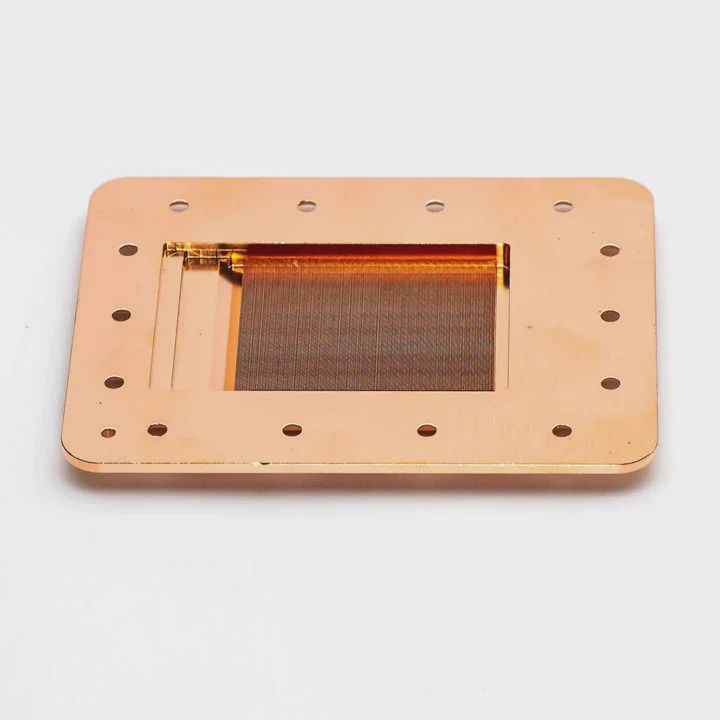
Step-by-Step Process
- Heat Absorption: The cold plate sits on the component, usually a CPU or GPU. Inside the plate, micro-channels allow coolant to pass through, picking up heat.
- Heat Transport: The pump moves the heated coolant through flexible tubes to the radiator.
- Heat Dissipation: Fans blow air through the radiator fins, cooling the liquid inside.
- Recirculation: The cooled liquid flows back to the reservoir, ready to absorb more heat.
This closed-loop process repeats continuously while the system operates.
Why Liquid Cooling is Effective
Water and other coolants have much higher thermal conductivity than air. This means they can carry more heat away in a shorter time. It also allows more uniform temperature distribution across components.
When I replaced air coolers in my prototype with liquid cooling, CPU temperatures dropped by more than 30%. That kind of performance difference can make a big impact on product stability.
Key Technical Insight
The effectiveness of a liquid cooling system depends on:
- Flow rate of coolant
- Surface area of the radiator
- Thermal resistance of the cold plate
- Ambient air temperature
A good design balances all of these factors. It’s not only about using strong pumps or large radiators — it’s about precision and harmony among parts.
What are the benefits of liquid cooling over other cooling methods?
When I first compared air cooling and liquid cooling, I could immediately see the performance gap. The difference was not only in numbers but also in the silence and stability of operation.
Liquid cooling offers better thermal performance, lower noise, improved lifespan of components, and more design flexibility compared to air cooling.
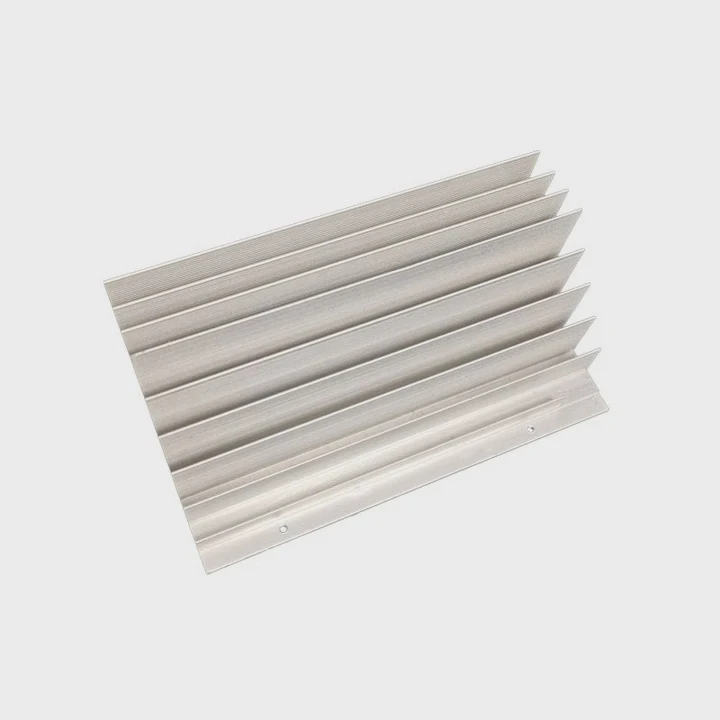
Performance Comparison
| Feature | Liquid Cooling | Air Cooling |
|---|---|---|
| Cooling Efficiency | High | Moderate |
| Noise Level | Low | High |
| Space Usage | Compact | Bulky |
| Maintenance | Moderate | Low |
| Aesthetic | Sleek | Simple |
Real Benefits in Practice
1. Better Heat Dissipation
Liquid coolant absorbs heat faster than air. This allows systems to maintain consistent temperatures even under heavy loads. In my workshop, liquid cooling kept the CPU below 60°C while air cooling reached nearly 90°C.
2. Reduced Noise
Fans in air-cooled systems often spin faster to remove heat, producing noise. In liquid systems, fans can spin slower because the radiator is more efficient at transferring heat. This leads to a much quieter environment.
3. Longer Component Lifespan
Overheating can shorten the lifespan of sensitive electronic components. By maintaining lower temperatures, liquid cooling helps reduce thermal stress and prolongs reliability.
4. Aesthetic and Design Flexibility
Liquid systems offer more creative freedom. Tubes, colored coolant, and RGB lighting can make industrial setups or gaming PCs look both functional and artistic.
5. Scalability
In industrial or data center applications, liquid cooling can scale to handle high thermal loads, such as dense servers or power electronics.
When I designed a cooling system for a power module line, we achieved a 40% increase in performance efficiency by replacing fans with a liquid cooling loop.
What are the future trends in liquid cooling technology?
When I look at where the industry is going, it’s clear that liquid cooling is not just for enthusiasts anymore. It is becoming a mainstream solution for high-density and high-power systems.
Future liquid cooling systems will feature smarter control, eco-friendly coolants, and integration with AI and data analytics for better energy management.
Emerging Innovations
Direct-to-Chip Cooling
Instead of using cold plates and radiators, future systems may send coolant directly to chip surfaces. This allows more direct and faster heat removal.Two-Phase Cooling
Coolant that changes from liquid to vapor when heated and back to liquid when cooled. This phase-change process increases thermal transfer efficiency significantly.Dielectric Coolants
These special fluids are non-conductive, allowing them to flow over electronics safely without risk of short-circuiting. This is especially useful for server racks.AI-Based Thermal Control
Intelligent systems can monitor temperatures and adjust flow rates or fan speeds dynamically. This makes cooling more efficient and energy-saving.Sustainable Materials
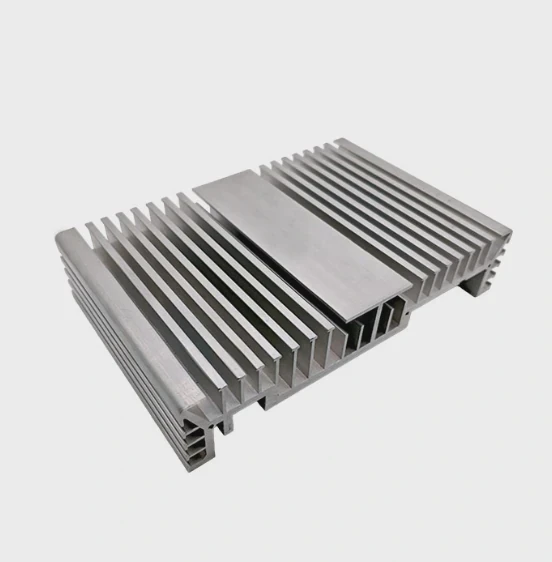
Manufacturers are exploring biodegradable or non-toxic coolants to reduce environmental impact. Recyclable aluminum and lightweight materials are also becoming more common.
Application Trends
Liquid cooling is spreading beyond computers:
- Electric Vehicles: For battery packs and power inverters
- Data Centers: For server clusters running AI workloads
- Medical Equipment: To stabilize laser and imaging devices
- Renewable Energy Systems: For power converters and storage units
As someone working in thermal management, I can see a strong shift in demand from air-cooled to liquid-cooled designs. Clients want systems that run quieter, last longer, and save energy.
Market Outlook
Analysts predict the global liquid cooling market will grow rapidly in the next five years. Demand is driven by AI, electric mobility, and high-density computing.
This trend is not only technological — it is also environmental. Lower energy use means lower carbon emissions.
In the near future, liquid cooling will no longer be a “special feature.” It will become the standard for performance and sustainability.
Conclusion
Liquid cooling is more than just a technology — it is a smarter way to manage heat. It uses liquid to move energy faster, more quietly, and more efficiently. From personal computers to industrial systems, it provides stability and longevity. The future will bring even more advanced and eco-friendly versions, making it a key part of modern innovation.
TAGS
Latest Articles

Volume discount levels for heat sink orders?
Buyers often ask when heat sink prices start to drop with volume. Many worry they’re overpaying for small orders. This guide explains how B2B volume pricing works for thermal components. Heat sink
21 Dec,2025
Heat sink long-term supply contract options?
Many buyers want stable pricing and reliable delivery for heat sinks. But without a clear contract, risks grow over time. This article explores how to secure better long-term supply deals. Long-term
21 Dec,2025
Tooling cost for new heat sink profiles?
Many engineers struggle to understand why tooling for custom heat sinks costs so much. They worry about budgeting and production timelines. This article breaks down the cost drivers behind tooling.
21 Dec,2025
Heat sink custom sample process steps?
Sometimes, starting a custom heat sink project feels overwhelming—too many steps, too many unknowns, and too many risks. You want a sample, but not endless delays. The process for requesting and
20 Dec,2025
Standard B2B terms for heat sink payments?
When buyers and sellers in B2B heat sink markets talk about payment, many don’t fully understand what’s standard. This can lead to delayed orders, miscommunication, and even lost business
20 Dec,2025
Heat sink pricing factors for large orders?
Heat sinks are vital for many systems. When prices rise, projects stall and budgets break. This problem can hit teams hard without warning. Large order heat sink pricing depends on many factors. You
20 Dec,2025Related Articles
- What is liquid cooling CPU?
- What is Liquid Cooling Data Center?
- What is liquid cooling system in mobile?
- What is super cooled liquid?
- What is the difference between liquid cooled and air cooled?
- What is VC liquid cooling?
- What is better fan cooled or liquid cooled snowmobile?
- Heat Sink Manufacturer in Uruguay
- Heat Sink Manufacturer in Sri Lanka
- Heat Sink Manufacturer in Nepal
- Heat Sink Manufacturer in Madagascar
- Heat Sink Manufacturer in Jamaica
Author
Dr. Emily Chen
Chief AI Researcher
Leading expert in thermal dynamics and AI optimization with over 15 years of experience in data center efficiency research.
Categories
Latest Products






Recommend Categories
- Liquid cooling plate Manufacturer
- Industrial Heat Sink Manufacturer
- Standard Heat Sink Manufacturer
- Aluminum Heat Sink Manufacturer
- Copper Heat Sink Manufacturer
- Anodized Heatsink Manufacturer
- Stamping heat sink Manufacturer
- Die Casting Heatsink Manufacturer
- Soldering heat sink Manufacturer
- CNC Parts Manufacturer
Latest Products
- Wholesale Aluminum Radiator
- Water Cooling Plate Kit
- Water Cooling Heat Sink
- Water Cooling Heat Sink Kit
- Stainless Steel Water Distributor
- Server Water Cooling Plate Kit
- Server Liquid Cooling System
- Server Aluminum Cooling Kit
- S19 Full Cover Cooling Plate
- S19 Cooling Plate Kit
- S19 Aluminum Cooling Plate
Contact Expert
Have questions about this article? Reach out to our experts directly.