What is liquid cooling system in mobile?
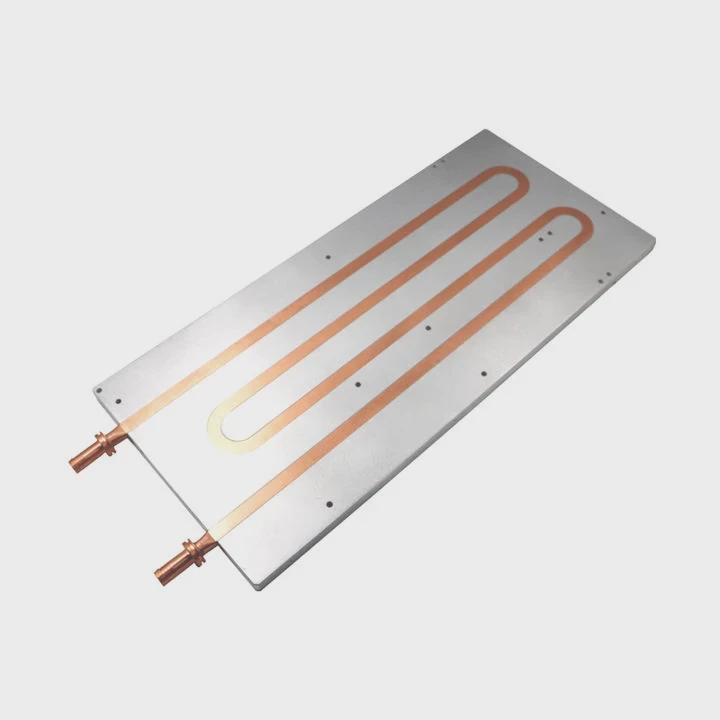
When your smartphone gets hot, performance drops fast. Apps lag, batteries drain faster, and gaming becomes frustrating.
A liquid cooling system in a mobile is a thermal management solution that uses a conductive liquid inside heat pipes or vapor chambers to transfer heat away from the processor, keeping the device cooler and more efficient.
It helps high-performance smartphones stay fast and stable, even under heavy use, like gaming or video recording.
How does liquid cooling work in mobile devices?
When phones heat up, it’s often because the CPU or GPU runs too hard. This is common during gaming, video editing, or 5G downloads.
Liquid cooling works by moving heat through a sealed vapor chamber or heat pipe that contains a small amount of liquid. The liquid absorbs heat, turns into vapor, moves to a cooler area, condenses back into liquid, and repeats the cycle to keep the phone cool.
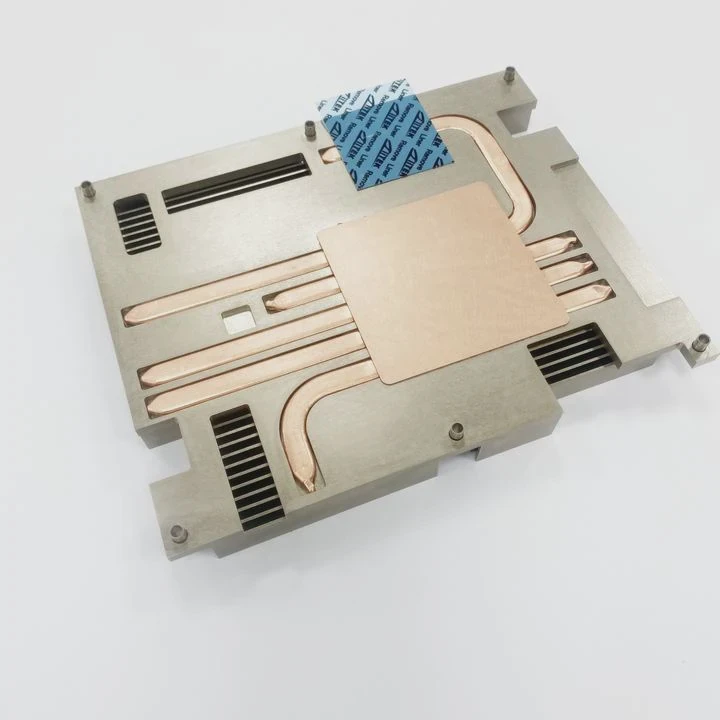
Step-by-step process
- Heat Absorption: When the chip generates heat, it warms the liquid inside the chamber.
- Evaporation: The liquid turns into vapor and moves toward the cooler area.
- Condensation: As vapor cools down, it turns back into liquid.
- Return Flow: The condensed liquid returns to the heat source through a wick structure.
This cycle repeats many times every second, maintaining a consistent temperature.
Key components of mobile liquid cooling
| Component | Function |
|---|---|
| Vapor chamber | Distributes heat evenly across the surface |
| Working fluid | Transfers heat via phase change (liquid ↔ vapor) |
| Wick structure | Returns condensed liquid to the heat source |
| Heat spreader | Helps move heat to the phone’s outer frame |
Why it matters
Without effective cooling, a phone’s processor will throttle performance to prevent overheating. That’s why liquid cooling is becoming standard in gaming phones and flagship models—it enables consistent speed and protects the device’s internal parts.
What are the benefits of liquid cooling in smartphones?
Every high-end smartphone today deals with heat challenges, especially during demanding tasks. Heat directly impacts battery health, processor performance, and even screen brightness.
The benefits of liquid cooling in smartphones include better performance, longer battery life, higher comfort, and extended component lifespan.
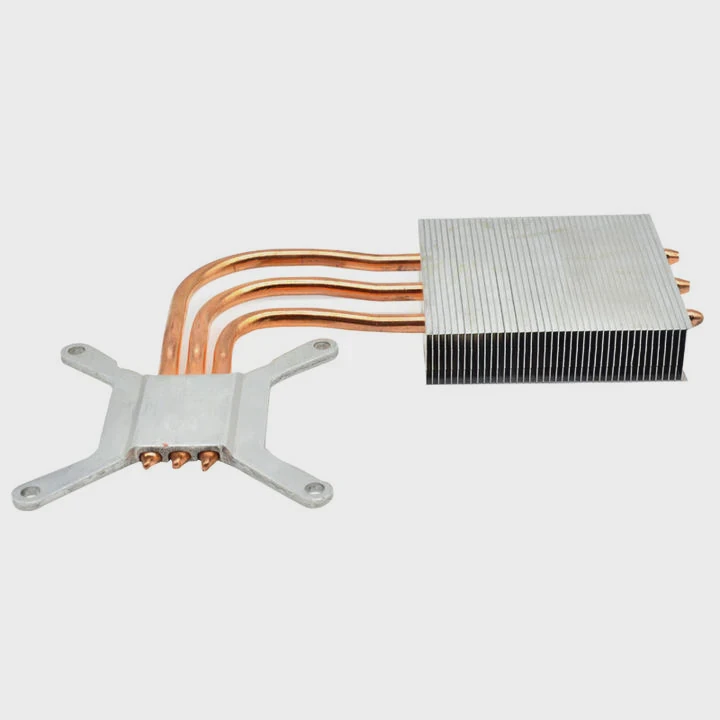
Major advantages explained
1. Stable performance
Liquid cooling prevents thermal throttling. When a phone stays cool, its processor can maintain high clock speeds longer, which means smoother gameplay and faster app performance.
2. Better battery efficiency
Heat accelerates battery degradation. A cooler battery means fewer chemical reactions that shorten battery life. This extends the number of charge cycles and maintains stable performance over time.
3. Improved comfort
If you’ve ever felt your phone getting uncomfortably hot during gaming or charging, liquid cooling helps prevent that. The heat is spread out evenly across the body, so the phone feels cooler to touch.
4. Component protection
Sensitive parts like memory chips, camera sensors, and modems work best within certain temperature ranges. Liquid cooling ensures they operate safely, improving durability and stability.
Comparison: Liquid cooling vs. conventional cooling
| Feature | Liquid Cooling | Air or Graphite Cooling |
|---|---|---|
| Heat transfer rate | High (due to phase change) | Moderate |
| Performance stability | Excellent | Moderate |
| Temperature uniformity | Very even | Uneven |
| Cost | Higher | Lower |
| Suitable for gaming | Yes | Limited |
Real-world difference
During stress tests, liquid-cooled phones often show 10–15°C lower temperatures than those using only graphite or air-based cooling. That’s a noticeable improvement for gamers and power users who care about frame rates and responsiveness.
When should I choose a liquid cooled mobile device?
Smartphones have become powerful enough to replace laptops in many scenarios. However, power always comes with heat.
You should choose a liquid-cooled mobile device if you use your phone for gaming, video editing, or heavy multitasking, or if you live in a hot climate.
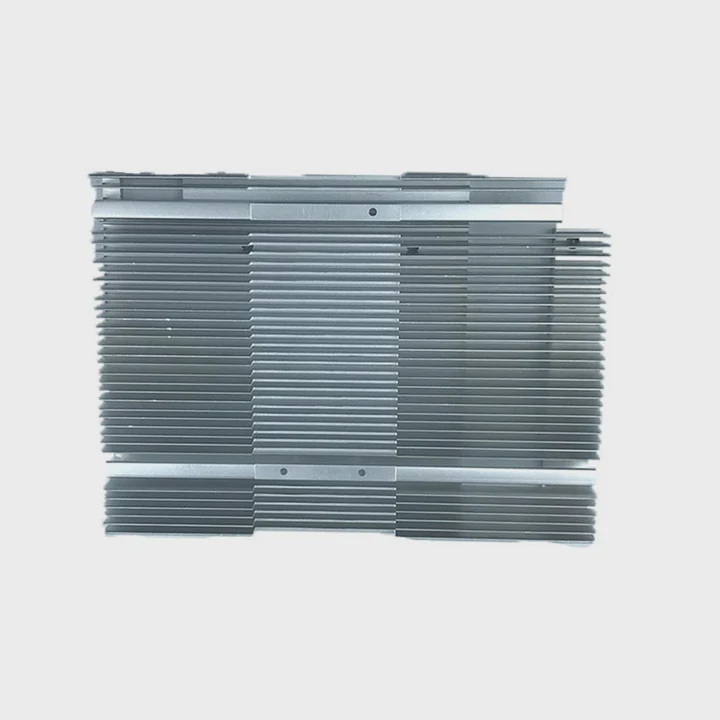
Signs you need liquid cooling
You play mobile games often.
Games use both the CPU and GPU intensively, creating sustained heat that only liquid cooling can handle effectively.You use 5G or do long video calls.
5G modems and high-resolution cameras create a lot of heat. Liquid cooling helps maintain smooth operation.You record 4K videos or edit photos frequently.
These tasks require high processing power and consistent thermal control.You charge your phone while using it.
Charging generates heat, and combining it with active usage can push temperatures higher than usual.You live in a warm region.
High ambient temperature makes passive cooling less effective. A liquid-cooled device provides extra stability.
Common use scenarios
| User Type | Recommended Cooling System |
|---|---|
| Casual user | Graphite or air cooling |
| Mobile gamer | Advanced liquid cooling |
| Professional content creator | Dual-layer vapor chamber |
| Business traveler | Hybrid cooling (liquid + graphite) |
Why I recommend it
In my personal experience, switching from a regular phone to a liquid-cooled model made gaming much smoother. The phone no longer throttled during long sessions, and even the metal frame felt cooler. The difference was clear, especially in summer.
What are the future trends in mobile liquid cooling?
The mobile industry keeps evolving. Chips get faster and thinner, but that also means heat density increases. Manufacturers must find smarter ways to handle heat without adding bulk.
The future of mobile liquid cooling lies in thinner vapor chambers, hybrid systems combining liquid and phase-change materials, and integration with AI-based temperature control.
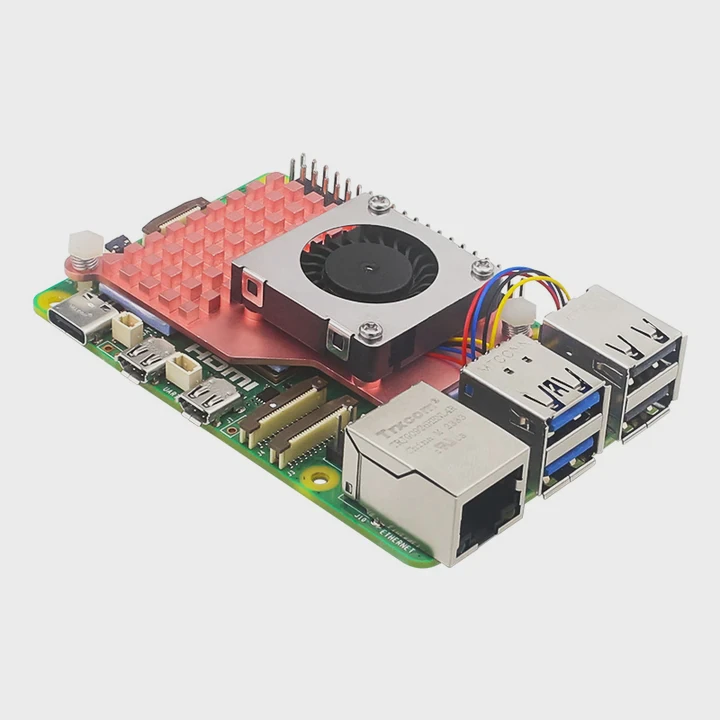
1. Ultra-thin vapor chambers
Modern smartphones are slimmer than ever. New designs use ultra-thin vapor chambers (below 0.3 mm) that deliver high thermal performance without affecting thickness or weight.
These chambers use advanced materials like graphene composites and micro-wick structures to move heat faster and more evenly.
2. Hybrid cooling systems
Future devices may mix liquid cooling, graphite sheets, and phase-change materials (PCM) in a single system. PCM stores heat during short bursts and releases it slowly over time. This improves stability for short, high-intensity tasks.
3. AI-driven thermal management
Artificial intelligence will optimize cooling dynamically. Instead of relying on fixed temperature thresholds, the system will learn your habits and predict thermal loads before they occur, adjusting fanless cooling performance accordingly.
4. Eco-friendly coolants
Manufacturers are moving away from traditional water or alcohol-based fluids toward non-toxic, biodegradable coolants. These new materials have lower vapor pressure, longer lifespan, and higher safety levels.
5. Integration with foldable and wearable devices
As foldable phones and AR devices become common, flexible cooling systems will emerge. Engineers are developing bendable vapor chambers that maintain liquid flow even when folded or bent, ensuring consistent performance across multiple surfaces.
What this means for users
The result will be thinner, lighter phones that stay cool even under 5G, gaming, and AI workloads. Liquid cooling will no longer be a luxury feature—it will be a necessity.
A quick look at ongoing innovations
| Trend | Description | Impact |
|---|---|---|
| Graphene-assisted vapor chambers | Combining graphene sheets with vapor cooling | Faster heat spread |
| Foldable vapor channels | Flexible structures for foldable phones | Better adaptability |
| AI temperature prediction | Smart adjustment of workload and cooling | More battery-efficient |
| PCM hybrid integration | Phase-change material to store heat | Improved short-term cooling |
Conclusion
Liquid cooling systems are transforming smartphones from simple tools into high-performance machines. They prevent overheating, improve efficiency, and protect components, all while keeping your phone comfortable to use. As mobile processors become more powerful, liquid cooling will soon be the standard feature every flagship device needs.
TAGS
Latest Articles

Volume discount levels for heat sink orders?
Buyers often ask when heat sink prices start to drop with volume. Many worry they’re overpaying for small orders. This guide explains how B2B volume pricing works for thermal components. Heat sink
21 Dec,2025
Heat sink long-term supply contract options?
Many buyers want stable pricing and reliable delivery for heat sinks. But without a clear contract, risks grow over time. This article explores how to secure better long-term supply deals. Long-term
21 Dec,2025
Tooling cost for new heat sink profiles?
Many engineers struggle to understand why tooling for custom heat sinks costs so much. They worry about budgeting and production timelines. This article breaks down the cost drivers behind tooling.
21 Dec,2025
Heat sink custom sample process steps?
Sometimes, starting a custom heat sink project feels overwhelming—too many steps, too many unknowns, and too many risks. You want a sample, but not endless delays. The process for requesting and
20 Dec,2025
Standard B2B terms for heat sink payments?
When buyers and sellers in B2B heat sink markets talk about payment, many don’t fully understand what’s standard. This can lead to delayed orders, miscommunication, and even lost business
20 Dec,2025
Heat sink pricing factors for large orders?
Heat sinks are vital for many systems. When prices rise, projects stall and budgets break. This problem can hit teams hard without warning. Large order heat sink pricing depends on many factors. You
20 Dec,2025Related Articles
- What is super cooled liquid?
- What is the difference between liquid cooled and air cooled?
- What is VC liquid cooling?
- What’s the Difference Between Air Cooled and Liquid Cooled?
- When to replace liquid cooling?
- Which phone has liquid cooling system?
- What is Liquid Cooling Data Center?
- What is liquid cooling CPU?
- What is inside liquid cooling?
- What is better fan cooled or liquid cooled snowmobile?
- Heat Sink Manufacturer in Uruguay
- Heat Sink Manufacturer in Sri Lanka
Author
Dr. Emily Chen
Chief AI Researcher
Leading expert in thermal dynamics and AI optimization with over 15 years of experience in data center efficiency research.
Categories
Latest Products






Recommend Categories
- Liquid cooling plate Manufacturer
- Industrial Heat Sink Manufacturer
- Standard Heat Sink Manufacturer
- Aluminum Heat Sink Manufacturer
- Copper Heat Sink Manufacturer
- Anodized Heatsink Manufacturer
- Stamping heat sink Manufacturer
- Die Casting Heatsink Manufacturer
- Soldering heat sink Manufacturer
- CNC Parts Manufacturer
Latest Products
- Wholesale Aluminum Radiator
- Water Cooling Plate Kit
- Water Cooling Heat Sink
- Water Cooling Heat Sink Kit
- Stainless Steel Water Distributor
- Server Water Cooling Plate Kit
- Server Liquid Cooling System
- Server Aluminum Cooling Kit
- S19 Full Cover Cooling Plate
- S19 Cooling Plate Kit
- S19 Aluminum Cooling Plate
Contact Expert
Have questions about this article? Reach out to our experts directly.