What Is the Difference Between Liquid-Cooled and Air-Cooled?
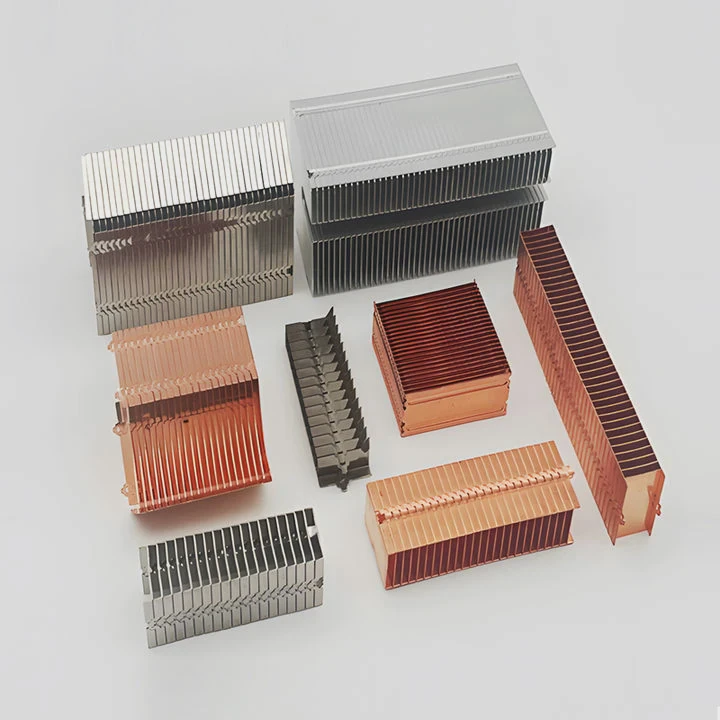
When building or upgrading a PC, one of the first questions is whether to use liquid or air cooling. Both systems aim to keep your CPU or GPU within safe temperatures, but they do so in very different ways.
The main difference is that liquid cooling transfers heat using fluid circulation, while air cooling relies on heat pipes and fans to dissipate heat directly into the air.
Understanding how each works helps you choose the best solution for your performance goals, budget, and case layout.
What Are Their Working Principles?
Cooling systems are built on the same foundation — heat must move away from the processor as fast as possible. However, their methods differ in how heat is carried and released.
Liquid cooling uses circulating coolant to move heat from the CPU to a radiator, while air cooling uses a heatsink and fans to move heat directly into the surrounding air.
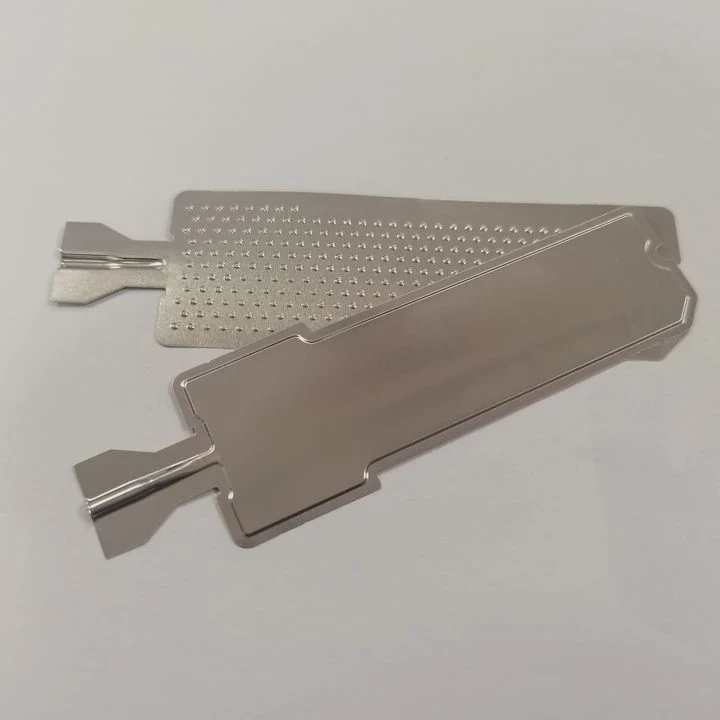
Working Principle of Air Cooling
- Heat Absorption:
A metal base (usually copper) sits on the CPU. Heat transfers from the CPU into this base.
- Heat Pipe Transfer:
Inside the heatsink, sealed heat pipes filled with vaporized liquid carry the heat upward.
- Air Dissipation:
Attached fans blow air across the aluminum fins, releasing heat into the case air.
- Cycle Repeat:
As the vapor cools, it condenses back into liquid and repeats the cycle.
Working Principle of Liquid Cooling
- Contact and Absorption:
The pump block’s copper plate absorbs heat from the CPU.
- Coolant Circulation:
The pump pushes heated liquid through tubes toward a radiator.
- Heat Dissipation:
Radiator fins and fans transfer the heat into the air.
- Return Flow:
The cooled liquid returns to the pump to absorb more heat.
Basic Comparison of Function
| Feature | Air Cooling | Liquid Cooling |
|---|---|---|
| Heat Transfer Medium | Metal and Air | Liquid Coolant |
| Cooling Area | Heatsink Fins | Radiator Fins |
| Energy Transfer Speed | Moderate | High |
| Typical Setup | Tower Cooler | AIO or Custom Loop |
Air coolers use simple physics and fewer parts, while liquid systems use thermodynamics for faster and more efficient heat removal.
What Are the Pros and Cons of Each?
Both cooling types have their strengths and weaknesses depending on user needs, space constraints, and thermal requirements.
Air coolers are cheaper and easier to install, while liquid coolers provide better thermal performance and quieter operation.
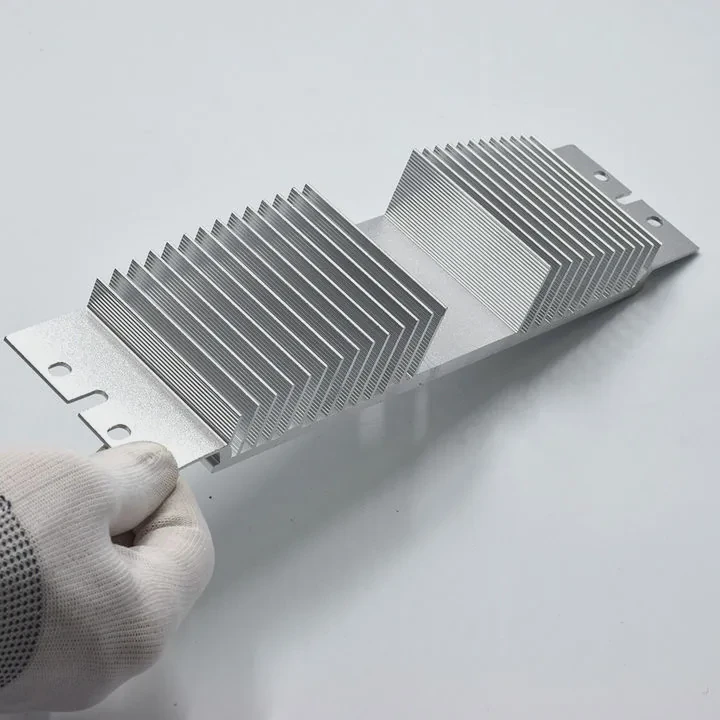
Advantages and Disadvantages
| Feature | Air Cooling | Liquid Cooling |
|---|---|---|
| Installation | Simple, quick | More steps, careful mounting |
| Cost | Lower (\(30–\)100) | Higher (\(80–\)300+) |
| Performance | Moderate | High to extreme |
| Noise | Louder under load | Quieter under load |
| Maintenance | None | Low to moderate |
| Risk | None | Small leak possibility |
| Size | Bulky in height | Flexible placement |
| Lifespan | Long (5–8 years) | Medium (3–5 years for AIO) |
Air Cooling Pros
- Affordable and reliable.
- No risk of liquid leaks.
- Simple installation and low maintenance.
- Excellent for budget and mid-range builds.
Air Cooling Cons
- Larger and heavier coolers may block RAM slots.
- Noisy under high load.
- Limited thermal performance for high-end CPUs.
Liquid Cooling Pros
- Superior thermal performance for overclocking.
- Quieter under load due to larger heat-dissipating surface.
- Aesthetically sleek and modern.
- Compact around CPU area.
Liquid Cooling Cons
- More expensive and complex to install.
- Potential for leaks (though rare).
- Slightly shorter lifespan due to pump wear.
Choosing between the two depends on your specific priorities — simplicity and cost versus silence and performance.
How to Choose Based on Performance and Cost?
The right choice depends on how you use your PC. High-end users with demanding workloads benefit more from liquid cooling, while everyday users can rely on quality air coolers.
Choose liquid cooling for high-performance or noise-sensitive setups, and air cooling for cost-effective, reliable systems with moderate thermal needs.
Choosing by Use Case
| User Type | Recommended Cooling | Reason |
|---|---|---|
| Office / General Use | Air Cooling | Affordable and maintenance-free |
| Gaming PC | 240mm or 280mm AIO | Better cooling for modern CPUs |
| Content Creator / Designer | 360mm AIO | Sustained thermal performance |
| Overclocker | Custom Loop | Extreme cooling and aesthetics |
| Compact Build (ITX) | Low-profile Air or Small AIO | Space-saving and efficient |
Performance vs Cost Analysis
- Budget under $100:
Air coolers like the Cooler Master Hyper 212 or DeepCool AK400 offer great value.
- Mid-range ($100–200):
AIO liquid coolers such as NZXT Kraken or Corsair H100i provide strong cooling with low noise.
- High-end ($250+):
Custom water loops deliver unmatched performance and visual customization.
Real-World Example
When I tested both systems on a gaming rig with a Ryzen 9 CPU, the AIO cooler lowered temperatures by about 12°C under full load and reduced fan noise by nearly 40%, but it cost twice as much. For everyday users, air cooling still offered solid performance for a fraction of the price.
What Are the Technological Trends in Cooling?
Cooling technology continues to evolve rapidly as CPUs and GPUs become more powerful and energy-dense. Manufacturers are finding ways to improve efficiency while reducing noise and complexity.
Current trends in cooling include hybrid cooling systems, AI-controlled fans, magnetic levitation pumps, liquid metal interfaces, and eco-friendly coolants.
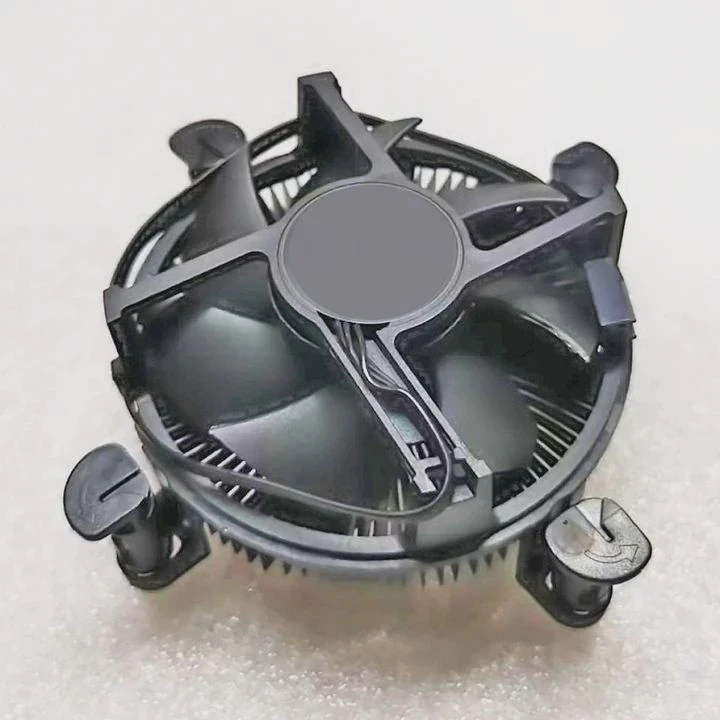
Key Trends in Modern Cooling
Hybrid Cooling Designs:
Combining liquid and air systems for optimal heat balance — some GPUs already feature this dual approach.AI-Controlled Cooling:
Smart systems that automatically adjust pump speed and fan curves based on temperature data.Advanced Materials:
Use of graphene and vapor chambers for faster heat dissipation and lower weight.Non-Conductive Coolants:
Next-generation fluids reduce the risk of electrical damage from leaks.Silent Operation Innovations:
Magnetic levitation and fluid dynamic bearing fans significantly reduce mechanical noise.
Cooling Evolution Timeline
| Era | Key Innovation | Result |
|---|---|---|
| 2010–2015 | Heat pipe air coolers | Improved cost efficiency |
| 2016–2019 | AIO liquid coolers | Higher performance adoption |
| 2020–2023 | Smart pump & fan control | Dynamic thermal management |
| 2024–Present | AI-assisted and hybrid systems | Maximum efficiency, minimal noise |
The Future of PC Cooling
We are moving toward self-regulating cooling ecosystems. These systems will automatically learn user behavior, predict workloads, and optimize thermal balance with minimal human input. AIO units may soon feature modular radiator extensions and wireless performance monitoring, offering flexibility and control beyond traditional limits.
Conclusion
Liquid and air cooling each have their place in modern PC building. Air coolers remain simple, reliable, and affordable, while liquid systems deliver quieter, superior performance for demanding workloads. With rapid innovation, both methods are improving — giving users more choices than ever for balancing cost, efficiency, and design.
TAGS
Latest Articles

Volume discount levels for heat sink orders?
Buyers often ask when heat sink prices start to drop with volume. Many worry they’re overpaying for small orders. This guide explains how B2B volume pricing works for thermal components. Heat sink
21 Dec,2025
Heat sink long-term supply contract options?
Many buyers want stable pricing and reliable delivery for heat sinks. But without a clear contract, risks grow over time. This article explores how to secure better long-term supply deals. Long-term
21 Dec,2025
Tooling cost for new heat sink profiles?
Many engineers struggle to understand why tooling for custom heat sinks costs so much. They worry about budgeting and production timelines. This article breaks down the cost drivers behind tooling.
21 Dec,2025
Heat sink custom sample process steps?
Sometimes, starting a custom heat sink project feels overwhelming—too many steps, too many unknowns, and too many risks. You want a sample, but not endless delays. The process for requesting and
20 Dec,2025
Standard B2B terms for heat sink payments?
When buyers and sellers in B2B heat sink markets talk about payment, many don’t fully understand what’s standard. This can lead to delayed orders, miscommunication, and even lost business
20 Dec,2025
Heat sink pricing factors for large orders?
Heat sinks are vital for many systems. When prices rise, projects stall and budgets break. This problem can hit teams hard without warning. Large order heat sink pricing depends on many factors. You
20 Dec,2025Related Articles
- Is liquid cooling quieter than air cooling?
- Why glass is called super cooled liquid?
- Does 5800X3D need liquid cooling?
- Does a liquid cooler need thermal paste?
- How to Install an AIO Liquid Cooler?
- What is water cooling liquid?
- When is liquid cooling necessary?
- How to cool liquid fast?
- Is PS5 liquid cooled?
- Is air-cooled or liquid-cooled better?
- What is better, air-cooled or liquid-cooled?
- How to add liquid cooling to GPU?
Author
Dr. Emily Chen
Chief AI Researcher
Leading expert in thermal dynamics and AI optimization with over 15 years of experience in data center efficiency research.
Categories
Latest Products






Recommend Categories
- Liquid cooling plate Manufacturer
- Industrial Heat Sink Manufacturer
- Standard Heat Sink Manufacturer
- Aluminum Heat Sink Manufacturer
- Copper Heat Sink Manufacturer
- Anodized Heatsink Manufacturer
- Stamping heat sink Manufacturer
- Die Casting Heatsink Manufacturer
- Soldering heat sink Manufacturer
- CNC Parts Manufacturer
Latest Products
- Wholesale Aluminum Radiator
- Water Cooling Plate Kit
- Water Cooling Heat Sink
- Water Cooling Heat Sink Kit
- Stainless Steel Water Distributor
- Server Water Cooling Plate Kit
- Server Liquid Cooling System
- Server Aluminum Cooling Kit
- S19 Full Cover Cooling Plate
- S19 Cooling Plate Kit
- S19 Aluminum Cooling Plate
Contact Expert
Have questions about this article? Reach out to our experts directly.