What is Liquid Cooling Data Center?
The demand for faster computing and denser servers is rising quickly. But as power increases, so does heat. This is the problem that liquid cooling data centers are built to solve.
A liquid cooling data center uses liquids like water or dielectric fluids to absorb and remove heat from IT equipment, instead of relying on traditional air cooling systems.
As computing density continues to grow, more operators are switching to liquid cooling because it offers higher efficiency, better temperature control, and lower energy use. Let’s explore how it works, why it matters, and what the future holds for this technology.
What is Liquid Cooling in Data Centers and How Does It Work?
High-performance servers and GPUs create extreme heat. Traditional air cooling can no longer keep up. That’s why many facilities are turning to liquid-based systems.
Liquid cooling in data centers uses water or non-conductive fluids to transfer heat directly from electronic components through pipes, cold plates, or immersion tanks.
How the System Works
In a liquid cooling setup, heat is absorbed at the component level, usually from CPUs, GPUs, or memory modules. The process follows these main steps:
- Heat absorption: A coolant flows through a cold plate attached to the processor.
- Heat transport: The warmed fluid is pumped away through a closed-loop system.
- Heat rejection: The heat is released into a heat exchanger or external cooling tower.
- Recirculation: The cooled liquid returns to absorb more heat.
Types of Liquid Cooling
| Type | Description | Application |
|---|---|---|
| Direct-to-Chip Cooling | Coolant flows through microchannels near the chip surface. | High-density racks, HPC servers |
| Immersion Cooling | Hardware is fully immersed in dielectric fluid. | Edge computing, AI servers |
| Rear-Door Heat Exchanger | Liquid-cooled door replaces standard rack door. | Retrofits in existing data centers |
Each method has unique advantages. Immersion cooling, for instance, eliminates fans completely. Direct-to-chip cooling, on the other hand, is easier to integrate into traditional rack layouts.
Why It Matters
Liquid cooling reduces the reliance on energy-intensive CRAC (Computer Room Air Conditioning) units. It allows servers to run hotter without throttling. This means more computing power per square meter, with less wasted energy.
What Are the Benefits of Liquid Cooling for Data Centers?
Hot spots, fan noise, and rising energy bills are some of the biggest issues with air-cooled data centers. Operators are now seeing liquid cooling as a practical solution.
The main benefits of liquid cooling are higher energy efficiency, greater density, reduced noise, and longer equipment lifespan.
Key Advantages
1. Higher Energy Efficiency
Liquid absorbs heat much faster than air—about 3,000 times more efficient. This allows facilities to reduce their overall power usage effectiveness (PUE) ratio. Many liquid-cooled sites achieve PUEs near 1.1 compared to 1.6–2.0 in air-cooled setups.
2. Higher Server Density
With liquid cooling, operators can pack more CPUs or GPUs in smaller spaces without worrying about overheating. This is especially useful in AI, big data, and HPC workloads.
3. Lower Noise and Vibration
Since liquid systems often remove or reduce fans, they create quieter data halls. This helps in sensitive environments like research labs or edge sites located near populated areas.
4. Extended Equipment Life
Stable thermal conditions prevent components from expanding or contracting too much. Over time, this reduces mechanical stress and failure rates.
5. Reduced Water and Energy Use
Even though it uses liquid, modern systems are designed as closed loops, meaning minimal water loss and reduced energy waste.
Comparative Table: Air vs. Liquid Cooling
| Feature | Air Cooling | Liquid Cooling |
|---|---|---|
| Efficiency | Moderate | Very High |
| Cooling Density | Limited | Extremely High |
| Maintenance | Frequent filter changes | Minimal |
| Noise Level | High | Low |
| Initial Cost | Low | Medium to High |
| Long-Term Cost | High (due to energy) | Lower |
By reducing operational expenses and improving sustainability metrics, liquid cooling is becoming a key competitive factor for modern data centers.
How Do You Implement Liquid Cooling in a Data Center?
Adopting liquid cooling isn’t a simple swap from air to water. It requires planning, compatibility checks, and infrastructure upgrades.
To implement liquid cooling, operators must assess heat loads, choose a cooling type, install coolant distribution units (CDUs), and integrate monitoring and safety systems.
Step 1: Assess the Cooling Demand
Before anything else, measure the heat output per rack and per server. High-performance computing clusters or GPU-heavy systems benefit most.
Step 2: Select a Cooling Method
Choose between:
- Direct-to-chip: Ideal for existing rack systems.
- Immersion cooling: Better for new builds or AI-focused workloads.
- Rear-door heat exchangers: Suitable for hybrid setups.
Step 3: Plan Infrastructure Integration
Liquid systems need plumbing for coolant supply and return lines. They also require a CDU, which manages flow rate, temperature, and pressure. The CDU acts as the heart of the liquid network.
Step 4: Ensure Safety and Redundancy
Use non-conductive fluids where possible. Install leak detection sensors and emergency shut-off valves. Redundancy should be built into both cooling and power circuits.
Step 5: Monitor and Optimize
A liquid-cooled data center must have continuous monitoring for temperature, flow rate, and coolant quality. Software tools can predict failures or inefficiencies before they happen.
Step 6: Train the Operations Team
Maintenance teams must understand fluid chemistry, component compatibility, and response protocols in case of leaks or pump failures.
Implementation Challenges
Even though the technology is efficient, adoption barriers remain:
- Higher upfront cost
- Design complexity
- Limited expertise in fluid systems
- Compatibility with legacy IT hardware
However, as vendors now offer pre-integrated solutions, the process is becoming easier. For example, some modular data centers now come with immersion-ready racks.
What Are the Future Trends in Data Center Cooling Technologies?
The next generation of data centers will demand cooling systems that are smarter, greener, and more adaptable.
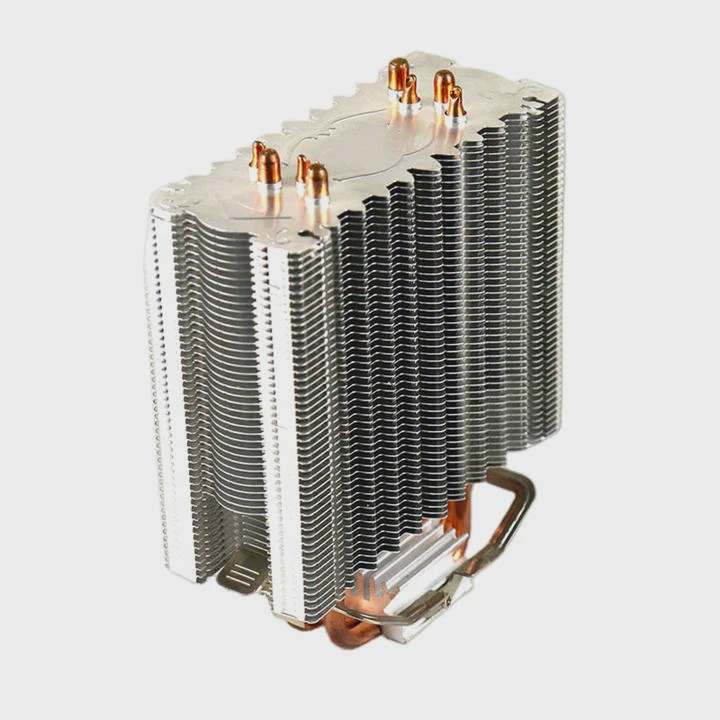
Future data center cooling will combine AI-driven optimization, hybrid liquid-air systems, and eco-friendly coolants to achieve sustainable performance at scale.
Trend 1: AI and Automation in Cooling Management
AI will monitor real-time temperatures and adjust flow rates or pump speeds automatically. Machine learning models will predict hotspots and prevent thermal spikes before they happen.
Trend 2: Hybrid Cooling Systems
Some future designs will blend air and liquid cooling. For example, CPUs might use direct-to-chip cooling while storage and networking components stay air-cooled. This hybrid method balances efficiency and cost.
Trend 3: Eco-Friendly Fluids
Next-generation coolants will use biodegradable and non-toxic materials. Dielectric fluids will become safer and easier to handle, reducing environmental impact.
Trend 4: Modular and Edge Cooling
As edge computing expands, compact liquid cooling modules will appear in remote areas with limited airflow. These self-contained systems will use phase-change materials and sealed cooling loops.
Trend 5: Heat Reuse Systems
Waste heat from data centers will be repurposed to warm nearby buildings or generate steam for energy recovery. This concept, already piloted in Nordic countries, turns data centers into part of a circular energy ecosystem.
Trend 6: Standardization and Interoperability
The industry is working toward shared standards for fittings, fluids, and monitoring interfaces. This will simplify integration and reduce costs across vendors.
Trend 7: Immersion Cooling for AI and Quantum Computing
AI and quantum workloads produce extreme heat densities. Immersion cooling will be key for maintaining stable operation in these advanced environments.
Why These Trends Matter
As data generation doubles every few years, traditional air cooling simply cannot scale. Liquid cooling and its future variants will play a critical role in maintaining both performance and sustainability goals.
Conclusion
Liquid cooling data centers represent the future of efficient computing. They use smart fluid systems to manage heat where air cooling fails. With benefits like high density, low energy use, and environmental sustainability, this technology is shaping the backbone of next-generation digital infrastructure.
TAGS
Latest Articles

Volume discount levels for heat sink orders?
Buyers often ask when heat sink prices start to drop with volume. Many worry they’re overpaying for small orders. This guide explains how B2B volume pricing works for thermal components. Heat sink
21 Dec,2025
Heat sink long-term supply contract options?
Many buyers want stable pricing and reliable delivery for heat sinks. But without a clear contract, risks grow over time. This article explores how to secure better long-term supply deals. Long-term
21 Dec,2025
Tooling cost for new heat sink profiles?
Many engineers struggle to understand why tooling for custom heat sinks costs so much. They worry about budgeting and production timelines. This article breaks down the cost drivers behind tooling.
21 Dec,2025
Heat sink custom sample process steps?
Sometimes, starting a custom heat sink project feels overwhelming—too many steps, too many unknowns, and too many risks. You want a sample, but not endless delays. The process for requesting and
20 Dec,2025
Standard B2B terms for heat sink payments?
When buyers and sellers in B2B heat sink markets talk about payment, many don’t fully understand what’s standard. This can lead to delayed orders, miscommunication, and even lost business
20 Dec,2025
Heat sink pricing factors for large orders?
Heat sinks are vital for many systems. When prices rise, projects stall and budgets break. This problem can hit teams hard without warning. Large order heat sink pricing depends on many factors. You
20 Dec,2025Related Articles
- What is liquid cooling system in mobile?
- What is super cooled liquid?
- What is the difference between liquid cooled and air cooled?
- What is VC liquid cooling?
- What’s the Difference Between Air Cooled and Liquid Cooled?
- When to replace liquid cooling?
- What is liquid cooling CPU?
- What is inside liquid cooling?
- What is better fan cooled or liquid cooled snowmobile?
- Heat Sink Manufacturer in Uruguay
- Heat Sink Manufacturer in Sri Lanka
- Heat Sink Manufacturer in Nepal
Author
Dr. Emily Chen
Chief AI Researcher
Leading expert in thermal dynamics and AI optimization with over 15 years of experience in data center efficiency research.
Categories
Latest Products






Recommend Categories
- Liquid cooling plate Manufacturer
- Industrial Heat Sink Manufacturer
- Standard Heat Sink Manufacturer
- Aluminum Heat Sink Manufacturer
- Copper Heat Sink Manufacturer
- Anodized Heatsink Manufacturer
- Stamping heat sink Manufacturer
- Die Casting Heatsink Manufacturer
- Soldering heat sink Manufacturer
- CNC Parts Manufacturer
Latest Products
- Wholesale Aluminum Radiator
- Water Cooling Plate Kit
- Water Cooling Heat Sink
- Water Cooling Heat Sink Kit
- Stainless Steel Water Distributor
- Server Water Cooling Plate Kit
- Server Liquid Cooling System
- Server Aluminum Cooling Kit
- S19 Full Cover Cooling Plate
- S19 Cooling Plate Kit
- S19 Aluminum Cooling Plate
Contact Expert
Have questions about this article? Reach out to our experts directly.