What is in a liquid CPU cooler?
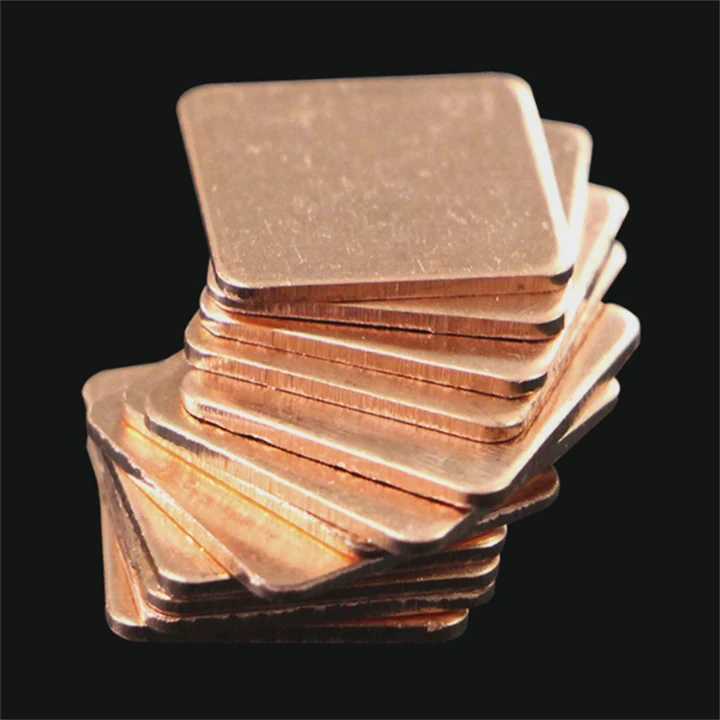
Many people see a liquid CPU cooler and think it is complex. It looks like a small engine inside a computer. But every part has a clear purpose that makes cooling efficient and quiet.
A liquid CPU cooler includes a water block, pump, tubing, radiator, fans, and coolant—all working together to move heat away from the processor.
Each piece contributes to a stable and silent system. Understanding these parts helps you maintain performance and avoid problems later.
What are the components of a liquid cooler?
At first glance, liquid coolers may look like a sealed unit. But inside, each component plays a precise role in heat transfer.
The main components are the water block, pump, radiator, fans, tubing, reservoir, and coolant. Together, they form a closed cooling loop.
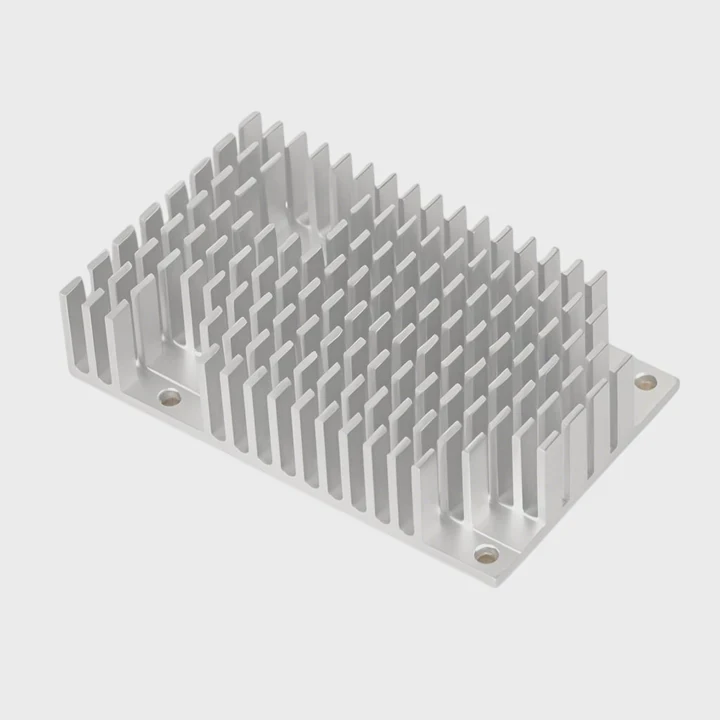
When I first built a PC with liquid cooling, I was surprised by how smoothly the parts worked together. Each one had a specific task in removing heat from the CPU and releasing it into the air.
Main components explained
| Component | Function | Key Material |
|---|---|---|
| Water block | Absorbs heat from the CPU | Copper or aluminum |
| Pump | Moves coolant through the system | Ceramic or magnetic motor |
| Radiator | Transfers heat from coolant to air | Aluminum fins |
| Fans | Push air through the radiator | Plastic, PWM-controlled |
| Tubing | Connects all parts | Rubber, PVC, or braided nylon |
| Reservoir | Stores extra coolant | Acrylic or plastic |
| Coolant | The working fluid | Water, glycol, or dielectric fluid |
Each of these components must work in balance. The block collects heat, the pump moves it, and the radiator releases it. Fans and tubing ensure smooth flow and steady temperature.
Internal working process
- Heat transfers from CPU to the water block.
- The coolant absorbs and carries that heat through the tubes.
- The pump maintains circulation at a steady rate.
- The radiator releases heat into the surrounding air.
- Fans increase air movement for faster cooling.
This closed-loop cycle repeats continuously, keeping the CPU at a safe temperature.
What benefits do these parts provide?
Each part of a liquid cooler provides a benefit beyond simple temperature control.
Together, they deliver stable performance, reduced noise, longer component life, and better overclocking headroom.
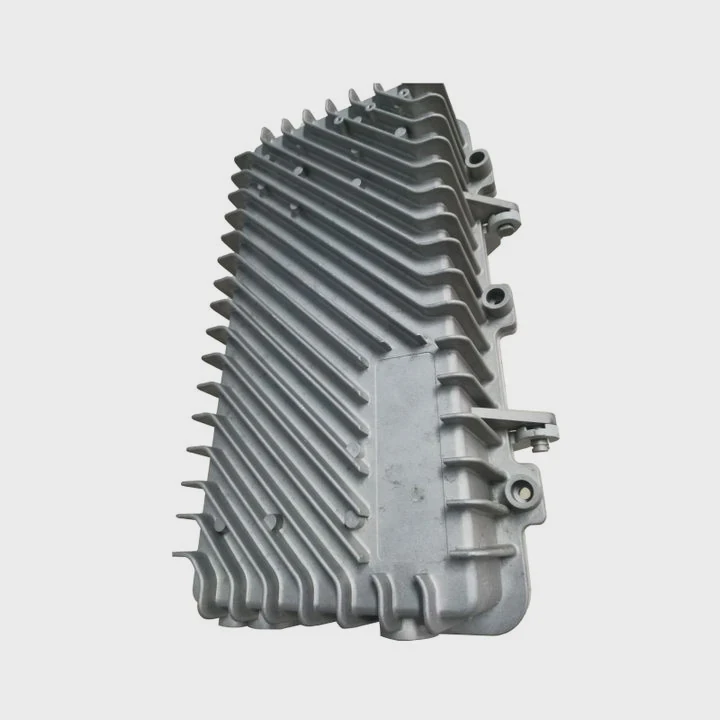
When I replaced my air cooler with a liquid one, my CPU ran 15°C cooler and stayed silent even during high loads. That change made the system faster and more reliable.
Core benefits of main parts
1. Water block
Provides direct contact with the CPU. Its microchannels allow the coolant to absorb heat quickly and evenly. This improves thermal efficiency and reduces hot spots.
2. Pump
Keeps coolant flowing consistently. Modern pumps use magnetic levitation or ceramic bearings, reducing friction and noise. A steady flow ensures constant cooling performance.
3. Radiator and fans
The radiator converts the coolant’s heat into air energy. Dual or triple-fan radiators can handle powerful CPUs while staying quiet. Larger radiators mean better cooling with less fan speed.
4. Coolant
The fluid itself has additives that prevent corrosion, algae, and oxidation. It’s engineered for stability under temperature cycles.
5. Tubing and fittings
Provide flexible, leak-proof circulation. High-quality tubing prevents evaporation or air bubbles, ensuring long-term reliability.
Combined system benefits
| Feature | Air Cooling | Liquid Cooling |
|---|---|---|
| Temperature Control | Limited | Precise and stable |
| Noise Level | High | Low |
| Lifespan | Moderate | Long |
| Overclocking | Restricted | Enhanced |
| Space Usage | Bulky | Compact layout |
The synergy of all parts creates a quiet, efficient, and visually clean system that handles modern CPU demands.
How to maintain them properly?
Even the best liquid cooler benefits from some attention over time. Regular checks ensure performance and prevent leaks.
Proper maintenance includes checking coolant levels, cleaning the radiator, testing the pump, and inspecting tubing for wear or bubbles.
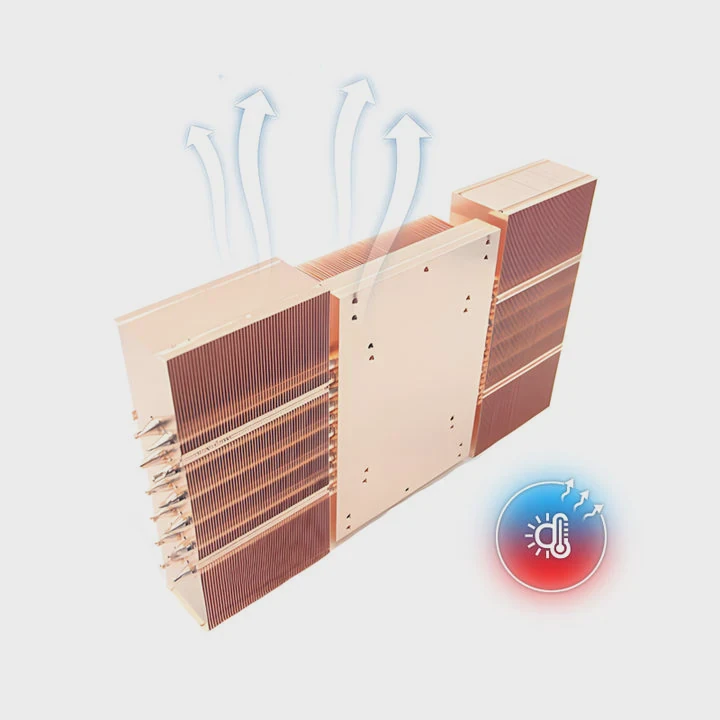
When I maintain my cooler every few months, I find that even small cleanups make a big difference in performance and lifespan.
Simple maintenance checklist
| Task | Frequency | Notes |
|---|---|---|
| Check coolant color and level | Every 6 months | Replace if cloudy or low |
| Clean radiator fins | Every 3–6 months | Use compressed air |
| Test pump noise and flow | Every 6 months | Replace if sound changes |
| Inspect tubing and fittings | Every 6 months | Look for moisture or cracks |
| Replace coolant | Every 1–2 years | Use manufacturer fluid only |
Maintenance steps
- Power off the system and unplug it safely.
- Use a flashlight to inspect the tubing and joints.
- Listen for pump noise or vibration—steady hum means good flow.
- Clean dust buildup on fans and radiators with gentle air pressure.
- Monitor temperatures using software tools.
Preventive care
- Avoid mixing coolants from different brands.
- Keep the system upright to prevent air accumulation.
- Replace thermal paste every few years when reseating the water block.
A clean and stable system not only runs better but also lasts longer without expensive replacements.
What are the design trends in CPU coolers?
Liquid cooling design is evolving quickly. Manufacturers now focus on aesthetics, smart control, and maintenance-free operation.
The latest trends include integrated pumps, RGB lighting, low-profile radiators, smart sensors, and advanced materials like graphene and ceramic coatings.
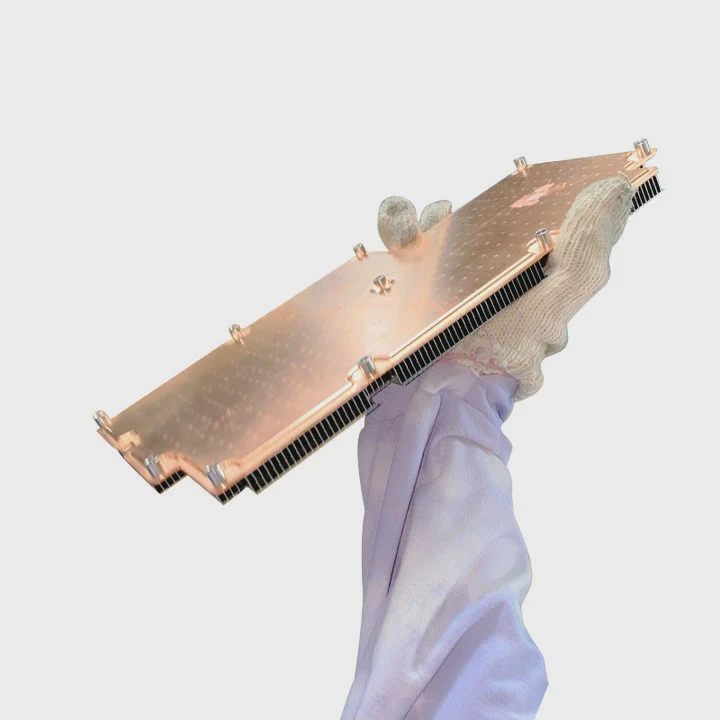
When I attended a recent hardware expo, I noticed how almost every new model aimed to simplify setup and automate control. Modern designs are not just powerful—they are also easy to live with.
Major design trends
1. All-in-One (AIO) systems
Pre-filled, sealed loops that require no refilling or maintenance. They combine pump, block, and radiator in one compact design.
2. Integrated pump-block units
The pump is built into the water block, saving space and reducing noise. This design also improves efficiency by shortening the fluid path.
3. Slim radiators and quiet fans
Manufacturers now use thinner fins and optimized blade designs for better airflow with less noise.
4. Smart control and monitoring
Built-in sensors track temperature, RPM, and flow rate, sending data to software dashboards. AI control adjusts fan speed automatically.
5. Eco-friendly and aesthetic designs
Coolants are now non-toxic, and systems feature sleek finishes with customizable RGB lighting for visual appeal.
Trend comparison
| Feature | Traditional Cooler | Modern Cooler |
|---|---|---|
| Pump Design | External | Integrated |
| Maintenance | Manual | Maintenance-free |
| Monitoring | None | Smart sensors |
| Materials | Copper, plastic | Aluminum, ceramic, graphene |
| Appearance | Functional | Aesthetic and customizable |
The future outlook
Soon, liquid coolers may include self-cleaning functions and phase-change materials. That will make them nearly maintenance-free and capable of adapting to temperature shifts in real time. For users, it means longer life, lower noise, and effortless cooling.
Conclusion
A liquid CPU cooler contains several key parts that work together to keep the processor cool and quiet. Each component—pump, block, radiator, fans, tubing, and coolant—plays a vital role. With modern trends focusing on simplicity and smart design, these systems are becoming more reliable, efficient, and user-friendly every year.
TAGS
Latest Articles

Volume discount levels for heat sink orders?
Buyers often ask when heat sink prices start to drop with volume. Many worry they’re overpaying for small orders. This guide explains how B2B volume pricing works for thermal components. Heat sink
21 Dec,2025
Heat sink long-term supply contract options?
Many buyers want stable pricing and reliable delivery for heat sinks. But without a clear contract, risks grow over time. This article explores how to secure better long-term supply deals. Long-term
21 Dec,2025
Tooling cost for new heat sink profiles?
Many engineers struggle to understand why tooling for custom heat sinks costs so much. They worry about budgeting and production timelines. This article breaks down the cost drivers behind tooling.
21 Dec,2025
Heat sink custom sample process steps?
Sometimes, starting a custom heat sink project feels overwhelming—too many steps, too many unknowns, and too many risks. You want a sample, but not endless delays. The process for requesting and
20 Dec,2025
Standard B2B terms for heat sink payments?
When buyers and sellers in B2B heat sink markets talk about payment, many don’t fully understand what’s standard. This can lead to delayed orders, miscommunication, and even lost business
20 Dec,2025
Heat sink pricing factors for large orders?
Heat sinks are vital for many systems. When prices rise, projects stall and budgets break. This problem can hit teams hard without warning. Large order heat sink pricing depends on many factors. You
20 Dec,2025Related Articles
- What’s better, liquid cooling or fan?
- How often to replace liquid cooling?
- What liquid is used for immersion cooling?
- Is liquid cooling or air cooling better?
- What happens when liquid is cooled?
- Does i9 Need Liquid Cooling?
- What is direct liquid cooling?
- What Is Super-Cooled Liquid?
- Heat Sink Manufacturers in Turkey
- Heat Sink Manufacturers in Netherlands
- Heat Sink Manufacturers in Saudi Arabia
- Heat Sink Manufacturers in Switzerland
Author
Dr. Emily Chen
Chief AI Researcher
Leading expert in thermal dynamics and AI optimization with over 15 years of experience in data center efficiency research.
Categories
Latest Products






Recommend Categories
- Liquid cooling plate Manufacturer
- Industrial Heat Sink Manufacturer
- Standard Heat Sink Manufacturer
- Aluminum Heat Sink Manufacturer
- Copper Heat Sink Manufacturer
- Anodized Heatsink Manufacturer
- Stamping heat sink Manufacturer
- Die Casting Heatsink Manufacturer
- Soldering heat sink Manufacturer
- CNC Parts Manufacturer
Latest Products
- Wholesale Aluminum Radiator
- Water Cooling Plate Kit
- Water Cooling Heat Sink
- Water Cooling Heat Sink Kit
- Stainless Steel Water Distributor
- Server Water Cooling Plate Kit
- Server Liquid Cooling System
- Server Aluminum Cooling Kit
- S19 Full Cover Cooling Plate
- S19 Cooling Plate Kit
- S19 Aluminum Cooling Plate
Contact Expert
Have questions about this article? Reach out to our experts directly.