Is liquid cooling or air cooling better?
Every high-performance machine fights the same battle: heat. Whether it’s a gaming PC, a data center rack, or an electric vehicle, temperature defines performance and stability. The right cooling method is what separates efficiency from failure.
Liquid cooling performs better for high-power and dense systems, while air cooling remains cost-effective, simple, and reliable for moderate heat loads.
The answer depends on your performance needs, space, and maintenance capabilities. Let’s explore how both methods work, what makes them different, and where the industry is heading.
What are the main differences between liquid and air cooling?
Heat management is all about transferring energy from hot components to the surrounding environment. Both systems serve that goal, but they work through different mechanisms.
Air cooling uses fans and heat sinks to remove heat through airflow, while liquid cooling uses circulating coolant to transport heat from components to a radiator.
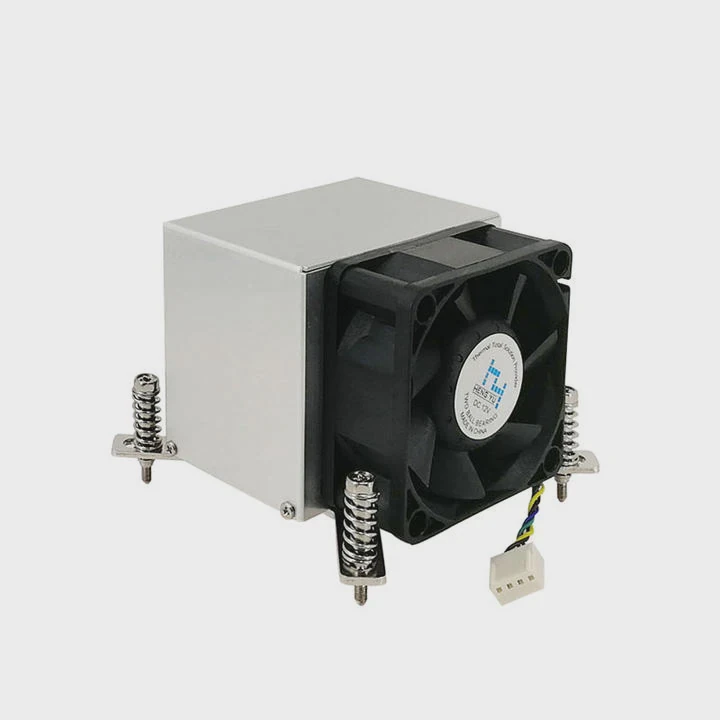
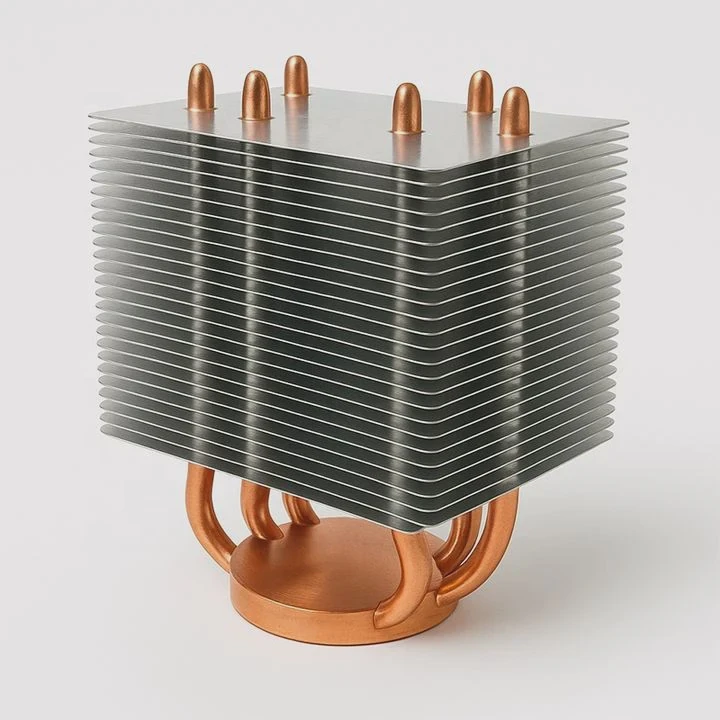
Air cooling operates on convection. Heat travels from the component into a metal heat sink, which releases it into the moving air. The efficiency depends on airflow speed, fin design, and ambient temperature.
Liquid cooling, by contrast, uses conduction and circulation. The coolant absorbs heat directly from the component through a cold plate, then flows through tubes to a radiator. There, fans blow air across fins to expel heat. Because liquids have higher thermal capacity than air, they move heat faster and more efficiently.
Comparison Table: Cooling Principles
| Aspect | Air Cooling | Liquid Cooling |
|---|---|---|
| Heat Transfer Medium | Air | Coolant (Water or Glycol) |
| Primary Mechanism | Convection | Conduction + Fluid Circulation |
| Efficiency | Moderate | High |
| Complexity | Low | Medium to High |
| Noise Level | Higher | Lower |
| Maintenance | Simple | Requires Monitoring |
In simple terms: air cooling is easier and cheaper; liquid cooling is stronger and quieter. Understanding this core difference helps define which system fits your needs best.
What are the benefits of each system?
Both cooling methods come with distinct advantages. The key is not which one is “better,” but which is better for your specific setup.
Air cooling offers simplicity and reliability; liquid cooling delivers high performance and quiet operation.
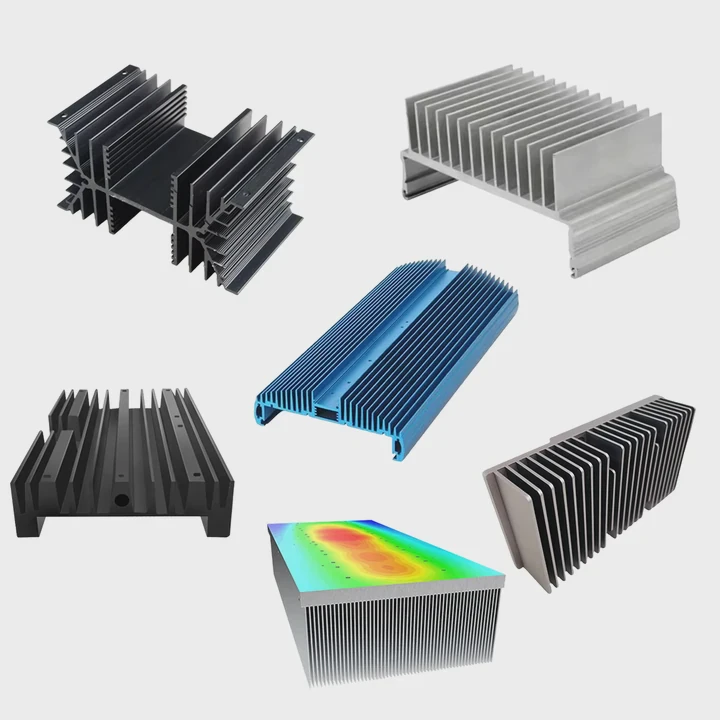
Benefits of Air Cooling
Simplicity
Air cooling uses fewer parts—just a heat sink and fan. It’s easy to install and replace.Low Cost
Compared to pumps, radiators, and coolant loops, air coolers are much cheaper.Reliability
With no liquid or pumps, the risk of leaks or system failure is low.Low Maintenance
Cleaning dust and replacing fans occasionally is all that’s needed.Compatibility
Air coolers fit most systems and require little modification.
However, air cooling struggles with high heat densities. When CPUs or GPUs operate beyond 200W, air cannot remove heat efficiently without becoming noisy or bulky.
Benefits of Liquid Cooling
Superior Heat Transfer
Liquid coolants absorb and move heat faster than air, making them ideal for overclocked or multi-core processors.Silent Operation
Since radiators require slower fan speeds, the system runs more quietly.Compact Design Flexibility
Tubes can route heat away from crowded spaces, freeing room inside devices.Stable Temperature Control
Coolant loops keep temperature fluctuations small, extending component lifespan.Aesthetic Appeal
Clear tubing, glowing coolant, and sleek radiators add a professional and modern look.
Still, liquid systems cost more, require monitoring, and take more effort to maintain. Choosing one depends on balancing these pros and cons.
Summary Table: Benefits at a Glance
| Feature | Air Cooling | Liquid Cooling |
|---|---|---|
| Cost | Low | Higher |
| Efficiency | Moderate | Excellent |
| Noise | Loud | Quiet |
| Installation | Easy | Complex |
| Maintenance | Minimal | Moderate |
| Scalability | Limited | High |
| Aesthetics | Standard | Customizable |
If you want a low-cost, plug-and-play option, air cooling works perfectly. But for systems that demand constant high performance, liquid cooling delivers unmatched results.
How to choose based on your performance needs?
Choosing a cooling system is not only about temperature—it’s about matching design goals, operating conditions, and budget.
Select liquid cooling if your system generates high heat loads or demands quiet, continuous operation. Choose air cooling if simplicity, cost, and maintenance are your priorities.
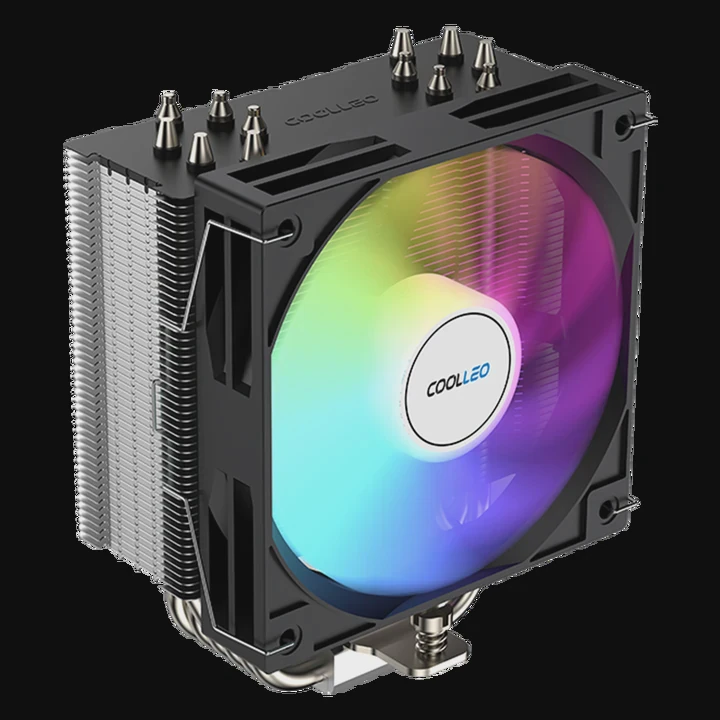
When I built my workstation for 3D rendering, I faced a choice: high-end air or custom liquid cooling. Air coolers worked fine for short workloads, but under full load, the CPU throttled after a few minutes. Switching to a liquid setup cut temperatures by 25°C and stabilized performance.
Step-by-Step Guide to Choosing
1. Define the Heat Load
Check the component TDP (Thermal Design Power).
- Below 150W: Air cooling is efficient and cost-effective.
- 150W–500W: Either method can work depending on noise and space.
- Above 500W: Liquid cooling becomes essential.
2. Evaluate the Environment
For open or ventilated environments, air systems work well. For compact or sealed enclosures—like rack systems or EV modules—liquid cooling is better.
3. Consider Maintenance Access
If the user has technical support, liquid cooling is fine. For general users or remote installations, air systems are safer.
4. Think About Noise and Aesthetics
Liquid systems run quieter and look more refined. For offices, studios, or client-facing spaces, this can be a plus.
5. Budget and Lifecycle
Liquid setups cost more initially but may save long-term costs by reducing failure rates and improving energy efficiency.
Example Decision Table
| Criteria | Recommended Cooling Type |
|---|---|
| Low Budget | Air Cooling |
| Compact Space | Liquid Cooling |
| High Ambient Temperature | Liquid Cooling |
| Frequent Maintenance Restrictions | Air Cooling |
| Performance Priority | Liquid Cooling |
| General Office or Home PC | Air Cooling |
This structured approach ensures performance without overcomplicating your design.
What are the hybrid cooling trends?
As technology evolves, engineers no longer see air and liquid cooling as competitors—but as partners. Hybrid systems combine both methods to achieve the best of each world.
Hybrid cooling merges air and liquid techniques to increase efficiency, reduce noise, and adapt to dynamic thermal loads.
1. Dual-Stage Cooling
Modern systems often use a liquid loop for major heat sources (like CPUs or batteries) and air cooling for supporting components. This balances cost and performance.
2. Vapor Chambers + Liquid Circuits
Vapor chambers spread local heat quickly before the coolant removes it. This combination improves heat uniformity and prevents hot spots—especially useful in 5G and aerospace applications.
3. Smart Hybrid Control
AI-based controllers monitor temperatures and automatically switch between modes. Fans slow down when liquid cooling is enough, reducing noise and saving energy.
4. Modular Hybrid Platforms
Manufacturers now design modular thermal systems with detachable cooling zones. This allows one product design to scale from air to hybrid to full liquid cooling, depending on client requirements.
5. Sustainable Coolants
Hybrid systems increasingly use environmentally friendly, non-conductive coolants that prevent corrosion and leakage, improving system safety and longevity.
Example: Hybrid Cooling Performance Comparison
| Cooling Type | Heat Transfer Capacity | Noise Level | Cost | Maintenance |
|---|---|---|---|---|
| Air Only | Medium | High | Low | Low |
| Liquid Only | High | Low | Medium | Medium |
| Hybrid | Very High | Very Low | Medium-High | Medium |
Hybrid cooling now appears in gaming PCs, power electronics, and large data centers. It offers scalability and resilience, two key factors for next-generation systems.
Real-World Applications
- Data Centers: Combining liquid loops for CPUs with air-cooled racks for less critical equipment.
- Electric Vehicles: Using cold plates for battery packs and fans for cabin air systems.
- Industrial Automation: Applying liquid cooling on control modules, while fans manage cabinet airflow.
Future Outlook
Hybrid systems are leading the next wave of thermal design. With sensors, smart pumps, and adaptive algorithms, tomorrow’s cooling solutions will be fully dynamic—responding to workload, environment, and even energy price changes in real time.
Conclusion
Liquid and air cooling both have strong advantages. The best choice depends on your application and expectations. Air cooling fits simple, budget-conscious builds. Liquid cooling suits performance-driven and compact designs. Hybrid systems now bridge the gap, creating a future where efficiency and flexibility meet.
TAGS
Latest Articles

Volume discount levels for heat sink orders?
Buyers often ask when heat sink prices start to drop with volume. Many worry they’re overpaying for small orders. This guide explains how B2B volume pricing works for thermal components. Heat sink
21 Dec,2025
Heat sink long-term supply contract options?
Many buyers want stable pricing and reliable delivery for heat sinks. But without a clear contract, risks grow over time. This article explores how to secure better long-term supply deals. Long-term
21 Dec,2025
Tooling cost for new heat sink profiles?
Many engineers struggle to understand why tooling for custom heat sinks costs so much. They worry about budgeting and production timelines. This article breaks down the cost drivers behind tooling.
21 Dec,2025
Heat sink custom sample process steps?
Sometimes, starting a custom heat sink project feels overwhelming—too many steps, too many unknowns, and too many risks. You want a sample, but not endless delays. The process for requesting and
20 Dec,2025
Standard B2B terms for heat sink payments?
When buyers and sellers in B2B heat sink markets talk about payment, many don’t fully understand what’s standard. This can lead to delayed orders, miscommunication, and even lost business
20 Dec,2025
Heat sink pricing factors for large orders?
Heat sinks are vital for many systems. When prices rise, projects stall and budgets break. This problem can hit teams hard without warning. Large order heat sink pricing depends on many factors. You
20 Dec,2025Related Articles
- What happens when liquid is cooled?
- Does i9 Need Liquid Cooling?
- Is liquid cooler necessary?
- Why is liquid cooling better than air?
- Is AIO liquid cooling worth it?
- Is a 120mm liquid cooler enough?
- What liquid is used for immersion cooling?
- How often to replace liquid cooling?
- What’s better, liquid cooling or fan?
- What is in a liquid CPU cooler?
- What is direct liquid cooling?
- What Is Super-Cooled Liquid?
Author
Dr. Emily Chen
Chief AI Researcher
Leading expert in thermal dynamics and AI optimization with over 15 years of experience in data center efficiency research.
Categories
Latest Products






Recommend Categories
- Liquid cooling plate Manufacturer
- Industrial Heat Sink Manufacturer
- Standard Heat Sink Manufacturer
- Aluminum Heat Sink Manufacturer
- Copper Heat Sink Manufacturer
- Anodized Heatsink Manufacturer
- Stamping heat sink Manufacturer
- Die Casting Heatsink Manufacturer
- Soldering heat sink Manufacturer
- CNC Parts Manufacturer
Latest Products
- Wholesale Aluminum Radiator
- Water Cooling Plate Kit
- Water Cooling Heat Sink
- Water Cooling Heat Sink Kit
- Stainless Steel Water Distributor
- Server Water Cooling Plate Kit
- Server Liquid Cooling System
- Server Aluminum Cooling Kit
- S19 Full Cover Cooling Plate
- S19 Cooling Plate Kit
- S19 Aluminum Cooling Plate
Contact Expert
Have questions about this article? Reach out to our experts directly.