Does i9 Need Liquid Cooling?
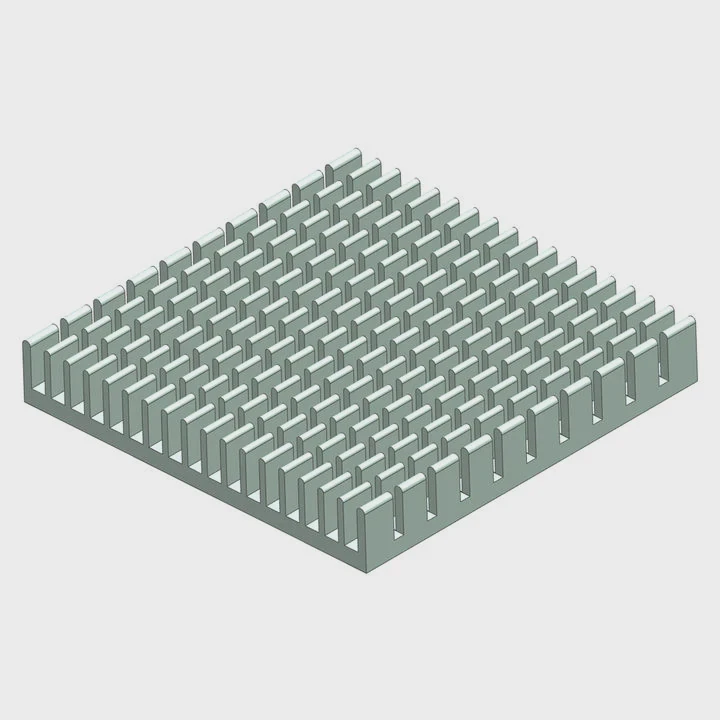
When your system runs an Intel i9 processor, heat becomes a real challenge. The i9 is powerful, but with great performance comes serious thermal demand.
Yes, most Intel i9 processors benefit from liquid cooling, especially under heavy workloads like gaming, 3D rendering, or overclocking. Liquid coolers manage heat better and keep performance stable.
If you plan to push your CPU to its limits, liquid cooling helps maintain speed and reduce noise. Even though air coolers can work, they often struggle with sustained high temperatures.
What Is the Intel i9 Processor?
The Intel i9 represents Intel’s top consumer-grade CPU line. It’s built for speed, multitasking, and professional workloads.
The Intel i9 is a high-performance processor series from Intel designed for gaming, creative, and professional applications that demand fast speeds and high core counts.
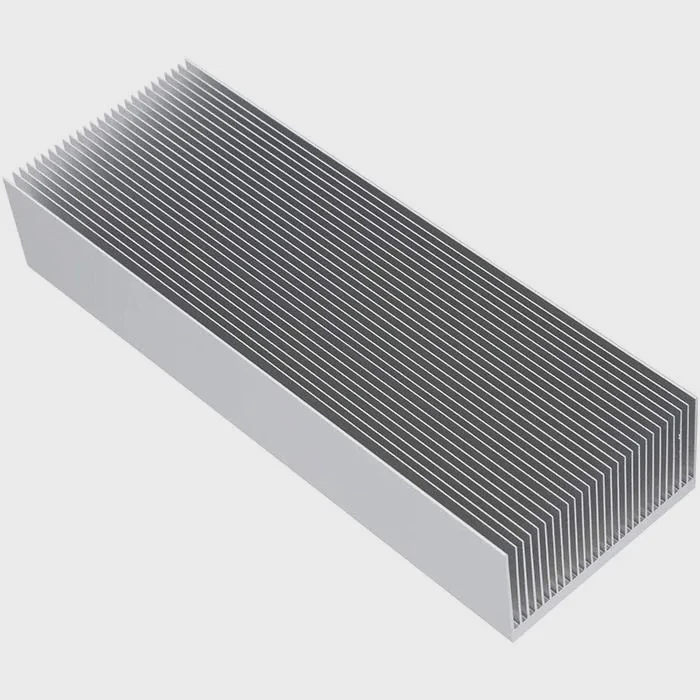
The i9 series includes several generations, from desktop chips like the i9-9900K to the latest i9-14900K and mobile versions. These processors usually feature 8 to 24 cores with high turbo boost frequencies over 5.0 GHz. They handle multiple tasks like rendering, simulation, and AI workloads with ease.
Intel’s design focuses on performance-per-core and power efficiency, but these chips generate substantial heat under full load. That is where a strong cooling system comes in.
i9 Series Overview
| Model | Cores/Threads | Max Turbo (GHz) | Typical TDP (W) |
|---|---|---|---|
| i9-11900K | 8 / 16 | 5.3 | 125 |
| i9-12900K | 16 / 24 | 5.2 | 125 |
| i9-13900K | 24 / 32 | 5.8 | 125 |
| i9-14900K | 24 / 32 | 6.0 | 125–253 |
Even though the rated TDP seems moderate, real power draw can exceed 250 watts when the chip runs full turbo. That’s why effective cooling is essential for maintaining consistent performance.
What Are the Thermal Demands of i9 CPUs?
When I first tested an i9 build, I was shocked to see temperatures hit 95°C in seconds with a basic air cooler. These CPUs push heat faster than most air coolers can remove.
Intel i9 CPUs generate high heat loads, often exceeding 200 watts under full load. They require powerful cooling to maintain safe temperatures and prevent throttling.
The i9 architecture uses high clock speeds and hybrid cores that run at different power levels. During peak performance, power spikes occur, especially when all cores boost simultaneously. These spikes cause rapid temperature jumps, and traditional air coolers struggle to keep up.
Typical Thermal Characteristics
| Load Condition | Average Power Draw | Peak Temperature (°C) |
|---|---|---|
| Idle | 20–30W | 35–40°C |
| Gaming | 120–170W | 70–85°C |
| Full Rendering | 200–250W | 90–100°C |
| Overclocked | 280W+ | 95–105°C |
Liquid cooling systems can absorb and spread heat more evenly, preventing sudden spikes. They also recover faster, keeping the CPU within the ideal thermal range.
If your CPU regularly exceeds 90°C, you’re losing performance because of throttling—Intel’s safety mechanism that reduces frequency to avoid damage. A liquid cooler helps maintain constant high speeds without crossing that limit.
How to Choose the Best Cooler for i9?
Choosing the right cooler for an i9 depends on your usage and budget. The wrong one can waste your CPU’s potential.
The best cooler for an Intel i9 is a high-quality 240mm or 360mm AIO liquid cooler, offering excellent heat dissipation and quiet operation for gaming and professional workloads.
Start by deciding whether you prefer an AIO (All-In-One) or a custom loop. AIOs are easier to install, while custom loops deliver better performance and aesthetics but cost more.
For an i9-13900K or 14900K, a 360mm radiator is often ideal because these chips draw massive power during turbo boost.
Recommended Cooler Sizes
| CPU Model | Cooler Type | Radiator Size | Noise Level | Performance |
|---|---|---|---|---|
| i9-11900K | AIO | 240mm | Low | Good |
| i9-12900K | AIO | 280mm | Low | Very Good |
| i9-13900K | AIO / Custom | 360mm | Medium | Excellent |
| i9-14900K | Custom | 420mm | Medium | Exceptional |
Also, check case compatibility—some compact cases cannot fit large radiators. If you prefer air cooling, use a dual-tower design like the Noctua NH-D15. It performs well but may still run hot under full load.
When installing, apply thermal paste evenly and tighten the block screws in a cross pattern. For AIOs, ensure proper fan direction—air should flow out of the case through the radiator.
I always suggest choosing a cooler with a good pump warranty (at least five years) and PWM fan control for quieter operation.
What Are the Cooling Trends for Intel High-End CPUs?
As Intel continues to push CPU power higher, cooling technology must evolve to match. The latest trends focus on smarter, quieter, and more efficient systems.
New cooling trends for Intel’s high-end CPUs include AI-assisted fan control, maintenance-free liquid loops, direct-die cooling, and hybrid liquid-air solutions for extreme performance.
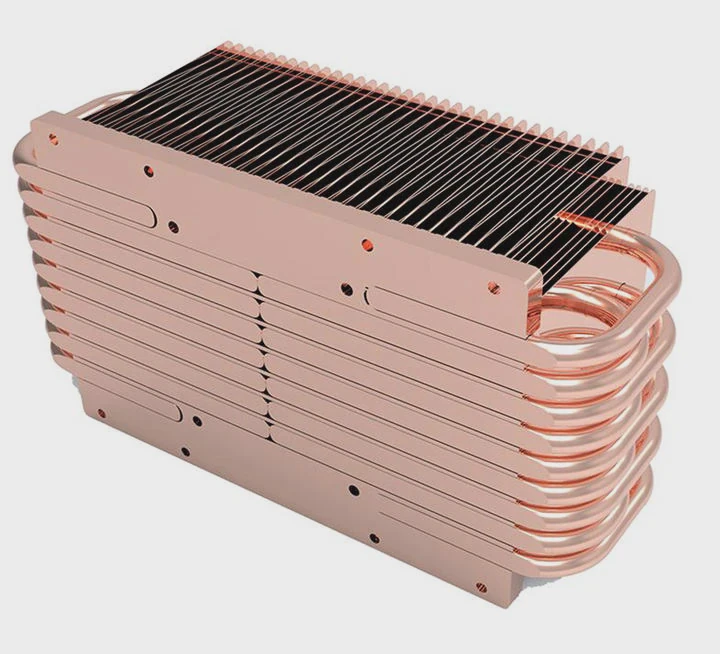
Manufacturers are designing AI-controlled coolers that automatically adjust pump and fan speeds based on CPU load and temperature data. This provides balance between performance and silence.
Another trend is direct-die cooling, where the cooler contacts the processor die directly instead of through a heat spreader. This reduces thermal resistance and boosts efficiency.
Key Cooling Innovations
| Trend | Description | Benefit |
|---|---|---|
| AI Fan and Pump Control | Smart sensors adjust speed automatically | Lower noise and faster response |
| Direct-Die Cooling | Removes heat spreader for direct contact | Better thermal transfer |
| Maintenance-Free AIOs | Sealed systems with anti-evaporation coolants | No refills needed |
| Phase-Change Hybrids | Combine liquid and refrigeration tech | Extreme overclocking potential |
| Compact Radiator Design | Slim but efficient units for smaller cases | Better fit and airflow |
RGB integration and customizable aesthetics also play a big role in modern setups. Many new coolers feature smart lighting that reflects system performance or temperature levels.
We are also seeing more thermal optimization through software, allowing users to tune cooling performance profiles for specific workloads—like gaming, design, or rendering.
In the near future, we can expect graphene-coated cold plates and nano-fluid coolants to appear in premium coolers, offering even better thermal conductivity and corrosion resistance.
Conclusion
Intel i9 processors produce significant heat due to their power and speed. While air coolers can handle light use, liquid cooling ensures optimal temperature, stable performance, and quiet operation—especially for high-end workloads and overclocking enthusiasts.
TAGS
Latest Articles

Volume discount levels for heat sink orders?
Buyers often ask when heat sink prices start to drop with volume. Many worry they’re overpaying for small orders. This guide explains how B2B volume pricing works for thermal components. Heat sink
21 Dec,2025
Heat sink long-term supply contract options?
Many buyers want stable pricing and reliable delivery for heat sinks. But without a clear contract, risks grow over time. This article explores how to secure better long-term supply deals. Long-term
21 Dec,2025
Tooling cost for new heat sink profiles?
Many engineers struggle to understand why tooling for custom heat sinks costs so much. They worry about budgeting and production timelines. This article breaks down the cost drivers behind tooling.
21 Dec,2025
Heat sink custom sample process steps?
Sometimes, starting a custom heat sink project feels overwhelming—too many steps, too many unknowns, and too many risks. You want a sample, but not endless delays. The process for requesting and
20 Dec,2025
Standard B2B terms for heat sink payments?
When buyers and sellers in B2B heat sink markets talk about payment, many don’t fully understand what’s standard. This can lead to delayed orders, miscommunication, and even lost business
20 Dec,2025
Heat sink pricing factors for large orders?
Heat sinks are vital for many systems. When prices rise, projects stall and budgets break. This problem can hit teams hard without warning. Large order heat sink pricing depends on many factors. You
20 Dec,2025Related Articles
- Is liquid cooler necessary?
- Why is liquid cooling better than air?
- Is AIO liquid cooling worth it?
- Is a 120mm liquid cooler enough?
- Are liquid-cooled computers quieter?
- Is liquid cooling good?
- What happens when liquid is cooled?
- Is liquid cooling or air cooling better?
- What liquid is used for immersion cooling?
- How often to replace liquid cooling?
- What’s better, liquid cooling or fan?
- What is in a liquid CPU cooler?
Author
Dr. Emily Chen
Chief AI Researcher
Leading expert in thermal dynamics and AI optimization with over 15 years of experience in data center efficiency research.
Categories
Latest Products






Recommend Categories
- Liquid cooling plate Manufacturer
- Industrial Heat Sink Manufacturer
- Standard Heat Sink Manufacturer
- Aluminum Heat Sink Manufacturer
- Copper Heat Sink Manufacturer
- Anodized Heatsink Manufacturer
- Stamping heat sink Manufacturer
- Die Casting Heatsink Manufacturer
- Soldering heat sink Manufacturer
- CNC Parts Manufacturer
Latest Products
- Wholesale Aluminum Radiator
- Water Cooling Plate Kit
- Water Cooling Heat Sink
- Water Cooling Heat Sink Kit
- Stainless Steel Water Distributor
- Server Water Cooling Plate Kit
- Server Liquid Cooling System
- Server Aluminum Cooling Kit
- S19 Full Cover Cooling Plate
- S19 Cooling Plate Kit
- S19 Aluminum Cooling Plate
Contact Expert
Have questions about this article? Reach out to our experts directly.