where to mount liquid cpu cooler?
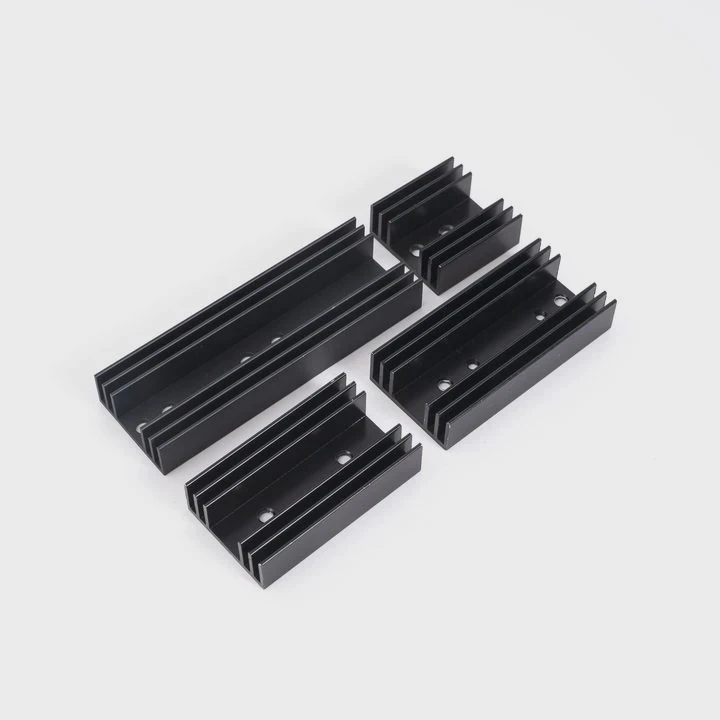
I asked myself this question many times when I first began using liquid cooling systems. I learned that cooler placement shapes airflow, pump health, and long-term stability more than many people expect.
A liquid CPU cooler should be mounted where airflow stays clean, the radiator sits higher than the pump, and trapped air does not reach the pump. Most setups work best with top or front placement depending on case airflow.
I want to explain each part clearly so the whole system stays cool and safe.
How does airflow influence mounting choice?
I once installed a radiator in a case with poor front airflow. Temperatures rose fast, and the fans made loud noise. That moment taught me how airflow shapes mounting success.
Airflow influences mounting choice because the radiator needs a steady stream of cool air to remove heat, and the case layout must support smooth intake and exhaust paths around the cooler.
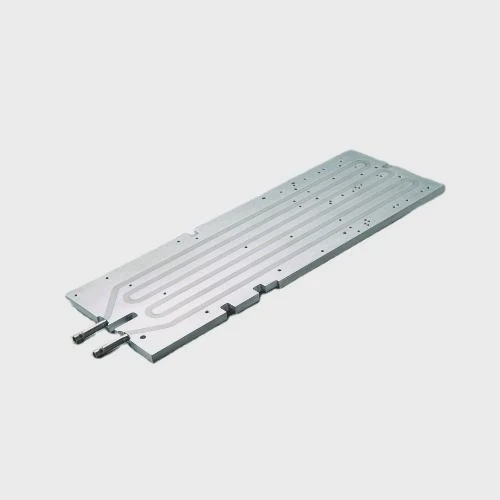
Airflow is the base of all cooling. A liquid cooler depends on fans to push air through the radiator. If the air entering the radiator is warm or blocked, the coolant warms faster, and the CPU temperature rises.
Strong airflow needs three things:
- cool air entering the case
- warm air leaving the case
- a clear path through the radiator
If the radiator sits in a tight or shallow space, airflow becomes weak. Fans have to work harder. This makes noise and raises temperatures.
Front-mounted radiators often work as intake. They bring cool air directly through the radiator. This gives great performance, but warm air enters the case afterward. You need strong exhaust fans to remove that heat.
Top-mounted radiators often act as exhaust. They release heat upward and support the case’s natural heat rise. But the air feeding the radiator may be warmer because it comes from inside the case.
Understanding this airflow pattern helps you choose the best mounting point.
Table: Airflow and mounting impact
| Radiator Position | Air Source | Effect on Temps |
|---|---|---|
| Front | Cool outside air | Strong cooling, warmer case interior |
| Top | Warm inside air | Stable case temps, slightly warmer radiator air |
| Rear | Mixed airflow | Useful for small radiators only |
Good airflow lets the radiator work at full strength. Poor airflow makes any mounting position struggle.
Why choose top or front radiator placement?
I tested both positions in different cases, and each gave unique results. The top felt stable and quiet, while the front often delivered stronger cooling. Knowing why helps match the position to the build.
Top or front placement works best because these positions give the radiator enough space, stronger airflow paths, safer tube routing, and proper pump orientation.
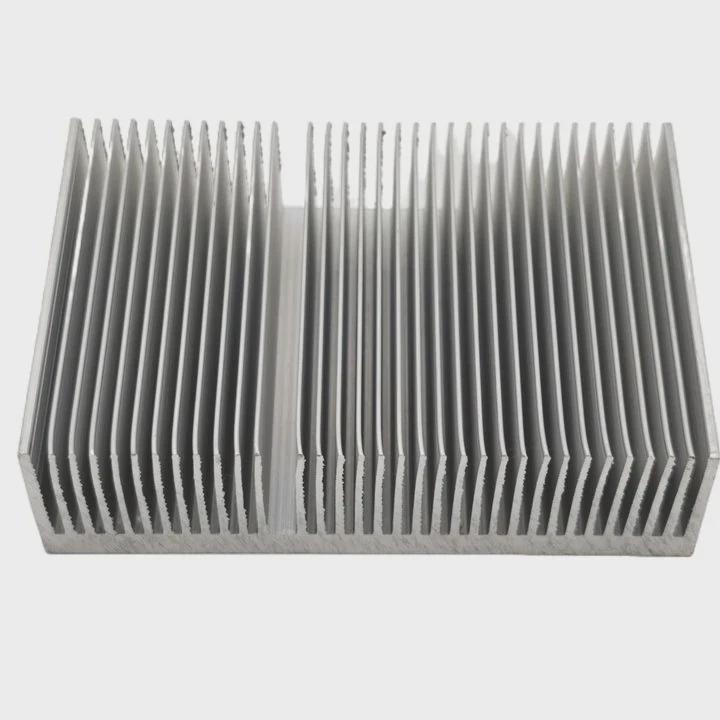
Most modern cases are designed with these two positions in mind. They include mounting holes, open airflow channels, and space for tubes. This makes the setup easier and safer.
Front placement works well when you want:
- the coolest air possible
- maximum CPU cooling
- a strong intake path
But this warms the inside of the case. You need good exhaust fans to remove that extra warmth.
Top placement works best when you want:
- clean exhaust
- safe air movement away from the radiator
- reduced heat buildup inside the case
- a natural heat path
This position often feels more balanced. The top radiator takes warm case air and moves it out. It keeps the inside stable.
The tubes also sit in a safe position. Air inside the loop rises to the top of the radiator and not toward the pump. This protects pump health.
Front placement can help high-power CPUs reach lower temperatures. Top placement often helps keep the entire system stable.
Both positions work well. The choice depends on your airflow design, case space, and cooling goals.
Where can trapped air cause cooling issues?
I once heard a bubbling noise inside my cooler, and the CPU temperature jumped fast. That taught me that trapped air is a sneaky problem, but it follows simple rules.
Trapped air causes cooling issues when it reaches the pump, because the pump cannot push air. Air pockets lower coolant flow, create noise, and raise the CPU temperature.
Air always rises inside a liquid cooling loop. This means the radiator should sit above the pump. When the radiator sits lower, air moves into the pump. The pump begins to grind or rattle, and flow drops.
Air pockets usually form in:
- radiators mounted too low
- tubes routed too high
- pumps placed higher than the radiator
- side-mounted radiators with tubes at the top
When air gathers inside the radiator, it stays at the highest point, which is safe. When air reaches the pump, the pump spins without enough coolant. This lowers cooling fast.
Some cases allow only front or side mounting. If the radiator must sit at the front, the tubes must sit at the bottom or middle of the radiator. This keeps the air at the top of the radiator and away from the pump.
Air pockets also cause:
- sudden temperature spikes
- pump clicking
- coolant flow loss
- slow system warm-up after startup
Placing the radiator higher and the pump lower avoids most air problems.
Can side-mounting affect pump lifespan?
I once tested a case that supported only side mounting. After a few weeks, I noticed the pump sounded louder than usual. The tube layout forced air toward the pump. That moment taught me that side mounting needs careful planning.
Side-mounting can affect pump lifespan when air inside the loop rises toward the pump instead of staying inside the radiator, causing the pump to work harder and wear out faster.
Side mounting is popular in cases with glass panels or open frames. It looks clean, but it creates challenges. The radiator may sit lower than the pump. The tubes may sit at the top of the radiator. This lets air move into the pump over time.
The pump does no
TAGS
Latest Articles

Volume discount levels for heat sink orders?
Buyers often ask when heat sink prices start to drop with volume. Many worry they’re overpaying for small orders. This guide explains how B2B volume pricing works for thermal components. Heat sink
21 Dec,2025
Heat sink long-term supply contract options?
Many buyers want stable pricing and reliable delivery for heat sinks. But without a clear contract, risks grow over time. This article explores how to secure better long-term supply deals. Long-term
21 Dec,2025
Tooling cost for new heat sink profiles?
Many engineers struggle to understand why tooling for custom heat sinks costs so much. They worry about budgeting and production timelines. This article breaks down the cost drivers behind tooling.
21 Dec,2025
Heat sink custom sample process steps?
Sometimes, starting a custom heat sink project feels overwhelming—too many steps, too many unknowns, and too many risks. You want a sample, but not endless delays. The process for requesting and
20 Dec,2025
Standard B2B terms for heat sink payments?
When buyers and sellers in B2B heat sink markets talk about payment, many don’t fully understand what’s standard. This can lead to delayed orders, miscommunication, and even lost business
20 Dec,2025
Heat sink pricing factors for large orders?
Heat sinks are vital for many systems. When prices rise, projects stall and budgets break. This problem can hit teams hard without warning. Large order heat sink pricing depends on many factors. You
20 Dec,2025Related Articles
- what's the difference between air cooled and liquid cooled?
- are liquid cooled computers better?
- does 3080 need liquid cooling?
- why liquid cooling is bad?
- how to setup liquid cooling cpu?
- which is better liquid cooling or air?
- why a liquid cooled system is pressurised?
- Heat Sink Manufacturer in Timor-Leste
- Heat Sink Manufacturer in Togo
- Heat Sink Manufacturer in Tonga
- Heat Sink Manufacturer in Trinidad and Tobago
- Heat Sink Manufacturer in Tunisia
Author
Dr. Emily Chen
Chief AI Researcher
Leading expert in thermal dynamics and AI optimization with over 15 years of experience in data center efficiency research.
Categories
Latest Products






Recommend Categories
- Liquid cooling plate Manufacturer
- Industrial Heat Sink Manufacturer
- Standard Heat Sink Manufacturer
- Aluminum Heat Sink Manufacturer
- Copper Heat Sink Manufacturer
- Anodized Heatsink Manufacturer
- Stamping heat sink Manufacturer
- Die Casting Heatsink Manufacturer
- Soldering heat sink Manufacturer
- CNC Parts Manufacturer
Latest Products
- Wholesale Aluminum Radiator
- Water Cooling Plate Kit
- Water Cooling Heat Sink
- Water Cooling Heat Sink Kit
- Stainless Steel Water Distributor
- Server Water Cooling Plate Kit
- Server Liquid Cooling System
- Server Aluminum Cooling Kit
- S19 Full Cover Cooling Plate
- S19 Cooling Plate Kit
- S19 Aluminum Cooling Plate
Contact Expert
Have questions about this article? Reach out to our experts directly.