Which is better, liquid cooling or air?
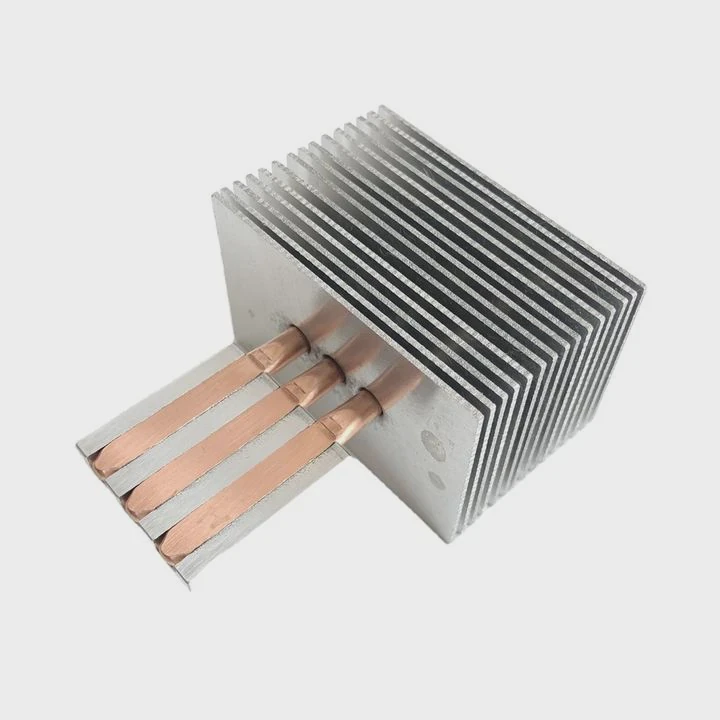
When your system heats up, every degree matters. Choosing between liquid and air cooling isn’t just about temperature—it’s about performance, noise, cost, and long-term reliability.
Liquid cooling provides superior heat transfer for high-performance systems, while air cooling offers simplicity, reliability, and lower maintenance for most general-purpose builds.
Each cooling method serves different needs. Let’s look deeper into what they are, how they work, and which one fits your specific system best.
What are liquid and air cooling methods?
When systems heat up, cooling becomes critical. Both liquid and air cooling methods have unique mechanisms and purposes.
Liquid cooling uses a coolant to absorb heat from components, while air cooling relies on heat sinks and fans to dissipate heat into the surrounding air.
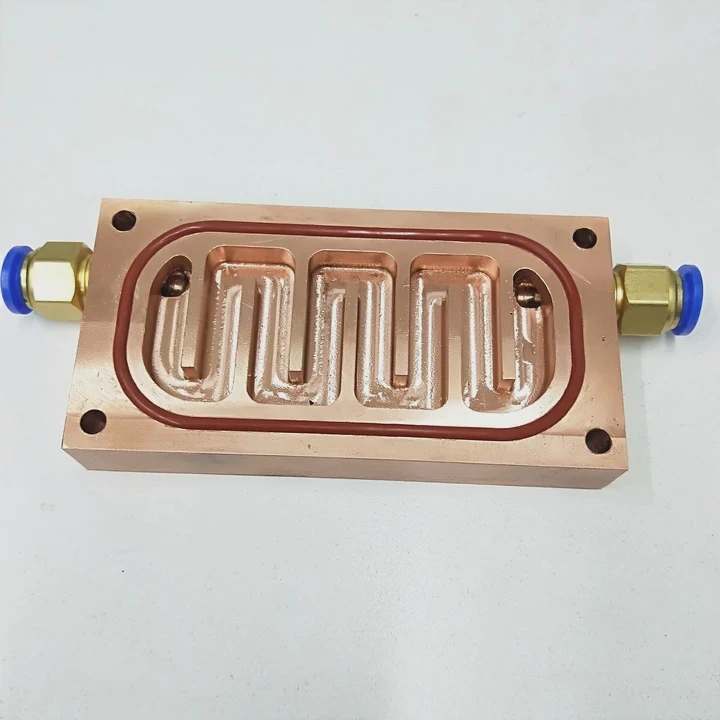
How liquid cooling works
Liquid cooling uses a closed-loop or open-loop system where coolant flows through tubes and blocks attached to heat-generating components like CPUs or GPUs. The heat transfers into the coolant, which moves toward a radiator where fans release it into the air.
This system provides a more even and efficient heat transfer process, keeping performance stable even under heavy load.
How air cooling works
Air cooling uses heat sinks made of aluminum or copper to absorb heat. Fans then push or pull air across the fins to move the heat away. This is the most common cooling method due to its simplicity, cost-effectiveness, and low maintenance requirements.
| Cooling Type | Working Principle | Main Components | Maintenance |
|---|---|---|---|
| Liquid Cooling | Transfers heat using liquid coolant | Pump, radiator, water block, tubes | Regular fluid checks |
| Air Cooling | Transfers heat using air movement | Heat sink, fan | Dust cleaning only |
Both systems manage heat, but they differ in complexity, efficiency, and the type of workload they handle best.
What are the advantages of each?
When comparing cooling methods, we must consider efficiency, noise, cost, and reliability.
Liquid cooling provides higher thermal efficiency and quieter operation, while air cooling offers affordability, simplicity, and long-term stability.
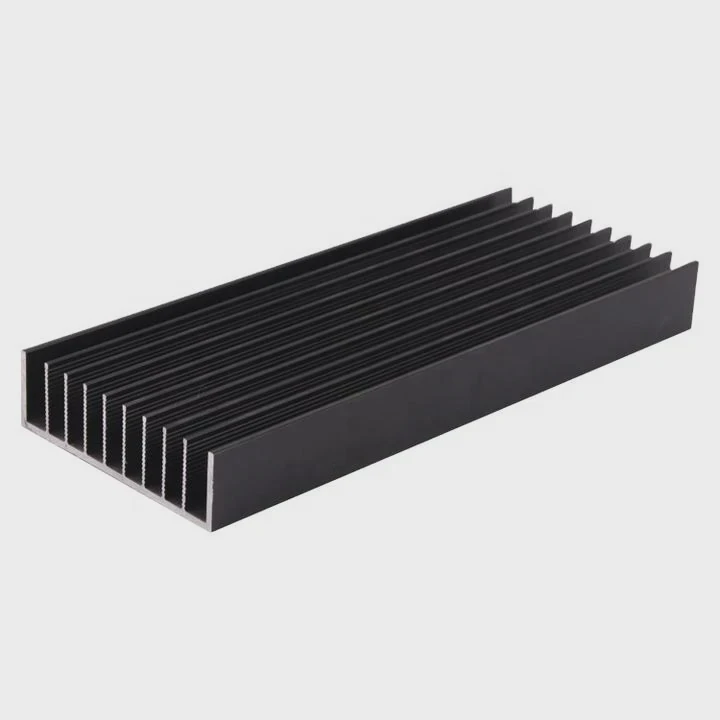
Advantages of liquid cooling
Liquid cooling offers superior heat dissipation, making it ideal for powerful CPUs, GPUs, or multi-chip systems. Because liquid conducts heat more effectively than air, it maintains lower operating temperatures and supports higher overclocking potential. It’s also quieter, as it doesn’t rely solely on high-speed fans.
| Advantage | Description |
|---|---|
| Better heat transfer | Coolant absorbs and moves heat efficiently |
| Quieter operation | Fans run slower since the liquid removes most heat |
| Aesthetic appeal | Sleek designs with customizable lighting |
| High thermal headroom | Supports overclocking and demanding workloads |
Advantages of air cooling
Air cooling is cost-effective and reliable. It requires minimal maintenance and performs well for most standard computers. Because there are no pumps or fluids involved, the risk of mechanical failure is much lower.
| Advantage | Description |
|---|---|
| Easy installation | Simple setup with fewer components |
| Low maintenance | Only needs occasional dust cleaning |
| Affordable | Budget-friendly and widely available |
| Reliable | No liquid leaks or pump issues |
In short, liquid cooling suits performance users and gamers, while air cooling works perfectly for offices, casual users, and industrial systems needing consistent reliability.
How to decide based on your system’s needs?
Choosing the right cooling method depends on performance goals, system size, environment, and budget.
If your system runs high-performance workloads or in compact spaces, go for liquid cooling; if you prefer stability and low cost, choose air cooling.
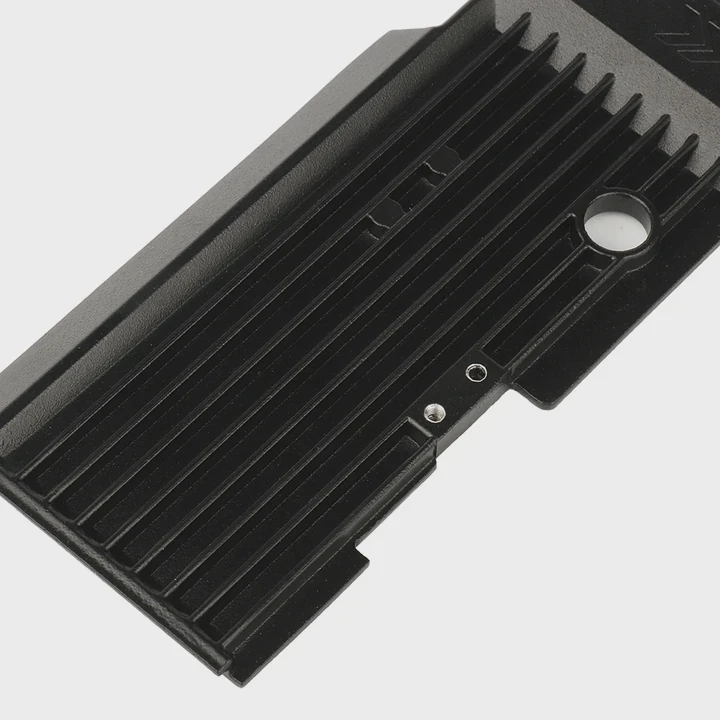
Key decision factors
To make the right choice, analyze your system’s thermal profile, power consumption, and long-term use. Here’s a simple comparison:
| Factor | Liquid Cooling | Air Cooling |
|---|---|---|
| Performance | Excellent for high-end CPUs/GPUs | Good for general use |
| Noise | Quieter | Louder at full load |
| Maintenance | Requires periodic checks | Minimal |
| Cost | Higher upfront cost | Lower initial cost |
| Reliability | Potential for leaks | Long-term stable |
| Space | Flexible in compact builds | Bulky heat sinks |
Application-based guidance
If you’re a gamer, designer, or engineer running intensive 3D simulations, liquid cooling ensures consistent performance. However, if your system handles office tasks or embedded industrial operations, air cooling remains the most practical choice.
Also, environmental factors matter. Systems in dusty or humid areas may face challenges with liquid cooling maintenance, while air-cooled units need regular cleaning to maintain airflow. Always evaluate your surroundings before deciding.
What are the hybrid cooling trends?
The industry is shifting toward smarter, more integrated solutions that blend the best of both worlds.
Hybrid cooling combines air and liquid systems to achieve balanced performance, reliability, and energy efficiency.

The rise of hybrid systems
Hybrid cooling uses a liquid loop for high-heat components and air systems for overall airflow management. This design reduces thermal hotspots and allows optimized heat distribution. It’s popular in data centers, electric vehicles, and advanced electronics where cooling uniformity is crucial.
Future innovations
Manufacturers are developing compact, modular hybrid cooling systems that integrate sensors and smart control algorithms. These systems automatically adjust fan speeds and coolant flow based on thermal demand, improving energy efficiency.
Example applications:
- Data centers: Hybrid systems maintain consistent cooling for server racks, reducing power usage.
- Electric vehicles: They manage both battery packs and motor heat, balancing performance and range.
- High-end workstations: Engineers and designers use hybrid setups to maintain stable operation under heavy computing loads.
| Trend | Description | Example |
|---|---|---|
| Smart control | Real-time temperature monitoring | IoT-enabled cooling loops |
| Compact design | Smaller modules for tight spaces | Laptop hybrid cooling |
| Energy efficiency | Reduced total power draw | Dynamic fan-pump coordination |
| Industry adoption | Gaining traction in EVs and HPCs | Tesla, NVIDIA, Intel |
Hybrid systems are shaping the future of thermal management. They show that the goal is not just cooling but optimizing performance, sustainability, and long-term dependability.
Conclusion
Liquid and air cooling each have strengths. Liquid cooling delivers performance and quiet efficiency, while air cooling offers simplicity and reliability. Hybrid systems combine both to achieve balance. Choosing the right one depends on your needs, environment, and long-term goals.
TAGS
Latest Articles

Volume discount levels for heat sink orders?
Buyers often ask when heat sink prices start to drop with volume. Many worry they’re overpaying for small orders. This guide explains how B2B volume pricing works for thermal components. Heat sink
21 Dec,2025
Heat sink long-term supply contract options?
Many buyers want stable pricing and reliable delivery for heat sinks. But without a clear contract, risks grow over time. This article explores how to secure better long-term supply deals. Long-term
21 Dec,2025
Tooling cost for new heat sink profiles?
Many engineers struggle to understand why tooling for custom heat sinks costs so much. They worry about budgeting and production timelines. This article breaks down the cost drivers behind tooling.
21 Dec,2025
Heat sink custom sample process steps?
Sometimes, starting a custom heat sink project feels overwhelming—too many steps, too many unknowns, and too many risks. You want a sample, but not endless delays. The process for requesting and
20 Dec,2025
Standard B2B terms for heat sink payments?
When buyers and sellers in B2B heat sink markets talk about payment, many don’t fully understand what’s standard. This can lead to delayed orders, miscommunication, and even lost business
20 Dec,2025
Heat sink pricing factors for large orders?
Heat sinks are vital for many systems. When prices rise, projects stall and budgets break. This problem can hit teams hard without warning. Large order heat sink pricing depends on many factors. You
20 Dec,2025Related Articles
- What is liquid cooling technology?
- Does the Xbox One X have liquid cooling?
- Is liquid cooling bad?
- Why does a gas change to a liquid on cooling?
- How to change liquid in liquid cooling?
- How to replace a liquid cooling system?
- Is Alienware Aurora R8 Liquid Cooled?
- How to use liquid nitrogen for cooling?
- What Is the Best Liquid Cooling System?
- How to set up a liquid cooling CPU?
- How to liquid cool a PS3?
- Why is liquid cooling bad?
Author
Dr. Emily Chen
Chief AI Researcher
Leading expert in thermal dynamics and AI optimization with over 15 years of experience in data center efficiency research.
Categories
Latest Products






Recommend Categories
- Liquid cooling plate Manufacturer
- Industrial Heat Sink Manufacturer
- Standard Heat Sink Manufacturer
- Aluminum Heat Sink Manufacturer
- Copper Heat Sink Manufacturer
- Anodized Heatsink Manufacturer
- Stamping heat sink Manufacturer
- Die Casting Heatsink Manufacturer
- Soldering heat sink Manufacturer
- CNC Parts Manufacturer
Latest Products
- Wholesale Aluminum Radiator
- Water Cooling Plate Kit
- Water Cooling Heat Sink
- Water Cooling Heat Sink Kit
- Stainless Steel Water Distributor
- Server Water Cooling Plate Kit
- Server Liquid Cooling System
- Server Aluminum Cooling Kit
- S19 Full Cover Cooling Plate
- S19 Cooling Plate Kit
- S19 Aluminum Cooling Plate
Contact Expert
Have questions about this article? Reach out to our experts directly.