What’s the Difference Between Air Cooled and Liquid Cooled?
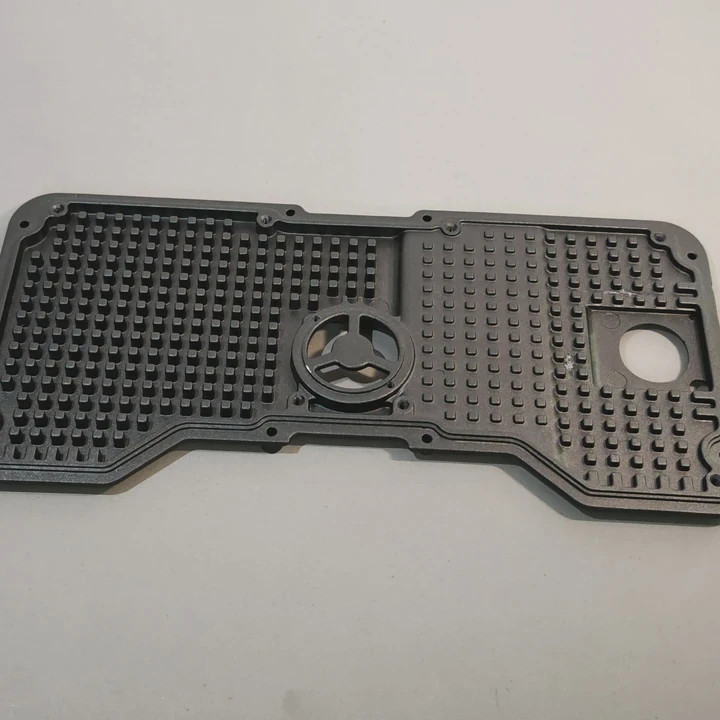
When heat becomes the biggest enemy of performance, cooling decides everything. Many engineers and designers often ask the same question — which is better, air cooling or liquid cooling?
Air cooling uses airflow to remove heat, while liquid cooling transfers heat through a fluid loop for higher efficiency and quieter operation.
The right choice depends on your system’s power density, space, and long-term reliability goals.
What Is Air Cooling and How Does It Work?
Too much heat can damage electronic parts, reduce efficiency, or even cause system failure. Air cooling was the first and simplest way to fight heat.
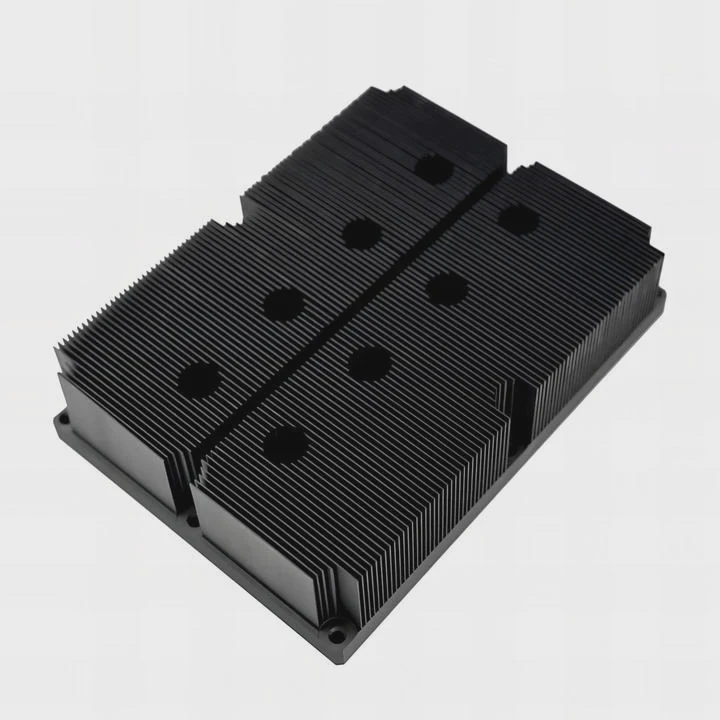
Air cooling works by using fans or blowers to move air across a heat sink or radiator, carrying heat away from components into the surrounding environment.
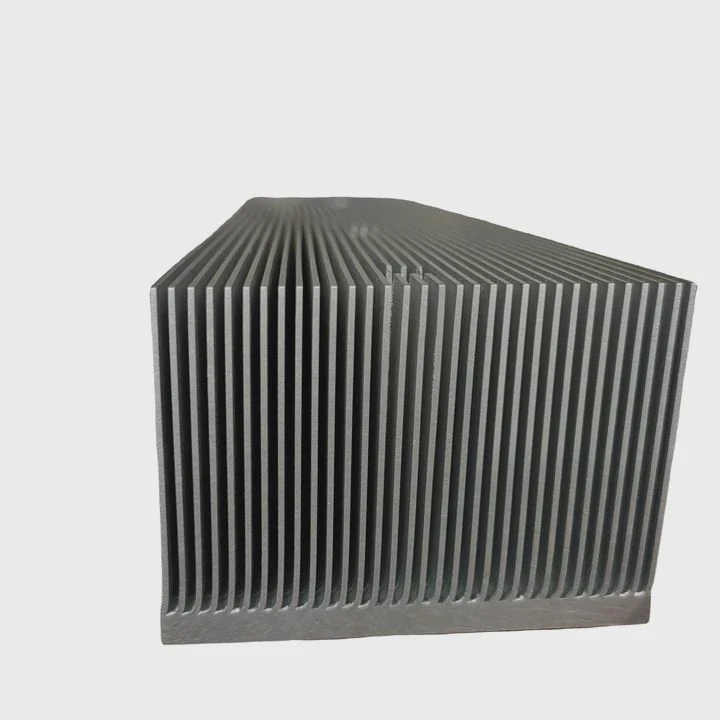
Air cooling is common because of its simplicity and low cost. The process starts when a component, like a CPU or power module, generates heat. This heat moves into a metal heat sink — usually made of aluminum or copper — which has fins that increase surface area. Fans then push or pull air across those fins. As the air passes, it absorbs the heat and carries it away.
How Air Cooling Systems Are Built
Air cooling systems have several main parts:
| Component | Function |
|---|---|
| Heat sink | Absorbs and spreads heat from the device |
| Fan or blower | Moves air to carry heat away |
| Thermal interface material (TIM) | Ensures good contact between device and heat sink |
| Enclosure airflow design | Guides air efficiently through the system |
A good air-cooled design depends heavily on airflow direction and temperature difference. Hot air must leave quickly, and cool air must replace it fast. Poor airflow can cause heat to build up inside, which reduces the life of components.
Where Air Cooling Works Best
Air cooling is ideal for systems with:
- Low to moderate power density
- Ample space for airflow
- Environments where noise or dust is not critical
- Cost-sensitive applications
Examples include small computers, power converters, and many industrial machines.
However, air cooling faces challenges. As components become smaller and power density increases, the amount of heat per square centimeter rises sharply. Fans alone may no longer remove heat fast enough, and air cooling efficiency drops.
What Is Liquid Cooling and How Does It Work?
When heat becomes too high for air to handle, liquid takes over. Liquid cooling uses fluid to move heat more effectively than air.
Liquid cooling works by circulating a coolant through cold plates or tubes that absorb heat from components, then releasing it through a radiator or heat exchanger.
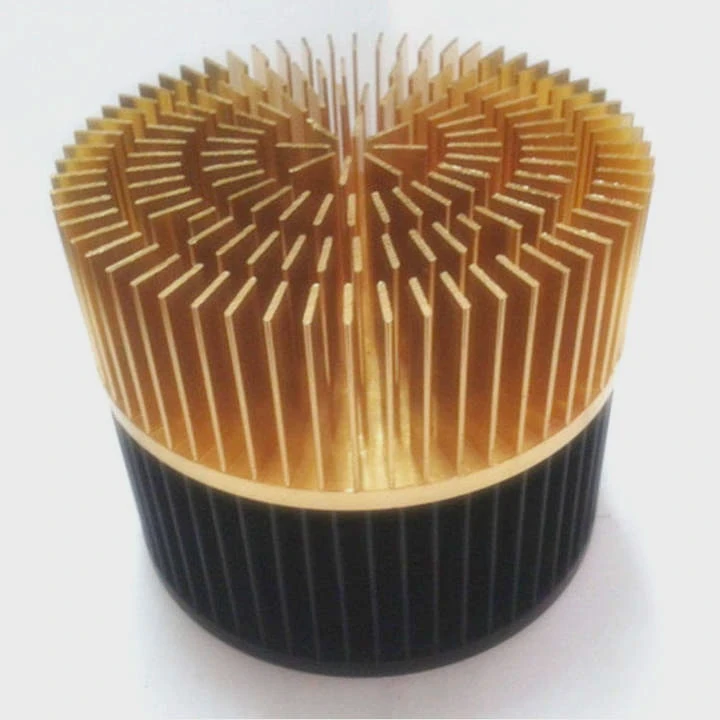
In a liquid cooling system, heat transfers in two stages. First, the liquid absorbs heat directly from the source — for example, a CPU, inverter, or battery pack. Second, that hot liquid moves through pipes to a radiator, where fans cool it down again. Because liquid has a much higher heat capacity and thermal conductivity than air, it can carry away more heat per second.
Main Components of Liquid Cooling
| Component | Description |
|---|---|
| Cold plate | A metal plate (often aluminum or copper) attached to the heat source to absorb heat |
| Pump | Moves coolant through the system |
| Radiator or heat exchanger | Releases heat from the liquid into the air |
| Coolant | Transfers heat efficiently, often glycol-water or dielectric fluid |
| Reservoir and tubes | Store and direct the liquid flow |
The cold plate plays the most important role. Inside it are fine channels or microgrooves that increase the surface area for heat transfer. When coolant flows through these tiny paths, it picks up heat quickly and carries it away.
Applications of Liquid Cooling
Liquid cooling is used in high-power or space-limited systems, such as:
- High-performance computers (HPCs)
- Electric vehicles and battery modules
- Power electronics and converters
- Semiconductor equipment
- Medical lasers and communication base stations
These systems often require precise temperature control and cannot rely only on air to keep components within safe operating limits.
What Are the Benefits of Liquid Cooling Over Air Cooling?
For engineers who want higher performance or more compact designs, liquid cooling offers clear advantages.
Liquid cooling provides better heat transfer, lower noise, and higher reliability for high-power or space-limited systems compared to traditional air cooling.
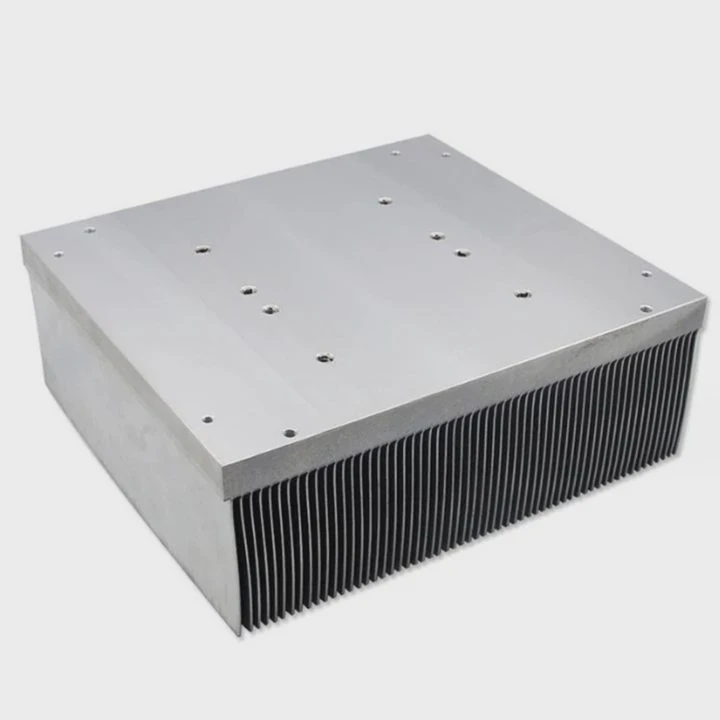
Let’s explore why this is true.
1. Higher Heat Transfer Efficiency
Liquids have much greater thermal conductivity than air. For example:
- Air: ~0.025 W/m·K
- Water: ~0.6 W/m·K
That’s about 24 times higher. This means liquid can absorb and move heat much faster, allowing systems to stay cool even under heavy load.
2. Compact Design and Lightweight
Liquid cooling allows for smaller heat sinks because the fluid can move heat more efficiently. This is critical in tight spaces like electric vehicle battery packs or 5G telecom devices. Using a compact cold plate instead of a large fan-based radiator helps reduce both size and weight.
3. Lower Noise
Air cooling relies on fans that often create noticeable noise. Liquid systems use smaller or fewer fans since the coolant does most of the heat removal. As a result, they operate much more quietly, which is important for medical or office environments.
4. Stable and Uniform Temperature
Because liquid flow spreads heat evenly, it helps maintain consistent temperatures across components. Airflow, in contrast, can create “hot spots.” Uniform cooling reduces stress on materials and improves system reliability over time.
5. Longer Component Lifespan
When components run cooler, they last longer. This benefit often offsets the higher initial cost of liquid cooling, especially in critical systems that require long-term performance stability.
Example Comparison Table
| Feature | Air Cooling | Liquid Cooling |
|---|---|---|
| Cooling efficiency | Moderate | High |
| Noise level | Medium to high | Low |
| Maintenance | Low | Medium |
| Cost | Low | Higher initial cost |
| Ideal for | Low-power systems | High-power, compact systems |
How Do You Choose Between Air and Liquid Cooling for Your System?
The choice between air and liquid cooling is not just about cost — it’s about system performance, space, and future scalability.
Choose air cooling for low-power, open systems; choose liquid cooling for high-density, high-reliability, or space-limited designs.
When selecting a cooling method, I usually consider these key factors.
1. Power Density and Heat Load
If the total heat output is below 200–300 W, air cooling often works fine. Above 500 W, or when the power density exceeds 10 W/cm², liquid cooling becomes much more efficient and stable. For example, in electric vehicles or data servers, the heat generated per unit area can be extremely high, making liquid cooling the only practical solution.
2. Space and Layout Constraints
Air cooling needs space for fans and airflow channels. If your system has limited room, air movement might be restricted. Liquid cooling uses narrow pipes and cold plates, which can fit into compact layouts more easily.
3. Environmental Conditions
In dusty or humid environments, fans can fail faster, and air filters need frequent cleaning. Liquid cooling systems are often sealed, which keeps contaminants out and reduces maintenance frequency.
4. Noise Requirements
For quiet applications like medical imaging systems or high-end consumer electronics, liquid cooling helps maintain silence without sacrificing performance.
5. Long-Term Maintenance and Reliability
Air-cooled systems are easier to maintain, but liquid-cooled systems, when designed correctly, can run for years with little servicing. Pumps and seals must be high quality to avoid leaks, and coolant should be replaced periodically to maintain efficiency.
6. Cost and Lifecycle Value
Although liquid cooling is more expensive to build, it may reduce long-term costs by improving reliability, reducing downtime, and extending equipment lifespan. For mission-critical industries — aerospace, rail transit, or semiconductor equipment — total lifecycle value often matters more than upfront cost.
How I Usually Decide
When designing for performance or high-heat-density systems, I often start with simulation models that predict heat flow. Once the estimated heat flux crosses a threshold, liquid cooling quickly becomes the more reliable choice. On the other hand, for general-purpose equipment where the temperature rise is small, air cooling keeps things simpler and cheaper.
Practical Example: Comparing Two Systems
| Criteria | Air-Cooled Power Converter | Liquid-Cooled Power Converter |
|---|---|---|
| Power rating | 1 kW | 10 kW |
| Heat sink size | 250×150×80 mm | 180×120×25 mm |
| Noise | 45 dB | 30 dB |
| Lifetime | 3–5 years | 8–10 years |
| Cooling medium | Air | Water-glycol |
| Maintenance interval | 12 months | 24 months |
From this comparison, it’s clear that liquid cooling gives better long-term reliability and smaller footprint, even though it has higher initial setup complexity.
Conclusion
Air cooling is simple and affordable, while liquid cooling is powerful and efficient. The right choice depends on heat load, available space, and system goals. As technology evolves, liquid cooling continues to replace air systems in high-performance and compact designs.
TAGS
Latest Articles

Volume discount levels for heat sink orders?
Buyers often ask when heat sink prices start to drop with volume. Many worry they’re overpaying for small orders. This guide explains how B2B volume pricing works for thermal components. Heat sink
21 Dec,2025
Heat sink long-term supply contract options?
Many buyers want stable pricing and reliable delivery for heat sinks. But without a clear contract, risks grow over time. This article explores how to secure better long-term supply deals. Long-term
21 Dec,2025
Tooling cost for new heat sink profiles?
Many engineers struggle to understand why tooling for custom heat sinks costs so much. They worry about budgeting and production timelines. This article breaks down the cost drivers behind tooling.
21 Dec,2025
Heat sink custom sample process steps?
Sometimes, starting a custom heat sink project feels overwhelming—too many steps, too many unknowns, and too many risks. You want a sample, but not endless delays. The process for requesting and
20 Dec,2025
Standard B2B terms for heat sink payments?
When buyers and sellers in B2B heat sink markets talk about payment, many don’t fully understand what’s standard. This can lead to delayed orders, miscommunication, and even lost business
20 Dec,2025
Heat sink pricing factors for large orders?
Heat sinks are vital for many systems. When prices rise, projects stall and budgets break. This problem can hit teams hard without warning. Large order heat sink pricing depends on many factors. You
20 Dec,2025Related Articles
- When to replace liquid cooling?
- Which phone has liquid cooling system?
- Why is a Liquid Cooled System Pressurized?
- Why is a liquid cooled system pressurised?
- Why is glass considered a super cooled liquid?
- Heat Sink Manufacturer in Paraguay
- What is VC liquid cooling?
- What is the difference between liquid cooled and air cooled?
- What is super cooled liquid?
- What is liquid cooling system in mobile?
- What is Liquid Cooling Data Center?
- What is liquid cooling CPU?
Author
Dr. Emily Chen
Chief AI Researcher
Leading expert in thermal dynamics and AI optimization with over 15 years of experience in data center efficiency research.
Categories
Latest Products






Recommend Categories
- Liquid cooling plate Manufacturer
- Industrial Heat Sink Manufacturer
- Standard Heat Sink Manufacturer
- Aluminum Heat Sink Manufacturer
- Copper Heat Sink Manufacturer
- Anodized Heatsink Manufacturer
- Stamping heat sink Manufacturer
- Die Casting Heatsink Manufacturer
- Soldering heat sink Manufacturer
- CNC Parts Manufacturer
Latest Products
- Wholesale Aluminum Radiator
- Water Cooling Plate Kit
- Water Cooling Heat Sink
- Water Cooling Heat Sink Kit
- Stainless Steel Water Distributor
- Server Water Cooling Plate Kit
- Server Liquid Cooling System
- Server Aluminum Cooling Kit
- S19 Full Cover Cooling Plate
- S19 Cooling Plate Kit
- S19 Aluminum Cooling Plate
Contact Expert
Have questions about this article? Reach out to our experts directly.