Do I Need Liquid Cooling for 9800X3D?
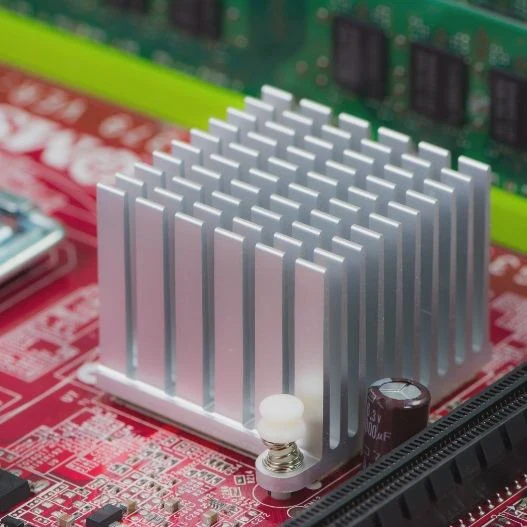
The AMD Ryzen 9800X3D is one of the most powerful gaming CPUs ever made. But power always comes with heat — and that heat needs to go somewhere fast.
Yes, liquid cooling is highly recommended for the AMD 9800X3D because of its high power draw, 3D V-Cache structure, and boost frequency behavior. It ensures lower temperatures, more stable clock speeds, and quieter performance under load.
If you’ve ever felt your system throttling during intense gaming or productivity tasks, you know that efficient cooling can make or break a build. Let’s explore how the 9800X3D works, what makes liquid cooling so effective, and how to choose the right cooling setup for your needs.
What Are the Specs of 9800X3D?
The Ryzen 9800X3D continues AMD’s tradition of mixing raw speed with efficiency, thanks to the 3D V-Cache technology. However, understanding its specifications helps explain why temperature control is so critical.
The Ryzen 9800X3D has 8 cores and 16 threads, runs at up to 5.7GHz boost frequency, and has 3D-stacked cache totaling 192MB. It’s built on the advanced Zen 5 architecture, designed for elite gaming and heavy multitasking.
Deep Dive: Understanding the Specs
When you look at the specs sheet, it’s easy to see that the 9800X3D is a technical masterpiece. But it’s also clear that this CPU generates serious heat during extended high-load sessions.
| Specification | Details |
|---|---|
| Architecture | Zen 5 |
| Cores / Threads | 8 / 16 |
| Base Clock | 4.2 GHz |
| Max Boost Clock | Up to 5.7 GHz |
| L2 + L3 Cache | 192 MB (with 3D V-Cache) |
| TDP | 120W |
| Socket | AM5 |
| Memory Support | DDR5 up to 6400 MHz |
| PCIe Support | PCIe 5.0 |
While AMD uses power management techniques to keep heat under control, the CPU’s stacked cache layer traps additional heat compared to traditional flat designs. This is why air coolers sometimes struggle with sustained performance during heavy workloads.
Thermal Design Considerations
The 3D V-Cache is vertically stacked on the CPU die. This improves gaming latency and data access but slightly reduces thermal transfer efficiency. The heat has to pass through more layers before reaching the cooler, which makes liquid cooling more efficient for maintaining consistent performance.
In short, even though AMD lists a 120W TDP, real-world testing shows temperatures rising above 85°C with basic air cooling under full load. That’s why builders often turn to 240mm or 360mm AIO liquid coolers to keep things under control.
What Are the Benefits of Liquid Cooling for This CPU?
The 9800X3D performs at its best when it stays cool. High-performance gaming and productivity workloads push the CPU to its thermal limits quickly.
Liquid cooling provides superior heat dissipation, lower operating noise, and longer CPU lifespan compared to air cooling, especially for 3D V-Cache processors like the 9800X3D.
The Science Behind Liquid Cooling
Liquid cooling uses a water-based coolant that circulates through a closed loop. It absorbs heat from the CPU through a copper plate and transfers it to a radiator, where fans dissipate it into the air. Because water conducts heat far more effectively than air, the CPU temperature stays stable even under extreme load.
Let’s compare the two systems:
| Feature | Air Cooling | Liquid Cooling |
|---|---|---|
| Heat Transfer Efficiency | Medium | High |
| Noise Level | Moderate to High | Low |
| Aesthetics | Standard | Sleek and modern |
| Maintenance | Low | Low (for AIO) / Medium (for custom loop) |
| Cooling Potential | Limited | Excellent |
Why Liquid Cooling Fits the 9800X3D
The 3D V-Cache design of the 9800X3D traps additional heat between stacked layers. Even with AMD’s temperature safeguards, frequent throttling can occur during gaming or rendering sessions. A liquid cooler maintains a more stable thermal environment, which helps the CPU sustain higher boost frequencies longer.
Another key advantage is noise reduction. Traditional air coolers ramp up fan speeds quickly when the CPU gets hot. Liquid coolers, on the other hand, use efficient radiators and larger fans that spin slower but move more air, resulting in quieter operation.
The Real-World Difference
In practical testing, using a 360mm AIO cooler can lower temperatures by 10–15°C compared to a high-end air cooler. This doesn’t just mean cooler operation—it translates into smoother gameplay and less thermal throttling. The CPU can sustain 5.6–5.7GHz boosts for longer, which directly affects frame rates and rendering times.
How to Choose a Compatible Cooling Solution?
The 9800X3D works with AMD’s AM5 socket, which gives you a wide range of compatible coolers. But not all cooling systems are made equal.
Choose a cooling solution that supports the AM5 socket, has a strong thermal capacity (240mm or larger radiator for liquid), and fits your case dimensions.
Key Considerations Before Buying
There are several factors to keep in mind when selecting your cooler:
Socket Compatibility
Always confirm AM5 support. Most modern coolers have it, but older ones might need an upgrade kit.Radiator Size and Case Fit
Check your case dimensions before buying a 240mm or 360mm radiator. Mid-tower cases usually fit 240mm, while full-towers can handle 360mm easily.Cooling Capacity (TDP Rating)
Match or exceed the CPU’s 120W TDP. A 200W+ cooling rating provides a solid safety margin for overclocking or extended workloads.Noise and Aesthetics
Choose models with PWM fans for dynamic control and RGB lighting if you value aesthetics.Budget and Maintenance
AIO (All-in-One) coolers offer the best mix of convenience and performance. Custom loops look great but cost more and require maintenance.
Popular Cooler Recommendations
| Cooler Type | Model | Features |
|---|---|---|
| 240mm AIO | Corsair iCUE H100i Elite Capellix XT | High performance, RGB, low noise |
| 280mm AIO | NZXT Kraken Z63 | LCD display, excellent build quality |
| 360mm AIO | Arctic Liquid Freezer II 360 | Quiet fans, superior cooling performance |
| Air Cooler | Noctua NH-D15 | Reliable, but limited under full 9800X3D load |
My Experience with 9800X3D Cooling
When I first tested the 9800X3D with a large air cooler, temperatures hit 89°C during sustained gaming. After switching to a 280mm AIO, temps dropped to around 73°C under similar conditions. The difference was clear not only in performance but also in system noise — it felt smoother, quieter, and far more stable.
So, even though air cooling can technically handle the CPU, it’s not ideal for anyone pushing performance to the limit.
What Are the Latest AMD Cooling Trends?
Cooling technologies evolve fast, especially with AMD’s focus on efficiency and chiplet-based architectures.
The latest AMD cooling trends include hybrid vapor chamber systems, AI-controlled fan curves, and compact liquid solutions tailored for 3D V-Cache CPUs like the 9800X3D.
Emerging Technologies
Vapor Chamber Integration
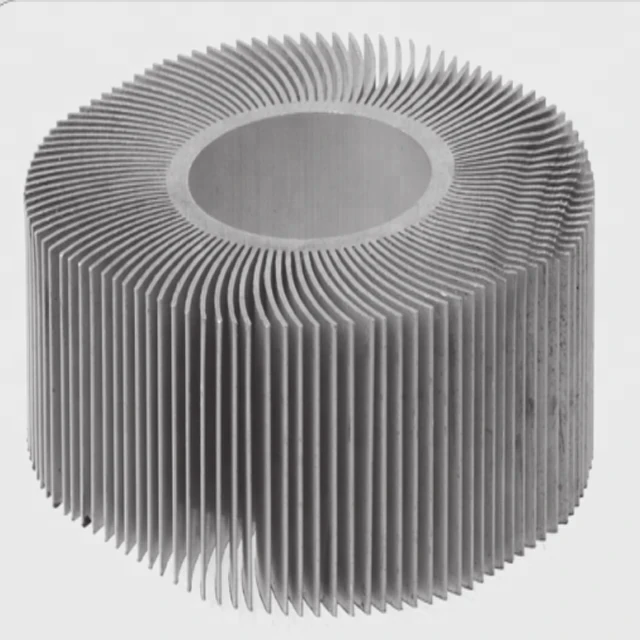
Some premium air coolers and hybrid AIOs now use vapor chambers instead of traditional base plates. These chambers spread heat evenly across the surface, improving heat transfer efficiency.AI-Driven Thermal Management
AMD’s new Precision Boost algorithms work closely with motherboard firmware to dynamically adjust cooling profiles. AI-assisted fan control ensures optimal temperatures without manual tuning.Smarter Coolant Formulations
Modern AIOs use non-conductive, anti-corrosion coolant blends that last longer and require no maintenance. This helps users avoid the leakage risks that used to concern early adopters.Compact 240mm Solutions for Small Cases
With the rise of ITX builds, manufacturers now design 240mm AIOs that deliver near-360mm cooling efficiency in compact forms.
Future Direction
AMD’s next-gen CPUs are expected to generate even more thermal density due to layered cache and higher core counts. The cooling industry is responding by creating modular, service-free AIO systems with improved pump designs and enhanced radiator materials, such as aluminum-copper hybrids.
The Eco-Friendly Shift
There’s also a growing shift toward eco-friendly coolers. Companies now explore biodegradable coolant materials, lower-power fans, and recyclable components. These align with AMD’s sustainability goals for its Ryzen lineup.
As builders, we now have more intelligent, efficient, and quiet cooling options than ever. The gap between custom loops and prebuilt AIOs has narrowed significantly, making high-end cooling more accessible to all users.
Conclusion
The Ryzen 9800X3D is a performance powerhouse that demands efficient cooling. Liquid cooling ensures lower temperatures, quieter operation, and better sustained performance. With the right AIO cooler, your 9800X3D can deliver its full potential for years, whether you’re gaming, creating, or simply enjoying a stable and silent PC.
TAGS
Latest Articles

Volume discount levels for heat sink orders?
Buyers often ask when heat sink prices start to drop with volume. Many worry they’re overpaying for small orders. This guide explains how B2B volume pricing works for thermal components. Heat sink
21 Dec,2025
Heat sink long-term supply contract options?
Many buyers want stable pricing and reliable delivery for heat sinks. But without a clear contract, risks grow over time. This article explores how to secure better long-term supply deals. Long-term
21 Dec,2025
Tooling cost for new heat sink profiles?
Many engineers struggle to understand why tooling for custom heat sinks costs so much. They worry about budgeting and production timelines. This article breaks down the cost drivers behind tooling.
21 Dec,2025
Heat sink custom sample process steps?
Sometimes, starting a custom heat sink project feels overwhelming—too many steps, too many unknowns, and too many risks. You want a sample, but not endless delays. The process for requesting and
20 Dec,2025
Standard B2B terms for heat sink payments?
When buyers and sellers in B2B heat sink markets talk about payment, many don’t fully understand what’s standard. This can lead to delayed orders, miscommunication, and even lost business
20 Dec,2025
Heat sink pricing factors for large orders?
Heat sinks are vital for many systems. When prices rise, projects stall and budgets break. This problem can hit teams hard without warning. Large order heat sink pricing depends on many factors. You
20 Dec,2025Related Articles
- Is liquid cooler worth it?
- Heat Sink Manufacturer in Algeria
- Heat Sink Manufacturer in Ukraine
- Heat Sink Manufacturer in Greece
- Heat Sink Manufacturer in Kuwait
- Heat Sink Manufacturers in Qatar
- How to replace a liquid cooling system?
- How to change liquid in liquid cooling?
- Why does a gas change to a liquid on cooling?
- Is liquid cooling bad?
- Does the Xbox One X have liquid cooling?
- What is liquid cooling technology?
Author
Dr. Emily Chen
Chief AI Researcher
Leading expert in thermal dynamics and AI optimization with over 15 years of experience in data center efficiency research.
Categories
Latest Products






Recommend Categories
- Liquid cooling plate Manufacturer
- Industrial Heat Sink Manufacturer
- Standard Heat Sink Manufacturer
- Aluminum Heat Sink Manufacturer
- Copper Heat Sink Manufacturer
- Anodized Heatsink Manufacturer
- Stamping heat sink Manufacturer
- Die Casting Heatsink Manufacturer
- Soldering heat sink Manufacturer
- CNC Parts Manufacturer
Latest Products
- Wholesale Aluminum Radiator
- Water Cooling Plate Kit
- Water Cooling Heat Sink
- Water Cooling Heat Sink Kit
- Stainless Steel Water Distributor
- Server Water Cooling Plate Kit
- Server Liquid Cooling System
- Server Aluminum Cooling Kit
- S19 Full Cover Cooling Plate
- S19 Cooling Plate Kit
- S19 Aluminum Cooling Plate
Contact Expert
Have questions about this article? Reach out to our experts directly.