How to change liquid in liquid cooling?
When your cooling system starts to lose efficiency, the problem often lies not in the hardware, but in the liquid inside it. Over time, coolant degrades, reducing its ability to transfer heat effectively.
To change the liquid in a liquid cooling system, you need to drain the old coolant, flush the system, and refill it with a clean, compatible liquid. Regular replacement maintains optimal heat transfer and extends the lifespan of your components.
Changing the coolant may sound simple, but it requires attention to detail. Let’s explore what causes coolant degradation, why replacement matters, and how to safely perform the procedure while staying ahead of modern maintenance trends.
What causes coolant degradation?
When your system runs 24⁄7, the coolant faces continuous thermal stress. Over months or years, it starts to break down, leading to corrosion, discoloration, and reduced performance.
Coolant degradation happens due to thermal cycling, oxidation, microbial growth, and contamination from metallic or chemical residues. These factors lower thermal conductivity and can damage system components.
Degraded coolant is one of the most overlooked issues in thermal systems. Many users think that as long as the liquid flows, it is fine. But this is far from true.
Common causes of coolant degradation
| Cause | Description | Effect |
|---|---|---|
| Thermal breakdown | Constant heating and cooling cycles cause the liquid molecules to weaken. | Reduced heat transfer efficiency. |
| Oxidation | Exposure to air during operation or poor sealing leads to oxidation. | Creates acidic compounds that corrode metals. |
| Microbial growth | If the coolant contains water, bacteria or algae may develop. | Causes clogging and discoloration. |
| Contamination | Small metal particles from pipes or pump erosion mix with the coolant. | Blocks microchannels and affects flow. |
When these effects combine, they reduce both the flow and the cooling efficiency. This leads to rising temperatures, pump stress, and sometimes system failure.
Signs of coolant degradation
You can usually spot degraded coolant by checking:
- Cloudy or discolored liquid inside the reservoir.
- Visible residue or particles in the tubing.
- A burnt smell or odd odor from the system.
- Unusual pump noise due to restricted flow.
In short, coolant degradation is not only a chemical issue but also a mechanical one. It silently damages your system until performance suddenly drops.
Why is replacement important?
A cooling system without proper coolant maintenance will slowly lose its efficiency. This results in unstable temperatures and a shorter lifespan for your components.
Replacing the coolant ensures optimal heat transfer, prevents corrosion, and maintains the integrity of seals and metal surfaces within the system.
When you think of coolant as the lifeblood of your system, it becomes clear that neglecting it can cause long-term harm. Regular replacement removes contaminants and renews protective additives.
Key benefits of coolant replacement
| Benefit | Explanation |
|---|---|
| Improved heat transfer | Fresh liquid restores the coolant’s ability to absorb and dissipate heat efficiently. |
| Corrosion protection | New coolant contains active inhibitors that protect copper, aluminum, and steel parts. |
| Extended lifespan | Regular replacement reduces stress on the pump and tubing, preventing early failures. |
| Stable operation | Prevents hot spots, vapor buildup, and uneven temperature distribution. |
Long-term consequences of ignoring replacement
If you skip regular replacement, you may face issues like:
- Blocked channels and uneven flow.
- Pump wear from contaminated liquid.
- Thermal damage to components.
- Higher maintenance costs later.
For industrial systems, such as those used in power electronics or energy storage modules, the cost of neglect can be very high. Replacing coolant on time prevents these cascading problems.
How to safely change the cooling liquid?
Replacing coolant safely is about more than just pouring out the old liquid. It involves preparation, correct tools, and patience.
To safely change cooling liquid, power off the system, drain all old coolant, flush the circuit with distilled water, and refill it with compatible fluid while removing trapped air.
Step-by-step process
Step 1: Preparation
- Turn off and unplug the entire system.
- Allow it to cool completely before starting.
- Gather materials: new coolant, distilled water, container for old fluid, funnel, and soft cloths.
Step 2: Drain the old coolant
- Open the drain valve or remove the lowest tube.
- Let the coolant fully drain into a container.
- Tilt the device gently to remove trapped liquid.
- Dispose of old coolant safely, following environmental rules.
Step 3: Flush the system
- Fill the system with distilled water.
- Run the pump (without powering other components) for a few minutes.
- Drain again to remove any remaining residue.
- Repeat until the water runs clear.
Step 4: Refill with new coolant
- Slowly pour in the new coolant through the reservoir.
- Tilt and tap tubing lightly to release trapped air bubbles.
- Run the pump briefly to circulate the fluid.
- Top up if the level drops as air escapes.
Step 5: Leak check
- Power on only the pump and check all fittings.
- Look for leaks around joints and valves.
- Tighten connections if needed, but avoid over-tightening.
Step 6: Final inspection
- Observe fluid color and flow rate.
- Check for any strange noises from the pump.
- Monitor temperatures over the next few hours.
Pro tips for safety
- Always wear gloves and eye protection when handling coolant.
- Never mix two different coolant brands or types.
- Do not reuse old coolant even if it looks clean.
- Avoid spilling coolant on sensitive electronics.
Once the process is complete, your system will run smoother, quieter, and cooler. It’s a small investment of time that brings long-term stability.
What are the maintenance trends in cooling systems?
Cooling system maintenance has evolved fast in recent years. As systems become more powerful, traditional methods are no longer enough.
Modern maintenance trends include predictive monitoring, smart sensors, eco-friendly coolants, and modular fluid systems that simplify service and extend component life.
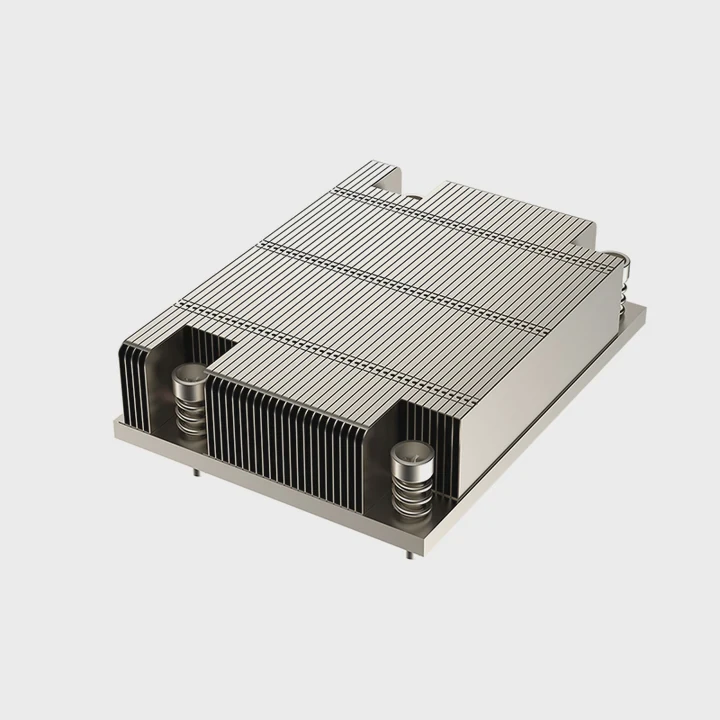
These trends are shaping the way both individuals and industries handle liquid cooling. Let’s explore them in detail.
1. Predictive maintenance
Instead of waiting for performance to drop, sensors now track coolant quality in real time. Temperature, flow rate, and conductivity data can predict when replacement is needed.
This approach prevents downtime and reduces maintenance costs.
2. Smart monitoring
IoT-enabled systems use sensors that connect to cloud dashboards. Users can see coolant levels, flow efficiency, and contamination alerts from anywhere.
For industrial applications, remote monitoring has become a standard requirement.
3. Eco-friendly coolants
New coolants are now biodegradable, non-toxic, and made with low environmental impact formulas. They resist oxidation and microbial growth longer.
This shift helps meet environmental regulations and improves workplace safety.
4. Modular fluid systems
Designers are now developing modular cooling systems that can be drained, cleaned, and refilled easily. These systems have quick-connect fittings, making maintenance faster and cleaner.
5. AI-based system optimization
Artificial intelligence tools analyze data from sensors to automatically adjust pump speeds, flow rates, and coolant circulation.
This not only saves energy but also extends component life by maintaining stable conditions.
Table: Comparison of Traditional vs. Modern Maintenance Approaches
| Aspect | Traditional Approach | Modern Trend |
|---|---|---|
| Maintenance schedule | Fixed intervals | Predictive monitoring |
| Fluid check | Manual inspection | Real-time sensors |
| Coolant type | Glycol-water mix | Eco-friendly advanced fluids |
| System design | Closed loop | Modular and serviceable |
| Energy efficiency | Moderate | Optimized via AI control |
The future of cooling maintenance
In the next few years, we will likely see fully automated maintenance cycles. The system itself will know when to replace coolant and may even self-drain or self-refill.
These innovations will make thermal systems safer, cleaner, and more efficient for both industrial and consumer applications.
Conclusion
Coolant replacement is not just about changing a liquid; it is about protecting the heart of your cooling system. By understanding degradation, replacing fluid on time, and adopting smart maintenance methods, you ensure stable performance and longer equipment life.
TAGS
Latest Articles

Volume discount levels for heat sink orders?
Buyers often ask when heat sink prices start to drop with volume. Many worry they’re overpaying for small orders. This guide explains how B2B volume pricing works for thermal components. Heat sink
21 Dec,2025
Heat sink long-term supply contract options?
Many buyers want stable pricing and reliable delivery for heat sinks. But without a clear contract, risks grow over time. This article explores how to secure better long-term supply deals. Long-term
21 Dec,2025
Tooling cost for new heat sink profiles?
Many engineers struggle to understand why tooling for custom heat sinks costs so much. They worry about budgeting and production timelines. This article breaks down the cost drivers behind tooling.
21 Dec,2025
Heat sink custom sample process steps?
Sometimes, starting a custom heat sink project feels overwhelming—too many steps, too many unknowns, and too many risks. You want a sample, but not endless delays. The process for requesting and
20 Dec,2025
Standard B2B terms for heat sink payments?
When buyers and sellers in B2B heat sink markets talk about payment, many don’t fully understand what’s standard. This can lead to delayed orders, miscommunication, and even lost business
20 Dec,2025
Heat sink pricing factors for large orders?
Heat sinks are vital for many systems. When prices rise, projects stall and budgets break. This problem can hit teams hard without warning. Large order heat sink pricing depends on many factors. You
20 Dec,2025Related Articles
- How to replace a liquid cooling system?
- Do I Need Liquid Cooling for 9800X3D?
- Is liquid cooler worth it?
- Heat Sink Manufacturer in Algeria
- Heat Sink Manufacturer in Ukraine
- Heat Sink Manufacturer in Greece
- Why does a gas change to a liquid on cooling?
- Is liquid cooling bad?
- Does the Xbox One X have liquid cooling?
- What is liquid cooling technology?
- Which is better, liquid cooling or air?
- Is Alienware Aurora R8 Liquid Cooled?
Author
Dr. Emily Chen
Chief AI Researcher
Leading expert in thermal dynamics and AI optimization with over 15 years of experience in data center efficiency research.
Categories
Latest Products






Recommend Categories
- Liquid cooling plate Manufacturer
- Industrial Heat Sink Manufacturer
- Standard Heat Sink Manufacturer
- Aluminum Heat Sink Manufacturer
- Copper Heat Sink Manufacturer
- Anodized Heatsink Manufacturer
- Stamping heat sink Manufacturer
- Die Casting Heatsink Manufacturer
- Soldering heat sink Manufacturer
- CNC Parts Manufacturer
Latest Products
- Wholesale Aluminum Radiator
- Water Cooling Plate Kit
- Water Cooling Heat Sink
- Water Cooling Heat Sink Kit
- Stainless Steel Water Distributor
- Server Water Cooling Plate Kit
- Server Liquid Cooling System
- Server Aluminum Cooling Kit
- S19 Full Cover Cooling Plate
- S19 Cooling Plate Kit
- S19 Aluminum Cooling Plate
Contact Expert
Have questions about this article? Reach out to our experts directly.