How to replace a liquid cooling system?
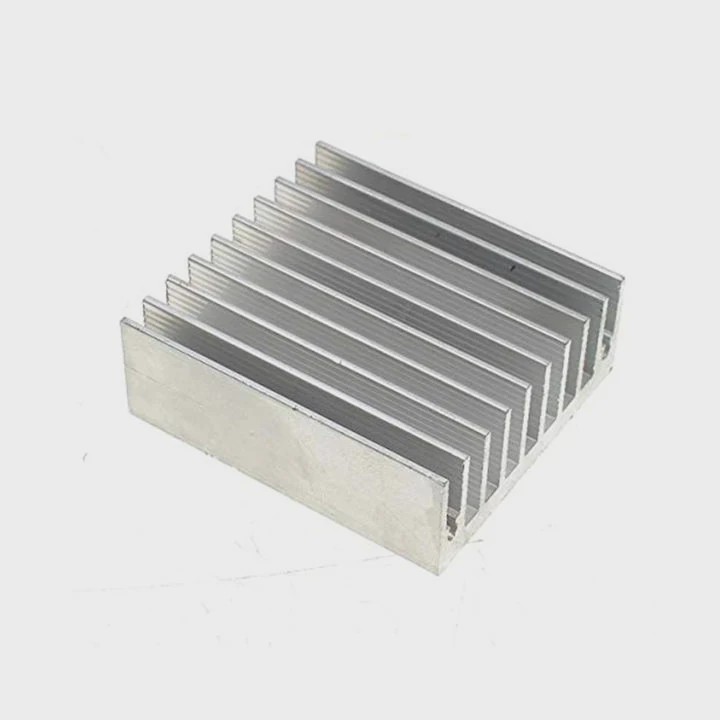
Sometimes, even the best cooling systems fail. A small leak, pump noise, or reduced efficiency can make your whole setup unstable.
You can replace a liquid cooling system by checking component health, draining coolant safely, installing new modules, and re-filling the loop with clean fluid.
If done right, replacement not only restores performance but also prevents costly thermal damage. Let’s explore when and how to do it properly.
When should a liquid cooling system be replaced?
Over time, I’ve noticed that liquid cooling setups lose their power silently. A slow temperature rise or unusual sound often means the system needs attention.
A liquid cooling system should be replaced when you find leaks, pump failure, or thermal efficiency drops by more than 20%. Regular checks every 12–18 months help prevent sudden breakdowns.
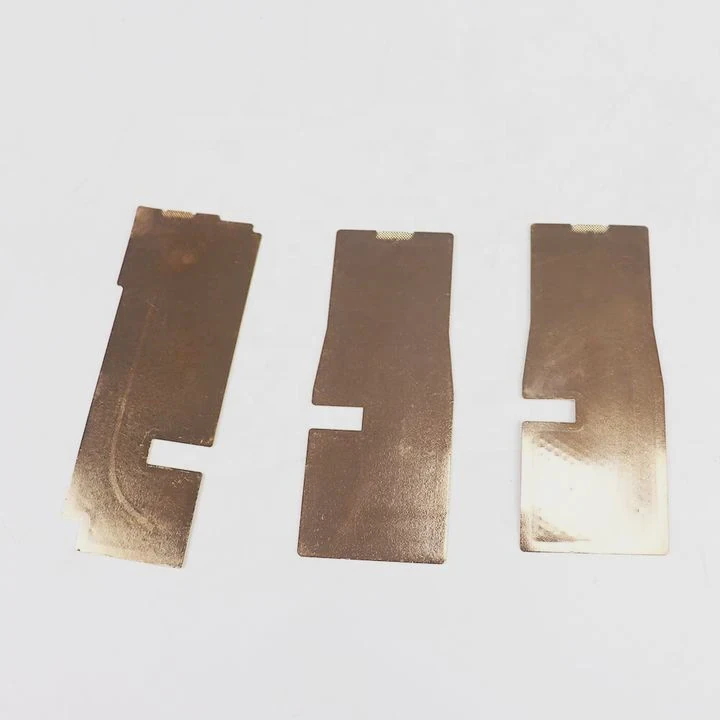
When I replace old systems, I always look for early warning signs. Corrosion, color change in coolant, or micro-bubbles in tubes often show internal damage. Aging seals and worn-out pumps can lead to overheating. A system may also need replacement if you upgrade to higher heat-load equipment or switch from air to hybrid cooling.
Common Warning Signs
| Symptom | Possible Cause | Action |
|---|---|---|
| Rising CPU/GPU temperature | Blocked radiator or low fluid level | Check and refill or clean |
| Pump noise or vibration | Bearing wear or cavitation | Replace pump |
| Fluid discoloration | Contamination or corrosion | Flush and refill |
| Frequent system shutdown | Pump failure or airlock | Replace or bleed system |
Monitoring tools make it easy to detect gradual degradation. Many engineers use thermal logging software to spot trends before damage occurs. When the coolant ages, it loses its thermal conductivity, and the risk of internal oxidation increases. Replacement then becomes a necessary preventive measure rather than an emergency fix.
What are the benefits of replacement?
When I replaced my first liquid cooling loop, the temperature drop amazed me. The machine ran quieter, smoother, and more efficiently.
Replacing your liquid cooling system restores performance, reduces thermal stress, and extends component life. It also helps maintain power efficiency and avoids system instability.
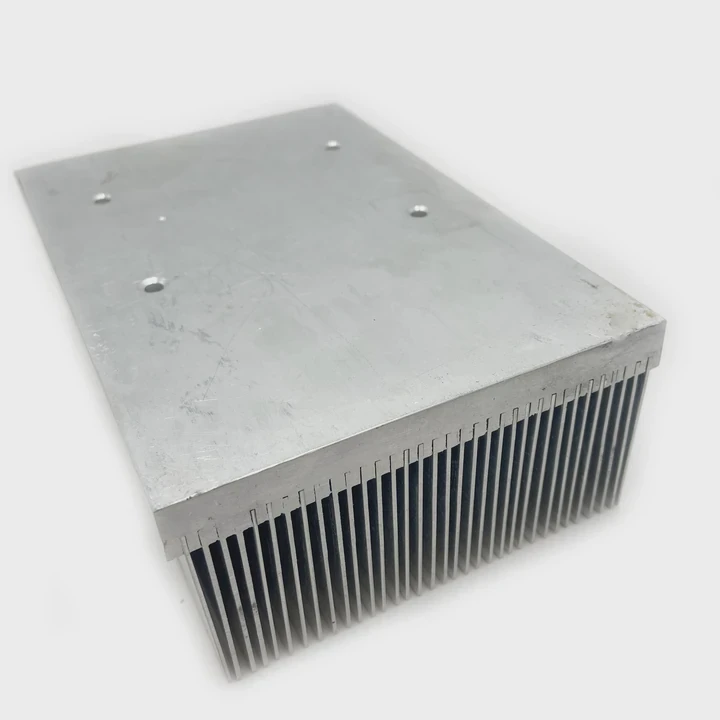
Modern cooling systems use better materials and smarter control modules. New pumps are brushless, radiators have higher fin density, and coolants include anti-corrosion additives. These upgrades improve heat transfer and stability.
Main Benefits of Replacement
| Benefit | Description |
|---|---|
| Performance Restoration | New systems transfer heat faster and reduce temperature spikes. |
| Noise Reduction | Modern pumps and fans are quieter and more balanced. |
| Energy Efficiency | Lower operating temperatures reduce power consumption. |
| Safety Improvement | New seals and connectors prevent leakage risks. |
| Longer Lifespan | Updated components reduce wear and extend service intervals. |
When working in industrial or data center environments, the benefit extends beyond simple performance. Consistent cooling ensures process reliability and prevents equipment downtime. In high-power devices such as EV battery systems or server CPUs, a degraded cooling loop can lead to failures costing thousands. Replacement acts as insurance for stability.
How to perform the replacement safely?
Many technicians rush this step and end up with leaks or short circuits. I learned the hard way that safety comes first.
To replace a liquid cooling system safely, always disconnect power, drain the coolant completely, inspect seals, and pressure-test the new setup before refilling.
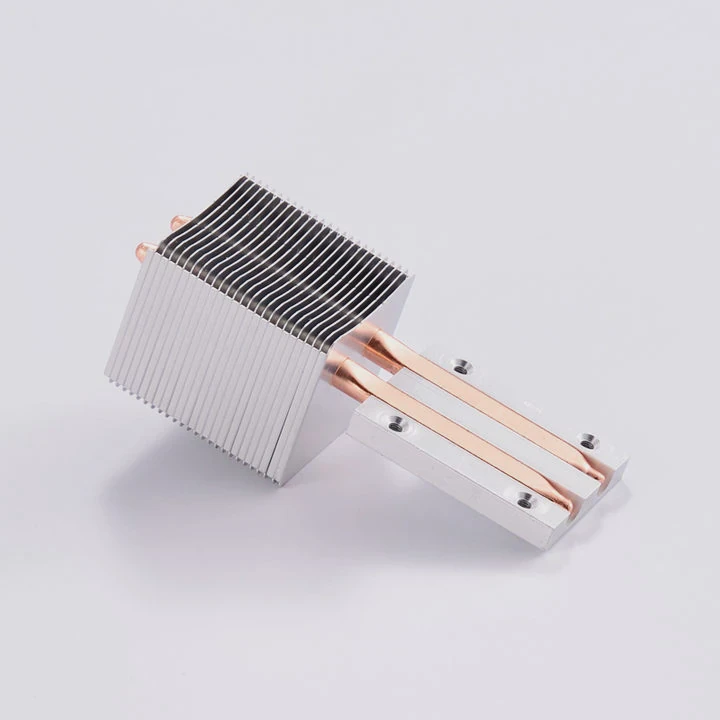
Safety is not just about avoiding spills—it’s about ensuring long-term reliability. Before removing any tubing, I place absorbent pads and use anti-static gloves. I drain the system into a container for proper disposal. Old coolant often contains glycol or additives that must not be poured into regular waste.
Step-by-Step Safety Guide
- Power Off and Unplug – Make sure all equipment is disconnected.
- Drain the Coolant – Use a drain valve or syringe pump to remove all fluid.
- Clean Components – Flush radiators and blocks with deionized water.
- Inspect O-rings and Fittings – Replace if they look dry, cracked, or deformed.
- Install the New Loop – Use modular fittings and secure them tightly.
- Pressure Test – Use air or nitrogen at low pressure to detect leaks.
- Refill and Bleed Air – Add coolant slowly and remove all air bubbles.
- Run a Dry Test – Power on the pump alone before connecting the rest of the system.
Each of these steps ensures no moisture reaches electronics. Even a small droplet can cause short circuits or oxidation. I always let the system run for several hours in test mode before full operation.
In professional environments like EV battery packs or semiconductor cooling, technicians use automated leak detection tools. These systems use helium or vacuum decay methods to ensure integrity. Following strict procedure guarantees consistent performance and safety.
What are the new modular cooling innovations?
Cooling technology has changed a lot in the last few years. What used to be a complex assembly now looks like modular blocks that fit easily together.
New modular cooling innovations include quick-connect fittings, integrated sensors, and hybrid liquid-air modules for easier replacement and smart control.
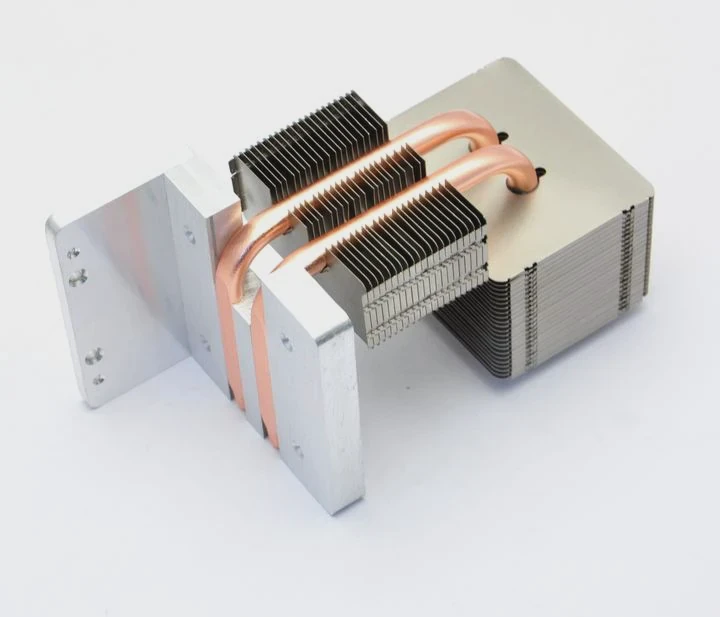
In my experience, modular systems save huge time in maintenance. Unlike traditional welded or fixed systems, modular ones use detachable components. You can replace a pump or cold plate without removing the entire loop.
Key Features of Modular Cooling Systems
| Innovation | Description |
|---|---|
| Quick-Connect Fittings | Allow tool-free assembly and no-spill disconnection. |
| Integrated Temperature Sensors | Enable real-time monitoring and automated control. |
| Hybrid Cooling Modules | Combine liquid and air systems for flexible operation. |
| Aluminum-Based Heat Spreaders | Offer high conductivity and lightweight structure. |
| Smart Control Systems | Use AI-driven algorithms to adjust flow and fan speed dynamically. |
Advantages of Modular Design
- Ease of Maintenance – Replace single parts instead of full systems.
- Scalability – Expand or reduce cooling capacity quickly.
- Reduced Downtime – Quick replacement means less interruption.
- Sustainability – Reusable parts reduce waste.
- Integration – Works with multiple device types like CPUs, lasers, or EV packs.
The market is also shifting toward phase-change materials and microchannel structures that enhance heat spreading. These technologies, once limited to aerospace and high-end computing, now appear in industrial applications. Many engineers are moving from copper-based loops to lightweight aluminum systems for better thermal conductivity and lower cost.
I once worked on a project where a modular aluminum cooling panel replaced a full copper loop. The weight dropped by 40%, and the thermal response improved significantly. It proved that modern modular systems are not just convenient—they are performance upgrades too.
Conclusion
Replacing a liquid cooling system is more than maintenance—it’s a performance reset. By knowing when and how to replace it, you protect your equipment, improve efficiency, and prepare for future innovation.
TAGS
Latest Articles

Volume discount levels for heat sink orders?
Buyers often ask when heat sink prices start to drop with volume. Many worry they’re overpaying for small orders. This guide explains how B2B volume pricing works for thermal components. Heat sink
21 Dec,2025
Heat sink long-term supply contract options?
Many buyers want stable pricing and reliable delivery for heat sinks. But without a clear contract, risks grow over time. This article explores how to secure better long-term supply deals. Long-term
21 Dec,2025
Tooling cost for new heat sink profiles?
Many engineers struggle to understand why tooling for custom heat sinks costs so much. They worry about budgeting and production timelines. This article breaks down the cost drivers behind tooling.
21 Dec,2025
Heat sink custom sample process steps?
Sometimes, starting a custom heat sink project feels overwhelming—too many steps, too many unknowns, and too many risks. You want a sample, but not endless delays. The process for requesting and
20 Dec,2025
Standard B2B terms for heat sink payments?
When buyers and sellers in B2B heat sink markets talk about payment, many don’t fully understand what’s standard. This can lead to delayed orders, miscommunication, and even lost business
20 Dec,2025
Heat sink pricing factors for large orders?
Heat sinks are vital for many systems. When prices rise, projects stall and budgets break. This problem can hit teams hard without warning. Large order heat sink pricing depends on many factors. You
20 Dec,2025Related Articles
- Do I Need Liquid Cooling for 9800X3D?
- Is liquid cooler worth it?
- Heat Sink Manufacturer in Algeria
- Heat Sink Manufacturer in Ukraine
- Heat Sink Manufacturer in Greece
- Heat Sink Manufacturer in Kuwait
- How to change liquid in liquid cooling?
- Why does a gas change to a liquid on cooling?
- Is liquid cooling bad?
- Does the Xbox One X have liquid cooling?
- What is liquid cooling technology?
- Which is better, liquid cooling or air?
Author
Dr. Emily Chen
Chief AI Researcher
Leading expert in thermal dynamics and AI optimization with over 15 years of experience in data center efficiency research.
Categories
Latest Products






Recommend Categories
- Liquid cooling plate Manufacturer
- Industrial Heat Sink Manufacturer
- Standard Heat Sink Manufacturer
- Aluminum Heat Sink Manufacturer
- Copper Heat Sink Manufacturer
- Anodized Heatsink Manufacturer
- Stamping heat sink Manufacturer
- Die Casting Heatsink Manufacturer
- Soldering heat sink Manufacturer
- CNC Parts Manufacturer
Latest Products
- Wholesale Aluminum Radiator
- Water Cooling Plate Kit
- Water Cooling Heat Sink
- Water Cooling Heat Sink Kit
- Stainless Steel Water Distributor
- Server Water Cooling Plate Kit
- Server Liquid Cooling System
- Server Aluminum Cooling Kit
- S19 Full Cover Cooling Plate
- S19 Cooling Plate Kit
- S19 Aluminum Cooling Plate
Contact Expert
Have questions about this article? Reach out to our experts directly.