What is liquid cooling technology?
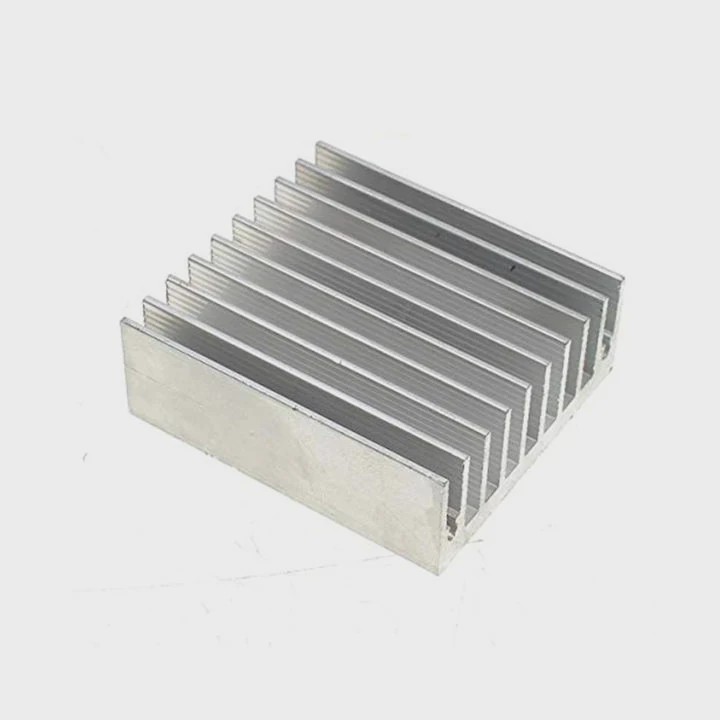
Modern electronics generate more heat than ever before. As chips become smaller and more powerful, keeping them cool has become a challenge for engineers and manufacturers. Traditional air-cooling systems are reaching their limits, which is where liquid cooling technology steps in to redefine heat management.
Liquid cooling technology uses a circulating liquid—usually water or a specialized coolant—to absorb and transfer heat away from components more efficiently than air.
This approach offers faster heat removal and supports higher power densities, making it a preferred choice for high-performance applications like servers, EVs, and advanced computing devices.
Liquid cooling represents not just a performance upgrade but a fundamental shift in how we manage thermal energy in the age of compact, high-speed electronics.
How does liquid cooling work?
When heat builds up inside a device, it needs to move away quickly to prevent damage. Fans alone often struggle to keep up, especially in compact systems where air circulation is limited.
Liquid cooling works by circulating coolant through a closed loop system that absorbs heat from components and releases it through a radiator or heat exchanger.
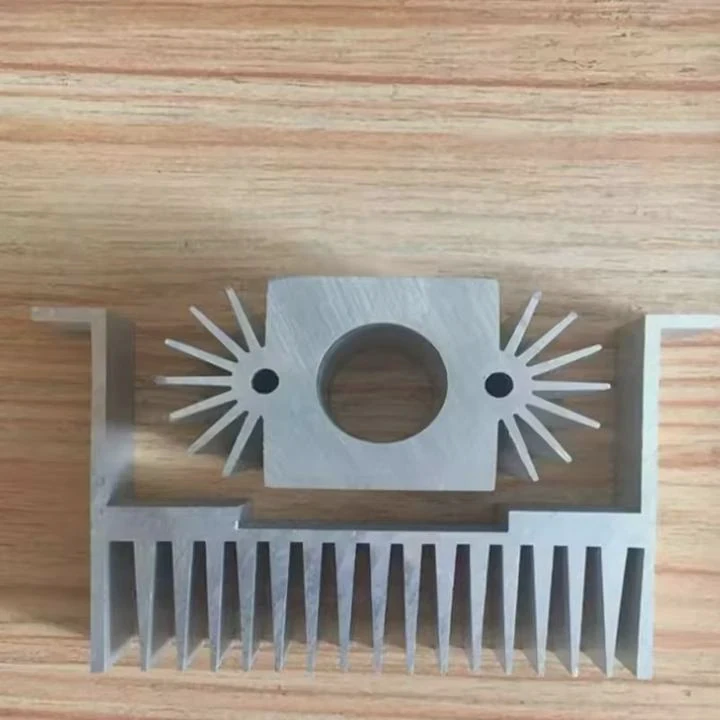
The process starts when the coolant—usually a water-based or dielectric liquid—flows through channels or pipes near the heat source. The liquid absorbs heat, carrying it to a heat exchanger, where it’s released into the surrounding air or another medium. A pump ensures constant circulation, maintaining a steady temperature balance.
Main components of a liquid cooling system
| Component | Function |
|---|---|
| Pump | Circulates coolant through the loop |
| Cold plate | Absorbs heat from the device surface |
| Radiator | Releases absorbed heat into the air |
| Reservoir | Stores extra coolant and maintains pressure |
| Coolant | Transfers thermal energy through the loop |
This system operates on a simple principle: liquids can transfer heat faster than air because of their higher thermal conductivity and heat capacity. That’s why liquid cooling systems can handle more power while staying quieter and more efficient.
Why the design matters
A well-designed loop keeps thermal resistance low. Engineers optimize flow rate, pipe length, and coolant viscosity to ensure steady performance. The entire system must be sealed perfectly to prevent leaks and evaporation.
Advanced systems even include sensors to monitor temperature and pressure, allowing for real-time adjustments. This combination of precision and adaptability makes liquid cooling suitable for industries where reliability and consistency are critical.
What are the benefits over traditional cooling?
Air cooling has served well for decades, but it has clear limits. As devices demand more power, the amount of heat they produce rises sharply.
Liquid cooling offers superior heat transfer efficiency, quieter operation, compact design potential, and longer component lifespan compared to traditional air-based systems.
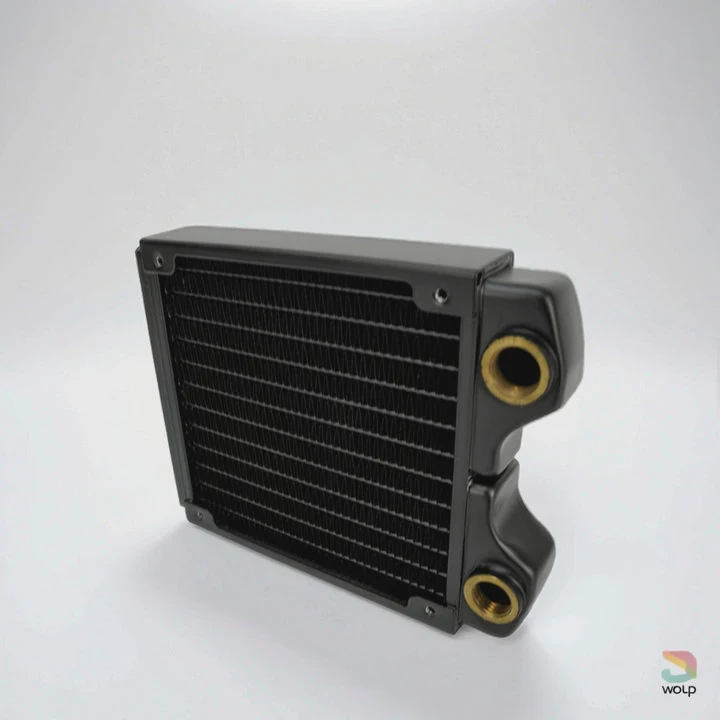
The biggest difference comes from physics. Air has low heat capacity and poor conductivity, meaning it can only move heat slowly. In contrast, liquids can absorb and move large amounts of energy with less effort.
Key benefits comparison
| Feature | Air Cooling | Liquid Cooling |
|---|---|---|
| Heat Transfer Efficiency | Moderate | High |
| Noise Level | Higher (fans) | Lower |
| Space Requirement | Larger heatsinks | Compact modules |
| Energy Efficiency | Limited | Improved |
| Maintenance | Simple | Moderate (coolant check) |
Deeper performance insights
Liquid cooling allows for precise temperature control, which is essential in modern applications such as EV battery packs, data centers, and semiconductor manufacturing. A lower and more consistent temperature can improve device reliability and extend lifespan.
For instance, in electric vehicles, maintaining optimal battery temperature directly influences driving range and safety. In data centers, efficient thermal management reduces power consumption and cooling costs.
From a sustainability view, liquid cooling reduces overall energy waste. Instead of forcing large volumes of air across components, smaller pumps and radiators do the same job with less electricity. Over time, this efficiency translates to significant operational savings.
How to implement it in modern devices?
Integrating liquid cooling into new systems requires careful planning. Engineers must consider design constraints, safety, materials, and long-term maintenance.
To implement liquid cooling, manufacturers integrate sealed cooling loops, cold plates, and pumps into the device’s thermal design, ensuring optimal heat transfer and reliability.
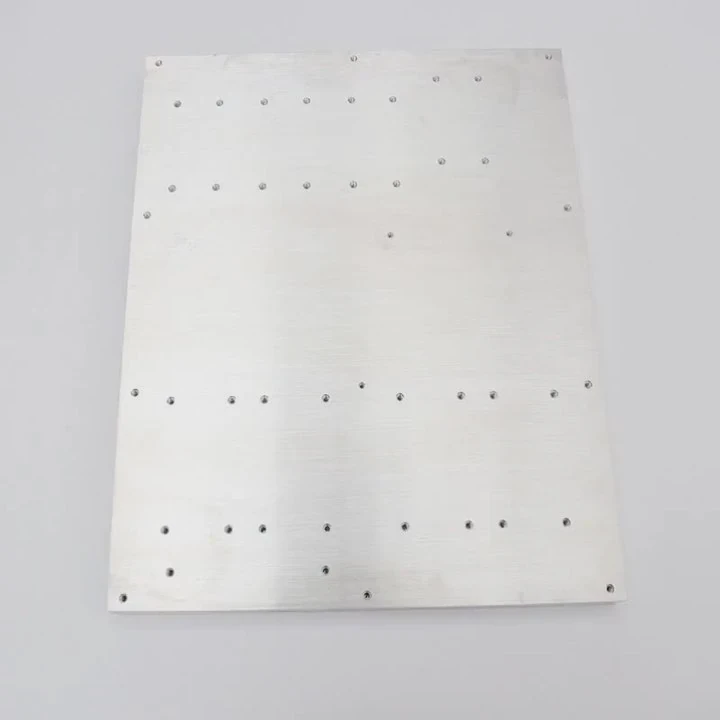
Step-by-step integration overview
- Thermal analysis – Identify major heat sources and their expected thermal output.
- Component selection – Choose suitable materials for cold plates and radiators based on power density.
- Loop design – Optimize fluid path length and minimize bends to ensure smooth flow.
- System sealing – Ensure all joints and fittings are leak-proof.
- Testing & validation – Run temperature and vibration tests to verify durability and safety.
Key engineering considerations
| Factor | Description |
|---|---|
| Coolant Type | Choose water-glycol or dielectric fluids based on conductivity requirements |
| Pump Flow Rate | Must match system pressure and thermal load |
| Material Compatibility | Prevent corrosion or galvanic reaction between metals |
| Environmental Conditions | Temperature, vibration, and humidity affect system performance |
Real-world example
In my experience working with compact industrial systems, one of the main challenges was balancing performance with reliability. We had to ensure the cooling loop could operate 24⁄7 under vibration without leaks or pressure drops.
By using aluminum cold plates with micro-channel structures, we increased heat exchange efficiency while keeping weight low. The integration of temperature sensors also allowed for predictive maintenance—detecting potential failures before they occurred.
Such designs make liquid cooling not just a technology upgrade but a strategic tool for improving product quality and customer trust.
What are the innovations in cooling tech?
Thermal management continues to evolve quickly. New research focuses on enhancing material performance, improving system integration, and using smart controls.
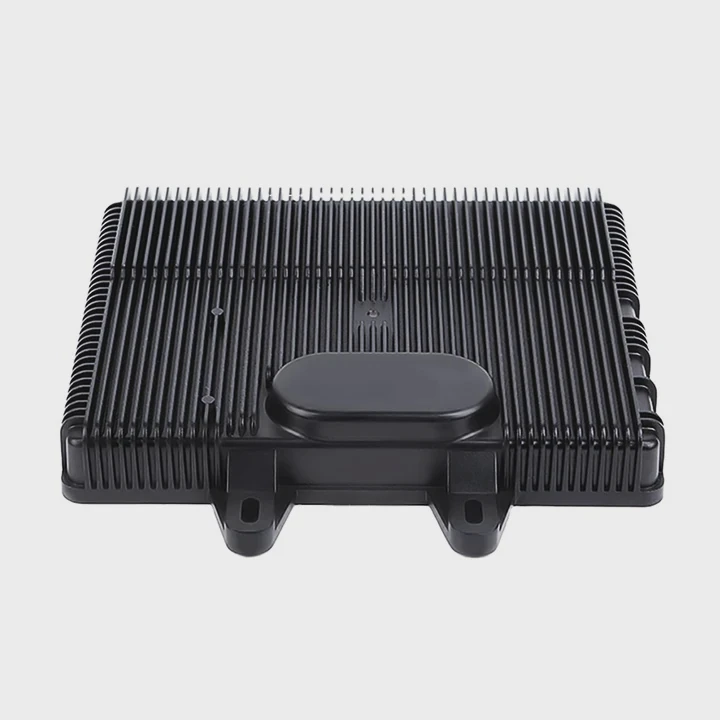
The latest innovations in cooling technology include two-phase cooling, microchannel heat exchangers, phase-change materials, and AI-based thermal control systems.
Emerging technologies reshaping the field
1. Two-phase liquid cooling
Instead of relying only on convection, this method uses liquid-to-vapor phase change to absorb large amounts of heat instantly. It’s widely adopted in space electronics and high-performance computing.
2. Microchannel structures
Microchannels inside cold plates allow for higher surface contact, improving thermal transfer rates. These designs can dissipate extreme heat flux while keeping system weight low.
3. Phase-change materials (PCMs)
PCMs absorb heat by changing phase—from solid to liquid—without a rise in temperature. They are ideal for managing peak thermal loads in intermittent operations.
4. Immersion cooling
This approach submerges components directly into dielectric liquids, removing the need for pumps or complex plumbing. It’s becoming popular in data centers and cryptocurrency mining farms.
5. AI-driven thermal control
With embedded sensors and predictive algorithms, AI systems can adjust coolant flow, predict overheating, and optimize energy use automatically.
Innovation summary
| Innovation | Benefit | Application |
|---|---|---|
| Two-phase cooling | Ultra-high heat removal | Space tech, HPC |
| Microchannel design | Compact and efficient | Electronics, EVs |
| Phase-change materials | Thermal buffering | Battery systems |
| Immersion cooling | Silent, pump-free | Data centers |
| AI thermal control | Predictive efficiency | Smart devices |
The future outlook
As we move toward miniaturization and electrification, the need for effective cooling grows. Devices will continue to shrink, but their power density will rise. To handle this, engineers are experimenting with nanofluids, liquid metals, and hybrid cooling architectures that combine multiple techniques.
In my perspective, the next step will be integration—not just cooling components, but designing systems where thermal control is built into the structure itself. This holistic approach could redefine energy management across industries, from aerospace to consumer electronics.
Conclusion
Liquid cooling is no longer just for high-end computers or industrial machines. It’s becoming the backbone of modern thermal management. As technology evolves, liquid-based systems will continue to deliver higher efficiency, better reliability, and sustainable performance across industries.
TAGS
Latest Articles

Volume discount levels for heat sink orders?
Buyers often ask when heat sink prices start to drop with volume. Many worry they’re overpaying for small orders. This guide explains how B2B volume pricing works for thermal components. Heat sink
21 Dec,2025
Heat sink long-term supply contract options?
Many buyers want stable pricing and reliable delivery for heat sinks. But without a clear contract, risks grow over time. This article explores how to secure better long-term supply deals. Long-term
21 Dec,2025
Tooling cost for new heat sink profiles?
Many engineers struggle to understand why tooling for custom heat sinks costs so much. They worry about budgeting and production timelines. This article breaks down the cost drivers behind tooling.
21 Dec,2025
Heat sink custom sample process steps?
Sometimes, starting a custom heat sink project feels overwhelming—too many steps, too many unknowns, and too many risks. You want a sample, but not endless delays. The process for requesting and
20 Dec,2025
Standard B2B terms for heat sink payments?
When buyers and sellers in B2B heat sink markets talk about payment, many don’t fully understand what’s standard. This can lead to delayed orders, miscommunication, and even lost business
20 Dec,2025
Heat sink pricing factors for large orders?
Heat sinks are vital for many systems. When prices rise, projects stall and budgets break. This problem can hit teams hard without warning. Large order heat sink pricing depends on many factors. You
20 Dec,2025Related Articles
- Does the Xbox One X have liquid cooling?
- Is liquid cooling bad?
- Why does a gas change to a liquid on cooling?
- How to change liquid in liquid cooling?
- How to replace a liquid cooling system?
- Do I Need Liquid Cooling for 9800X3D?
- Which is better, liquid cooling or air?
- Is Alienware Aurora R8 Liquid Cooled?
- How to use liquid nitrogen for cooling?
- What Is the Best Liquid Cooling System?
- How to set up a liquid cooling CPU?
- How to liquid cool a PS3?
Author
Dr. Emily Chen
Chief AI Researcher
Leading expert in thermal dynamics and AI optimization with over 15 years of experience in data center efficiency research.
Categories
Latest Products






Recommend Categories
- Liquid cooling plate Manufacturer
- Industrial Heat Sink Manufacturer
- Standard Heat Sink Manufacturer
- Aluminum Heat Sink Manufacturer
- Copper Heat Sink Manufacturer
- Anodized Heatsink Manufacturer
- Stamping heat sink Manufacturer
- Die Casting Heatsink Manufacturer
- Soldering heat sink Manufacturer
- CNC Parts Manufacturer
Latest Products
- Wholesale Aluminum Radiator
- Water Cooling Plate Kit
- Water Cooling Heat Sink
- Water Cooling Heat Sink Kit
- Stainless Steel Water Distributor
- Server Water Cooling Plate Kit
- Server Liquid Cooling System
- Server Aluminum Cooling Kit
- S19 Full Cover Cooling Plate
- S19 Cooling Plate Kit
- S19 Aluminum Cooling Plate
Contact Expert
Have questions about this article? Reach out to our experts directly.