Is liquid cooling bad?
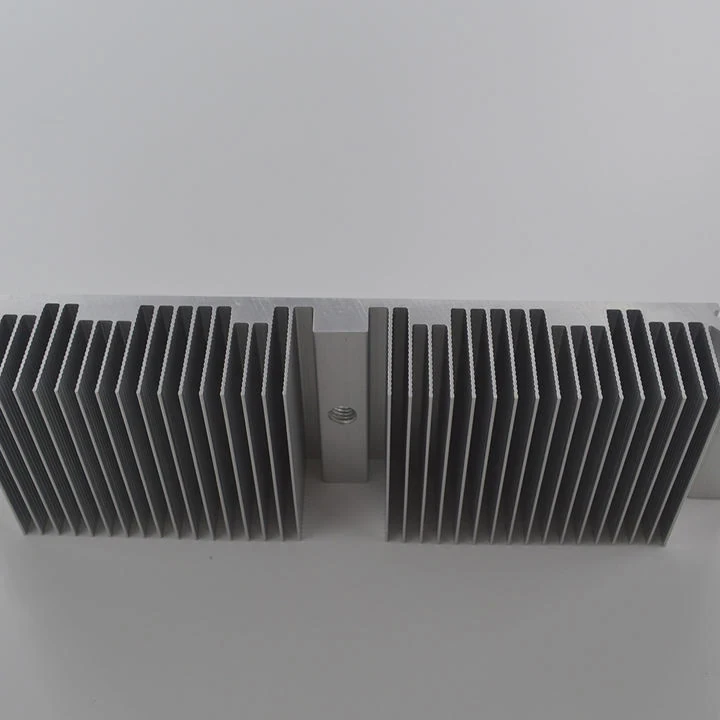
When I first switched from air to liquid cooling, I expected perfection. Instead, I faced leaks, noise, and system instability. It made me ask: is liquid cooling really worth it?
Liquid cooling is not bad — it’s one of the most efficient ways to manage heat in electronics. However, it does come with maintenance needs, risks of leaks, and setup complexity that air cooling doesn’t have.
Even though it seems risky, liquid cooling can perform incredibly well if installed correctly. In this article, I’ll share the key downsides, benefits, and the best ways to avoid issues based on my real-world experience.
What are the potential downsides of liquid cooling?
At first glance, liquid cooling looks perfect — quiet, powerful, and professional. But after years of testing cooling systems in different environments, I found several real risks hidden behind its beauty.
The main downsides of liquid cooling are leak risk, higher cost, more complex installation, and long-term maintenance requirements compared with air cooling.
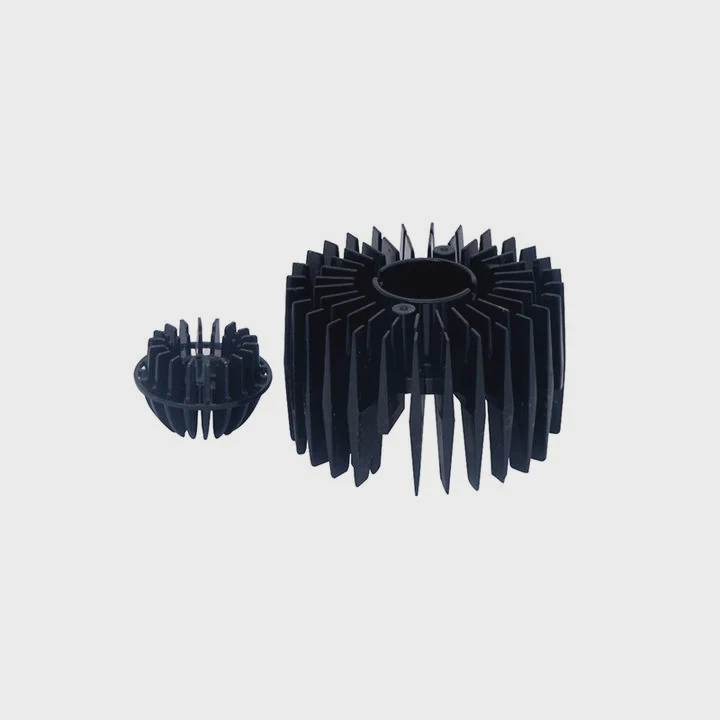
1. Leak Risk and System Damage
Leaks are the biggest fear for any user. One small crack in a tube or a loose fitting can cause coolant to spill onto the electronics. When this happens, even one drop of conductive fluid can short-circuit the board.
| Risk | Description | Preventive Action |
|---|---|---|
| Tube degradation | Rubber tubes can age or crack over time | Replace every 12–24 months |
| Loose fittings | Improper tightening can cause drips | Always double-check connections |
| Pump failure | Sudden stops increase system pressure | Use sensors to monitor pump speed |
2. Maintenance and Complexity
Unlike air cooling, which is nearly maintenance-free, liquid systems need regular checks. The pump, tubes, and coolant require attention. Coolant can evaporate or degrade, especially under high heat cycles. Every 6–12 months, I inspect fittings and clean the radiator. Missing this step often leads to reduced performance or pump noise.
3. Cost and Installation Difficulty
A good-quality liquid cooling setup costs 2–3 times more than air systems. It also takes more time to install. When I installed my first custom loop, it took hours to bleed air bubbles from the system. Any trapped air can cause noise or reduce heat transfer efficiency.
4. System Weight and Space Use
Liquid systems are heavier and take up more room inside the chassis. This matters in compact devices like electric vehicles or 5G base stations, where every millimeter counts.
In short, liquid cooling can be risky if not maintained. But if done right, it’s a game changer for performance and reliability.
What are its main advantages?
When liquid cooling works as it should, the benefits are clear and immediate. It’s quiet, powerful, and effective in extreme environments.
The main advantages of liquid cooling are higher heat transfer efficiency, quieter operation, and improved temperature stability under heavy load.
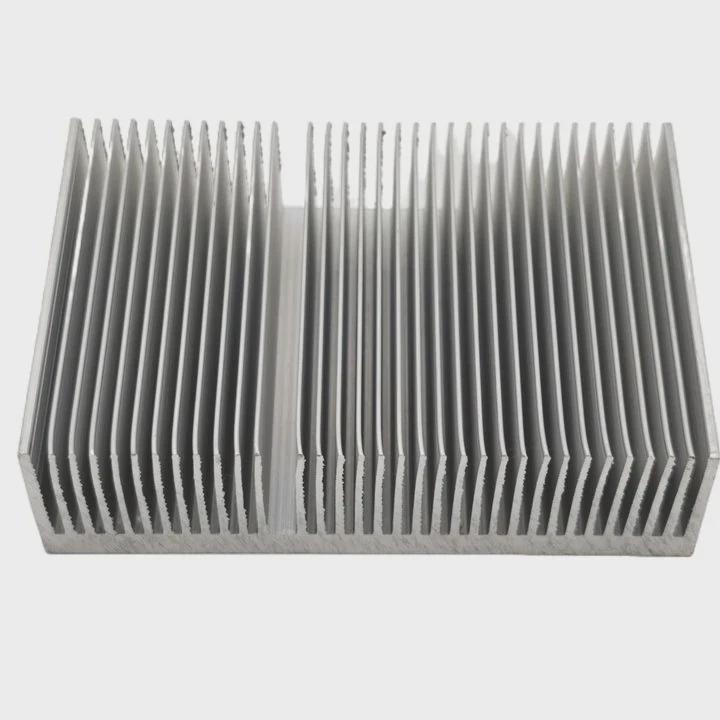
1. Superior Thermal Efficiency
Water has a heat capacity about 4,000 times higher than air. That means it can absorb and move more heat away from components faster. This makes liquid cooling ideal for processors, high-density power electronics, or EV batteries.
| Cooling Method | Typical Thermal Conductivity | Noise Level | Maintenance |
|---|---|---|---|
| Air Cooling | ~0.025 W/m·K | Medium to High | Low |
| Liquid Cooling | ~0.6 W/m·K | Very Low | Medium |
| Vapor Chamber | 5,000 W/m·K (effective) | Very Low | Low |
2. Quiet Operation
Fans in air systems often run at high speed, creating noise. In liquid systems, the pump operates steadily while fans on the radiator spin slower. In my lab, noise dropped from 60dB to around 35dB after switching to a closed-loop liquid setup.
3. Temperature Stability
Under long workloads, liquid cooling keeps temperatures more consistent. The coolant’s ability to spread heat evenly prevents hot spots, which are common in air-cooled systems. This extends the life of sensitive components like GPUs or power modules.
4. Aesthetic and Integration Flexibility
Many engineers and designers also prefer liquid systems for their clean design. Tubes can be routed neatly, and radiators can be positioned outside the main structure for better airflow.
These advantages make liquid cooling essential in modern systems that demand both performance and reliability.
How to avoid common liquid cooling problems?
After years of testing liquid-cooled modules, I’ve learned one thing: most failures don’t come from bad design — they come from bad habits. Proper setup and maintenance can make the system last years without trouble.
To avoid common liquid cooling problems, focus on leak prevention, air removal, coolant quality, and consistent monitoring.
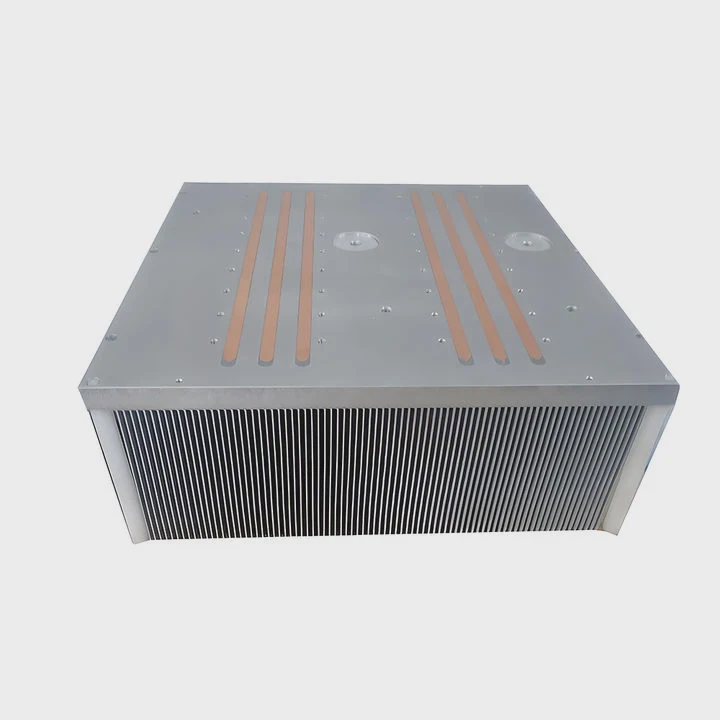
1. Use High-Quality Materials
Start with reliable fittings, industrial-grade tubing, and a sealed pump. Cheap parts may look fine but fail faster under heat cycles. I always recommend EPDM or FEP tubing because they resist chemical breakdown and maintain flexibility.
2. Check for Leaks Before Powering Up
This is a rule I never skip. Before powering electronics, I perform a leak test by running the pump for 24 hours using an external power supply. I watch for drips, condensation, or pressure drops.
3. Eliminate Air Bubbles
Trapped air inside the loop reduces cooling efficiency and can damage the pump. Tilt the system during filling and keep the reservoir as the highest point. I also run the pump at low speed during bleeding.
4. Maintain Coolant Health
Coolant eventually degrades, forming micro-bubbles or algae. Replace it every 12–18 months. If the system is used in dusty or high-temperature environments, shorten that interval. Use corrosion inhibitors if the loop includes mixed metals.
5. Add Sensors and Alerts
In modern industrial or computing applications, I integrate temperature and flow sensors connected to a microcontroller. If coolant stops flowing, the system shuts down automatically. This prevents catastrophic overheating.
6. Simplify the Layout
Avoid unnecessary bends or long tubing. The simpler the loop, the lower the risk of leaks and the easier it is to service.
When these practices are followed, even a basic liquid cooling system can run safely for over 5 years without major maintenance.
What are the latest safety innovations in cooling?
As demand for high-performance cooling grows, technology has evolved fast. Modern systems now include built-in safety layers that make liquid cooling more reliable than ever.
Recent safety innovations in liquid cooling include self-sealing connectors, non-conductive coolants, smart sensors, and modular leak detection systems.
1. Self-Sealing Connectors
One of the most useful upgrades is self-sealing quick connectors. When disconnected, they automatically block fluid flow. This makes servicing or part replacement safe and easy, even when the system is filled with coolant. These connectors are now common in data centers and EV battery cooling systems.
2. Non-Conductive Coolants
Traditional coolants can short electronics if they leak. Today’s non-conductive coolants, such as engineered dielectric fluids, prevent that. Even if a leak occurs, the risk of electrical damage is minimal. These coolants also resist oxidation and microbial growth better than water-based types.
3. Integrated Smart Sensors
Modern pumps and radiators often include digital sensors for flow, temperature, and pressure. These sensors can send data to control software or cloud systems, allowing predictive maintenance. For example, a drop in pressure may trigger an alert before a real leak happens.
4. Leak Detection Systems
Some high-end systems now feature embedded fiber-optic or conductive tapes that instantly detect moisture. Once detected, the controller can stop the pump or shut down power. I tested one of these in a prototype EV module, and it worked perfectly during a simulated leak.
5. Modular Design and Serviceability
Manufacturers now design modular cooling units that can be replaced individually without draining the entire system. This design saves time during maintenance and reduces downtime in critical environments like servers or medical equipment.
6. Advanced Material Coatings
Radiators and channels now use coatings that resist corrosion and scale buildup. Aluminum alloys, combined with protective anodizing, offer a balance between weight and conductivity. These coatings extend lifespan and keep internal surfaces clean.
Together, these innovations make modern liquid cooling safer, smarter, and easier to maintain than ever before. It’s no longer a risky option — it’s a reliable, professional-grade solution.
Conclusion
Liquid cooling is not bad. It’s a high-performance, reliable technology when used correctly. While it needs care and maintenance, modern safety features and materials have made it much safer than before. With the right setup, it can deliver silent, stable, and efficient thermal management for years.
TAGS
Latest Articles

Volume discount levels for heat sink orders?
Buyers often ask when heat sink prices start to drop with volume. Many worry they’re overpaying for small orders. This guide explains how B2B volume pricing works for thermal components. Heat sink
21 Dec,2025
Heat sink long-term supply contract options?
Many buyers want stable pricing and reliable delivery for heat sinks. But without a clear contract, risks grow over time. This article explores how to secure better long-term supply deals. Long-term
21 Dec,2025
Tooling cost for new heat sink profiles?
Many engineers struggle to understand why tooling for custom heat sinks costs so much. They worry about budgeting and production timelines. This article breaks down the cost drivers behind tooling.
21 Dec,2025
Heat sink custom sample process steps?
Sometimes, starting a custom heat sink project feels overwhelming—too many steps, too many unknowns, and too many risks. You want a sample, but not endless delays. The process for requesting and
20 Dec,2025
Standard B2B terms for heat sink payments?
When buyers and sellers in B2B heat sink markets talk about payment, many don’t fully understand what’s standard. This can lead to delayed orders, miscommunication, and even lost business
20 Dec,2025
Heat sink pricing factors for large orders?
Heat sinks are vital for many systems. When prices rise, projects stall and budgets break. This problem can hit teams hard without warning. Large order heat sink pricing depends on many factors. You
20 Dec,2025Related Articles
- Why does a gas change to a liquid on cooling?
- How to change liquid in liquid cooling?
- How to replace a liquid cooling system?
- Do I Need Liquid Cooling for 9800X3D?
- Is liquid cooler worth it?
- Heat Sink Manufacturer in Algeria
- Does the Xbox One X have liquid cooling?
- What is liquid cooling technology?
- Which is better, liquid cooling or air?
- Is Alienware Aurora R8 Liquid Cooled?
- How to use liquid nitrogen for cooling?
- What Is the Best Liquid Cooling System?
Author
Dr. Emily Chen
Chief AI Researcher
Leading expert in thermal dynamics and AI optimization with over 15 years of experience in data center efficiency research.
Categories
Latest Products






Recommend Categories
- Liquid cooling plate Manufacturer
- Industrial Heat Sink Manufacturer
- Standard Heat Sink Manufacturer
- Aluminum Heat Sink Manufacturer
- Copper Heat Sink Manufacturer
- Anodized Heatsink Manufacturer
- Stamping heat sink Manufacturer
- Die Casting Heatsink Manufacturer
- Soldering heat sink Manufacturer
- CNC Parts Manufacturer
Latest Products
- Wholesale Aluminum Radiator
- Water Cooling Plate Kit
- Water Cooling Heat Sink
- Water Cooling Heat Sink Kit
- Stainless Steel Water Distributor
- Server Water Cooling Plate Kit
- Server Liquid Cooling System
- Server Aluminum Cooling Kit
- S19 Full Cover Cooling Plate
- S19 Cooling Plate Kit
- S19 Aluminum Cooling Plate
Contact Expert
Have questions about this article? Reach out to our experts directly.