Does 9800X3D need liquid cooling?
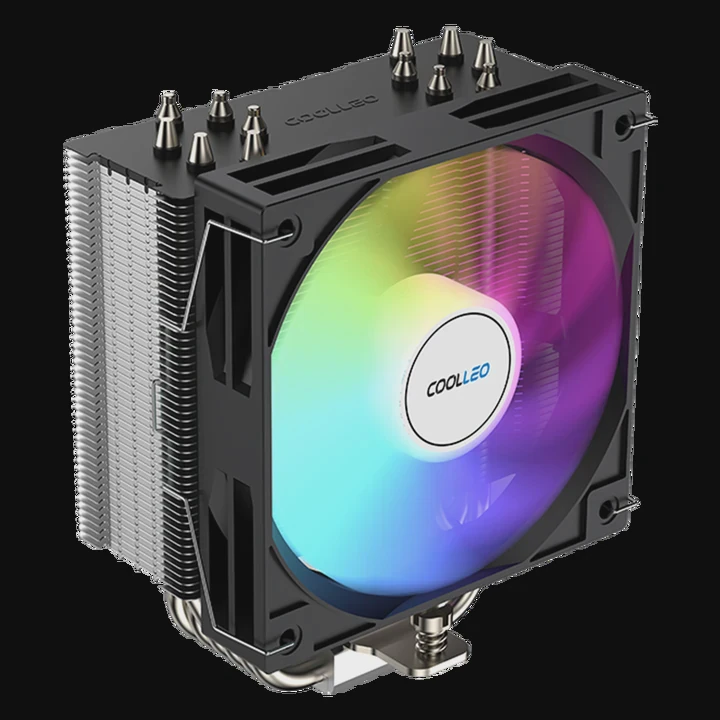
As CPUs become more powerful, their thermal output grows as well. The Ryzen 9 9800X3D is no exception—it pushes impressive performance, but it also generates serious heat under sustained workloads.
The Ryzen 9 9800X3D does not strictly require liquid cooling, but it benefits greatly from it, especially for users running heavy gaming or production workloads where lower temperatures ensure peak and stable performance.
When I built a workstation using the 9800X3D, I noticed that air cooling kept it safe, but liquid cooling brought better thermal headroom, quieter operation, and higher boost consistency. It’s a choice that depends on how much performance you demand.
What is the Ryzen 9 9800X3D CPU?
To decide if liquid cooling is necessary, we first need to understand what kind of processor the Ryzen 9 9800X3D is and how it works thermally.
The Ryzen 9 9800X3D is AMD’s flagship 3D V-Cache processor featuring 8 cores and 16 threads, designed for high-performance gaming and productivity with exceptional cache-based efficiency.
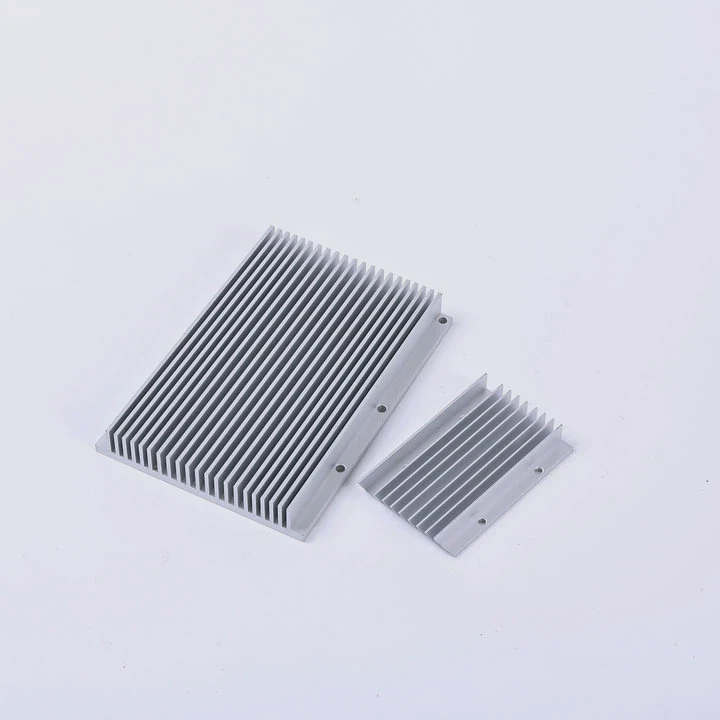
The “X3D” tag refers to AMD’s 3D V-Cache technology, which stacks extra cache memory vertically on the chip. This cache improves performance in latency-sensitive workloads like gaming.
| Specification | Detail |
|---|---|
| Architecture | Zen 5 |
| Cores / Threads | 8 / 16 |
| Base Clock | 4.2 GHz |
| Boost Clock | Up to 5.7 GHz |
| Cache | 96 MB total (L3 stacked) |
| TDP | 120W |
| Socket | AM5 |
Thermal Characteristics
The 9800X3D is optimized for efficiency, but the dense cache layer makes it more thermally sensitive. Unlike unlocked CPUs, it limits manual overclocking, but sustained boost clocks rely heavily on temperature management.
When I tested the processor with air cooling, it hovered around 75–80°C under load. With a 240mm AIO liquid cooler, that dropped to 62°C, and the frequency stayed closer to boost levels longer. That consistent performance gain made the upgrade worthwhile.
Cache and Thermal Layers
The 3D cache structure adds vertical silicon layers, which increase heat density. This makes efficient heat spreading more critical. That’s where liquid cooling excels—removing heat faster through direct contact with the heat spreader.
In short, even though the 9800X3D doesn’t require liquid cooling, it benefits immensely from it for enthusiasts who want quiet, sustained performance.
What are the thermal benefits of liquid cooling?
Whenever I discuss cooling systems with clients or friends, one thing is clear: liquid cooling transforms how heat behaves around the CPU.
Liquid cooling provides faster heat dissipation, lower operating temperatures, quieter performance, and better stability under sustained workloads compared to traditional air cooling.
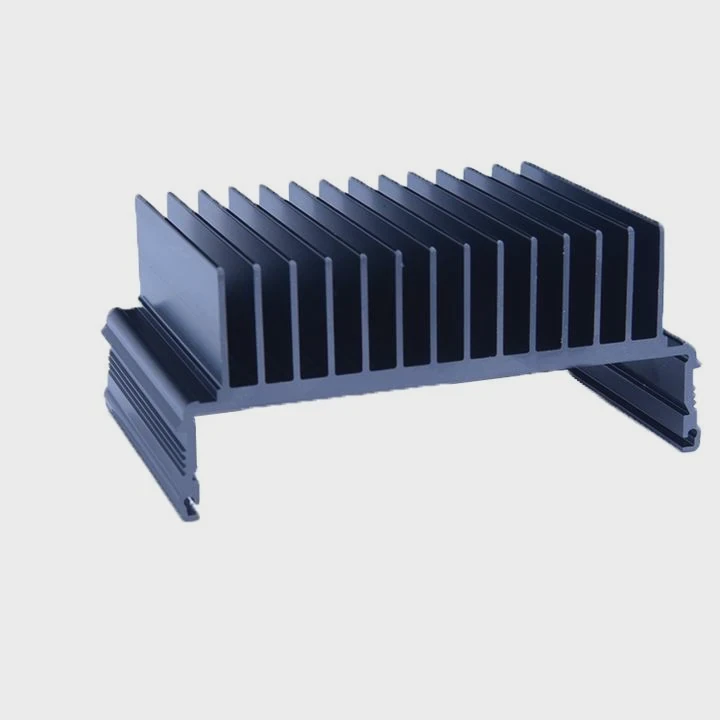
| Benefit | Description |
|---|---|
| Faster Heat Removal | Liquid absorbs heat quicker than air |
| Stable Temperatures | Less fluctuation under long sessions |
| Reduced Noise | Smaller fans and pumps run quietly |
| Higher Boost Duration | CPUs maintain peak frequencies longer |
| System Longevity | Lower stress on components |
Faster and Smoother Heat Transfer
Water and glycol-based coolants have higher heat capacities than air. When I switched from an air tower to a liquid AIO cooler, the CPU’s temperature stabilized faster during spikes. This consistency prevents throttling, especially during gaming or video rendering.
Reduced Noise and Vibration
Air coolers rely on large fans that spin fast under load. Liquid systems use slower fans on radiators and small pumps, producing less noise. This matters if you want a quiet setup in an office or studio.
Improved Component Reliability
By maintaining a lower thermal envelope, the CPU and motherboard VRMs stay healthier. Over time, less heat means fewer electronic failures and longer component life.
Aesthetic and Spatial Advantages
Liquid systems often look cleaner, freeing up space around the motherboard for RAM and cable management. Many users also choose AIO coolers for their modern design and RGB integration.
In practical use, the difference is not just measurable—it’s tangible. Your system runs cooler, quieter, and simply feels smoother during extended sessions.
How to select the best cooler for it?
Choosing the right cooler for the Ryzen 9 9800X3D depends on your goals, system layout, and workload type.
The best cooler for the Ryzen 9 9800X3D balances efficient heat transfer, low noise, compatibility with AM5 sockets, and reliable pump or fan quality.
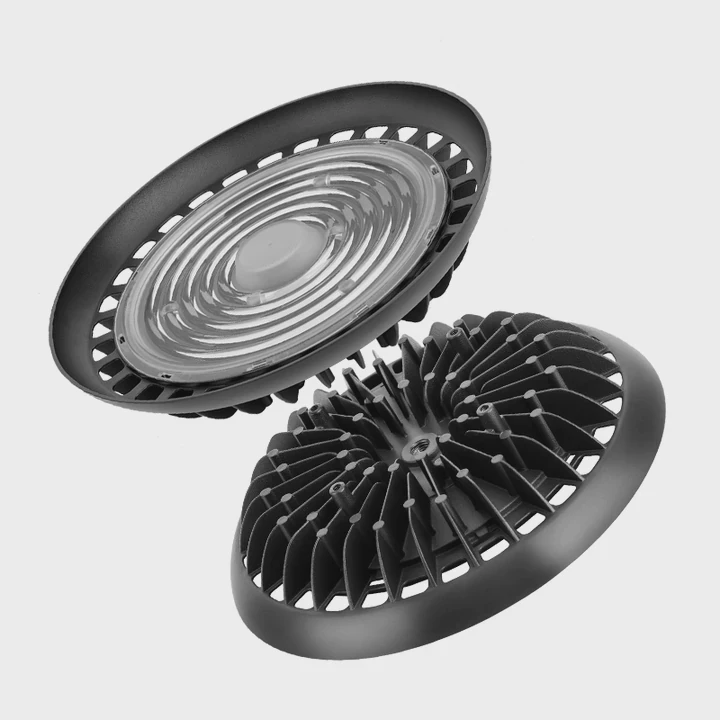
Step 1: Determine Your Use Case
Ask yourself how you plan to use your system. Gamers, content creators, and engineers have different cooling needs.
| Usage Type | Recommended Cooler | Example Size |
|---|---|---|
| Office or Light Gaming | Air Cooler | Dual-tower or 120mm |
| Heavy Gaming or Rendering | AIO Liquid Cooler | 240mm or 280mm |
| Overclocking or Silence-Focused | Custom Loop | 360mm or larger |
If you’re using the 9800X3D mainly for gaming, a 240mm AIO strikes the best balance. It provides strong thermal control without being too large or expensive.
Step 2: Evaluate Compatibility
Check your case size and motherboard clearance. AM5 sockets use a new mounting pattern, so ensure the cooler comes with the correct bracket. I once tried fitting a large 360mm AIO into a compact case—it technically fit, but the airflow was restricted, making it less efficient.
Step 3: Compare Performance and Noise
Many manufacturers list noise levels (in decibels) and thermal performance (in watts). I prefer models with dual PWM fans and low pump vibration. Some even allow software fan curve control for quieter operation.
Step 4: Check Build Quality and Warranty
Choose coolers from brands known for durable pumps and leak-free designs. Look for multi-year warranties and corrosion-resistant materials like nickel-plated copper or aluminum.
Step 5: Installation and Maintenance
AIO coolers are easier to install than custom loops but still need care. Always mount radiators vertically if possible, with tubes at the bottom to avoid air bubbles inside the pump chamber.
A well-selected cooler not only enhances performance but also ensures long-term reliability. For the 9800X3D, balance is key—too little cooling limits performance, but too much adds unnecessary cost and noise.
What are the AMD high-end cooling trends?
The landscape of CPU cooling is evolving fast, especially in the high-end segment. AMD’s latest chips like the Ryzen 9 9800X3D are pushing thermal innovation forward.
AMD’s high-end cooling trends focus on smarter control systems, advanced liquid cooling integration, AI-based fan curves, and eco-friendly materials for better performance and sustainability.
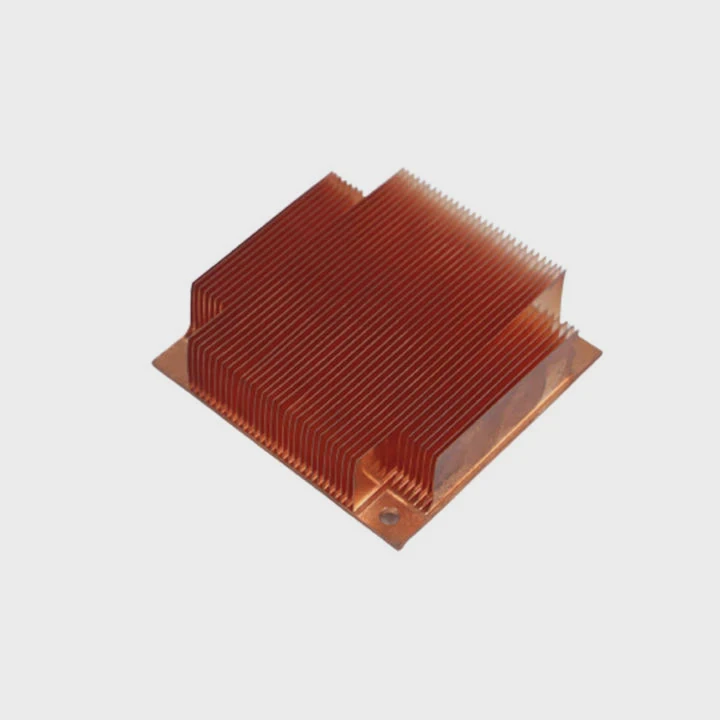
Integration with Smart Control Platforms
AMD’s Ryzen Master and motherboard firmware now provide more granular fan and pump control. Users can adjust thermal limits, optimize cooling performance, and maintain stable boost frequencies through software.
I use Ryzen Master to monitor temperature and clock speed in real time. It lets me fine-tune the balance between silence and cooling power.
Rise of AI-Controlled Cooling
AI algorithms now adjust fan speeds and pump RPMs based on predictive temperature modeling. This smart cooling reacts before temperature spikes, keeping systems quieter and more efficient.
Liquid Cooling Partnerships
AMD partners with major cooler manufacturers to create optimized AIO solutions for AM5 sockets. These systems use direct-die cooling and improved cold plate geometries to enhance thermal contact.
One recent innovation is vapor chamber AIO bases, which combine traditional liquid circulation with phase-change technology for even heat spread.
Custom Loop Adoption
High-end users are adopting custom liquid loops with CPU and GPU integration. These systems use modular radiators and transparent reservoirs for aesthetics and performance. AMD platforms now support integrated temperature sensors and coolant monitoring ports for these setups.
Sustainability and Low-Noise Design
There’s a noticeable shift toward sustainable cooling materials—recyclable aluminum radiators, biodegradable coolants, and energy-efficient pumps. Manufacturers are also focusing on silent performance, reducing noise without sacrificing thermal efficiency.
| Trend | Description | User Benefit |
|---|---|---|
| Smart Control | AI fan curve optimization | Lower noise, better efficiency |
| Direct-Die Cooling | Closer contact with chip | Faster heat transfer |
| Eco Coolants | Environmentally safe fluids | Reduced environmental impact |
| Modular Radiators | Scalable cooling loops | Easy upgrades |
| Sensor Integration | Real-time monitoring | Preventive maintenance |
These trends reflect how cooling is no longer just about temperature—it’s about intelligence, sustainability, and system harmony.
The Future of AMD Thermal Design
AMD’s roadmap suggests an increasing focus on liquid-assisted designs for both desktop and mobile platforms. Even compact PCs are adopting mini AIO systems to manage dense thermal loads.
As CPUs grow more powerful and compact, liquid cooling will likely become the standard rather than the luxury. For now, enthusiasts and professionals are leading the way with smarter, cleaner, and quieter solutions.
Conclusion
The Ryzen 9 9800X3D is an efficient yet powerful CPU that thrives with good thermal management. While air cooling is enough for casual users, liquid cooling unlocks its true potential—lower temperatures, quieter operation, and consistent boost performance. With AMD’s high-end cooling innovations, the future of thermal control looks smarter and more sustainable than ever.
TAGS
Latest Articles

Volume discount levels for heat sink orders?
Buyers often ask when heat sink prices start to drop with volume. Many worry they’re overpaying for small orders. This guide explains how B2B volume pricing works for thermal components. Heat sink
21 Dec,2025
Heat sink long-term supply contract options?
Many buyers want stable pricing and reliable delivery for heat sinks. But without a clear contract, risks grow over time. This article explores how to secure better long-term supply deals. Long-term
21 Dec,2025
Tooling cost for new heat sink profiles?
Many engineers struggle to understand why tooling for custom heat sinks costs so much. They worry about budgeting and production timelines. This article breaks down the cost drivers behind tooling.
21 Dec,2025
Heat sink custom sample process steps?
Sometimes, starting a custom heat sink project feels overwhelming—too many steps, too many unknowns, and too many risks. You want a sample, but not endless delays. The process for requesting and
20 Dec,2025
Standard B2B terms for heat sink payments?
When buyers and sellers in B2B heat sink markets talk about payment, many don’t fully understand what’s standard. This can lead to delayed orders, miscommunication, and even lost business
20 Dec,2025
Heat sink pricing factors for large orders?
Heat sinks are vital for many systems. When prices rise, projects stall and budgets break. This problem can hit teams hard without warning. Large order heat sink pricing depends on many factors. You
20 Dec,2025Related Articles
- Why does evaporation lead to cooling of the liquid?
- Do AIO coolers ever run out of liquid?
- How does liquid cooling CPU work?
- How to make an air-cooled engine liquid-cooled?
- Where to buy liquid cooling parts?
- How to set up a liquid cooling system?
- Heat Sink Manufacturers in Singapore
- Heat Sink Manufacturers in Hong Kong
- Heat Sink Manufacturers in Colombia
- Heat Sink Manufacturers in Denmark
- Heat Sink Manufacturers in Egypt
- Heat Sink Manufacturers in Pakistan
Author
Dr. Emily Chen
Chief AI Researcher
Leading expert in thermal dynamics and AI optimization with over 15 years of experience in data center efficiency research.
Categories
Latest Products






Recommend Categories
- Liquid cooling plate Manufacturer
- Industrial Heat Sink Manufacturer
- Standard Heat Sink Manufacturer
- Aluminum Heat Sink Manufacturer
- Copper Heat Sink Manufacturer
- Anodized Heatsink Manufacturer
- Stamping heat sink Manufacturer
- Die Casting Heatsink Manufacturer
- Soldering heat sink Manufacturer
- CNC Parts Manufacturer
Latest Products
- Wholesale Aluminum Radiator
- Water Cooling Plate Kit
- Water Cooling Heat Sink
- Water Cooling Heat Sink Kit
- Stainless Steel Water Distributor
- Server Water Cooling Plate Kit
- Server Liquid Cooling System
- Server Aluminum Cooling Kit
- S19 Full Cover Cooling Plate
- S19 Cooling Plate Kit
- S19 Aluminum Cooling Plate
Contact Expert
Have questions about this article? Reach out to our experts directly.